


What Is a Barong Tagalog and Why It Still Reigns Supreme at Filipino Weddings
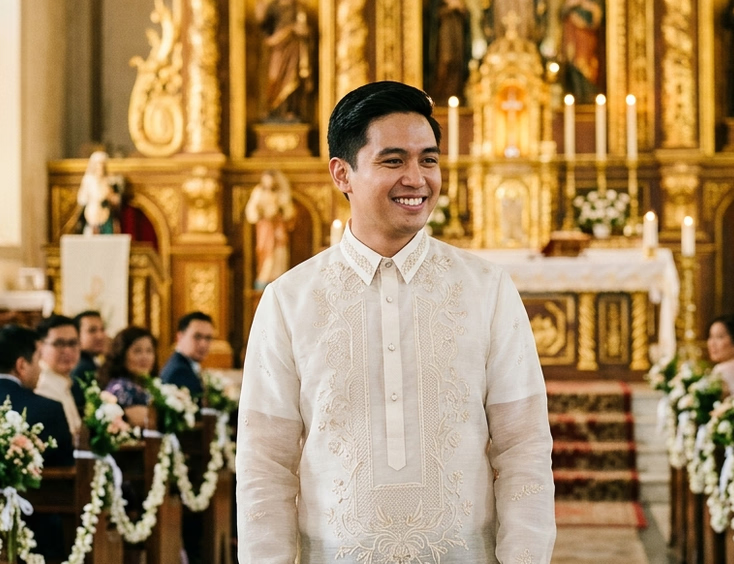
The barong tagalog is a sheer, embroidered formal shirt worn untucked over a white undershirt. Filipino men wear it for weddings, state functions, graduations, and any event that calls for national dress. It sits at the same formality level as a Western tuxedo.
The barong predates Spanish colonization. Pre-colonial Filipinos wore loose, lightweight upper garments suited to the tropical climate. Spanish chroniclers documented the style in the 1500s. The shirt evolved through three centuries of colonial rule, picked up European tailoring details, and emerged as the formal wear of choice after Philippine independence.
President Ramon Magsaysay wore a barong to his 1953 inauguration. President Diosdado Macapagal signed Proclamation No. 1374 in 1965, naming the barong tagalog the national attire. Every Filipino president since has worn one to official functions.
Why the Barong Survived Western Fashion
Filipino weddings borrow heavily from Western templates. The white gown, the church procession, the three-tier cake. The groom's attire stayed Filipino. Three reasons explain why.
The climate works against wool suits. A church wedding in May, an outdoor reception in June, a noontime ceremony in any month. Wool traps heat. The barong's sheer fabric breathes. You'll sweat through a suit by the second reading. A barong keeps you composed through the entire ceremony.
The barong photographs well in Filipino light. Harsh tropical sun blows out dark suits in outdoor photos. The off-white tone of a barong reflects light evenly. Your face stays the focal point of the photo instead of competing with a black jacket.
The cultural weight matters to most Filipino families. Your lolo wore a barong to his wedding. Your tito wore one to his. Wearing a barong on your wedding day connects three generations of family photos. Many Filipino mothers cry during the first fitting for that reason.
What the Barong Looks Like Up Close
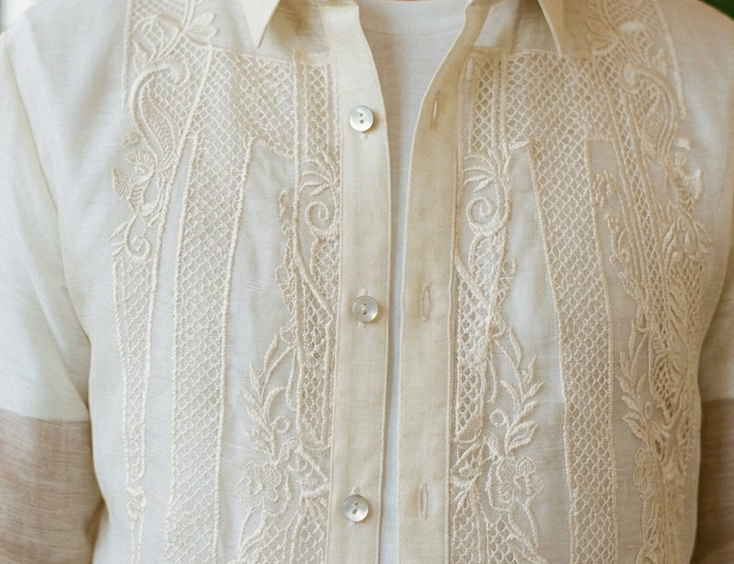
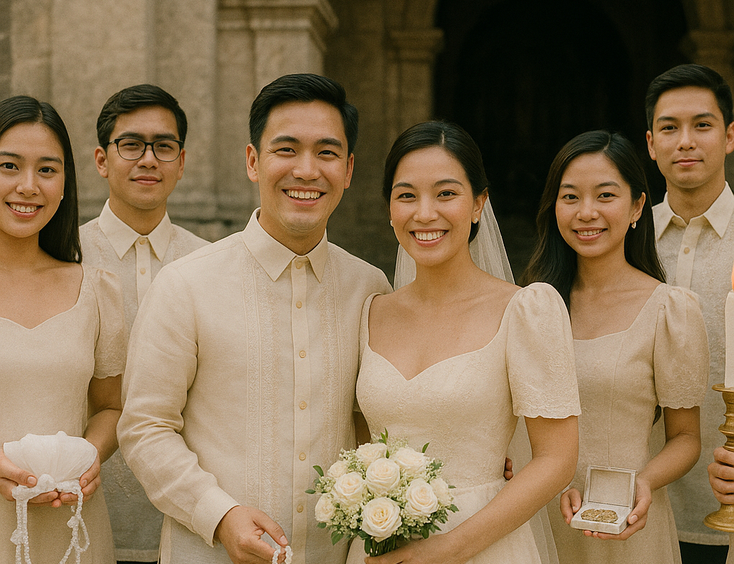
The classic wedding barong has five details that set it apart from a regular dress shirt. A straight collar that mirrors a Western dress shirt. Long sleeves with French cuffs or buttoned cuffs. A button-down front placket, often with mother-of-pearl or shell buttons. Embroidered panels on the chest and sleeves called calado or sombrado. A straight hem worn untucked over black slacks.
Wedding barongs carry more embroidery than everyday barongs. Some grooms commission custom embroidery patterns featuring their initials, wedding date, or family crest. Others stick to traditional floral and geometric motifs.
The Fabric Hierarchy
Four fabrics dominate wedding barongs. Each carries a different price point and prestige level.
Piña sits at the top. Tailors weave it from pineapple leaf fibers, hand-knotted into thread. A piña barong takes months to weave and embroider. Prices start around PHP 25,000 and climb past PHP 80,000 for heavily embroidered pieces. Heritage families pass piña barongs down through generations.
Jusi gives you piña's polished look at a lower price. Tailors weave it from silk or banana fibers, then finish it with a sheen close to piña. A jusi barong runs PHP 5,000 to PHP 15,000. Most Filipino grooms pick jusi for the price-to-look ratio.
Organza falls between piña and jusi in price. The fabric carries more body than jusi and drapes well in photos. Organza barongs run PHP 8,000 to PHP 20,000.
Cocoon and gusot mayaman sit at the entry level. Cotton-blend barongs work for less formal weddings or beach ceremonies. Prices start around PHP 2,500.
Compare all your options in our guide to choosing between piña, jusi, or organza for your wedding day.
Why Filipino Grooms Pick the Barong for Church Weddings
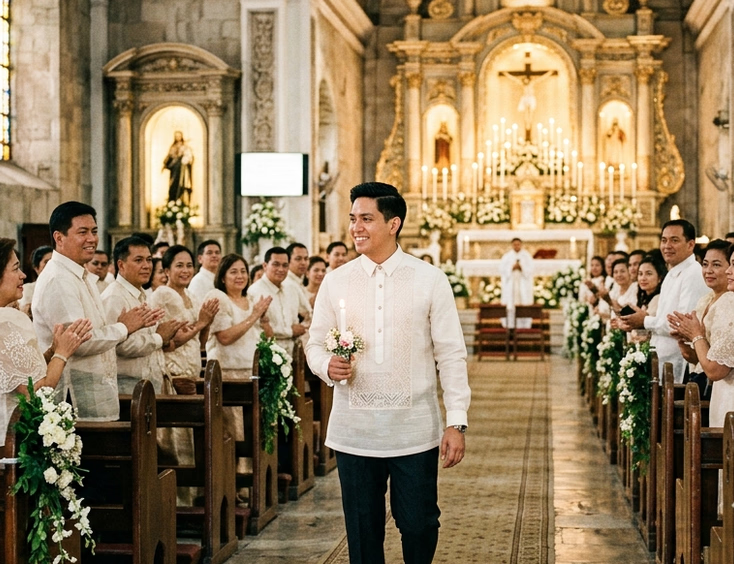
Most Filipino weddings happen inside Catholic churches. Priests bless the union under stained glass and gold-leafed altars. The visual language of the church reads traditional. A barong matches that register. A modern slim-fit suit can read out of place in a baroque church interior.
Older relatives expect the barong. Your ninong and ninang grew up watching Filipino grooms wear barongs. A suit at a church wedding raises eyebrows from the older generation. You'll spend the reception explaining the choice instead of accepting congratulations.
The barong reads as default. Pick it and nobody asks why. Pick a suit and you'll defend the decision until the last guest leaves.
If you're weighing both options, our breakdown of suit or barong for the modern Filipino groom maps the trade-offs by venue and personal style.
Bespoke vs. Ready-to-Wear
Two paths get you a wedding barong. A bespoke tailor builds the barong around your measurements over four to eight weeks. A ready-to-wear shop sells stock barongs in standard sizes you can buy and alter the same week.
Bespoke costs more and fits better. The tailor adjusts the shoulder line, sleeve length, chest width, and hem to your body. The embroidery pattern can match your wedding theme. Manila bespoke barong makers book out three to six months in advance during peak wedding season.
Ready-to-wear works for tight budgets and tight timelines. You'll find decent jusi barongs at Divisoria, Greenhills, and SM department stores. Alterations cost extra but finish in days, not weeks.
Read our full breakdown of bespoke vs. ready-to-wear barongs to pick the right path for your timeline and budget.
How to Wear a Barong on Your Wedding Day
Wear a plain white camisa de chino or white undershirt underneath. The undershirt should sit close to the body and not show through the embroidery panels. Pair the barong with black slacks, never gray or navy. Black leather shoes finish the look. Skip the belt. Filipino formal wear hides the belt under the untucked hem.
Cufflinks add a personal detail. Match the metal to your watch and your wedding band. Some grooms add a small lapel pin with sampaguita motifs or family initials.
Caring for Your Wedding Barong
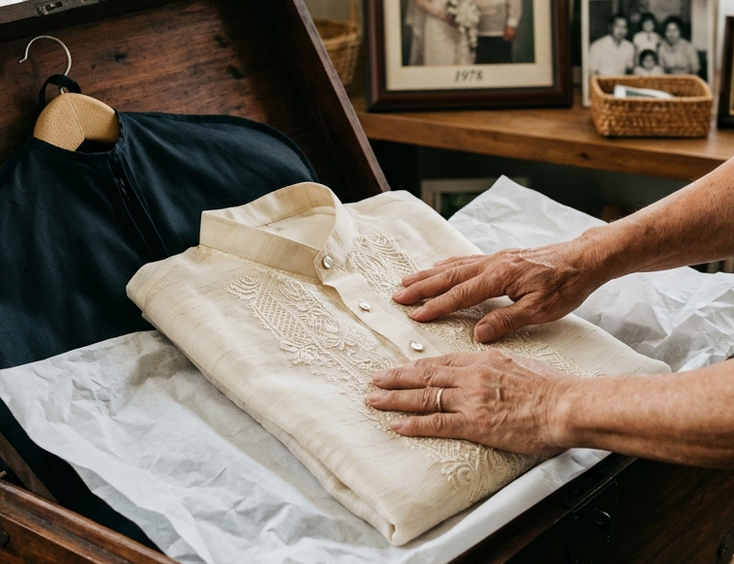
Piña and jusi barongs need careful handling. Dry clean only. Hang on a padded hanger in a garment bag. Store away from sunlight, which yellows the fabric over years. A well-stored piña barong lasts decades.
Many Filipino grooms frame their wedding barong after the ceremony. Others pass it to a son or nephew for his own wedding.
Where to Buy or Commission Your Barong
Manila concentrates the country's top barong tailors. Cebu and Davao have established shops with shorter lead times. Browse our directory of suits and barongs suppliers to shortlist tailors, designers, and ready-to-wear shops by location and budget.
Start your search six months before the wedding. Bespoke shops fill their calendars fast during December-to-May wedding season. Ready-to-wear gives you more flexibility on timeline.
The barong tagalog earned its place at Filipino weddings through climate, culture, and four centuries of continuity. Your wedding photos will join the family archive of barong-wearing grooms. Pick the fabric that fits your budget, the tailor that fits your timeline, and walk down the aisle in the shirt your grandfather wore at his own wedding.
For the full picture on wedding attire decisions, return to our Filipino groom's complete guide to wedding suits and barongs.
Still Searching for a Right Match?
Find Your Perfect Wedding Supplier Today!
Discover trusted wedding suppliers across the Philippines in our complete directory. Compare services and connect with the ones that fit your dream celebration.
Browse Wedding SuppliersFeatured Blog Posts


Filipino Wedding Entourage - Roles, Order of March, and Modern Etiquette
6 mins readCivil Weddings in the Philippines - Requirements, Costs, and Step-by-Step Process
9 mins readCivil Wedding Requirements in the Philippines - Complete Checklist
6 mins readCost of Wedding in the Philippines - 5 Essential Things You Need to Know
7 mins readPrincipal Sponsors (Ninong/Ninang) - How Many, How to Ask, What They Really Do
4 mins readVeil, Cord, Candle & Coins - Roles, Options, and When They Happen
4 mins readEntourage for a Traditional Pinoy Wedding - Complete Roles and Guide
6 mins readComplete List of Civil Wedding Requirements in the Philippines
8 mins readHow to Choose Wedding Ninongs and Ninangs - Ask Yourself These 3 Important Questions
5 mins read