


How to Maximize Bookings at Filipino Wedding Fairs and Expos
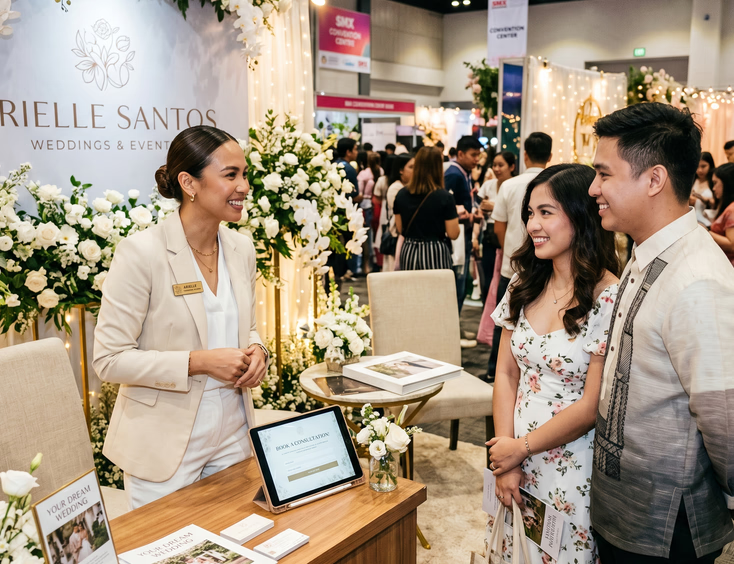
Filipino wedding fairs and expos draw thousands of engaged couples in concentrated weekends. The opportunity is significant. Couples come ready to compare, decide, and sometimes book on the spot. The supplier who works the fair well leaves with dozens of qualified inquiries and several signed contracts. The supplier who shows up unprepared spends three days behind a booth collecting business cards that lead nowhere.
The difference is rarely talent or pricing. The difference is the system. Wedding fairs reward suppliers who plan the months before, execute well on the day, and follow up systematically in the weeks after. Most Filipino wedding suppliers handle the booth setup but skip the rest. They lose the booking opportunity they paid significantly to attend.
This guide walks Filipino wedding suppliers through the full system for maximizing bookings at wedding fairs and expos. The pre-event preparation. The booth setup. The conversation flow. The lead capture. The follow-up process. The framework turns wedding fairs from break-even marketing expenses into one of the strongest booking channels in the Filipino wedding industry.
Why Wedding Fairs Still Drive Filipino Wedding Bookings
Filipino wedding fairs remain a major booking channel despite the growth of social media and online directories. The reasons are structural.
Wedding fairs concentrate engaged couples in one space. Hundreds or thousands of couples actively planning weddings walk through in a weekend. The density of qualified leads is hard to match through other channels.
Wedding fairs let couples experience suppliers in person. Couples scrolling Instagram cannot smell the flowers, taste the cake, hold the album, or feel the gown. Fairs let them experience all of it in person, which accelerates trust building.
Wedding fairs allow side-by-side comparison. Couples evaluate multiple suppliers in the same category back to back. The supplier with the strongest booth, best pricing, and warmest interaction wins the comparison.
Wedding fairs create urgency. Many fairs offer exclusive promotional pricing or special booking incentives. The time-bound nature pushes couples toward decisions.
The fair channel sits inside the wider booking system you built through the complete guide to getting more wedding clients in the Philippines. Fairs complement social media, SEO, directories, and partnerships rather than replacing them.
Step One: Pick the Right Wedding Fairs
Filipino wedding suppliers waste money attending the wrong fairs. The wrong fair produces few bookings and damages the budget. The right fair pays back many times over.
Three criteria help pick the right fairs.
The fair attracts your target couples. A premium photographer should attend premium fairs that draw couples with matching budgets. A budget-friendly supplier should attend fairs accessible to that segment. Mismatched fairs produce mismatched inquiries.
The fair has a strong audience track record. Established fairs publish attendance numbers from previous years. New fairs are riskier. First-time attendance at a well-known fair often produces better results than first-time attendance at an unproven one.
The fair fits your service area. A Tagaytay-based florist might attend Manila, Cavite, and Tagaytay fairs but skip Cebu or Davao fairs unless destination weddings are a strategic priority.
The major Filipino wedding fairs include the bridal events organized by major publications, the regional fairs in Metro Manila, Cebu, Davao, and other key cities, the venue-specific bridal expos hosted by hotels, and specialty fairs focused on luxury, intimate, or destination weddings.
Research each fair before committing. Look at past supplier reviews. Ask other suppliers who attended. Visit the fair as an attendee in a previous year if possible. The research prevents expensive mistakes.
Aim to attend two to four well-chosen fairs per year. More fairs than that strain your budget and team without proportional booking returns.
Step Two: Set a Specific Booking Goal Before the Fair
Filipino wedding suppliers attend fairs without clear goals. The day ends, the booth packs up, and no one knows whether the fair was a success.
Set a specific booking goal before signing up.
The goal should include the following.
Number of qualified inquiries. The minimum number of couples who leave their contact info ready for follow-up.
Number of bookings closed within 60 days. The bottom-line measurement of the fair's impact.
Total revenue generated from the fair. The financial measurement.
Cost per booking. Total fair cost divided by bookings produced. The metric helps evaluate fair quality year over year.
Goal-setting shapes every decision that follows. Booth design. Promotional offers. Lead capture intensity. Follow-up urgency. Without goals, the fair becomes activity without outcome.
Compare goals to actual results after the fair. Adjust expectations and strategy for future fairs.
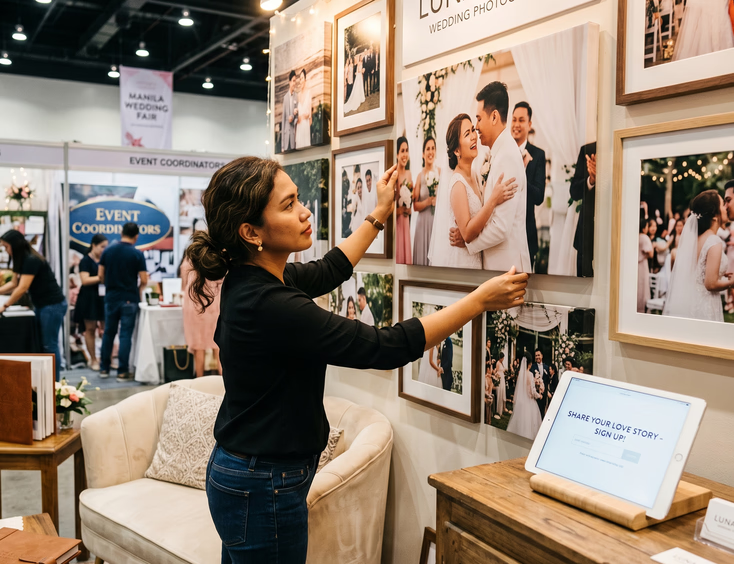
Step Three: Design a Booth That Stops Couples in the Aisle
Filipino wedding suppliers often build booths that blend in with every other booth on the floor. The blending kills foot traffic. Couples walking past need a reason to stop.
Three booth design elements stop couples.
A strong visual focal point. A large, beautiful image. A styled wedding setup. A live demonstration. The focal point pulls attention from twenty feet away.
Clear brand identity. The booth should look like your social media, your website, and your other marketing materials. Consistency builds recognition.
Inviting layout. The booth should feel welcoming, not crowded or transactional. Couches, plants, soft lighting, and clear walkways encourage couples to step in.
The booth design should match the kind of couples you want to book. A premium photographer's booth should feel premium. A garden florist's booth should feel garden-fresh. A modern caterer's booth should feel modern.
Avoid four booth design mistakes.
Cluttered tables covered in printed materials. The chaos overwhelms couples.
Standing behind a high counter that creates a barrier. The setup discourages conversation.
Loud music that disrupts conversations. Soft background music works. Loud music alienates couples.
Bright fluorescent lighting that washes out the booth. Warm, soft lighting elevates everything.
The wider booth design framework sits inside wedding fair booth ideas that attract serious couples, not just browsers.
Step Four: Prepare Your Promotional Materials
Filipino wedding suppliers often arrive at fairs with weak promotional materials. The materials look generic, lack clear pricing, or fail to communicate the brand. Couples walk away without remembering the supplier.
Prepare three types of materials.
A take-home brochure or pricing card. A clean, branded one-pager couples take with them. Include your business name, contact details, starting pricing or package summary, sample images, and a call to action.
A digital lead capture system. Tablet or phone-based form for collecting couple contact details. Faster than paper sign-in sheets. Email and phone numbers flow directly into your CRM.
Branded business cards. Even though physical cards are less central than they used to be, couples still appreciate a tangible reminder. Include all your contact details and social handles.
The materials should reflect the design quality of your brand. Cheap or generic materials damage the impression of the booth.
The pricing card framework pairs with crafting a wedding package pricing sheet Filipino couples understand. The pricing card is a condensed version of the full pricing sheet, designed for quick browsing.
Step Five: Offer a Fair-Specific Booking Incentive
Filipino wedding suppliers who offer fair-specific incentives book more weddings than those who do not. The urgency of a limited-time offer pushes couples from interested to decided.
Three incentive types work consistently.
A modest discount for couples who book during the fair. 10 to 15 percent off the standard package. The discount should feel meaningful without undermining your pricing.
A complimentary add-on for fair bookings. A free engagement session. A complimentary album upgrade. A bonus hour of coverage.
A reduced down payment to lock in the date. The lower upfront barrier makes booking easier on the day.
Communicate the incentive clearly at the booth. Signage. Verbal mentions during conversations. Print on the take-home brochure.
The incentive should expire within a week or two of the fair. Open-ended discounts lose urgency. Time-bound offers drive decisions.
Avoid offering deep discounts that you would not normally extend. The pattern trains future couples to wait for fair pricing and damages your year-round positioning. The framework aligns with how to handle pwede pa bang bumaba ang price without losing the booking.
Step Six: Train Yourself and Your Team on the Conversation Flow
Filipino wedding suppliers underestimate how draining a wedding fair is. Three days of constant conversation, often with hundreds of couples, exhausts the supplier and the team. Without preparation, the late-fair conversations get worse, and booking opportunities slip.
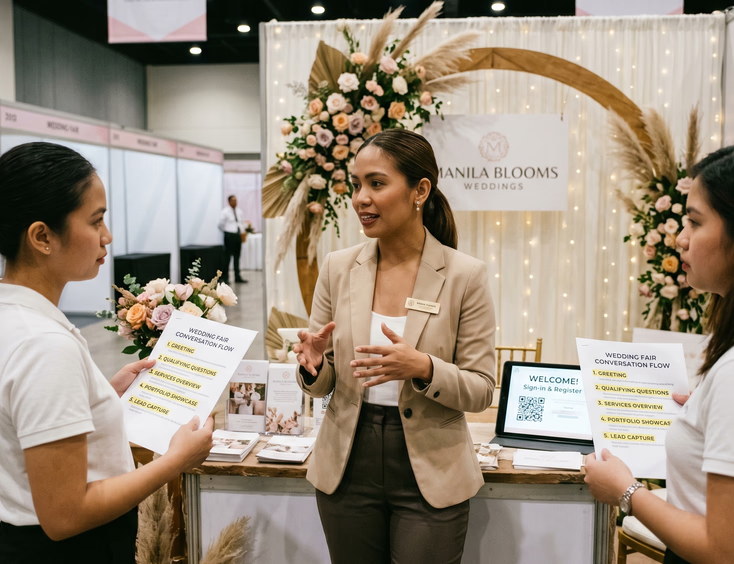
Train yourself and any team members on a clear conversation flow.
The flow follows five steps.
Greet warmly. Smile, make eye contact, and welcome couples into the booth.
Ask their wedding details. Date. Venue. Style. Guest count. The questions show genuine interest and start qualifying the couple.
Share what you do. A short, conversational explanation of your services and what makes you different.
Show your portfolio. A polished album, a tablet with a curated gallery, or a printed lookbook. Let couples spend time looking.
Capture their information and propose a next step. Get their contact details. Suggest a discovery call. Offer the fair-specific booking incentive.
The flow takes five to ten minutes per couple. Practice it. Make it feel natural, not scripted. The repetition during the fair builds rhythm.
Avoid two common conversation mistakes.
Over-talking. Couples need space to look, ask questions, and process. Listening matters more than presenting.
Hard-selling. Pressure tactics damage the brand. Warm, professional conversations book more weddings than pushy ones.
Step Seven: Capture Every Lead Systematically
Filipino wedding suppliers lose most of their fair leads by failing to capture contact details systematically. Couples express interest, take a brochure, and disappear forever.
Build a lead capture system before the fair.
Three lead capture methods work.
A digital form on a tablet. Couples fill in name, email, phone, wedding date, venue, and what services they are interested in. The data flows directly into your CRM or spreadsheet.
A simple paper sign-in book paired with manual data entry after the fair. Lower-tech but still functional. Make sure the book is visible and easy to use.
A QR code link to a digital form. Couples scan the code with their phone and fill in details independently. Useful when the booth is busy.
Offer a small incentive for sharing details. A raffle entry. A free print. A small treat. The incentive raises capture rates significantly.
Verify the data as couples fill it in. Make sure the email and phone are written legibly. A wrong digit or letter loses the lead permanently.
The full inquiry response framework that follows the lead capture sits inside how to respond to wedding inquiries so couples actually book you.
Step Eight: Follow Up Within 48 Hours of the Fair
Filipino wedding suppliers lose 70 to 80 percent of their fair leads by failing to follow up promptly. Couples leave the fair excited. Within a week, the excitement fades. Within two weeks, the couple has forgotten the supplier entirely.
Follow up within 48 hours of the fair.
Send a personalized message to each captured lead. Include the following.
Thank them for visiting the booth.
Reference a specific moment from the conversation. "Great chatting about your Tagaytay garden wedding plans."
Restate the fair-specific incentive and its deadline.
Offer a clear next step. A discovery call. A pricing guide. A consultation.
The 48-hour window matters. Couples who hear from you immediately remember the booth experience. Couples who hear from you a week later have moved on.
Use templates that you customize. Three to five sentences per message. Personalization at the opening and closing. Templates at the middle.
The follow-up pattern aligns with following up with wedding inquiries without sounding desperate. The same warmth applies to fair leads.
For couples who do not respond to the first follow-up, send a second touch one week later, and a third touch two to three weeks after that. Then stop active outreach and consider the lead cold.

Step Nine: Schedule Discovery Calls With Strong Leads Immediately
Filipino wedding suppliers who schedule discovery calls with strong fair leads close significantly more bookings than those who let the calls drift.
Identify the strongest leads during the fair. The couples who spent the most time at the booth. The ones who asked specific questions. The ones who took multiple pieces of marketing material.
For those strong leads, propose a specific discovery call time in your follow-up message. "Wanted to follow up on our chat at the fair on Saturday. Would Tuesday at 7pm or Thursday at 8pm work for a quick discovery call?"
The discovery call moves the conversation from booth exchange to booking. The framework sits inside the discovery call script that books wedding clients.
The earlier the discovery call happens after the fair, the higher the close rate. Aim for calls within 7 to 10 days of the fair when possible.
Step Ten: Use Fair Content for Marketing Months After
Filipino wedding suppliers underuse the marketing potential of wedding fairs. The fair itself produces content that can fuel social media, email, and blog content for months.
Capture three types of content during the fair.
Booth setup and pre-fair content. Document the build of the booth. Behind-the-scenes shots. Time-lapses. Couples scrolling later see your professionalism.
In-fair content. Couples visiting the booth. Conversations. Demonstrations. Energy on the floor. Filipino couples enjoy seeing the energy of a busy supplier.
Post-fair content. Recap photos. Statistics on how the fair went. Stories of memorable couples. The recap content helps with the next fair's marketing.
Share the content across Instagram, TikTok, Facebook, and your blog. Tag the fair organizers. Tag participating suppliers. The cross-tagging amplifies reach.
The content repurposing framework pairs with content ideas wedding suppliers can post every week without running out. One fair can fuel a month of content.
Step Eleven: Build Long-Term Supplier Relationships at Fairs
Filipino wedding fairs are not just for couples. The supplier community attends the same fairs. Suppliers from complementary categories are walking the floor. The networking opportunity is significant.
Use fair time to build supplier relationships.
Greet suppliers in nearby booths. Introduce yourself. Compliment their setup. Exchange contact details.
Visit complementary supplier booths during slow hours. Coordinators visit florists. Photographers visit caterers. The cross-visits build connections that produce referrals later.
Attend after-fair gatherings or supplier-only events. Many fairs include networking dinners or supplier mixers. The relationships built there often outlast the bookings from the fair itself.
The framework pairs with how to build supplier partnerships that send you wedding referrals monthly. The supplier partnerships built at fairs often produce more long-term value than the immediate couple inquiries.
Step Twelve: Track Fair Performance Carefully
Filipino wedding suppliers who track fair performance year over year make smarter decisions about which fairs to attend.
Track five metrics per fair.
Total cost. Booth rental. Staff. Marketing materials. Promotional incentives. Travel. Food.
Number of leads captured. The total contacts collected.
Number of qualified leads. The contacts who showed real booking intent.
Number of bookings closed within 90 days. The bottom-line measurement.
Total revenue generated. The full financial return.
Calculate cost per booking. Divide total cost by total bookings. The metric reveals fair quality clearly.
Compare results across fairs and across years. Some fairs consistently deliver strong returns. Others underperform. The data tells you which fairs to keep attending and which to drop.
The wider tracking framework fits inside tracking your numbers: KPIs every wedding supplier should watch.
Common Filipino Wedding Supplier Wedding Fair Mistakes
Filipino wedding suppliers repeat the same wedding fair mistakes.
Attending too many fairs. Three days at a fair takes recovery time. Attending more than four major fairs per year strains the team and dilutes the marketing budget.
Skipping pre-fair preparation. Suppliers who arrive without strong booth design, polished materials, and trained conversation flow lose bookings.
Building boring booths. Couples walk past invisible booths. Strong visual focal points matter.
Failing to capture leads systematically. Lost contact details are lost bookings.
Skipping the 48-hour follow-up. The majority of fair leads cool down within a week.
Offering desperate discounts. The fair should generate full-price bookings, not bargain ones.
Ignoring supplier networking. The relationships built at fairs often produce more value than the immediate couple bookings.
Failing to track results. Without data, you cannot improve fair selection or strategy.
Forgetting to convert content from the fair into ongoing marketing.
Treating fairs as one-off events instead of part of a year-round booking system.
Letting the team get exhausted. Tired booth staff deliver weak conversations and damage the brand.
Failing to update marketing materials. Old portfolios, outdated pricing, and stale offers damage credibility.
Where Wedding Fairs Fit in Your Wider Booking System
Wedding fairs concentrate qualified couples in short, intense windows. They complement social media, SEO, directories, and supplier partnerships rather than replace them. The bookings from a single fair often pay back the cost many times over when the system is executed well.
For the full marketing and booking framework, see the complete guide to getting more wedding clients in the Philippines.
Pick the right fairs. Set specific booking goals. Design booths that stop couples. Prepare polished promotional materials. Offer fair-specific booking incentives. Train yourself and your team on conversation flow. Capture every lead systematically. Follow up within 48 hours. Schedule discovery calls with strong leads immediately. Use fair content for marketing months after. Build long-term supplier relationships. Track performance carefully. Filipino wedding suppliers who treat fairs as systematic booking generators, not just three-day events, transform them into one of the strongest sources of qualified bookings in the entire wedding industry.
Join the Philippines' Trusted Wedding Network
Connect With Couples Ready to Book Your Services
Showcase your wedding business to engaged Filipino couples searching for trusted suppliers. Build your portfolio presence, grow your bookings, and stand out in your category.
List Your BusinessFeatured Blog Posts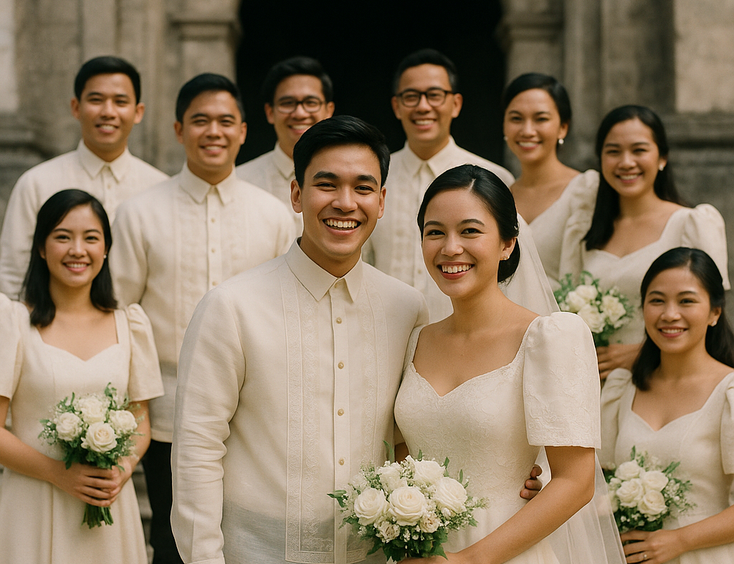

Filipino Wedding Entourage - Roles, Order of March, and Modern Etiquette
6 mins readCivil Weddings in the Philippines - Requirements, Costs, and Step-by-Step Process
9 mins readCivil Wedding Requirements in the Philippines - Complete Checklist
6 mins readCost of Wedding in the Philippines - 5 Essential Things You Need to Know
7 mins readPrincipal Sponsors (Ninong/Ninang) - How Many, How to Ask, What They Really Do
4 mins readVeil, Cord, Candle & Coins - Roles, Options, and When They Happen
4 mins readEntourage for a Traditional Pinoy Wedding - Complete Roles and Guide
6 mins readComplete List of Civil Wedding Requirements in the Philippines
8 mins readHow to Choose Wedding Ninongs and Ninangs - Ask Yourself These 3 Important Questions
5 mins read