


How to Choose a Wedding Gown That Matches Your Venue: Church, Garden, Ballroom, and Beach
You booked two venues. The ceremony is at a Catholic church in Intramuros. The reception is at a garden estate in Tagaytay. You love a fitted crepe gown you found online, but your bridal consultant says it will look too plain in a cathedral and too formal for a garden. She is right. Your gown needs to work with your venue, not against it.
Most Filipina brides choose their gown based on body type, budget, or personal taste. Venue gets treated as an afterthought. But the architecture, lighting, flooring, temperature, and scale of your venue shape how your gown looks and feels in person and in photos. A gown that commands a ballroom can suffocate a garden. A gown that flows on a beach can disappear in a cathedral.
This guide breaks down gown recommendations by venue type, covering the four most common Filipino wedding settings: church, garden, ballroom, and beach.
Church Venues
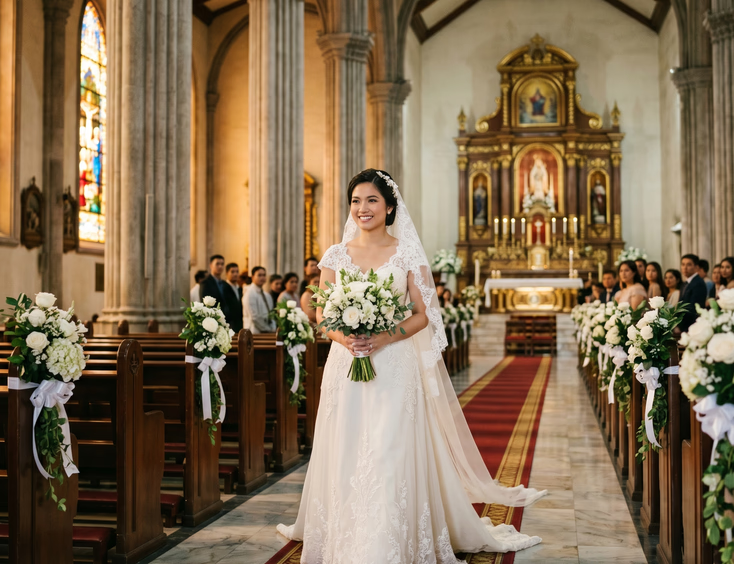
Filipino church weddings account for the majority of ceremonies in the country. Catholic parishes set the tone with high ceilings, long aisles, stained glass windows, and warm interior lighting. The space is vertical, formal, and structured. Your gown should match.
Silhouette: Ball gowns and A-lines own the church aisle. The width of a ball gown skirt fills a wide nave, and the structured shape holds its own against tall columns and high ceilings. An A-line works in smaller parishes where a full ball gown might overwhelm the space.
Train length: Churches reward longer trains. A chapel-length or cathedral-length train creates a visual line down the aisle that photographs well from the back of the church. The marble or stone flooring in most Filipino churches gives your train a smooth surface to glide across.
Fabric: Structured fabrics like mikado satin, duchess satin, and organza hold their shape in the formal setting. Lace overlays add texture that catches candlelight and window light. If you want to incorporate Filipino heritage, piña or jusi fabric on the bodice or sleeves ties your look to the venue's cultural context.
Sleeves and coverage: Catholic parishes require shoulder and back coverage during the ceremony. Long sleeves, cap sleeves, or a detachable bolero meet this requirement. Illusion lace sleeves give you coverage that feels light and photographs well under stained glass. For a full guide to sleeve options, read our breakdown of long-sleeve wedding gowns for traditional Filipino church weddings.
Neckline: Bateau, high neck, and modest V-necklines suit church ceremonies. Strapless and plunging necklines may need a cover-up during the rites. Check with your parish coordinator during the Pre-Cana seminar.
Temperature: Heritage churches like San Agustin and Paoay Church do not have air conditioning. Newer churches in Metro Manila and Cebu may have partial cooling. Ask your parish about ventilation before committing to heavy satin or multiple fabric layers. A lined organza gown breathes better than a double-layered mikado ball gown.
Lighting: Church interiors run warm. Candlelight, amber-toned fixtures, and stained glass cast yellow and gold tones on your gown. Pure white gowns can appear stark under warm church lighting. Ivory, champagne, or off-white tones blend better with the ambient color. Piña fabric, with its natural off-white hue, looks particularly warm under church light.
Garden Venues
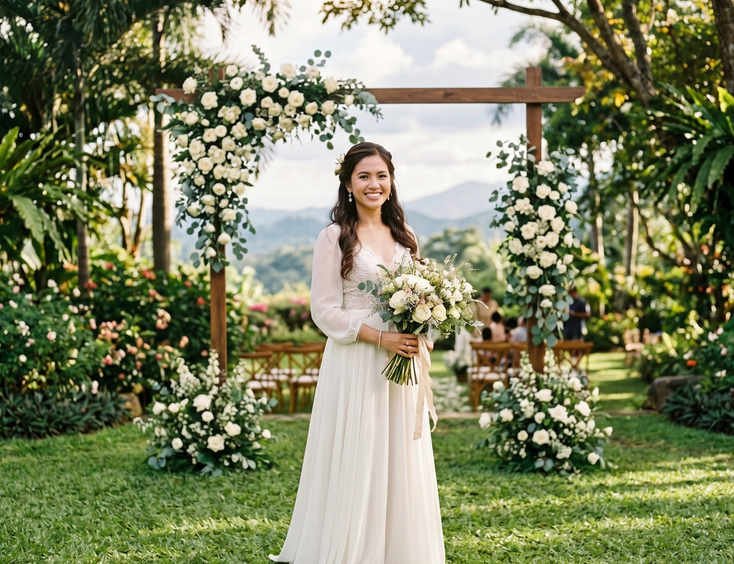
Garden weddings in the Philippines range from manicured estate lawns in Tagaytay and Antipolo to tropical jungle settings in Batangas and Laguna. The environment is open-air, green, and organic. Your gown competes with nature rather than architecture.
Silhouette: A-line and sheath gowns move well on grass and uneven terrain. A flowing A-line in lightweight fabric catches natural light and creates movement in outdoor photos. Sheaths offer a clean, modern line that does not fight the organic setting. Ball gowns can work in larger estate gardens, but the volume of the skirt may drag on grass, collect moisture from damp ground, and restrict your movement across the lawn.
Train length: Keep it short. A sweep train or no train at all is practical for garden settings. Grass, soil, and garden moisture stain fabric. A detachable train gives you the option for a few formal photos before you remove it for the ceremony and reception.
Fabric: Lightweight, flowing fabrics suit gardens. Chiffon moves in outdoor breezes and catches dappled sunlight through tree canopies. Tulle adds a romantic, airy quality that blends with the greenery. Crepe offers a more modern, clean drape. Avoid heavy satins that absorb heat and do not move with wind.
Footwear consideration: Your shoes determine how your gown falls. Stilettos sink into soft ground. Wedges, block heels, or flats keep you stable on grass. Your hemline needs to account for the lower heel height. Discuss this with your designer during your fitting. Bring the shoes you plan to wear.
Color: Green backdrops make white gowns pop. A pure white gown creates strong contrast against trees, hedges, and lawns. Ivory and blush tones soften into the environment for a more cohesive, romantic look. Both work. Your preference depends on whether you want to stand out sharply or blend into the setting.
Weather backup: Outdoor garden venues in the Philippines are exposed to sudden rain, especially during the wet season (June to November). Choose a fabric that recovers from light moisture. Chiffon and crepe dry fast. Satin and silk wrinkle and stain when wet. Ask your venue about their rain contingency plan and plan your gown around the possibility.
Ballroom Venues
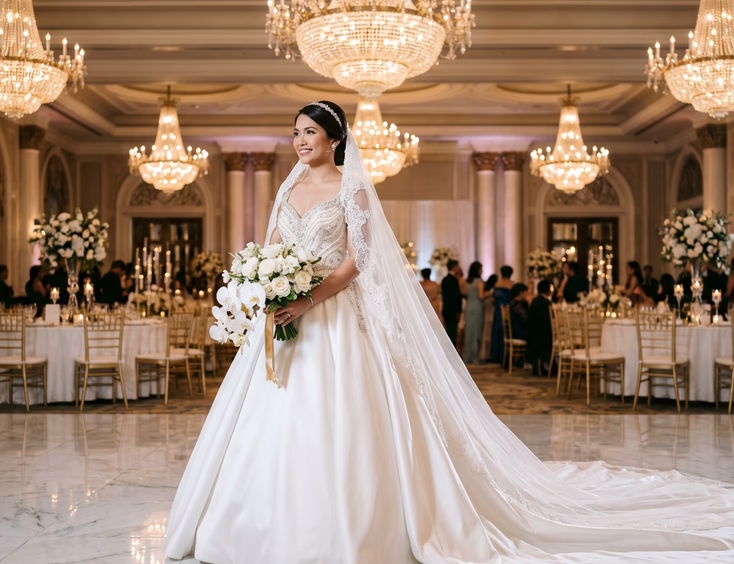
Hotel ballrooms and banquet halls are the most controlled wedding environment. Air conditioning, professional lighting, polished floors, and high ceilings give you full freedom with your gown. The space is designed for formal events, and your dress should rise to meet it.
Silhouette: Ballrooms reward drama. Ball gowns, mermaid cuts, and trumpet silhouettes fill the room and photograph well against grand interiors. A ball gown with a full skirt creates presence on a large dance floor. A mermaid gown in a fitted fabric commands a spotlight during the first dance. An A-line works as a versatile middle ground.
Train length: Ballrooms have smooth floors. Chapel and cathedral trains glide across marble, hardwood, and carpet without snagging. A longer train creates a dramatic entrance and photographs well from elevated angles (balconies, mezzanines, grand staircases).
Fabric: Ballrooms support heavier, more luxurious fabrics. Mikado satin, duchess satin, heavy crepe, and beaded lace hold their structure under air conditioning and artificial lighting. These fabrics catch the light from chandeliers and create depth in photos. Embellishments like crystals, sequins, and metallic beadwork shine under ballroom spotlights.
Embellishment: A garden or beach gown relies on simplicity. A ballroom gown can carry more detail. Beading on the bodice, embroidered lace panels, crystal-encrusted belts, and three-dimensional floral appliqués all work in a ballroom because the setting matches the level of detail. An unembellished crepe gown may feel underdressed in a chandelier-lit five-star ballroom.
Neckline: Ballrooms give you full freedom. Strapless, sweetheart, off-shoulder, deep V, and high neck all work. The controlled temperature means you do not need to worry about overheating in a high-neck or long-sleeve gown. Choose based on your body type and personal style.
Lighting: Ballroom lighting varies by venue. Some hotels use warm spotlights. Others use cool white LED setups. Visit your ballroom at the time of day your reception will take place and observe the light color. Warm lighting suits ivory and champagne gowns. Cool lighting makes pure white gowns look crisp. Ask your photographer for input on how your fabric choice will interact with the venue's lighting rig.
For a detailed comparison of how ball gown, mermaid, and A-line silhouettes work on different Filipina body types, read our guide on which wedding dress silhouette is right for your body type as a Filipina bride.
Beach Venues
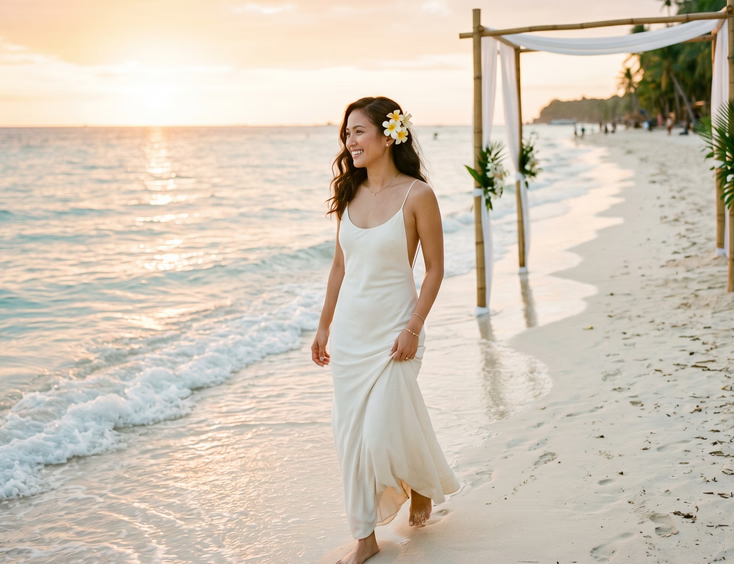
Beach weddings in the Philippines put your gown against sun, sand, salt air, humidity, and coastal wind. The setting is open, bright, and unpredictable. Your gown needs to handle the elements while looking effortless.
Silhouette: A-lines, sheaths, and slip dresses are built for sand. They allow movement, resist wind tangling, and keep fabric off the ground. Tea-length and midi gowns eliminate the sand problem at the hemline. Ball gowns are impractical on any beach surface. The skirt collects sand, traps heat, and restricts your footing.
Train length: Minimal or none. A sweep train is the maximum length that works on packed sand near the waterline. Anything longer drags, collects moisture, and weighs you down. A detachable train gives you options for photos without committing to dragging fabric across the beach.
Fabric: Chiffon, crepe, and charmeuse are your strongest options. They are lightweight, breathe in humidity, dry fast if they touch water, and move with coastal wind. Avoid heavy satin, brocade, and thick tulle. These fabrics absorb heat and moisture. For a full fabric and styling breakdown by Philippine beach location, read our guide on beach wedding gowns that work in Philippine heat and humidity.
Neckline and back: Beach ceremonies do not enforce modesty guidelines. V-necks, off-shoulder, halter, and open-back designs keep you cool and suit the relaxed setting. Strapless gowns are risky. Wind and movement loosen the bodice grip over time.
Color: Beach light is bright and direct. Pure white gowns can wash out in midday sun. Ivory, champagne, and soft blush tones photograph with more warmth and depth on sand. If your ceremony is at golden hour (4 PM to 5:30 PM), any white tone works because the warm light softens the contrast.
Accessories: Skip cathedral veils. Wind will tangle them. A fingertip veil, flower crown, or fresh flowers in your hair suit the beach environment. Go barefoot or wear flat sandals. Wedge sandals are the most stable heeled option on sand.
When Your Ceremony and Reception Are at Different Venues
Many Filipino weddings split between a church ceremony and an off-site reception at a garden, ballroom, or beach resort. Your gown needs to work in both settings, or you need a plan to transition between looks.
Option 1: One gown with removable elements. A structured gown with detachable sleeves, a removable overskirt, or a detachable train lets you adapt your look between venues. Wear the full ensemble for the church ceremony. Remove the sleeves and overskirt for a garden or ballroom reception. One gown, two looks, no second dress to buy.
Option 2: Two gowns. Some brides invest in a formal ceremony gown and a lighter reception dress. This approach costs more but gives you full freedom to match each venue. A ball gown with lace sleeves for the church, then a slip dress or short cocktail dress for the reception. Filipino bridal ateliers offer package pricing for two-gown orders.
Option 3: A versatile A-line. If you want one gown for both settings without modifications, an A-line in a medium-weight fabric like crepe or organza transitions between formal and casual environments. It has enough structure for a church aisle and enough movement for a garden or beach.
Bringing Heritage Into Any Venue
Filipino bridal heritage fits every venue type. Piña fabric on a bodice works in a church, a garden, and a ballroom. Butterfly terno sleeves command attention in a cathedral and stand out against green garden backdrops. Baybayin embroidery or heritage beadwork personalizes a contemporary gown in any setting.
The venue does not limit your connection to Filipino tradition. It shapes how you express it. A terno in a cathedral carries a different energy than a terno on a beach, but both honor the same heritage.
For a full exploration of traditional and modern Filipina bridal fashion, from the baro't saya to contemporary terno interpretations, read our guide on choosing your wedding gown in the Philippines.
Find Your Venue-Matched Wedding Gown
You now know what works in a church, a garden, a ballroom, and on the beach. The next step is finding a designer or supplier who can build or fit a gown matched to your specific venue.
Browse wedding gown and dress suppliers in the Philippines to compare bridal ateliers, request quotes, and book a consultation across Metro Manila, Cebu, Davao, and other locations.
Still Searching for a Right Match?
Find Your Perfect Wedding Supplier Today!
Discover trusted wedding suppliers across the Philippines in our complete directory. Compare services and connect with the ones that fit your dream celebration.
Browse Wedding SuppliersFeatured Blog Posts


Filipino Wedding Entourage - Roles, Order of March, and Modern Etiquette
6 mins readCivil Weddings in the Philippines - Requirements, Costs, and Step-by-Step Process
9 mins readCivil Wedding Requirements in the Philippines - Complete Checklist
6 mins readCost of Wedding in the Philippines - 5 Essential Things You Need to Know
7 mins readPrincipal Sponsors (Ninong/Ninang) - How Many, How to Ask, What They Really Do
4 mins readVeil, Cord, Candle & Coins - Roles, Options, and When They Happen
4 mins readEntourage for a Traditional Pinoy Wedding - Complete Roles and Guide
6 mins readComplete List of Civil Wedding Requirements in the Philippines
8 mins readHow to Choose Wedding Ninongs and Ninangs - Ask Yourself These 3 Important Questions
5 mins read