


Beach Wedding Gowns That Actually Work in Philippine Heat and Humidity
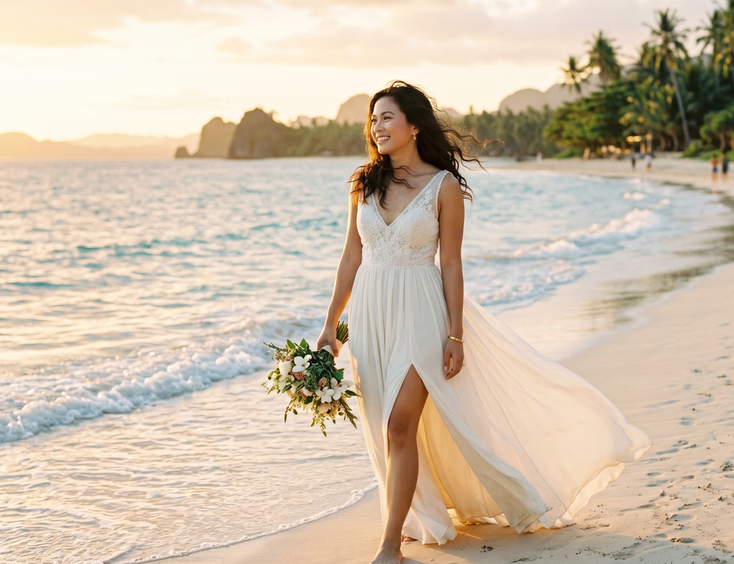
Your makeup artist told you to set aside an extra hour for touch-ups. Your coordinator warned you about the tide schedule. Nobody mentioned that your cathedral-length train would collect wet sand like a fishing net the moment you stepped onto the shore. Beach weddings in the Philippines come with conditions that most bridal gowns were not designed to handle.
Philippine beaches sit near the equator. Humidity hovers between 70% and 85% year-round. Midday temperatures during the dry season (March to May) push past 34°C. Coastal winds shift direction without warning. Salt air stiffens fabric. Sand clings to anything below the knee. Your gown needs to survive all of this and still photograph well at golden hour.
This guide covers the fabrics, silhouettes, hemlines, and design details that work for a Philippine beach wedding.
Fabrics That Survive Heat and Humidity
Fabric selection will make or break your beach wedding gown. The wrong textile turns heavy, clings to sweat, and loses its shape within an hour. The right one moves with the wind and keeps you cool through the vows, the photos, and the reception.
Chiffon is the go-to for beach weddings. It is lightweight, flows in coastal wind, and does not absorb moisture the way satin does. A chiffon skirt catches a breeze and creates that effortless, windswept look you see in Boracay and Palawan wedding photos. Chiffon also dries fast if the hem touches water during a shoreline shoot.
Crepe offers a cleaner, more structured alternative. It has a matte finish, minimal shine, and holds its shape in humidity. Crepe does not wrinkle as much as chiffon, which matters if you are sitting through a beachside reception. Stretch crepe gives you freedom to move, kneel, and dance without restriction.
Organza provides structure without weight. It holds a skirt's shape better than chiffon while remaining breathable. Organza can feel stiffer on the skin, so look for silk organza over polyester organza. Silk organza breathes. Polyester organza traps heat.
Charmeuse is a satin alternative with a lighter drape. It has a soft sheen on one side and a matte finish on the other. Charmeuse works for brides who want a hint of shine without the heaviness of bridal satin. It moves with your body and does not resist wind.
Avoid these fabrics: Heavy duchess satin, mikado, brocade, and thick tulle. These materials absorb heat, trap moisture, and weigh you down in a tropical setting. Polyester-based lace as a primary fabric (not an overlay) will also overheat you.
For a comparison of traditional Filipino bridal fabrics like piña and jusi and how they perform in warm weather, read our guide on choosing your wedding gown in the Philippines.
Silhouettes Built for the Beach
Your gown's silhouette determines how you move on sand, how the fabric behaves in wind, and how comfortable you stay across a three-hour celebration under open sky.
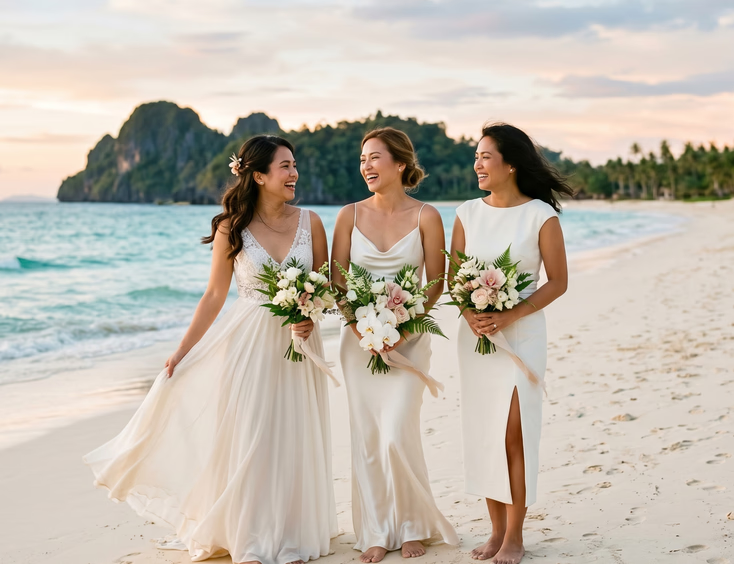
A-line is the safest beach silhouette. The gradual flare from the waist gives the skirt room to move in wind without flying up or wrapping around your legs. An A-line in chiffon or crepe gives you structure and flow. It walks well on sand because the hem is wide enough to accommodate uneven footing.
Slip dress / column creates a relaxed, modern look. A straight-cut gown in charmeuse or crepe skims your body without clinging. Slip dresses are minimal, pack light for destination weddings, and resist wrinkling. They work well for intimate beach ceremonies with a smaller guest count.
Sheath sits closer to the body than an A-line but does not flare. It follows your frame and lets the fabric do the talking. A chiffon sheath with a side slit gives you leg room for walking on sand while maintaining a sleek line.
Tea-length and midi hemlines eliminate the sand problem altogether. A gown that hits below the knee or at the calf keeps fabric off the ground. Tea-length gowns photograph well on the beach because they show your feet, your shoes (or bare feet), and the sand. They also keep you cooler because less fabric covers your legs.
Avoid ball gowns on the beach. The volume of the skirt collects sand, restricts movement, and overheats you. If you want drama, choose a flowing A-line with a sweep train instead of a full ball gown with a cathedral train.
For a detailed breakdown of how each silhouette works on different Filipina body types, read our guide on which wedding dress silhouette fits your body type as a Filipina bride.
Train Length: How Much Is Too Much on Sand
Trains look stunning on a marble aisle. On sand, they become a weight you drag behind you.
A sweep train (the shortest option) extends about 6 inches from the hemline and barely touches the ground. It gives you the illusion of a train in photos without collecting debris. A sweep train on sand is manageable and does not need a dedicated person holding it during the processional.
A court train extends about a foot from the hem. It works on packed, firm sand (the kind near the waterline) but struggles on soft, dry sand further up the beach. If your ceremony setup is close to the water on compacted ground, a court train is workable.
Chapel and cathedral trains are not practical on any beach surface. They drag, collect sand and moisture, and restrict your movement. If your heart is set on a long train, consider a detachable option. Wear it for a few photos, then remove it before the ceremony starts.
Bustle options help manage your train after the ceremony. A French bustle or over-bustle lifts the train off the ground for the reception. Ask your designer to build in bustle loops during construction rather than adding them as an afterthought.
Necklines and Back Details for Beach Gowns
Beach weddings do not carry the modesty requirements of Catholic church ceremonies. You have more freedom with necklines, back cuts, and shoulder exposure.
V-neck elongates your torso and looks natural on a beach setting. A deep V in a slip dress or A-line feels effortless and pairs well with minimal jewelry. The V also helps with ventilation.
Off-shoulder frames your collarbone and shoulders. It photographs well against ocean backdrops because the clean neckline does not compete with the scenery. Off-shoulder sleeves in chiffon add a soft, romantic element that moves with coastal wind.
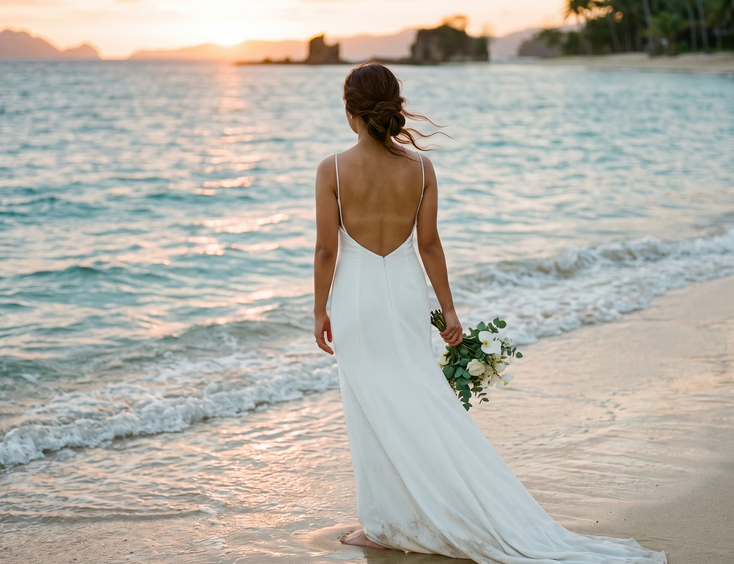
Open back keeps you cool and adds visual interest from behind. A low-back gown in crepe or charmeuse is one of the most comfortable options for a hot beach ceremony. Thin straps, a halter, or a single-strap design hold the front in place while leaving the back exposed.
Halter wraps behind the neck and leaves the shoulders and back open. It stays secure in wind (unlike strapless, which requires constant adjusting) and distributes the gown's weight across the neck rather than relying on a tight bodice.
Strapless is risky on the beach. Wind, movement, and sweat loosen the bodice grip throughout the day. If you choose strapless, your designer needs to build in boning and a strong internal corset. Even then, expect to adjust.
Planning Around Philippine Beach Wedding Locations
Different Philippine beaches present different conditions. Your gown should account for the specific environment where you are getting married.
Boracay (Station 1, 2, or 3) has fine, powdery white sand. Hemlines collect this sand fast. A tea-length or high-low gown keeps you clean. Wind is moderate on the beachfront but picks up near the water. Chiffon and lightweight fabrics move well here. Sunset ceremonies at Station 1 give you a wide beach with golden light.
Palawan (El Nido, Coron, San Vicente) offers limestone cliff backdrops and secluded coves. Some venues require a short boat ride. Choose a gown you can sit down in without wrinkling or crushing. A slip dress or sheath travels well. El Nido ceremonies on private beaches can be humid with less wind than Boracay.
Batangas (Nasugbu, Laiya, Calatagan) is the closest beach option to Metro Manila. Sand ranges from fine to coarse depending on the resort. Many Batangas venues combine a beach ceremony with an indoor or garden reception, so consider a gown that transitions between settings. An A-line with a detachable train works for both.
Siargao draws couples who want a laid-back, surf-town wedding. The island's style is casual and bohemian. Flowing maxi dresses, crochet details, and barefoot-friendly hemlines suit the atmosphere. A structured ball gown will feel out of place.
Cebu (Mactan, Moalboal, Oslob) offers resort-based beach weddings with manicured grounds. These venues tend to have both beachfront and garden options. A gown that works on sand and grass gives you flexibility. A-line in chiffon or organza handles both surfaces.
Protecting Your Gown Before, During, and After the Ceremony
Salt air, sand, and moisture are hard on fabric. A few precautions keep your gown in photo-ready condition throughout the day.
Before the ceremony: Store your gown in an air-conditioned room until you dress. Do not hang it outdoors. Humidity and salt air will dampen the fabric before you even put it on. Steam the gown indoors, not on the beach.
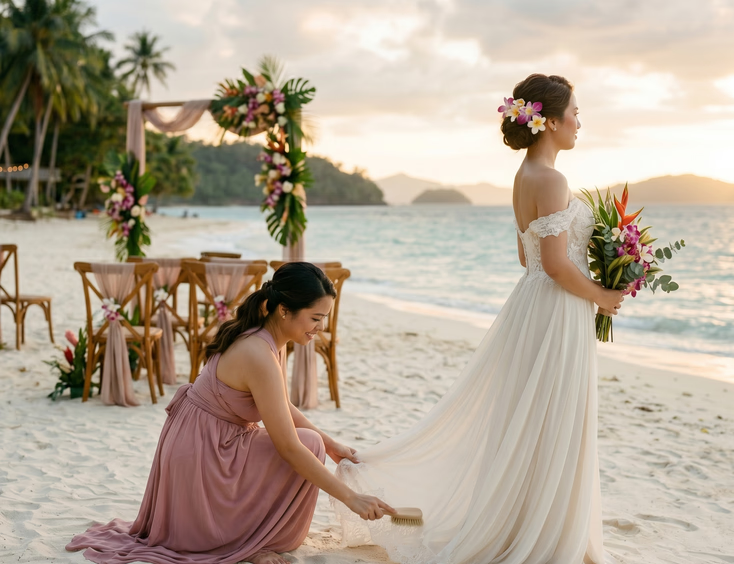
During the ceremony: Assign someone (your maid of honor or a coordinator) to manage your hemline. Even a sweep train benefits from someone brushing off sand between the processional and the vows. Bring a small spray bottle of fresh water to mist your face and neck between photos.
After the ceremony: Brush off sand before it dries into the fabric weave. Fold the gown loosely in a breathable garment bag. Do not seal it in plastic while damp. Salt and moisture trapped in plastic cause yellowing and mildew. Take the gown to a professional cleaner within a week of the wedding.
Accessories That Work on the Beach
Beach ceremony accessories follow a different set of rules than church accessories.
Skip the cathedral veil. Wind will wrap it around your face, your groom, and your officiant. A fingertip veil or birdcage veil stays manageable. Many beach brides skip the veil altogether and opt for a flower crown, hair comb, or fresh tropical flowers in their hair.
Go barefoot or wear flat sandals. Heels sink into sand. Wedge sandals with a wide base are the most stable option if you want height. Block heels also work on packed sand near the waterline.
Choose waterproof or water-resistant jewelry. Salt air tarnishes silver and dulls certain metals. Freshwater pearls, gold-plated stainless steel, or resin accessories hold up better than sterling silver or plated brass.
Bring a cover-up for the reception. If your reception moves indoors to an air-conditioned venue, the temperature drop from the beach will hit you. A light shawl, lace kimono, or bolero keeps you warm during the transition.
What to Discuss with Your Designer or Supplier
When you meet with a bridal designer or supplier for a beach gown, bring these specifics to the consultation.
Tell them your exact venue and ceremony time. A 10 AM ceremony in Boracay demands different fabric choices than a 4 PM sunset ceremony in Palawan. Share the sand type (fine or coarse) if you know it.
Ask about lining. A lined gown gives you structure but adds heat. An unlined chiffon or crepe gown is cooler but may be more transparent. Your designer can add strategic lining (bodice and hips) while leaving the skirt unlined.
Discuss movement. Ask to walk in the gown during your fitting. Take wide steps, sit down, kneel, and twist. These movements will happen on your wedding day. If the gown restricts any of them, you need adjustments.
If you want your gown to match a specific venue or setting, our guide on choosing a wedding gown that matches your venue covers church, garden, ballroom, and beach options.
Find Your Beach Wedding Gown
You now know which fabrics, silhouettes, hemlines, and details work for a Philippine beach wedding. The next step is finding a designer or supplier who specializes in lightweight, beach-ready bridal gowns.
Browse wedding gown and dress suppliers in the Philippines to compare options, request quotes, and connect with bridal ateliers across Metro Manila, Cebu, Davao, and beyond.
Still Searching for a Right Match?
Find Your Perfect Wedding Supplier Today!
Discover trusted wedding suppliers across the Philippines in our complete directory. Compare services and connect with the ones that fit your dream celebration.
Browse Wedding SuppliersFeatured Blog Posts


Filipino Wedding Entourage - Roles, Order of March, and Modern Etiquette
6 mins readCivil Weddings in the Philippines - Requirements, Costs, and Step-by-Step Process
9 mins readCivil Wedding Requirements in the Philippines - Complete Checklist
6 mins readCost of Wedding in the Philippines - 5 Essential Things You Need to Know
7 mins readPrincipal Sponsors (Ninong/Ninang) - How Many, How to Ask, What They Really Do
4 mins readVeil, Cord, Candle & Coins - Roles, Options, and When They Happen
4 mins readEntourage for a Traditional Pinoy Wedding - Complete Roles and Guide
6 mins readComplete List of Civil Wedding Requirements in the Philippines
8 mins readHow to Choose Wedding Ninongs and Ninangs - Ask Yourself These 3 Important Questions
5 mins read