


Choosing Your Wedding Gown in the Philippines: From Traditional to Modern Filipina Bridal Looks
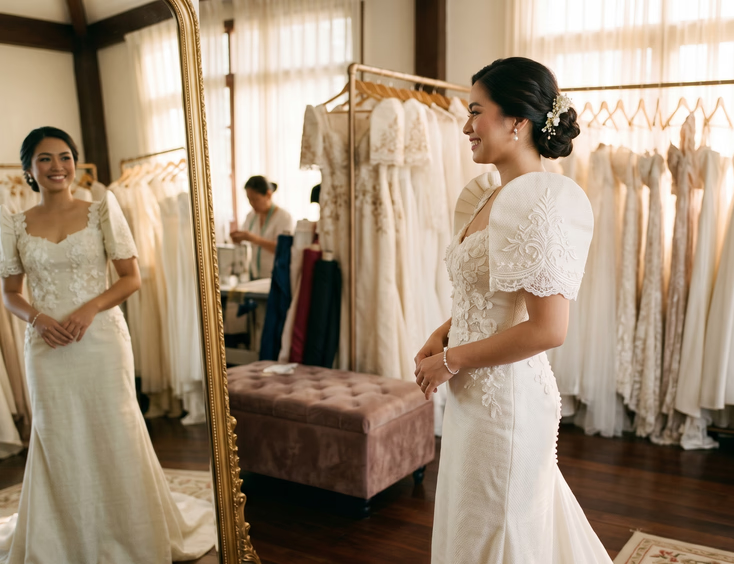
You stand in front of a mirror at a bridal atelier in Makati, pinching the fabric between your fingers. Piña? Tulle? A terno with butterfly sleeves, or a fitted Western silhouette? Filipina brides face a question their lolas and mothers did not have to consider: how far do you lean into heritage, and how much do you borrow from global bridal trends?
This guide walks you through the traditional roots of Filipino bridal fashion, the fabrics that define it, and the modern options available to you right now.
The Baro't Saya and Maria Clara: Where Filipino Bridal Fashion Starts
The Filipiniana evolved over centuries, originating from the baro't saya, a pre-colonial Filipino outfit that later incorporated Spanish influences during the colonial period. The baro't saya paired a blouse (baro) with a long skirt (saya), and Spanish-era Filipinas added the pañuelo, a folded cloth draped over the shoulders.
Maria Clara gowns are elegant and conservative, often adorned with intricate designs and made from piña or jusi fabric. They take their name from the heroine of José Rizal's Noli Me Tangere. You will recognize the Maria Clara by its modest neckline, floor-length skirt, and embroidered details. Filipino designers like Rosalyn Lagdameo and Jo Rubio still produce baro't saya and Maria Clara wedding ensembles for brides who want full heritage immersion.
The Terno: Butterfly Sleeves and Filipino Pride
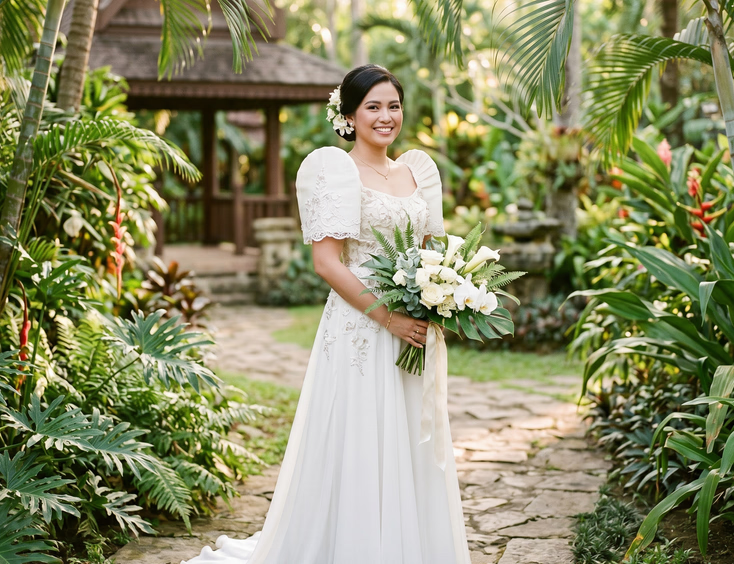
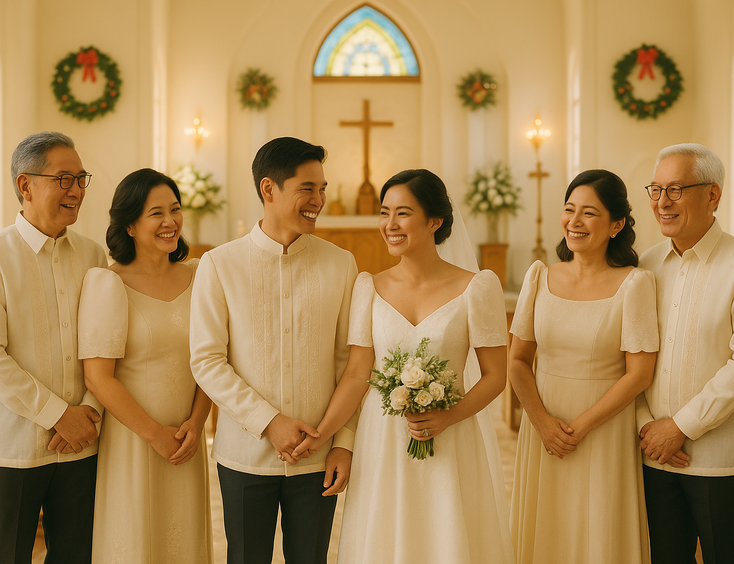
The Terno is renowned for its distinct butterfly sleeves, seamlessly integrating Filipino craftsmanship with timeless fashion. Those wide, stiffened sleeves are the visual signature of the terno and the most recognizable feature of Filipiniana bridal wear.
Modern interpretations of the Terno have made their way into contemporary Filipino weddings, blending traditional elements with modern styles. Designers have reimagined the Terno to suit today's fashion sensibilities, incorporating various fabrics, patterns, and cuts while preserving the signature sleeves.
You can now find ternos in mermaid silhouettes, tea-length cuts, and even jumpsuit versions. Designers like Cary Santiago and Mark Bumgarner produce terno bridal collections that feel current without losing the butterfly sleeve. Some designers even sell terno-style jumpsuits or off-shoulder butterfly sleeve evening gowns that are redefining evening attire.
Filipino Bridal Fabrics: Piña, Jusi, and Organza
Fabric choice shapes the entire look and feel of your wedding gown. The three textiles you will encounter most in Filipino bridal fashion each carry a different weight, price point, and character.
Piña is the premium option. The piña cloth is made from the fibers refined from pineapple leaves. In an intricate manner, the fibers are extracted by hand and woven using a loom. Piña cloth is expensive and is thus the fabric of choice for the elite; for those who are very particular about attire worn during very special occasions; and for those who know that the finished product can become a family heirloom. Its natural off-white color gives bridal gowns a warm, vintage tone.
Jusi offers a softer price tag. Originally made from banana fibers, modern jusi may be blended with silk or other synthetic materials. It has a semi-transparent appearance with a soft, natural sheen, similar to piña but less expensive. Smooth, light, and more flexible than piña, making it more comfortable. More affordable than piña, while still offering a refined, traditional look.
Organza works as a synthetic alternative. It gives a gown structure and crispness. Both piña and jusi are light as air and allow the garments (and the wearer) to breathe, which is often essential in the heat and humidity of the Philippines. Many designers blend these fabrics, using piña on the bodice for texture and organza for the skirt to manage cost.
Choosing the Right Silhouette for Your Body
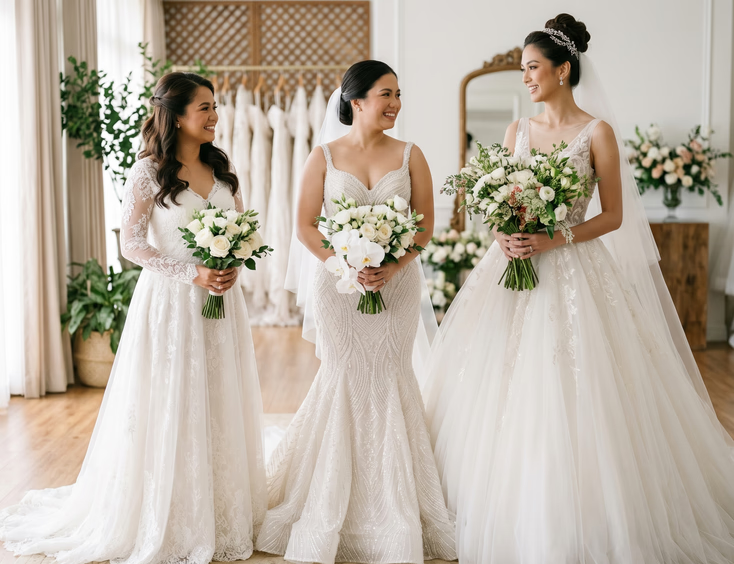
Your gown's silhouette matters as much as its fabric. A ball gown creates a different visual story than a mermaid cut, and your frame, your comfort level, and your venue all play into this decision.
Filipina brides tend to be petite, and certain silhouettes elongate the frame better than others. An A-line gown suits most body types. A mermaid cut highlights curves. A ball gown adds drama in a cathedral or ballroom setting.
If you are weighing these options, read our detailed guide on wedding dress silhouettes for Filipina brides. It breaks down each cut by body type, height, and comfort.
Gowns for the Filipino Church Wedding
The bride's dress and that of the entourage should be designed as to cover the shoulders and the back. Catholic parishes across the Philippines enforce modesty guidelines during the ceremony. Ladies wearing dresses with plunging or revealing necklines or backless attires will not be allowed to enter the church.
You can meet these requirements and still wear a striking gown. Most parishes prefer covered shoulders and a refined neckline for the exchange of vows. A lace bolero, mantilla, or detachable cape keeps you ceremony-ready while allowing a lighter look at the reception.
Long sleeves made from lace or piña give you coverage that photographs well under the nave's natural light. For a full breakdown of options, explore our guide to long-sleeve wedding gowns for traditional Filipino church weddings.
Beach Wedding Gowns for Philippine Weather
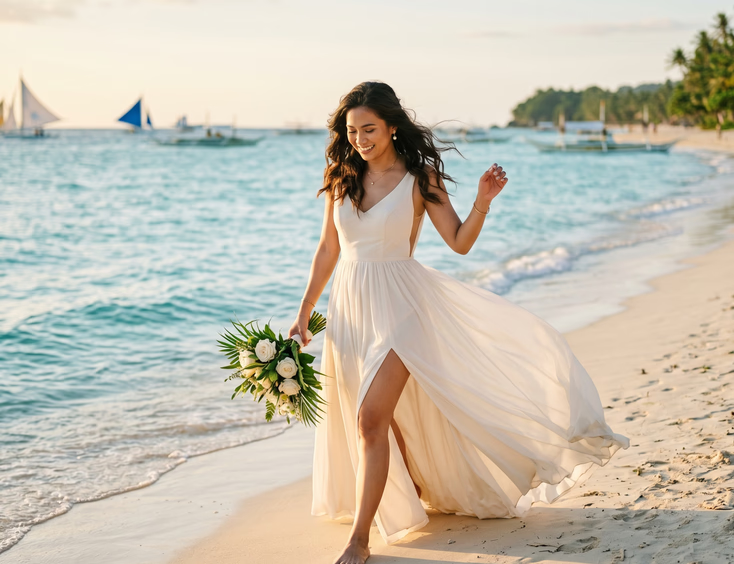
Philippine beach weddings run under direct sun, high humidity, and unpredictable coastal wind. A heavy ball gown with layers of tulle will weigh you down before the vows start.
Light fabrics like chiffon, crepe, and organza keep you cool. Shorter hemlines or high slits prevent sand from catching in the train. If you are planning a ceremony on the shore in Boracay, Palawan, or Batangas, you need a gown built for the conditions.
We cover specific fabric, silhouette, and styling advice in our guide to beach wedding gowns that work in Philippine heat and humidity.
Matching Your Gown to Your Venue
A gown that commands a cathedral aisle may feel overdone in a garden. A flowing chiffon dress that photographs well on the beach may lack structure in a hotel ballroom. Your venue shapes your gown decision more than most brides expect.
Church weddings favor structured gowns with trains. Garden ceremonies reward movement and lighter fabrics. Ballroom receptions call for embellished, statement pieces. For a venue-by-venue breakdown, read our guide on how to choose a wedding gown that matches your venue.
The Modern Filipina Bride: Blending Heritage and Personal Style
In 2026, Filipino fashion is about how culture and modern fashion go hand in hand. Many couples customize their attire to mix old and new traditions by experimenting with different fabrics, colors, and designs to create a modern interpretation of traditional garments.
You can wear a Western ball gown with piña fabric on the bodice. You can add detachable butterfly sleeves to a minimalist crepe dress. Many brides layer a Filipiniana bolero over their gown for a special photo moment, while others change into a white Filipiniana dress for their reception or after-party. You can also commission custom Baybayin embroidery or heritage beadwork to personalize a contemporary silhouette.
Bridal separates continue to rise in popularity for 2026. From tops and skirts to corsets and overskirts, this trend allows brides to create a look that is their own. Separates are perfect for brides who want versatility and allow for multiple looks throughout the day. A terno bolero over a minimalist slip dress gives you two looks from one ensemble.
Start Browsing Gowns and Dresses Suppliers
You now have a map of Filipino bridal fashion, from the baro't saya to the modern terno, from piña to organza. The next step is finding the right designer or supplier to bring your vision together.
Browse wedding gown and dress suppliers in the Philippines to compare options, request quotes, and connect with bridal ateliers across Metro Manila, Cebu, Davao, and beyond.
Still Searching for a Right Match?
Find Your Perfect Wedding Supplier Today!
Discover trusted wedding suppliers across the Philippines in our complete directory. Compare services and connect with the ones that fit your dream celebration.
Browse Wedding SuppliersFeatured Blog Posts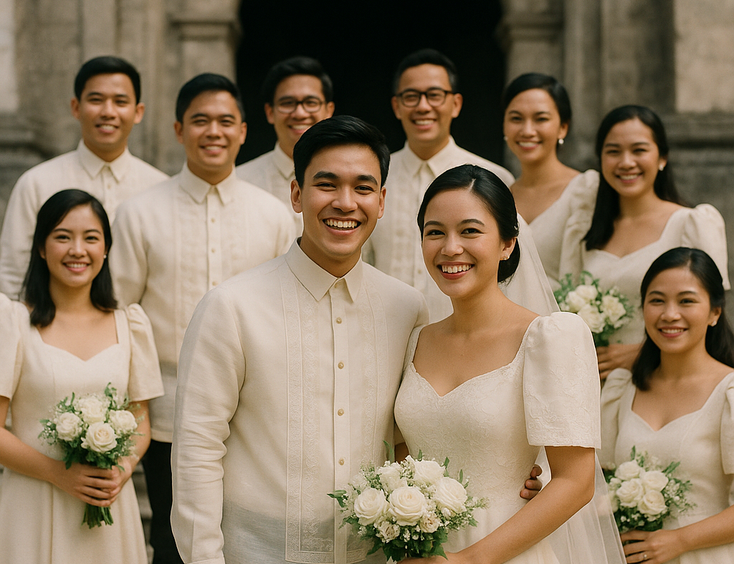

Filipino Wedding Entourage - Roles, Order of March, and Modern Etiquette
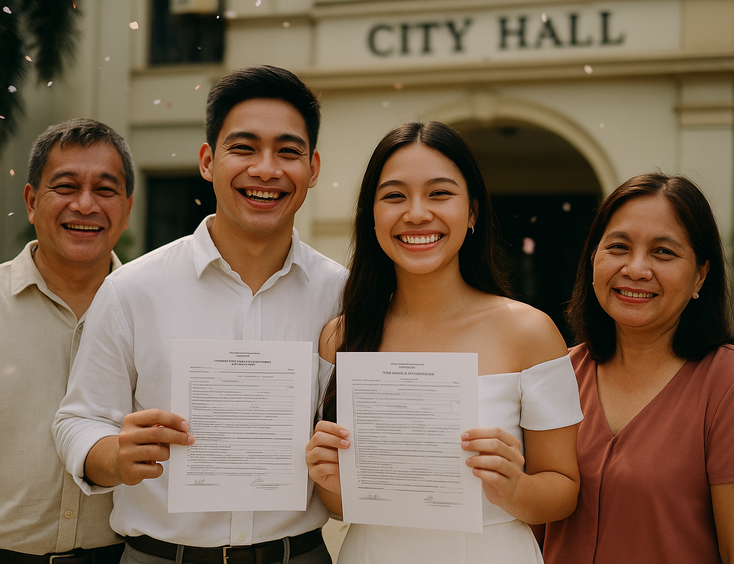
6 mins readCivil Weddings in the Philippines - Requirements, Costs, and Step-by-Step Process
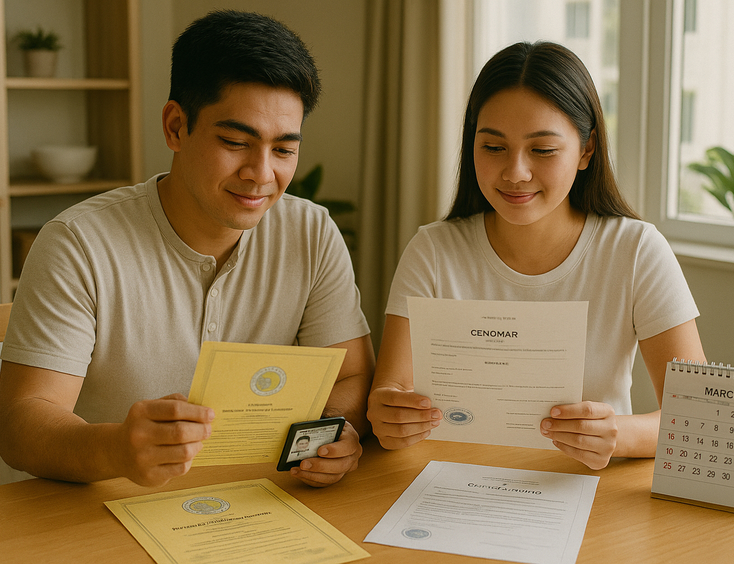
9 mins readCivil Wedding Requirements in the Philippines - Complete Checklist
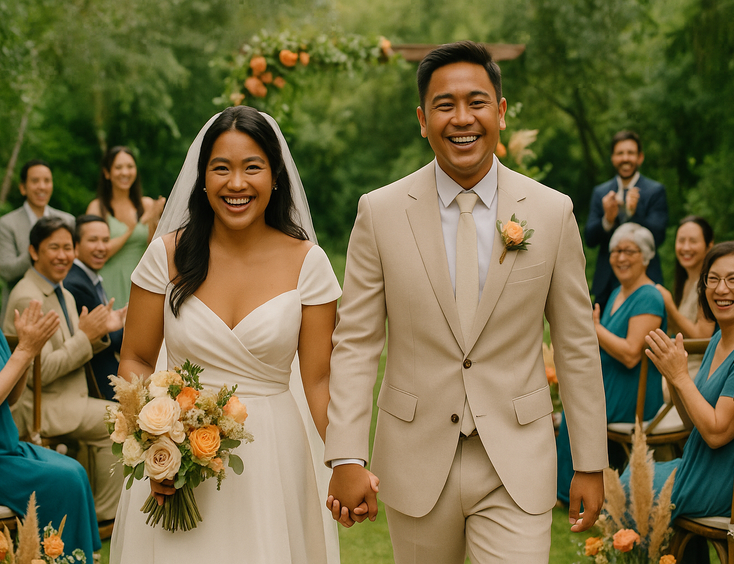
6 mins readCost of Wedding in the Philippines - 5 Essential Things You Need to Know
7 mins readPrincipal Sponsors (Ninong/Ninang) - How Many, How to Ask, What They Really Do
4 mins readVeil, Cord, Candle & Coins - Roles, Options, and When They Happen
4 mins readEntourage for a Traditional Pinoy Wedding - Complete Roles and Guide
6 mins readComplete List of Civil Wedding Requirements in the Philippines
8 mins readHow to Choose Wedding Ninongs and Ninangs - Ask Yourself These 3 Important Questions
5 mins read