


Modest Yet Stunning: Long-Sleeve Wedding Gowns for the Traditional Filipino Church Wedding
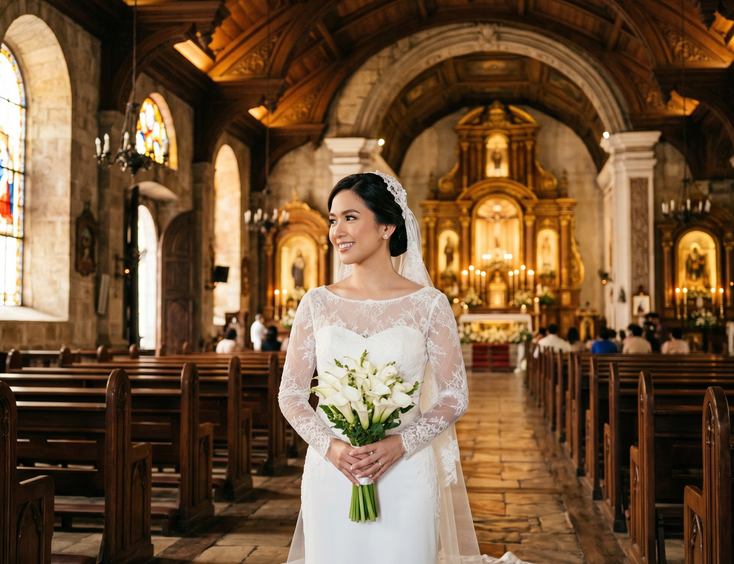
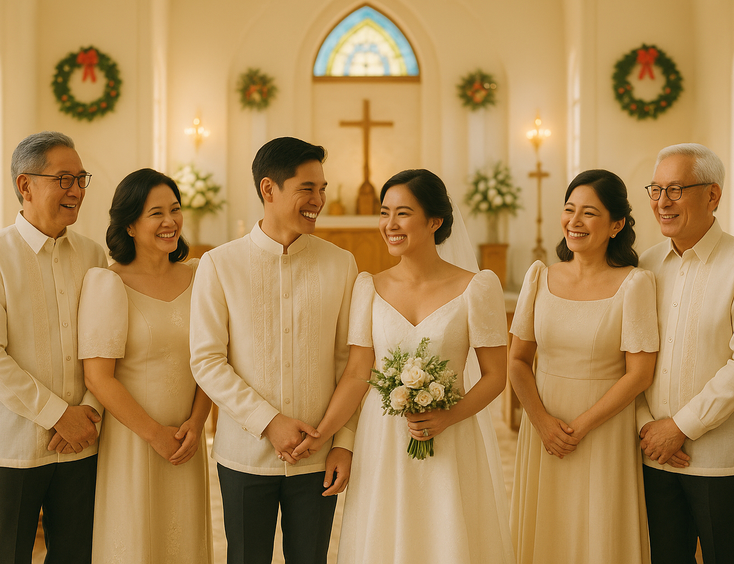
Your ninang pulled you aside at your cousin's wedding and whispered, "Ha, make sure your gown covers your shoulders. Father won't let you in otherwise." She was not exaggerating. Catholic parishes across the Philippines enforce dress codes during the ceremony, and the bride is not exempt. Shoulders, back, and chest need coverage inside the church.
Long-sleeve wedding gowns solve this requirement without forcing you into a shapeless dress. The right sleeve design adds structure, frames your face, and photographs well under stained glass and candlelight. This guide covers sleeve styles, fabrics, parish guidelines, and how to stay cool inside a non-air-conditioned Filipino church.
Why Filipino Church Weddings Require Modest Gowns
Parish wedding coordinators in the Philippines review bridal attire before the ceremony. The rules vary by diocese, but the standard expectation is consistent: cover the shoulders, avoid plunging necklines, and keep the back covered during the rites.
Some parishes in Metro Manila, Cebu, and Davao provide written guidelines months before the wedding date. Others communicate the rules during your pre-wedding seminar (the Pre-Cana or Catholic Engaged Encounter). A few enforce the policy at the church entrance on the day itself.
Brides who show up in strapless or backless gowns face two options: wear a cover-up provided by the parish, or delay the ceremony. Neither is what you want on your wedding day. Planning your sleeves from the start removes that risk.
Sleeve Styles That Work for a Church Ceremony
Long sleeves come in a range of styles. Each creates a different look on your frame and handles Philippine heat differently.
Sheer lace sleeves are the most popular choice for Filipino church weddings. The lace gives you full arm coverage while letting skin show through the pattern. From the pews, the effect is elegant and soft. In photos, lace sleeves catch light and add texture to your arms without bulk.
Illusion sleeves use a nude or skin-toned mesh as the base, with lace appliqués or beadwork placed on top. The sleeve appears to float on your skin. Illusion sleeves feel lighter than full lace because the mesh is thinner, making them a strong option for warm churches.
Bishop sleeves are loose, billowy sleeves that gather at the wrist with a cuff. They add volume and drama to your upper body. Bishop sleeves work well on brides with narrow shoulders who want to create width, and they allow airflow because the fabric is not pressed against your skin.
Piña or jusi sleeves tie your gown to Filipino heritage. Piña fiber is lightweight, semi-transparent, and carries a natural sheen that looks stunning under church lighting. A gown with a Western silhouette and piña long sleeves gives you a modern look with a Filipino accent. Jusi offers a similar effect at a lower price point.
Butterfly terno sleeves are a bolder option. The structured, wide sleeves of the terno command attention and fill the frame in photos. A terno-inspired long sleeve is not a subtle choice, but it makes a statement in a cathedral setting.
For a full overview of piña, jusi, and other Filipino bridal fabrics, read our guide on choosing your wedding gown in the Philippines.
Lace Types for Long-Sleeve Bridal Gowns
Not all lace is the same. The type of lace on your sleeves affects how the gown looks, feels, and breathes.
Chantilly lace features delicate floral patterns with a fine, soft texture. It drapes well on the arm and does not feel stiff. Chantilly is a strong choice for brides who want a romantic, vintage feel.
Alencon lace is heavier, with raised patterns outlined by cord. It creates a more structured, formal sleeve. Alencon works in air-conditioned hotel chapels and large cathedrals where the formality matches the space.
Guipure lace has a bolder, more graphic pattern with no mesh backing. The open spaces between motifs allow ventilation, which makes guipure a practical option for warm churches. The look is more modern and clean compared to Chantilly.
Embroidered tulle is not lace in the traditional sense, but many Filipino designers use it as a sleeve material. Tulle with hand-embroidered floral or vine motifs gives you a lighter, more contemporary alternative to classic lace.
Staying Cool in a Non-Air-Conditioned Church
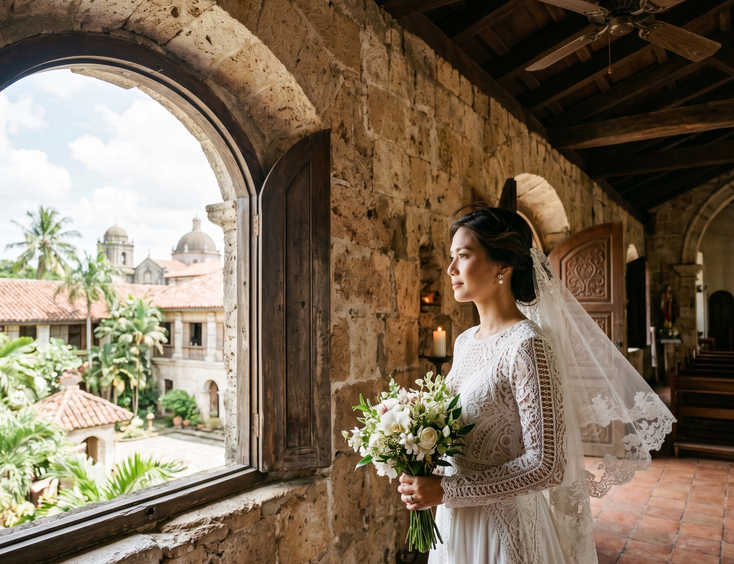
Most heritage churches in the Philippines, including San Agustin in Intramuros, Sto. Domingo in Quezon City, and Cebu Metropolitan Cathedral, do not have full air conditioning. Ceiling fans and open windows are the primary ventilation. On a dry-season wedding day, temperatures inside the nave can reach the mid-30s.
Long sleeves in that heat sound uncomfortable. They do not have to be.
Choose sheer or open-weave fabrics for your sleeves. Illusion mesh with scattered appliqués breathes better than full lace panels. Guipure lace with open cutwork patterns allows airflow. Piña fiber is a natural temperature regulator and does not trap heat against your skin the way polyester lace does.
Avoid satin or mikado sleeves. These fabrics do not breathe and will make your arms sweat within minutes. If you want an opaque sleeve, choose a matte crepe with lace overlay. The crepe sits lighter on the skin than satin.
Ask your designer to line the bodice with cotton or a cotton-blend rather than polyester. The lining sits against your torso and affects your comfort more than the outer fabric.
Long Sleeves on Different Silhouettes
Your sleeve style should complement your gown's silhouette. The combination affects your overall proportions.
A-line with long sleeves is the most balanced pairing. The gradual flare of the skirt offsets the visual weight of the sleeves, and the result is a clean, classic shape. This combination works on petite Filipina frames without overwhelming the body.
Ball gown with long sleeves creates a formal, dramatic look. The full skirt and covered arms give you maximum coverage, which suits large cathedral ceremonies. Watch the total fabric weight. A ball gown with heavy lace sleeves can feel burdensome during a 45-minute Catholic mass.
Mermaid with long sleeves is a bold combination. The fitted body and covered arms create a sleek, sophisticated silhouette. This pairing works well for brides with taller or hourglass frames. On petite brides, the combination can feel heavy. A trumpet variation with a slightly higher flare helps balance the proportions.
Not sure which silhouette fits your frame? Read our guide on which wedding dress silhouette is right for your body type as a Filipina bride.
Detachable Sleeves: Church Coverage, Reception Freedom
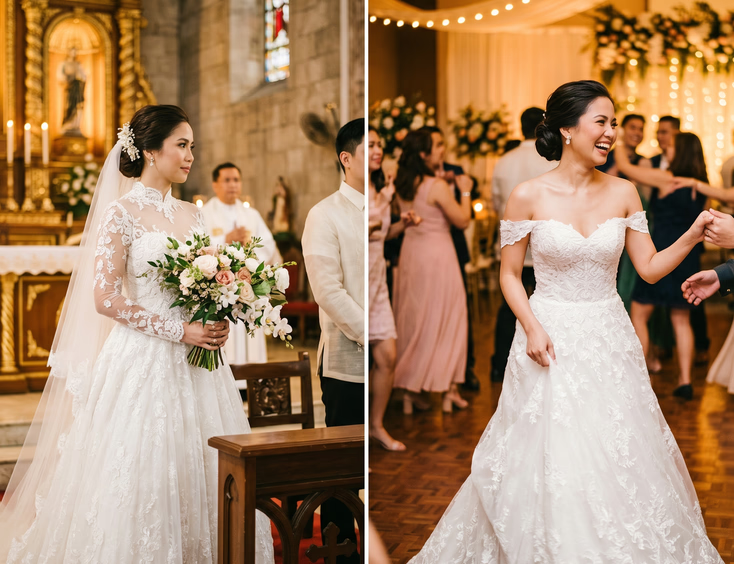
You do not have to wear long sleeves all day. Detachable sleeves give you church-appropriate coverage during the ceremony and a lighter look at the reception.
Filipino designers build detachable sleeves using buttons, hooks, or hidden zippers at the shoulder seam. You wear the sleeves for the processional, the vows, and the church photos. After the ceremony, your coordinator or maid of honor helps you remove them. In under a minute, your gown transforms from a long-sleeve cathedral look to a strapless, off-shoulder, or cap-sleeve reception dress.
Detachable lace boleros work the same way. A bolero sits over your gown like a cropped jacket. It covers your shoulders and arms for the church, then comes off for the party. Boleros are easier to add to an existing gown if you have already purchased a strapless or sleeveless dress and need to meet parish guidelines.
Detachable sleeves also reduce your total cost. Instead of commissioning two separate gowns (ceremony and reception), you invest in one gown with a removable element.
Neckline Pairings for Modest Long-Sleeve Gowns
Your neckline and sleeves work together to frame your face and set the tone of the gown.
High neck with long sleeves gives you the most conservative look. This combination suits formal cathedral weddings and brides who want full coverage. A high-neck illusion panel with lace detailing keeps the look elegant rather than restrictive.
Bateau (boat neck) with long sleeves follows the collarbone from shoulder to shoulder. The wide, horizontal line of the bateau balances the vertical length of the sleeves. This pairing is refined and photographs well from the front.
V-neck with long sleeves adds a visual break in the coverage. The V draws the eye downward and elongates your torso, which helps petite Filipina brides gain visual height. A modest V (not a plunging neckline) meets parish requirements while creating a more contemporary feel.
Sweetheart with long sleeves is a romantic combination. The curved neckline softens the structured look of the sleeves. If your parish requires shoulder coverage, an illusion panel from the sweetheart neckline to the shoulder connects the sleeve to the bodice.
Matching Your Gown to Your Specific Church
Not all Filipino churches carry the same atmosphere. The size, lighting, and architecture of your parish should influence your sleeve design and fabric choice.
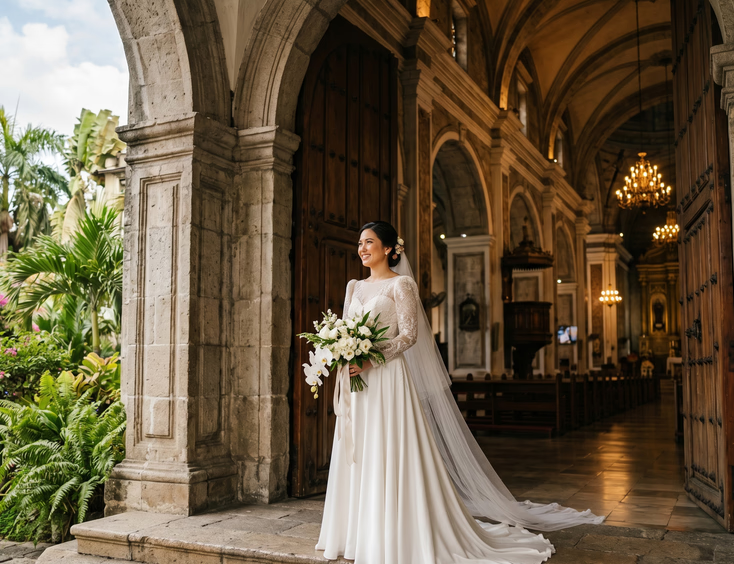
Large cathedrals (Manila Cathedral, San Sebastian Basilica, Cebu Metropolitan Cathedral) have high ceilings, long aisles, and dramatic lighting. Structured sleeves with heavier lace or beadwork hold their own in these spaces. Bishop sleeves or terno-inspired sleeves fill the visual frame in a wide nave.
Smaller parish churches have shorter aisles and lower ceilings. Delicate, sheer sleeves in Chantilly lace or illusion mesh suit the intimate scale. Oversized sleeves can overwhelm a small space.
Heritage churches (San Agustin, Paoay Church, Miagao Church) have warm stone interiors and natural light from narrow windows. Piña or jusi sleeves complement the warm, earthy tones of these venues. The natural fiber picks up the amber light inside old stone walls.
If you are still matching your gown to your venue, our guide on choosing a gown that matches your venue covers church, garden, ballroom, and beach settings in detail.
Budgeting for Long-Sleeve Bridal Gowns in the Philippines
Long sleeves add cost to a wedding gown. The additional fabric, lace, and construction time increase the price compared to a strapless or sleeveless design.
A custom long-sleeve gown from a mid-range Filipino designer runs between ₱35,000 and ₱80,000, depending on the lace type and beadwork. Piña sleeves push the price higher because of the fabric cost. Imported lace (French Chantilly or Italian guipure) also raises the total.
Detachable sleeves or a bolero cost between ₱5,000 and ₱20,000 as an add-on to an existing gown. This route is more affordable if you already own or plan to rent a sleeveless dress.
Renting a long-sleeve gown costs between ₱15,000 and ₱40,000 at most Metro Manila bridal shops. Rental gowns limit your customization options, but they cut the total investment.
Find Your Long-Sleeve Wedding Gown
You now know which sleeve styles, fabrics, lace types, and necklines work for a Filipino church wedding. The next step is connecting with a designer or supplier who can build or fit your gown.
Browse wedding gown and dress suppliers in the Philippines to compare bridal ateliers, request quotes, and book your first consultation across Metro Manila, Cebu, Davao, and other locations.
Still Searching for a Right Match?
Find Your Perfect Wedding Supplier Today!
Discover trusted wedding suppliers across the Philippines in our complete directory. Compare services and connect with the ones that fit your dream celebration.
Browse Wedding SuppliersFeatured Blog Posts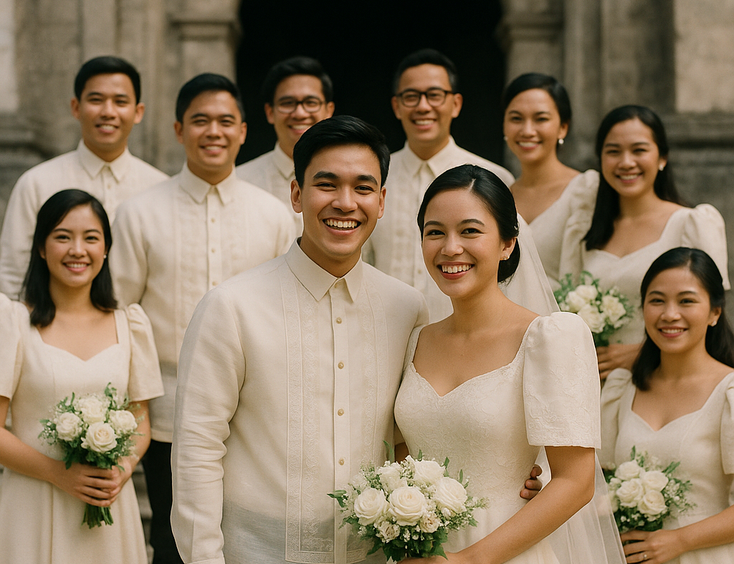
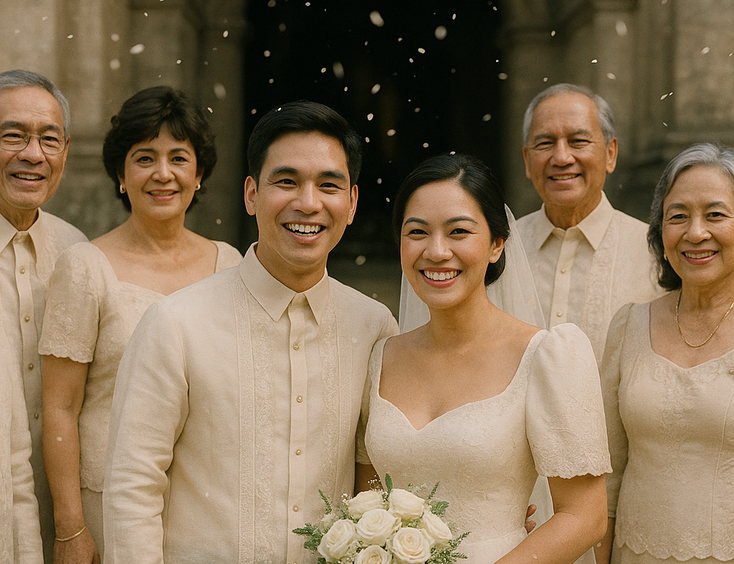
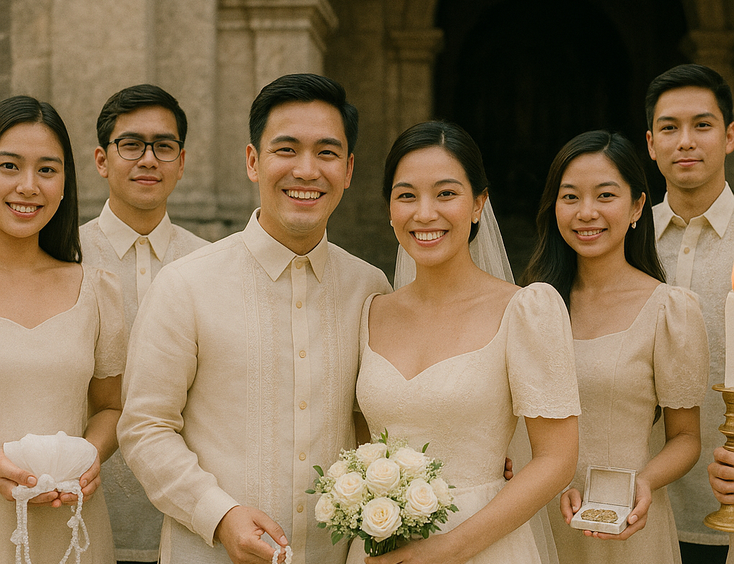

Filipino Wedding Entourage - Roles, Order of March, and Modern Etiquette
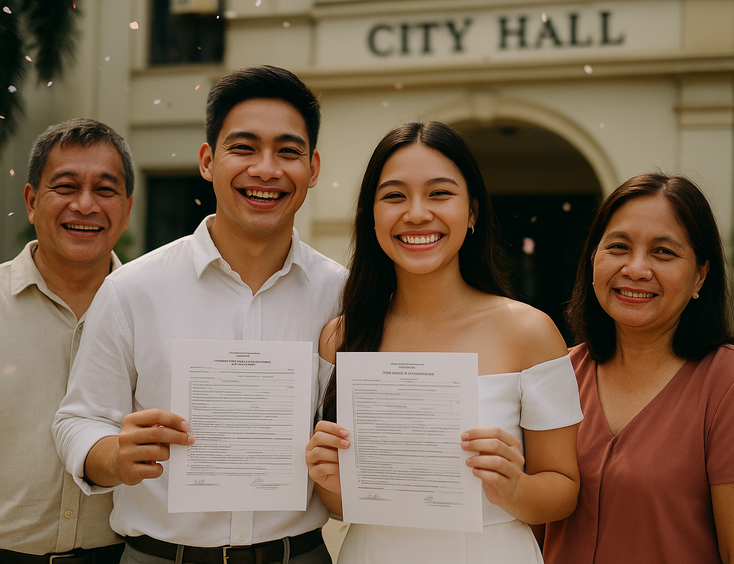
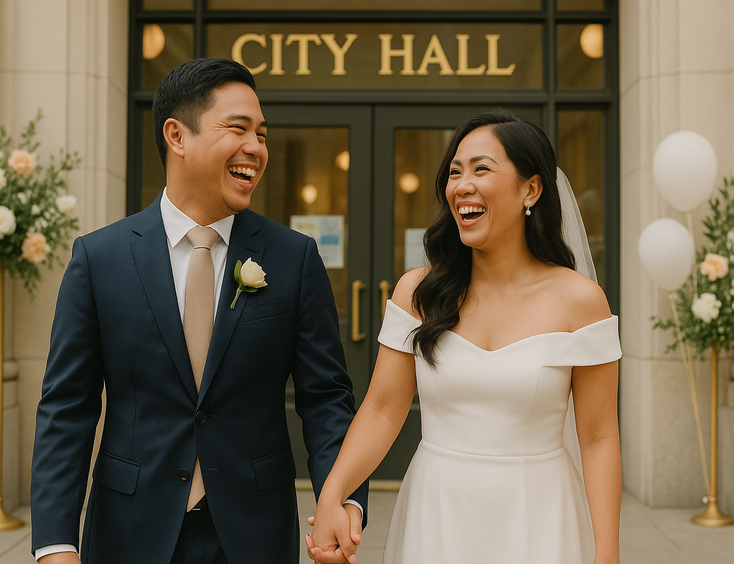
6 mins readCivil Weddings in the Philippines - Requirements, Costs, and Step-by-Step Process
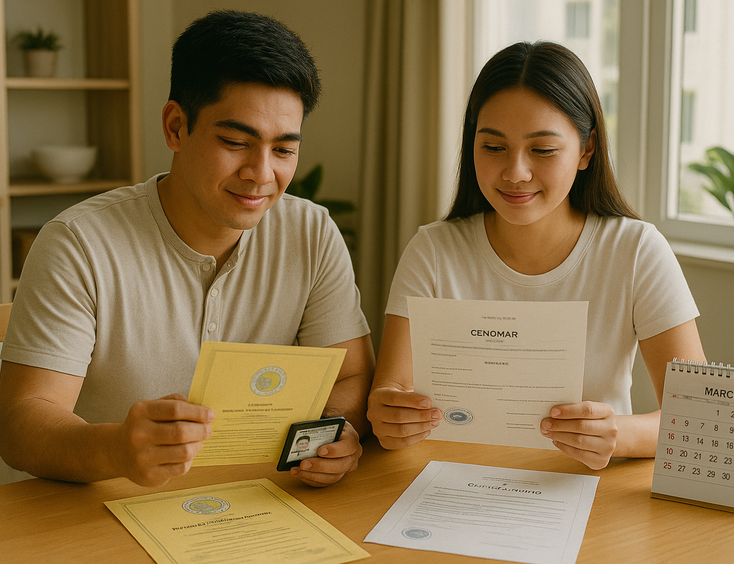
9 mins readCivil Wedding Requirements in the Philippines - Complete Checklist
6 mins readCost of Wedding in the Philippines - 5 Essential Things You Need to Know
7 mins readPrincipal Sponsors (Ninong/Ninang) - How Many, How to Ask, What They Really Do
4 mins readVeil, Cord, Candle & Coins - Roles, Options, and When They Happen
4 mins readEntourage for a Traditional Pinoy Wedding - Complete Roles and Guide
6 mins readComplete List of Civil Wedding Requirements in the Philippines
8 mins readHow to Choose Wedding Ninongs and Ninangs - Ask Yourself These 3 Important Questions
5 mins read