


How to Choose a Color Palette for Your Filipino Wedding Entourage
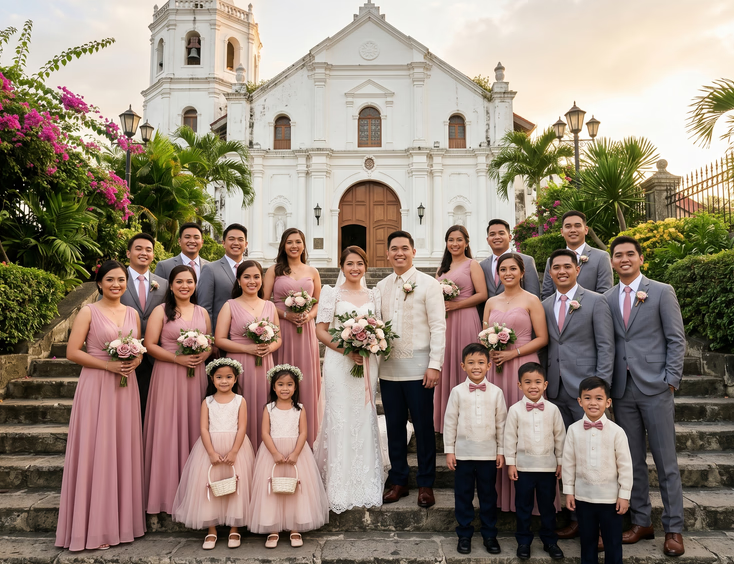
Your wedding color palette affects every visual decision that follows. It determines what the bridesmaids wear, what the groomsmen match, what the flower girls carry, and what the bearer boys look like walking down the aisle. In a Filipino wedding, where the entourage can include principal sponsors, secondary sponsors, bridesmaids, groomsmen, flower girls, ring bearers, coin bearers, bible bearers, and cord bearers, the color palette does heavy lifting.
Choosing the wrong palette creates a visual mess. Choosing the right one ties a 20-person entourage into a single, cohesive frame. This guide walks you through how to pick colors that work for your venue, your season, your entourage size, and the Philippine climate.
Start With the Venue
The venue sets the visual backdrop for your entourage. Your color palette should complement it, not compete with it.
Churches and cathedrals have dark wood, stained glass, and warm interior lighting. Rich tones like burgundy, navy, emerald, and deep plum photograph well against these backdrops. Pastels can wash out under dim church lighting unless the church has white walls and natural light.
Garden and outdoor venues feature greens, browns, and natural textures. Earthy tones like sage, terracotta, dusty rose, and olive blend with the surroundings. Bright or neon colors clash against foliage.
Beach venues reflect sunlight and sand. Light, airy colors work best: soft blue, seafoam, blush, champagne, and ivory. Dark colors absorb heat and look heavy against a bright, open backdrop.
Hotel ballrooms offer controlled lighting and neutral interiors. You have more flexibility here. Bold jewel tones, soft pastels, and metallics all work depending on the ballroom's color scheme.
Walk through your venue before choosing colors. Take photos at the same time of day as your ceremony. Look at how light hits the walls, the floor, and the altar area. Those photos become your reference point.
Consider the Season and Weather
The Philippines has two main seasons: dry (November to May) and wet (June to October). The season affects both color choices and fabric behavior.
Dry season weddings (November to May) allow for a wider color range. Deeper tones like maroon, forest green, and navy hold up in the bright, direct sunlight of summer months. Metallics and jewel tones also work well for December and January weddings, when the air is cooler and the light is softer.
Wet season weddings (June to October) benefit from colors that photograph well under overcast skies. Muted tones like dusty blue, mauve, sage, and taupe look sophisticated in flat, diffused light. Bright whites and very light pastels can look gray or dull under cloud cover.
The heat matters too. Dark-colored fabrics absorb more sunlight. If your ceremony is outdoors in April or May, lighter shades keep your entourage cooler. Your bridesmaids in climate-appropriate dress styles will thank you for choosing sage over black.
Factor In Your Entourage Size
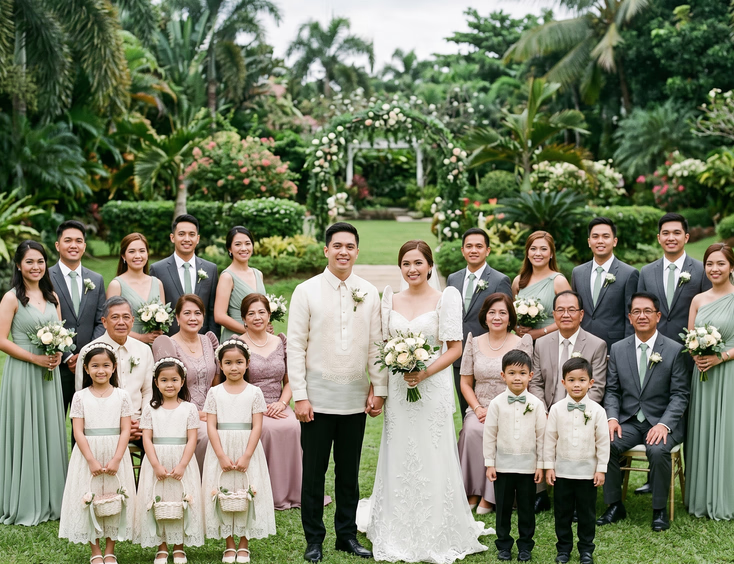
Filipino wedding entourages are large. A typical Catholic ceremony can include six to eight principal sponsors, four to six secondary sponsors, four to eight bridesmaids, the same number of groomsmen, two to four flower girls, a ring bearer, a coin bearer, a bible bearer, and a cord bearer. That can add up to 30 or more people in your entourage.
A large entourage wearing one bold color creates a wall of that color in photos. Thirty people in bright red overwhelms the couple. Thirty people in sage gives the couple room to stand out.
Strategies for large entourages:
- Use softer, muted shades as your base. Dusty rose, sage, champagne, and slate blue recede in photos and let the bride and groom take center stage.
- Add pops of a bolder accent color through accessories. The bridesmaids wear dusty rose dresses. The groomsmen wear gray suits with dusty rose ties. The bearer boys wear cream barongs with dusty rose bow ties. One color, three different applications.
- Assign different shades within the same color family. The bridesmaids wear four different shades of blue, from powder to navy. This avoids a uniform look and adds visual depth.
For smaller entourages of 10 to 15 people, you have more room for saturated colors. A group of four bridesmaids in emerald green looks striking rather than overwhelming.
Pick a Color Scheme Structure
You're not picking one color. You're building a system. The structure you choose determines how your palette plays out across the entourage.
Monochromatic: One color in multiple shades. Example: blush, rose, and burgundy. The bridesmaids wear different shades. The groomsmen wear suits in a neutral that complements the range. This approach is forgiving because every shade belongs to the same family.
Analogous: Two to three colors that sit next to each other on the color wheel. Example: peach, coral, and dusty pink. Or sage, olive, and eucalyptus. These palettes feel organic and warm. They work well for garden and rustic venues.
Complementary: Two colors from opposite sides of the color wheel. Example: navy and gold. Or burgundy and sage. High contrast creates a more formal, dramatic look. Reserve this for cathedral or ballroom weddings.
Neutral plus accent: A neutral base (ivory, champagne, gray, or taupe) with one accent color. Example: the entourage wears champagne, and the bridesmaids carry bouquets with deep burgundy flowers. This keeps the visual noise low and lets one color do the talking.
Assign Colors by Role
Not everyone in the entourage wears the same shade. Assigning colors by role creates visual hierarchy and helps guests identify who's who.
A sample assignment:
| Role | Color |
|---|---|
| Bride | White or ivory |
| Groom | Barong or suit in cream, navy, or gray |
| Bridesmaids | Primary palette color (e.g., dusty rose) |
| Groomsmen | Neutral suit with ties in primary color |
| Principal sponsors (female) | Softer or darker shade of primary color |
| Principal sponsors (male) | Suit matching groomsmen, or barong |
| Flower girls | Lighter or softer version of bridesmaids' color |
| Ring bearer | Barong or suit coordinating with groomsmen |
| Bible, coin, cord bearers | Matching barongs or suits with accent-color bow ties |
The bearer boys should coordinate with each other and with the ring bearer. Our guide on dressing the bible bearer, coin bearer, and cord bearer kids covers specific outfit options. For the ring bearer, our guide on what the ring bearer should wear at a Filipino wedding breaks down barong, suit, and casual options.
Test Colors Against Skin Tones
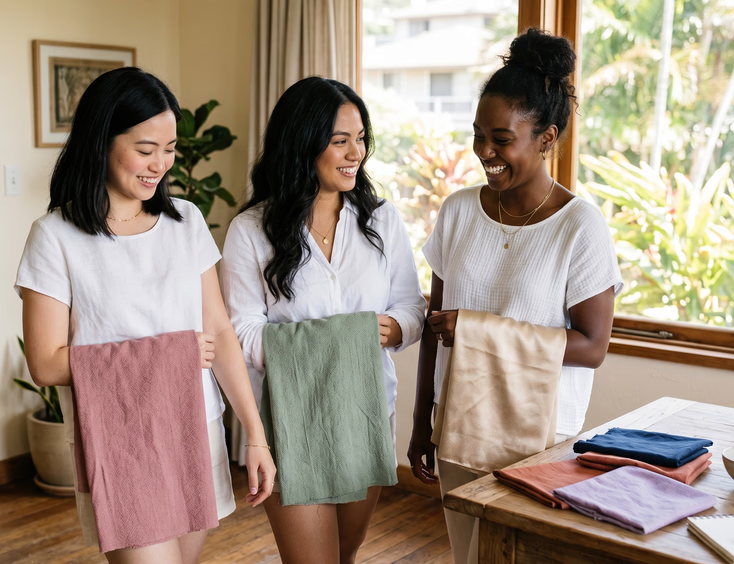
Filipino skin tones range from fair to deep brown. A color that flatters one bridesmaid may wash out another. Test your palette against the actual people wearing it.
Practical testing steps:
- Hold fabric swatches against each person's face and forearm. Do this in natural daylight, not under store fluorescents.
- Look for contrast. The fabric should create a visible contrast against the skin without making the person look dull or sallow. Warm skin tones pair well with warm colors (peach, terracotta, gold). Cool skin tones pair well with cool colors (dusty blue, lavender, silver).
- Photograph the swatches. Colors look different on camera than in person. Take test photos in lighting similar to your venue.
Colors that tend to flatter a wide range of Filipino skin tones:
- Dusty rose adds warmth without washing anyone out
- Sage green complements both warm and cool undertones
- Champagne and gold brighten warm and medium skin tones
- Navy creates strong contrast across all skin tones
- Terracotta pairs with warm, olive, and deep skin tones
Colors that can be tricky:
- Bright yellow can make warm-toned skin look sallow
- Pale lavender can wash out lighter complexions
- Neon shades overpower most skin tones in photos
If your entourage includes people with a wide range of skin tones, a muted or mid-tone palette is safer than very light or very dark shades.
Coordinate With the Couple's Attire
The bride and groom should stand out from the entourage. Your palette should frame them, not match them.
If the bride wears pure white, avoid white or ivory for the bridesmaids. Off-white, champagne, and cream are close enough to cause visual confusion in group photos.
If the groom wears a traditional ivory barong, the groomsmen can wear barongs in the same fabric with less embroidery. The groom's barong should have the most detailed needlework. The groomsmen's barongs should be simpler. The bearer boys' barongs should be simpler still. The hierarchy shows through detail, not color.
If the groom wears a navy suit, the groomsmen can match in navy or go one shade lighter. The bearer boys can wear the same shade or switch to a complementary neutral like gray.
Account for Flowers and Decor
Your entourage colors should align with your floral arrangements and ceremony decor. Mismatched colors between the bouquets and the dresses create visual friction.
Coordinate these elements:
- Bridal bouquet sets the accent color. If the bride carries burgundy and blush roses, those colors should appear somewhere in the entourage palette.
- Bridesmaid bouquets should complement, not match, the dresses. Dusty rose dresses with white and greenery bouquets create contrast. Dusty rose dresses with dusty rose bouquets blend into a single block of color.
- Boutonnieres tie the groomsmen and bearer boys to the floral palette. A single bloom from the bridal bouquet on each lapel connects the men's side to the women's side.
- Ceremony decor (pew markers, altar arrangements, aisle runners) should fall within your color family. If your venue stylist and florist are working from different palettes, the photos will show it.
Give your florist and stylist your finalized entourage palette before they source materials. A shared color reference (Pantone codes or fabric swatches) prevents mismatches.
Popular Filipino Wedding Color Palettes
These palettes appear in Filipino weddings across different venue types and seasons.
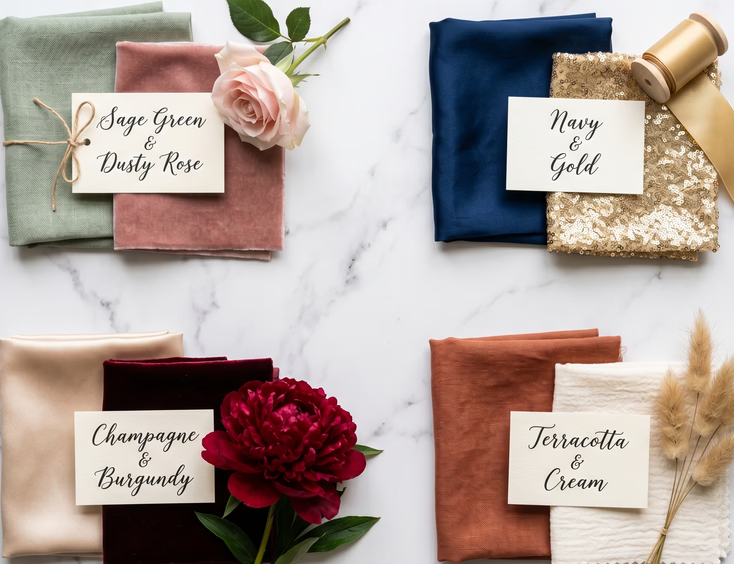
Sage and dusty rose. A soft, organic combination. The bridesmaids wear sage. The groomsmen wear gray suits with dusty rose ties. The flower girls wear blush. The bearer boys wear cream barongs with sage bow ties. Works for garden, church, and rustic venues.
Navy and gold. A classic formal palette. Bridesmaids in navy. Groomsmen in navy suits with gold pocket squares. Flower girls in ivory with gold sashes. Bearer boys in navy suits or cream barongs with gold bow ties. Best for cathedral and ballroom weddings.
Champagne and burgundy. Warm and elegant. Bridesmaids in champagne. Groomsmen in charcoal with burgundy ties. Flower girls in champagne. Bearer boys in charcoal suits or ivory barongs with burgundy accessories. Works for evening ceremonies and air-conditioned venues.
Terracotta and cream. Earthy and warm. Bridesmaids in terracotta. Groomsmen in tan suits with cream ties. Flower girls in cream with terracotta sashes. Bearer boys in tan suits or cream barongs. Best for garden, rustic, and boho-themed weddings.
All white and ivory. Clean and elegant. The entire entourage wears white or ivory in different textures and silhouettes. The bride stands out through her gown's structure and veil. This palette requires variety in fabric and cut to avoid looking like a uniform.
For a deeper comparison of warm versus cool palettes, our guide on earthy tones vs. pastels for Philippine wedding entourages covers the pros and cons of each direction.
Mistakes to Avoid
Picking colors from a screen without testing fabric. Colors on a phone or laptop look different from dyed fabric under venue lighting. Order swatches or visit a fabric store.
Choosing a trendy color without checking availability. If you pick a specific shade of mauve, confirm that your supplier can source enough fabric for all bridesmaid dresses and flower girl outfits. Running out mid-production means mismatched shades.
Ignoring the groom's side. The groomsmen, ring bearer, and bearer boys are part of the palette. If you plan the bridesmaids' dresses and leave the men's side as an afterthought, the group photos will look unbalanced.
Using too many colors. Three colors (one base, one accent, one neutral) is enough for most entourages. Four or more competing colors create visual noise.
Forgetting the flower girl and bearer kids. These small members of the entourage appear in almost every group photo. Their outfits should connect to the palette. Our guides on flower girl dress ideas for Filipino weddings and dressing the bible bearer, coin bearer, and cord bearer kids cover kid-specific styling in detail.
Color Palette Planning Checklist
Use this to finalize your palette:
- [ ] Visit venue and take photos in ceremony-time lighting
- [ ] Identify the season and expected weather
- [ ] Count entourage members by role
- [ ] Choose a color scheme structure (monochromatic, analogous, complementary, or neutral plus accent)
- [ ] Select two to three colors
- [ ] Test swatches against entourage members' skin tones in natural light
- [ ] Photograph swatches at the venue
- [ ] Assign colors by role
- [ ] Share Pantone codes or swatches with florist, stylist, and all suppliers
- [ ] Confirm fabric availability for all dresses and outfits
- [ ] Order fabric or outfits with enough lead time for production and alterations
Find the Right Supplier
Building a cohesive entourage palette starts with finding suppliers who can deliver matching fabrics, dresses, barongs, and suits. Browse our gowns and dresses supplier directory to connect with Philippine-based designers and shops that handle everything from bridesmaid dresses to bearer boys' barongs in your chosen palette. Many offer entourage packages with fabric matching across all roles.
For a broader view of how bridesmaid outfits fit into the full Filipino wedding entourage dress plan, the pillar guide covers every role from principal sponsors to flower girls.
Still Searching for a Right Match?
Find Your Perfect Wedding Supplier Today!
Discover trusted wedding suppliers across the Philippines in our complete directory. Compare services and connect with the ones that fit your dream celebration.
Browse Wedding SuppliersFeatured Blog Posts


Filipino Wedding Entourage - Roles, Order of March, and Modern Etiquette
6 mins readCivil Weddings in the Philippines - Requirements, Costs, and Step-by-Step Process
9 mins readCivil Wedding Requirements in the Philippines - Complete Checklist
6 mins readCost of Wedding in the Philippines - 5 Essential Things You Need to Know
7 mins readPrincipal Sponsors (Ninong/Ninang) - How Many, How to Ask, What They Really Do
4 mins readVeil, Cord, Candle & Coins - Roles, Options, and When They Happen
4 mins readEntourage for a Traditional Pinoy Wedding - Complete Roles and Guide
6 mins readComplete List of Civil Wedding Requirements in the Philippines
8 mins readHow to Choose Wedding Ninongs and Ninangs - Ask Yourself These 3 Important Questions
5 mins read