


Bridesmaid Dress Styles That Work for the Philippine Climate and Weather
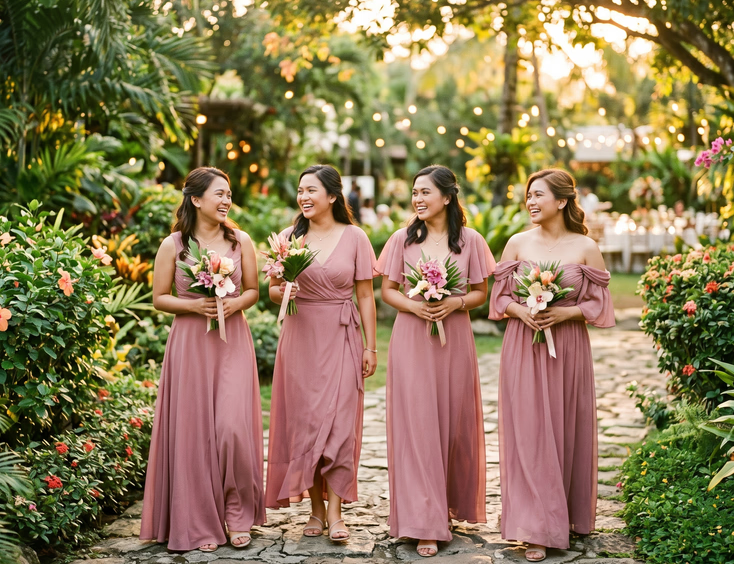
The Philippines has two seasons: dry (December to May) and wet (June to November). The dry season splits further into the cool dry months of December to February and the hot dry months of March to May. Temperatures in lowland areas stay between 25°C and 35°C for most of the year, and humidity sits above 70% in every month.
Your bridesmaids will stand in a church, pose outdoors for photos, walk across a garden or a beach, and dance at the reception. The fabric, silhouette, and length you choose will determine whether they look fresh in photos or spend the day tugging at damp fabric.
Fabrics That Survive Philippine Heat
Fabric is the single biggest factor in bridesmaid comfort. A gorgeous silhouette in the wrong material will photograph well for the first ten minutes and fall apart from there.
Chiffon
Chiffon is semi-sheer, soft, and layered for coverage. It flows with movement and catches a breeze instead of trapping heat. The fabric photographs well outdoors because it moves in ways that stiffer materials cannot. Chiffon works for beach weddings in Boracay, garden ceremonies in Tagaytay, and church weddings in Manila.
The downside: chiffon snags and tears if caught on rough surfaces. Bridesmaids wearing chiffon at outdoor venues should avoid sitting on wicker or rough stone without a barrier.
Jusi
Jusi is a Filipiniana fabric with a quiet luster and a soft drape. It is lighter than piña, costs less, and breathes well in humid conditions. For brides who want a Filipiniana entourage, jusi gives you the look of traditional Filipino dress without the weight or the price tag of pure piña.
Jusi works for both formal church weddings and garden receptions. If your bridesmaids are wearing Filipiniana gowns with butterfly sleeves, jusi holds the sleeve shape while keeping the rest of the dress airy.
Organza
Organza has more structure than chiffon but remains lightweight. It holds its shape for voluminous skirts and adds a subtle sheen that catches light in photos. Organza works for Filipiniana silhouettes that need a stiffer butterfly sleeve.
The trade-off: organza does not drape as softly as chiffon. It suits structured designs better than flowing ones.
Georgette
Georgette looks similar to chiffon but has a crinkled texture that hides small wrinkles. It drapes well, breathes, and does not cling to the body. Georgette is a strong choice for bridesmaids who will spend long hours moving between air-conditioned and outdoor spaces, since the fabric resists the crumpled look that humidity creates.
Crepe
Crepe has a matte finish with a slight texture. It holds its shape without feeling stiff and resists wrinkling better than chiffon. Crepe works for clean, modern silhouettes and photographs with depth. If your wedding leans contemporary rather than traditional Filipiniana, crepe gives bridesmaids a polished look that survives the day.
Fabrics to Avoid in Philippine Weather
Heavy satin traps heat and absorbs light, making bridesmaids feel warmer under the sun. Velvet is a cold-weather fabric with no place at a Philippine wedding unless the venue is air-conditioned from start to finish. Thick polyester linings block airflow and trap moisture. If a dress has a polyester lining, ask the dressmaker to swap it for a cotton or silk lining instead.
Silhouettes That Work Across Body Types
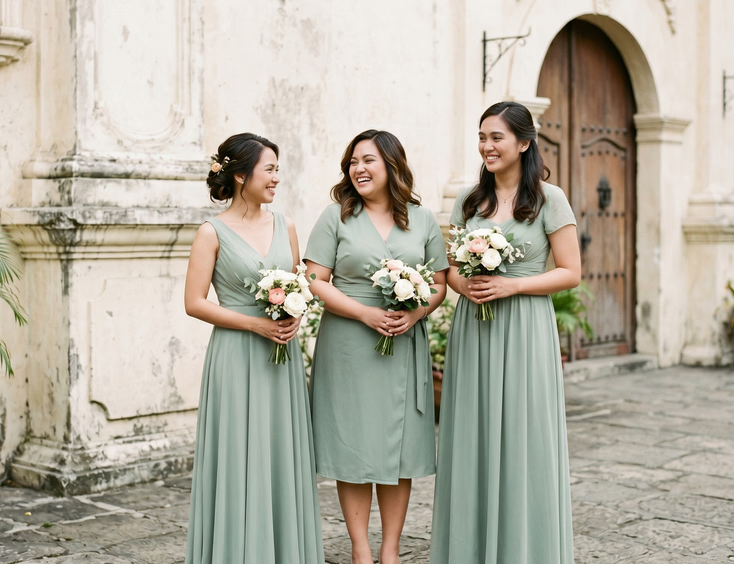
Your bridesmaids will have different body shapes, heights, and comfort levels. Choosing one rigid silhouette for the group risks making half of them uncomfortable. The smarter approach: pick a fabric and color, then approve two or three silhouettes that your bridesmaids can choose from.
A-Line
An A-line skirt flares from the waist or hip and skims over the widest part of the body without clinging. It creates proportion by balancing the torso and lower body. If you ask your bridesmaids to pick their own style and want one silhouette that covers the widest range of body types, A-line is the safest default.
In chiffon or jusi, an A-line dress moves with Philippine breezes and keeps its shape in humidity.
Wrap
A wrap silhouette creates a diagonal V-neckline that lengthens the torso. The adjustable fit accommodates different bust sizes and waistlines within the same design. Faux wraps with fixed draping give you the same look with more consistent sizing across a group order.
Wrap dresses in lightweight fabric are also the most re-wearable option. Your bridesmaids can wear them again to other events, which softens the cost.
Empire Waist
An empire waist sits below the bust and releases into a flowing skirt. It is comfortable for bridesmaids who carry weight around the midsection, and it elongates the frame for petite bridesmaids. In breathable fabric, an empire waist dress allows maximum airflow around the torso and hips.
Dress Lengths for Different Venues
The venue and the formality of your wedding should guide hemline decisions.
| Venue Type | Recommended Length | Why |
|---|---|---|
| Cathedral or formal church | Floor-length | Matches the formality of the setting and church dress codes |
| Garden or outdoor estate | Tea-length or midi | Hems stay clean on grass; easier to walk on uneven ground |
| Beach | Knee-length or midi | Avoids dragging on sand; looks relaxed and intentional |
| Hotel ballroom | Floor-length or tea-length | Either works; match the formality of the reception setup |
| Rooftop or city venue | Midi or cocktail | Suits the modern, urban setting |
Shorter hemlines are more practical in hot weather. A cocktail or midi length in chiffon will keep your bridesmaids cooler than a floor-length gown in the same fabric.
Necklines and Sleeves for Church Modesty
Many Catholic churches in the Philippines require modest coverage during the ceremony. Strapless, spaghetti strap, and deep V-necklines may need cover-ups for the church portion.
Options that solve modesty without adding bulk:
- Illusion necklines use sheer mesh to create the appearance of bare skin while providing coverage
- Flutter sleeves add a small cap of fabric at the shoulder without trapping heat
- Butterfly sleeves give a Filipiniana look and satisfy coverage requirements
- Detachable capes or boleros allow bridesmaids to cover up for church and remove the layer at the reception
If your ceremony is in a church but your reception is at a garden or beach, choose a dress that works without a cover-up and add a removable piece for the ceremony.
Dressing for the Wet Season (June to November)
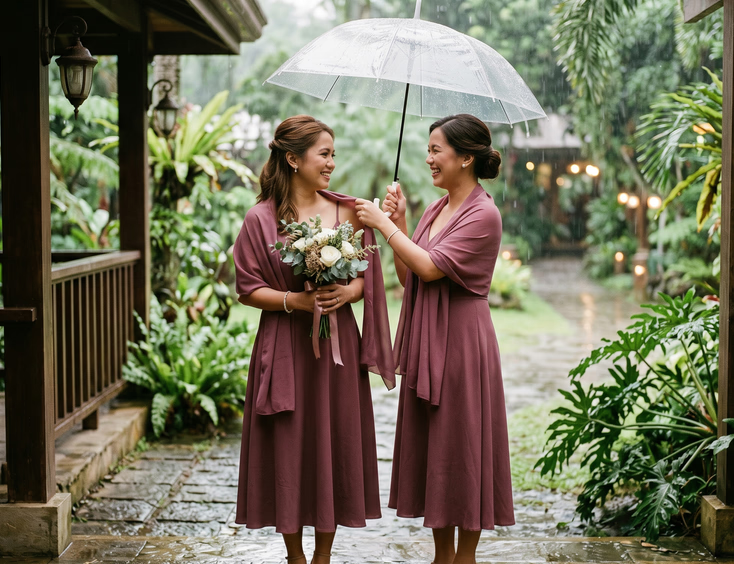
If your wedding falls during the rainy months, your bridesmaids need dresses that handle unexpected downpours, muddy pathways, and humidity that pushes past 80%.
Practical adjustments for wet season weddings:
- Choose tea-length or midi over floor-length. A soaked hem drags and stains.
- Skip delicate fabrics like pure silk that water-spot. Chiffon and crepe handle moisture better.
- Avoid open-toe shoes on grassy or muddy venues. Closed-toe block heels give stability.
- Pack a bridesmaid emergency kit: safety pins, blotting paper, a small fan, and a stain remover pen.
Your color palette matters here too. Light pastels show water spots and mud stains faster than deeper tones. If your wedding falls between July and October, consider richer shades in your wedding entourage color palette to reduce visible damage from rain.
Dressing for the Hot Dry Season (March to May)
March to May brings peak heat. Temperatures in Manila and lowland areas can climb past 35°C with punishing humidity. Your bridesmaids will sweat through photos, and heavy or dark fabrics will show it.
Adjustments for hot dry season weddings:
- Lighter colors reflect sunlight and keep body temperature lower
- Sleeveless or off-shoulder designs maximize airflow
- Avoid dark-colored satin or heavy lace, which absorb heat
- Schedule outdoor photos early in the morning or during golden hour, not midday
- Provide handheld fans or parasols as part of the bridesmaid accessories
If you are comparing earthy tones vs. pastels for your entourage, the hot dry season favors lighter pastels for outdoor ceremonies and reserves deeper earthy tones for evening receptions in air-conditioned venues.
Dressing for the Cool Dry Season (December to February)
December to February is peak wedding season in the Philippines. Temperatures in Manila drop to a comfortable 25°C to 30°C, and highland venues like Tagaytay and Baguio feel cooler. Baguio temperatures can dip to 18°C, which opens up fabric options that the rest of the year rules out.
For cool season weddings, your bridesmaids can wear:
- Heavier chiffon or layered organza without overheating
- Long sleeves in breathable fabric
- Deeper, richer colors that absorb light without cooking the wearer
- Satin (lightweight varieties) for evening receptions
This is the season where Filipiniana gowns in jusi or piña with full butterfly sleeves work best. The cooler air means your bridesmaids can wear the structured sleeves and longer hemlines without wilting before the reception starts.
The Mix-and-Match Approach
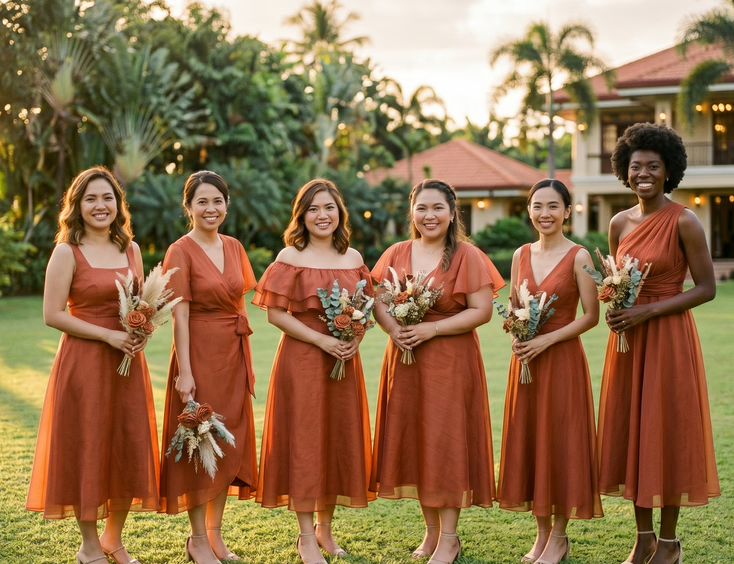
Filipino bridal parties often range from four to eight bridesmaids with different heights, body shapes, and skin tones. Putting them in identical dresses creates a uniform look in theory. In practice, the same dress on eight different bodies looks inconsistent.
The mix-and-match approach solves this. You set the parameters:
- One color (provide a Pantone code or physical swatch)
- One fabric (source it from one supplier to avoid dye lot differences)
- Two or three approved silhouettes (A-line, wrap, empire waist)
- One hemline (floor-length, tea-length, or midi)
Each bridesmaid picks the silhouette and neckline that suits her body. The group looks cohesive in photos because the color, fabric, and hemline stay consistent. The individual differences in neckline and silhouette add visual interest instead of clashing.
If you are deciding between ready-to-wear or made-to-order bridesmaid dresses, the mix-and-match approach works better with made-to-order. A dressmaker can cut different silhouettes from the same bolt of fabric, guaranteeing color consistency across the group.
Quick Reference: Fabric and Style by Season
| Season | Best Fabrics | Best Silhouettes | Best Lengths | Colors to Favor |
|---|---|---|---|---|
| Cool Dry (Dec-Feb) | Jusi, piña, layered organza, lightweight satin | A-line, Filipiniana terno, structured gowns | Floor-length, tea-length | Rich tones, deep pastels, jewel tones |
| Hot Dry (Mar-May) | Chiffon, georgette, crepe | A-line, wrap, empire waist | Tea-length, midi, knee-length | Light pastels, neutrals, soft earthy tones |
| Wet (Jun-Nov) | Chiffon, crepe, cotton blends | A-line, wrap | Tea-length, midi | Mid-tone to deeper colors that hide stains |
Start Shopping for Your Bridesmaids
Choosing bridesmaid dresses for a Philippine wedding means balancing style, comfort, and practicality against a climate that tests all three. Start with your season and venue, narrow your fabric choices, and then pick silhouettes that let each bridesmaid feel comfortable in her own body.
For a broader view of how bridesmaid outfits fit into the full Filipino wedding entourage dress plan, the pillar guide covers every role from principal sponsors to flower girls.
Browse gowns and dresses suppliers in the Philippines to find designers, shops, and dressmakers who specialize in bridesmaid gowns for the Philippine climate.
Still Searching for a Right Match?
Find Your Perfect Wedding Supplier Today!
Discover trusted wedding suppliers across the Philippines in our complete directory. Compare services and connect with the ones that fit your dream celebration.
Browse Wedding SuppliersFeatured Blog Posts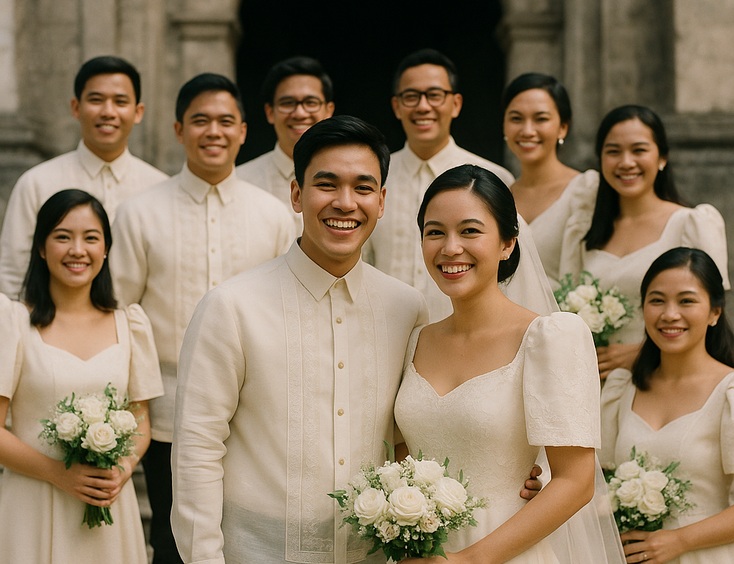

Filipino Wedding Entourage - Roles, Order of March, and Modern Etiquette
6 mins readCivil Weddings in the Philippines - Requirements, Costs, and Step-by-Step Process
9 mins readCivil Wedding Requirements in the Philippines - Complete Checklist
6 mins readCost of Wedding in the Philippines - 5 Essential Things You Need to Know
7 mins readPrincipal Sponsors (Ninong/Ninang) - How Many, How to Ask, What They Really Do
4 mins readVeil, Cord, Candle & Coins - Roles, Options, and When They Happen
4 mins readEntourage for a Traditional Pinoy Wedding - Complete Roles and Guide
6 mins readComplete List of Civil Wedding Requirements in the Philippines
8 mins readHow to Choose Wedding Ninongs and Ninangs - Ask Yourself These 3 Important Questions
5 mins read