


Earthy Tones vs. Pastels: Which Works Better for Philippine Wedding Entourages?
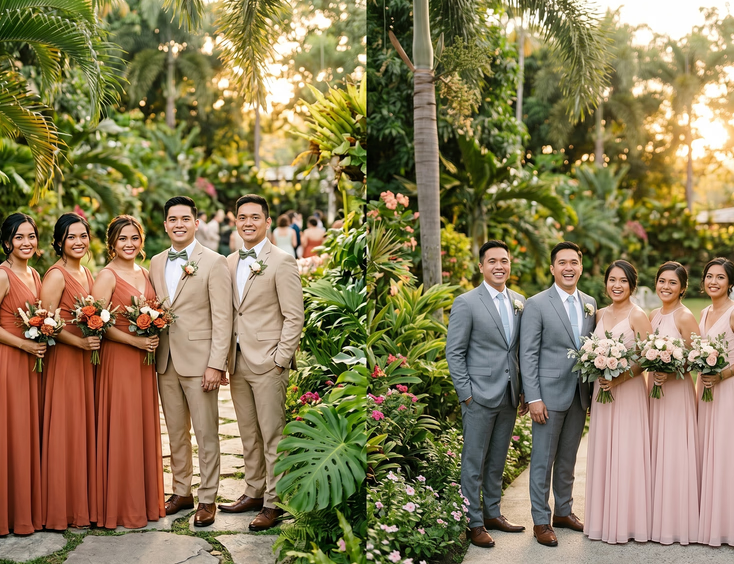
Every Filipino couple building their wedding entourage hits the same question: warm and earthy, or soft and pastel? The answer shapes what your bridesmaids wear, how your groomsmen coordinate, what the flower girls carry, and how the bearer boys look walking down the aisle.
Both directions work for Philippine weddings. But each one behaves differently under tropical light, against Filipino skin tones, and inside different venue types. This guide compares earthy tones and pastels across the factors that matter most, so you can pick the palette that fits your wedding.
Defining the Two Palettes
Earthy tones pull from nature's warm, grounded side. Think terracotta, rust, olive, sage, burnt sienna, mustard, chocolate brown, and deep clay. These colors feel organic, textured, and warm. They lean toward boho, rustic, and garden aesthetics.
Pastels are softened, lightened versions of primary and secondary colors. Think blush pink, powder blue, lavender, mint, buttercream, and soft peach. These colors feel airy, romantic, and classic. They lean toward traditional, elegant, and cathedral aesthetics.
Some colors blur the line. Dusty rose sits between earthy and pastel. Sage green reads as earthy in linen and pastel in chiffon. The fabric and lighting shift how a color registers, so test your choices in context rather than relying on a screen swatch.
How Each Palette Handles Philippine Sunlight
The Philippines gets intense, direct sunlight for most of the year. Outdoor ceremonies between 10 a.m. and 3 p.m. put your entourage under harsh, bright light. The palette you choose reacts to that light in different ways.
Earthy tones hold their depth in direct sun. Terracotta stays warm. Olive stays rich. Rust retains its intensity. These colors absorb light rather than reflect it, so they look consistent across different times of day. Midday sun won't bleach them out.
Pastels can wash out under bright sunlight. Blush turns near-white. Powder blue fades to gray. Lavender loses its violet undertone. If your ceremony is outdoors at noon, pastels in lightweight fabric may photograph paler than you planned. Thicker fabrics like crepe or mikado hold pastel pigment better than sheer chiffon.
For overcast days and rainy season weddings (June to October), the balance flips. Pastels look richer under diffused, cloudy light. Earthy tones can look muddy when the sky is gray and flat.
Indoor venues with controlled lighting level the playing field. Both palettes photograph well under warm ballroom lighting or soft church window light. You have more freedom to choose based on preference rather than weather.
Skin Tone Compatibility
Filipino skin tones range from fair to deep brown, with warm, neutral, and cool undertones represented across the spectrum. Your palette should flatter every member of your entourage, not just the bridesmaids.
Earthy tones and Filipino skin:
- Terracotta and rust complement warm and olive undertones. They add warmth without overpowering.
- Sage and olive work across most Filipino skin tones. They create a soft contrast against both light and deep complexions.
- Mustard flatters medium to deep skin tones. It can make fair skin with cool undertones look sallow.
- Chocolate brown pairs well with gold jewelry and warm complexions. It can blend too closely with deep brown skin tones, reducing contrast in photos.
Pastels and Filipino skin:
- Blush pink flatters warm and neutral skin tones across the spectrum. It adds a soft glow without washing anyone out.
- Powder blue creates clean contrast against warm and medium skin tones. It can make cool-toned fair skin look pale.
- Lavender suits cool and neutral undertones. It can clash with strong yellow or olive undertones.
- Mint works with cool and neutral complexions. It struggles against warm, golden skin.
- Soft peach complements warm and medium skin tones. It blends too closely with fair, warm-toned skin.
The safest approach: hold fabric swatches against each entourage member's skin in natural daylight. Photograph the swatches. Compare the photos. A color that looks perfect on a mood board can fall flat against real skin under real light.
For a full walkthrough on building your palette around skin tones, venue, and season, our guide on choosing a color palette for your Filipino wedding entourage covers each step.
Venue Pairing
The venue provides the visual backdrop. Your palette should sit naturally inside that backdrop rather than fight against it.
Earthy tones pair well with:
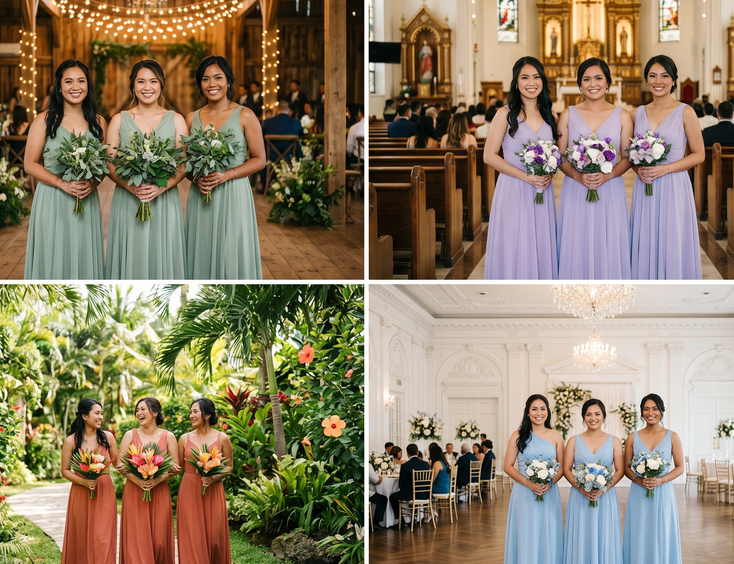
- Garden and outdoor venues. Terracotta, sage, and olive mirror the natural greens and browns of a garden setting. The entourage looks like part of the landscape.
- Rustic barns and wooden venues. Warm tones complement exposed wood, string lights, and natural textures.
- Beach venues. Muted earth tones like sand, clay, and olive work against the ocean backdrop without competing with it.
- Heritage houses and ancestral homes. Earthy colors echo the warm wood, capiz windows, and aged stone of traditional Filipino architecture.
Pastels pair well with:
- Catholic churches and cathedrals. Blush, lavender, and powder blue look elegant against dark wooden pews, marble floors, and stained glass.
- Hotel ballrooms. Soft pastels create an airy, formal atmosphere under chandelier lighting.
- All-white minimalist venues. Pastels add subtle color without overwhelming a clean, modern space.
- Resort venues. Light pastels match the bright, open feel of a tropical resort ceremony.
Venues where both work: Air-conditioned hotel function rooms with neutral walls and adjustable lighting give you full flexibility. Test with photos at the venue before committing.
Fabric Behavior
The same color looks different across fabrics. Earthy and pastel tones each have fabrics that make them perform better in the Philippine climate.
Earthy tones in fabric:
- Linen amplifies the organic, textured quality of earthy shades. A terracotta linen bridesmaid dress looks relaxed and grounded. Linen also breathes well in tropical heat.
- Crepe gives earthy colors a smooth, structured surface. Olive crepe reads more formal than olive linen.
- Jusi and piña in earthy tones create a cultural, elevated look for barongs. An olive or clay-toned barong stands out from the standard ivory or cream.
- Chiffon softens earthy tones and adds movement. Sage chiffon for a bridesmaid dress drapes well and handles heat.
Pastels in fabric:
- Chiffon is the classic pastel fabric. Blush chiffon, powder blue chiffon, and lavender chiffon all move well and photograph with a soft, airy quality.
- Satin gives pastels a luminous, reflective surface. It photographs brighter than matte fabrics. Use it for structured dresses in air-conditioned venues.
- Organza adds a sheer, layered look. Pastel organza works for flower girl dresses and overlays.
- Tulle in pastel shades creates volume for skirts and veils. Best for flower girl dresses and accent pieces.
For outdoor Philippine weddings, breathable fabrics like linen, cotton, and chiffon matter more than the color. A beautiful terracotta polyester dress will leave your bridesmaid sweating through the vows.
Styling the Entourage: Earthy vs. Pastel
Each palette creates a different visual effect when applied across a full Filipino entourage.
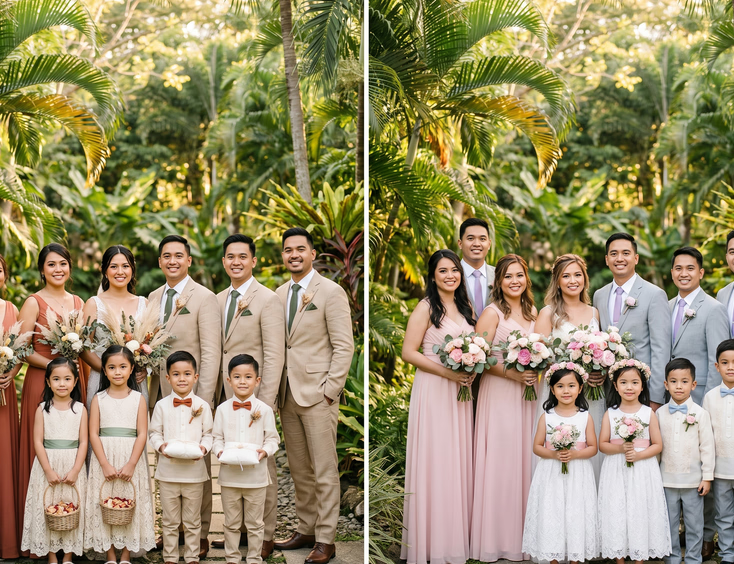
An earthy entourage looks like this:
- Bridesmaids in terracotta or sage linen or chiffon dresses
- Groomsmen in tan or olive suits with cream shirts
- Principal sponsors (female) in a deeper or muted version of the bridesmaids' color
- Flower girls in cream dresses with terracotta or sage sashes
- Bearer boys in cream barongs with olive or rust bow ties
- Bouquets of dried flowers, pampas grass, greenery, and muted blooms
A pastel entourage looks like this:
- Bridesmaids in blush, lavender, or powder blue chiffon dresses
- Groomsmen in gray or navy suits with pastel ties or pocket squares
- Principal sponsors (female) in a slightly deeper shade within the same pastel family
- Flower girls in white or ivory dresses with pastel sashes or floral crowns
- Bearer boys in ivory barongs or gray suits with pastel bow ties
- Bouquets of fresh roses, peonies, hydrangeas, and soft greenery
Both approaches work for large Filipino entourages. Earthy palettes create warmth and visual weight. Pastel palettes create lightness and openness. For entourages over 20 people, pastels and muted earth tones prevent the group from overwhelming the couple in photos.
Mixing Earthy and Pastel
You don't have to choose one or the other. Some of the strongest Filipino wedding palettes blend both directions.
Combinations that work:
- Sage (earthy) and blush (pastel). The green grounds the palette. The pink softens it. Bridesmaids in sage, flower girls in blush. Or alternate shades across the bridesmaids for a mismatched look.
- Terracotta (earthy) and dusty blue (pastel). Warm meets cool. The contrast creates visual interest without clashing. Groomsmen in tan with dusty blue ties. Bridesmaids in terracotta.
- Olive (earthy) and lavender (pastel). An unexpected pairing that works in garden and rustic settings. Olive suits or barongs for the men. Lavender dresses for the women.
- Rust (earthy) and champagne (neutral/pastel). Warm and elegant. Rust as the accent color through accessories and bouquets. Champagne as the base for dresses and barongs.
The key to mixing: keep one direction dominant and use the other as an accent. A 70/30 split prevents the palette from feeling scattered.
Seasonal Recommendations
December to February (cool, dry). Both palettes perform well. Earthy tones like burgundy, rust, and olive suit the cooler evenings. Deep pastels like mauve, dusty blue, and sage match the softer winter light.
March to May (hot, dry). Light earthy tones (sage, sand, clay) beat dark ones. Pastels in breathable fabrics keep the entourage cool. Avoid dark terracotta or chocolate brown for outdoor ceremonies during peak heat.
June to October (wet, humid). Muted earthy tones hold up under overcast skies. Rich pastels (dusty rose, steel blue) photograph better than very light ones on cloudy days. Light pastels can look washed out without direct sunlight.
Decision Framework
Use this to narrow your choice:
| Factor | Earthy tones | Pastels |
|---|---|---|
| Outdoor garden or rustic venue | Strong fit | Can work |
| Church or cathedral | Can work | Strong fit |
| Beach ceremony | Strong fit (muted shades) | Strong fit (light shades) |
| Ballroom reception | Can work | Strong fit |
| Bright midday sun | Hold color well | May wash out |
| Overcast or rainy day | Can look muddy | Look richer |
| Warm skin tones | Strong fit | Varies by shade |
| Cool skin tones | Varies by shade | Strong fit |
| Large entourage (20+) | Use muted shades | Use muted shades |
| Boho or rustic theme | Strong fit | Weak fit |
| Classic or elegant theme | Can work | Strong fit |
| Modern minimalist theme | Can work | Strong fit |
Color Palette Checklist
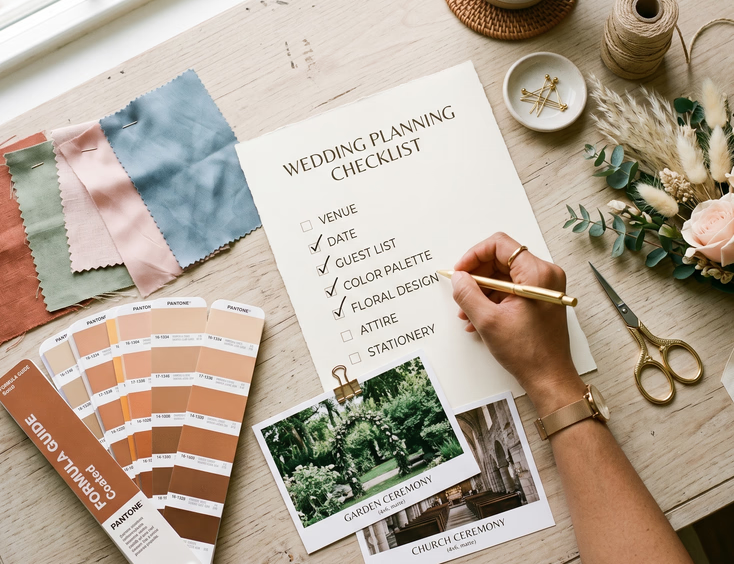
- [ ] Decide on a primary direction (earthy, pastel, or mixed)
- [ ] Test two to three specific colors against entourage members' skin tones
- [ ] Photograph swatches at the venue in ceremony-time lighting
- [ ] Check fabric availability for all entourage outfits in your chosen colors
- [ ] Assign colors by role (bridesmaids, groomsmen, sponsors, kids)
- [ ] Coordinate with florist and stylist using Pantone codes or fabric swatches
- [ ] Confirm the palette works for both ceremony and reception venues
- [ ] Order with enough lead time for production and alterations
For the full process, our guide on choosing a color palette for your Filipino wedding entourage covers every step from venue scouting to supplier coordination.
Outfit Guides for Your Entourage
Once you've locked your palette, outfit each member of the entourage:
- What should the ring bearer wear at a Filipino wedding?
- How to dress the bible bearer, coin bearer, and cord bearer kids
- Ready-to-wear vs. made-to-order bridesmaid dresses in the Philippines
Find the Right Supplier
Your palette only works if your suppliers can deliver matching fabrics and outfits across every role. Browse our gowns and dresses supplier directory to connect with Philippine-based designers and shops that carry bridesmaid dresses, flower girl outfits, boys' barongs, and full entourage packages in earthy tones, pastels, or custom-dyed colors.
For a broader view of how bridesmaid outfits fit into the full Filipino wedding entourage dress plan, the pillar guide covers every role from principal sponsors to flower girls.
Still Searching for a Right Match?
Find Your Perfect Wedding Supplier Today!
Discover trusted wedding suppliers across the Philippines in our complete directory. Compare services and connect with the ones that fit your dream celebration.
Browse Wedding SuppliersFeatured Blog Posts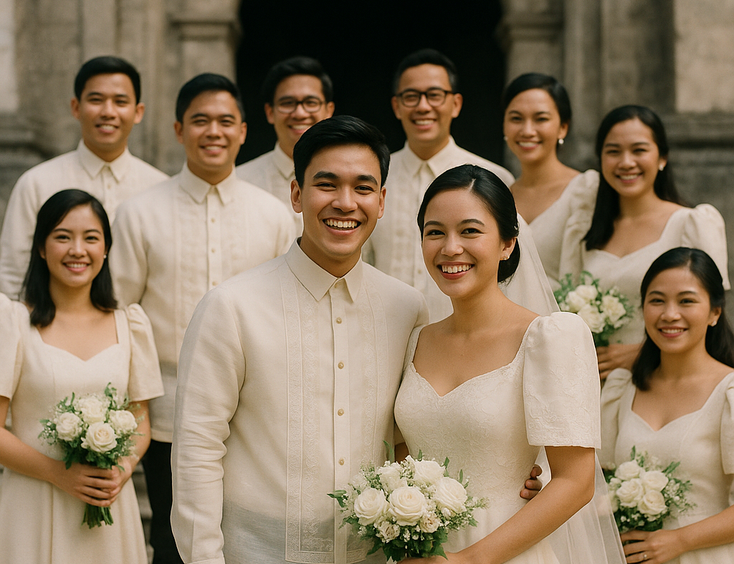

Filipino Wedding Entourage - Roles, Order of March, and Modern Etiquette
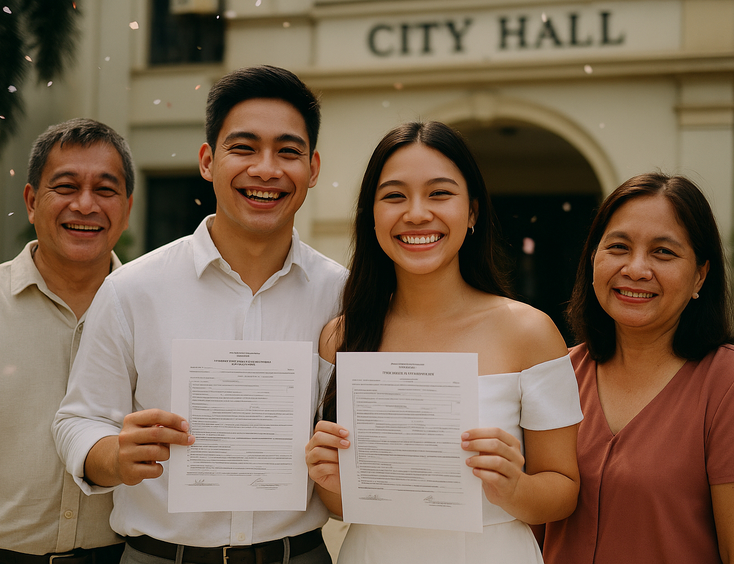
6 mins readCivil Weddings in the Philippines - Requirements, Costs, and Step-by-Step Process
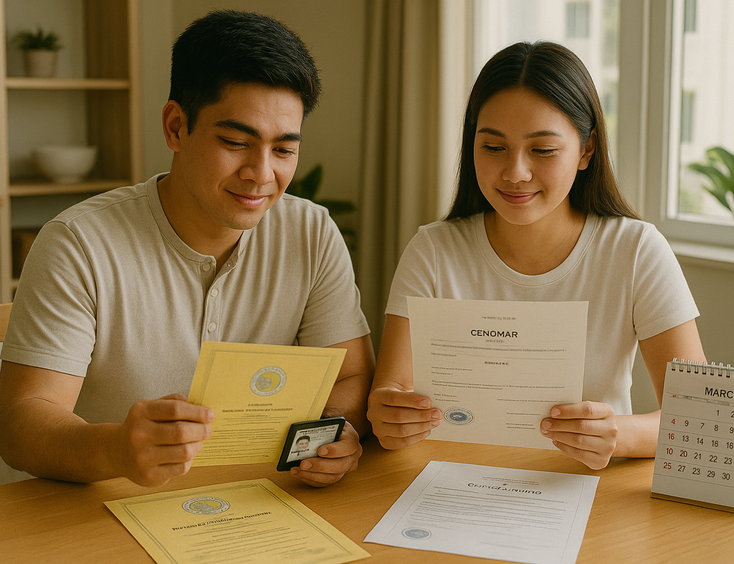
9 mins readCivil Wedding Requirements in the Philippines - Complete Checklist
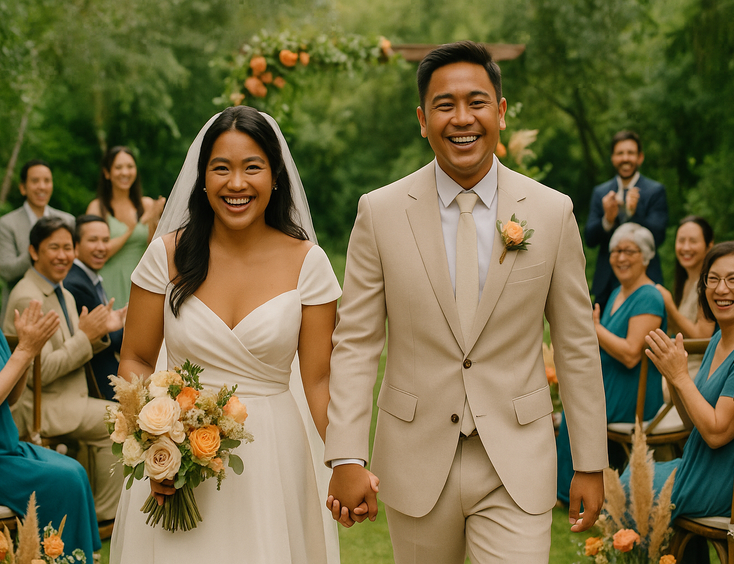
6 mins readCost of Wedding in the Philippines - 5 Essential Things You Need to Know
7 mins readPrincipal Sponsors (Ninong/Ninang) - How Many, How to Ask, What They Really Do
4 mins readVeil, Cord, Candle & Coins - Roles, Options, and When They Happen
4 mins readEntourage for a Traditional Pinoy Wedding - Complete Roles and Guide
6 mins readComplete List of Civil Wedding Requirements in the Philippines
8 mins readHow to Choose Wedding Ninongs and Ninangs - Ask Yourself These 3 Important Questions
5 mins read