


Filipino Wedding Entourage Dresses: From Principal Sponsors to Flower Girls
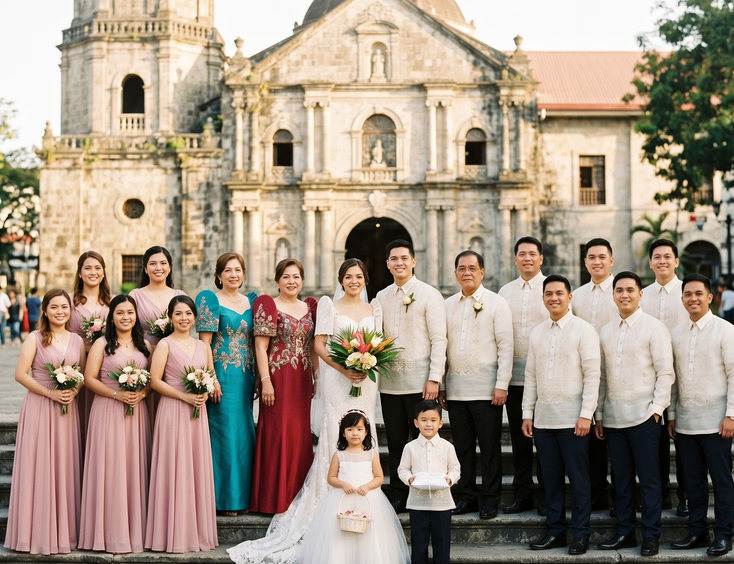
Your entourage includes principal sponsors (ninong and ninang), secondary sponsors for the veil, cord, candle, and coins, bridesmaids, groomsmen, a maid of honor, a best man, and a lineup of young bearers and flower girls.
Each person walks down that aisle in front of your guests and your photographer. You need to dress all of them in a way that looks cohesive, respects the formality of the ceremony, and survives Philippine heat.
This guide covers what each entourage role should wear, how to keep the look unified without forcing everyone into identical outfits, and where to find gowns and dresses suppliers in the Philippines who can handle orders for groups.
Principal Sponsors (Ninong and Ninang)
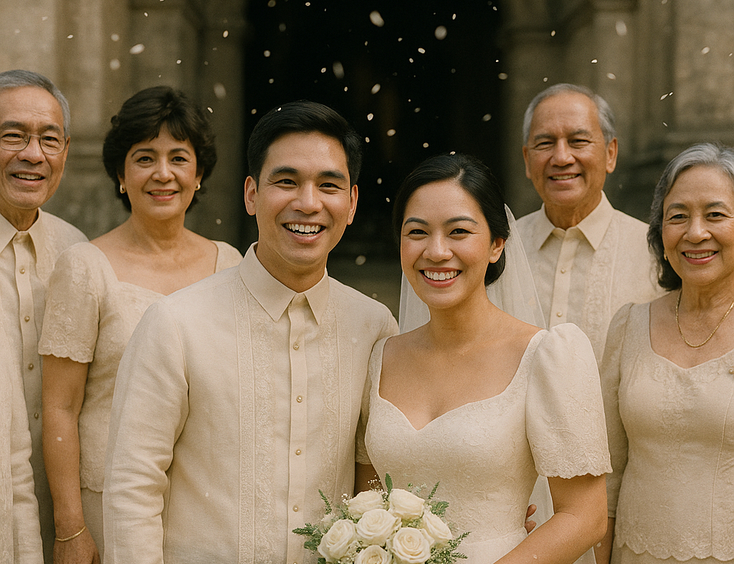
Principal sponsors, called "Ninong" and "Ninang," are among the most respected figures in a Filipino wedding. These are esteemed elders or family friends chosen for their wisdom, moral standing, and influence in the couple's lives. Their primary role is to witness the marriage and offer lifelong guidance.
Your principal sponsors are the only people you are required to have for a legal wedding. Their purpose is to act as witnesses during your ceremony and sign your wedding contract. You need at least two principal sponsors to sign the marriage contract in front of your officiant for it to be valid.
Dressing Your Ninangs
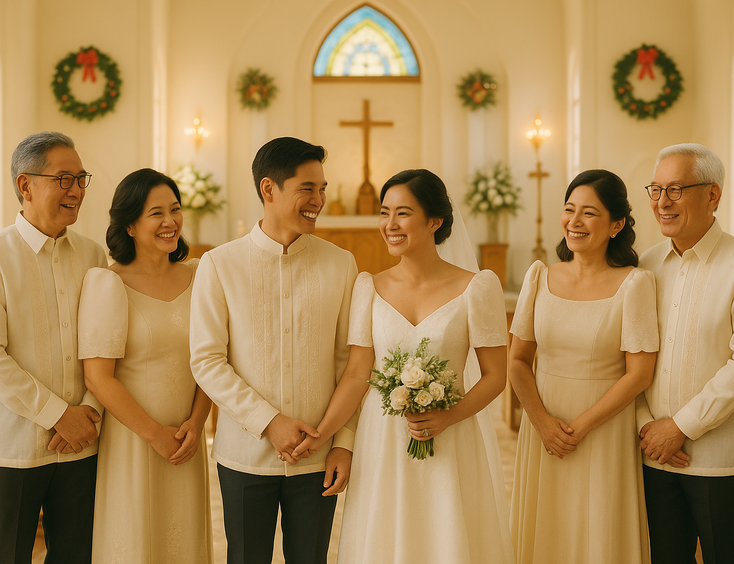
Your ninangs are older, established women. They will sit in the front pews, stand near the altar during the ceremony, and appear in group photos beside you. Their outfits should match the formality of the event without competing with the bride's gown.
Coordinate with the wedding colors to create a harmonious look. Opt for fabrics like silk, chiffon, or lace for an elegant appearance. Consider traditional Filipino dresses like the Baro't Saya or modern gowns. Ensure the outfit is comfortable for long hours of wear, as the ninang will participate in celebrations throughout the day.
A few practical notes:
- Send your ninangs a color swatch or a Pantone reference at least two months before the wedding. A text that says "dusty rose" can mean ten different shades.
- Making your principal sponsors match is a traditional practice, but it is not required. You can give a color range and let each ninang choose a silhouette that suits her body and age.
- Most Catholic ceremonies in the Philippines expect modest coverage at the altar. Lace or organza overlays, illusion sleeves, and detachable capes solve coverage without sacrificing style.
For ninangs who want a Filipiniana look, a modern terno or a baro't saya in the wedding palette works for both church ceremonies and garden receptions. Butterfly sleeves read as formal and Filipino without feeling like a costume.
Dressing Your Ninongs
The groom sets the tone for the male entourage. The ninong wears a Barong Tagalog, a sheer, embroidered shirt worn untucked over a plain white undershirt and black trousers.
The finest barongs are made of pineapple fibre (piña) in neutral shades like white or cream. A popular and affordable alternative is jusi, a textile blend of silk, cotton, and abaca.
If the groom chooses a colored barong, the ninongs can wear a lighter or complementary shade in the same fabric. If the groom goes with a suit or Amerikana, the ninongs can follow that lead.
Secondary Sponsors (Veil, Cord, Candle, Coins)
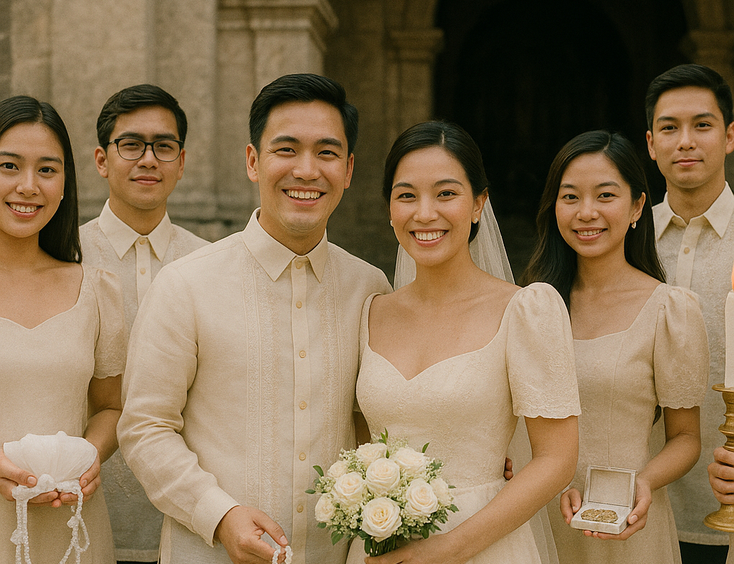
Secondary sponsors play significant roles that enrich the ceremony with symbolism and cultural depth. There are four to six pairs of secondary sponsors, each assigned specific duties.
Each pair handles one ritual element:
- Veil sponsors drape the veil to symbolize unity and protection
- Cord sponsors loop the cord to represent the bond between the couple
- Candle sponsors light candles to signify guidance
- Coin sponsors present the arrhae for shared prosperity
For Catholic Church weddings, you need three pairs of secondary sponsors. The candle sponsors light the wedding candles before the rite of marriage, the veil sponsors drape the veil over the groom's shoulder and the bride's head, and the cord sponsors tie the cord over the bride and groom.
Dress Code for Secondary Sponsors
Secondary sponsors dress one tier below the principal sponsors. If your ninangs wear floor-length gowns, your secondary sponsors can wear tea-length or midi dresses. The palette stays within the same color family.
The male secondary sponsors follow the ninongs. If the ninongs wear piña barongs, the secondary sponsors can wear jusi barongs in the same shade.
You will coordinate a larger group for this role. Consider choosing a color palette for your Filipino wedding entourage before shopping for any secondary sponsor outfits, so dye lots and fabrics stay consistent across pairs.
Maid of Honor and Best Man
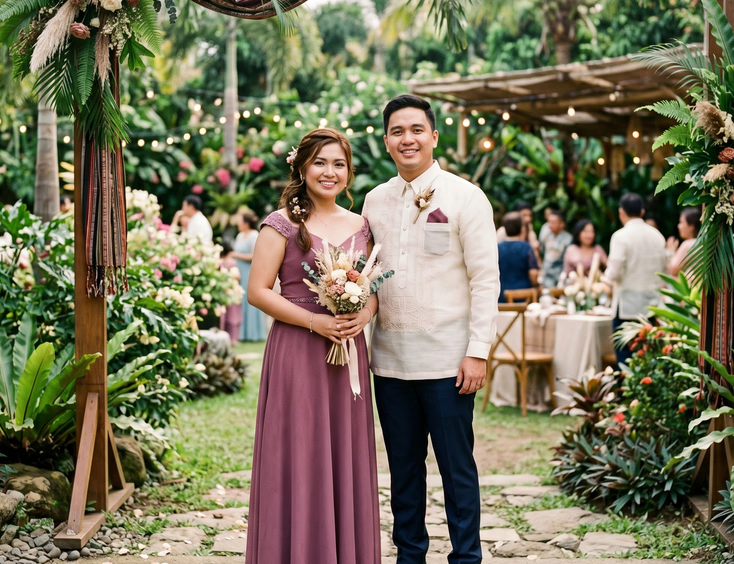
The maid or matron of honor helps with everything wedding-related. From the dress fitting and bridal shower to helping the bride with her train or makeup on the big day, you want someone you trust, someone who can handle multiple responsibilities, and someone you want to share your wedding planning journey with.
The best man is the groom's go-to person. He attends to the groom, plans the bachelor party, has a speech ready for the reception, and keeps the wedding rings safe.
Dressing the Maid of Honor
Your maid of honor should stand out from your bridesmaids while remaining part of the group. You have a few options:
- Same color, different silhouette. She wears the same dusty rose as your bridesmaids, but in a gown with a different neckline or sleeve.
- Same silhouette, different shade. She wears a deeper mauve while the bridesmaids wear blush.
- Same dress, different accessory. A sash, a different bouquet, or a small cape distinguishes her.
The Philippine climate matters here. If your ceremony is outdoors in Tagaytay in December, your maid of honor has more fabric options than if you are getting married in Boracay in April. Read more about bridesmaid dress styles that work for the Philippine climate and weather to narrow your choices by season and venue type.
Bridesmaids and Groomsmen
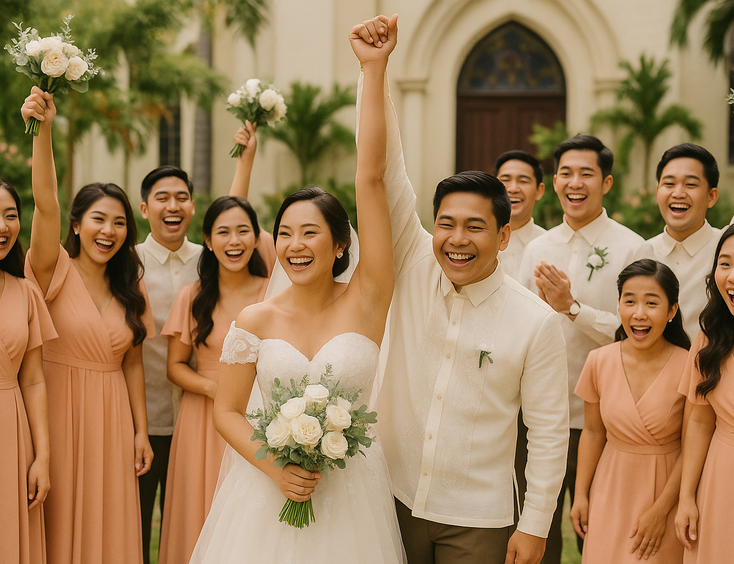
It is traditional that the number of bridesmaids matches the number of groomsmen so each bridesmaid has an escort down the aisle. Bridesmaids are the bride's closest friends and family members. Bridesmaids can be single or married, older or younger than the bride, and can be female or male.
Bridesmaid Dresses
You have two sourcing paths: buy off the rack or have dresses made.
Ready-to-wear bridesmaid dresses save time and reduce the coordination headache. You pick a style, distribute sizes, and everyone orders the same item. Made-to-order dresses give you control over fabric, color accuracy, and individual fit. A good dressmaker can adjust the butterfly sleeve to suit each bridesmaid's shoulder width. The trade-off is lead time. Filipiniana custom gowns from reputable designers book out months in advance, especially around peak wedding season from December to February and again in May.
If you are weighing both options, the full breakdown of ready-to-wear vs. made-to-order bridesmaid dresses in the Philippines covers pricing, timelines, and fit considerations.
Fabric Choices for Philippine Weather
Piña is a fabric made from pineapple leaves and is one of the distinct characteristics of Filipiniana fashion. Jusi is another type of Filipiniana fabric made from banana leaves. Both are light and allow the garments and the wearer to breathe, which is essential in the heat and humidity of the Philippines.
For warm and beach locations, chiffon, organza, and lightweight blends keep bridesmaids comfortable.
Jusi is lighter than piña, drapes more softly, and photographs with a quiet luster. It works for both formal church weddings and garden receptions.
If you go the mismatched bridesmaid route (same color, different silhouette), fabric consistency matters more than you expect. Two bridesmaids ordering jusi from different suppliers will end up with gowns that do not match in photographs. Distribute a physical swatch or source the fabric together before anyone goes to a dressmaker.
Groomsmen Attire
Groomsmen follow the best man's lead. If he wears a Barong Tagalog, they do too. Match the fabric and the shade across the group. Jusi barongs in cream or ecru photograph well and cost less than piña.
For less formal weddings, groomsmen can wear long-sleeved dress shirts in the wedding palette with matching trousers. Linen suits work for outdoor and beach venues.
The Color Palette Question
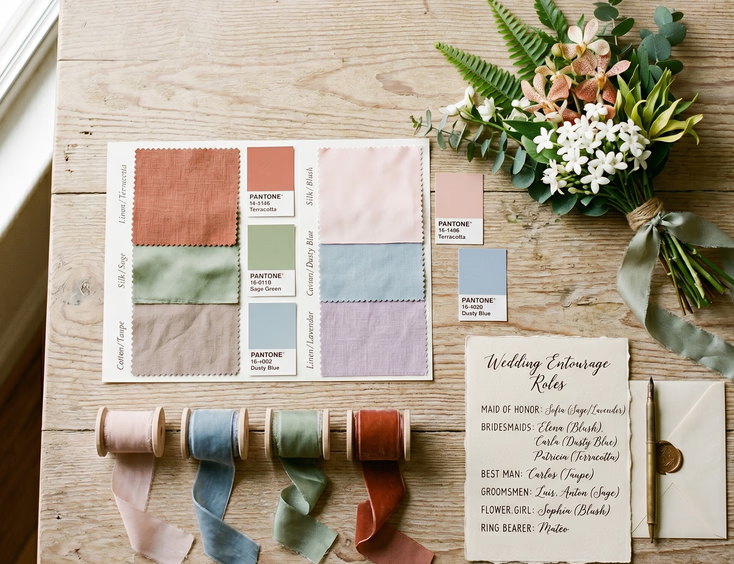
Your entourage palette affects every dress, every barong, and every ribbon on your flower girl's basket. Lock in the palette before you send anyone shopping.
Two color directions dominate Philippine weddings right now: earthy tones (terracotta, sage, taupe, warm beige) and pastels (blush, dusty blue, lavender, soft peach). Neutrals and soft pastels suit churches and gardens, while saturated hues shine in evening receptions.
Both approaches work. The right choice depends on your venue, your season, and how your chosen colors photograph under Philippine light. A full comparison of earthy tones vs. pastels for Philippine wedding entourages breaks down the pros and cons by venue type.
Guests should steer clear of white or cream, which is reserved for the bride, or black, which is associated with mourning. Communicate your palette to the entourage, the parents, and the sponsors. Many Filipino weddings include the wedding colors in the invites or e-vites.
Flower Girls
The flower girl's main duty is to scatter flower petals as she walks down the aisle. But you do not have to go with flower petals. Your flower girl can hold a sign, blow bubbles, or hold a bouquet as she walks. She is between three to eight years old, and can be a niece, goddaughter, or daughter of your friends.
Dressing Your Flower Girl
Flower girl dresses should echo the bridesmaids' palette without being a miniature copy of an adult gown. A tulle dress in the same blush as your bridesmaids, paired with a floral crown or a ribbon sash, keeps her looking age-appropriate and on-theme.
In Philippine heat, choose breathable cotton blends or soft tulle. Avoid heavy satin, stiff crinolines, or long sleeves unless the ceremony is in an air-conditioned venue or in a cooler location like Baguio.
Get more outfit inspiration from flower girl dress ideas for a Filipino wedding, which covers both traditional and modern looks sized for the climate.
Ring Bearer
Little boys and even girls carry wedding signs or items. Bearers are within the age range of three to eight years old and can manage to carry their specific item down the aisle. You can choose your nephews, godson, or sons of your friends.
Dressing Your Ring Bearer
The ring bearer's outfit should match the groom's party in miniature. If the groomsmen wear barongs, the ring bearer wears a small barong in the same color. If the groomsmen wear suits, the ring bearer gets a tiny vest-and-trousers set.
Keep the outfit comfortable. A three-year-old in a stiff barong and leather shoes will cry before he reaches the altar. Soft-soled shoes, breathable fabric, and a clip-on bow tie (instead of a tied one) reduce the meltdown risk.
See the full guide on what the ring bearer should wear at a Filipino wedding for age-specific outfit recommendations.
Bible Bearer, Coin Bearer, and Cord Bearer
Filipino Catholic weddings include bearers for the Bible, the coins (arrhae), and the cord. These are children, and each one carries a symbolic item down the aisle.
Dressing the Bearers
All bearers should match. Use the same fabric and color across the group. If one bearer wears a white barong with gold embroidery, all the bearers wear the same. Consistency matters in photos and in the processional, where they walk close together.
You can distinguish each bearer's role with the item they carry: the Bible on a decorated pillow, the coins in a small chest, the cord on a tray. The outfit stays the same.
For detailed outfit ideas, sizing tips, and fabric recommendations for all three bearer roles, read how to dress the Bible bearer, coin bearer, and cord bearer kids.
Keeping the Whole Entourage Cohesive
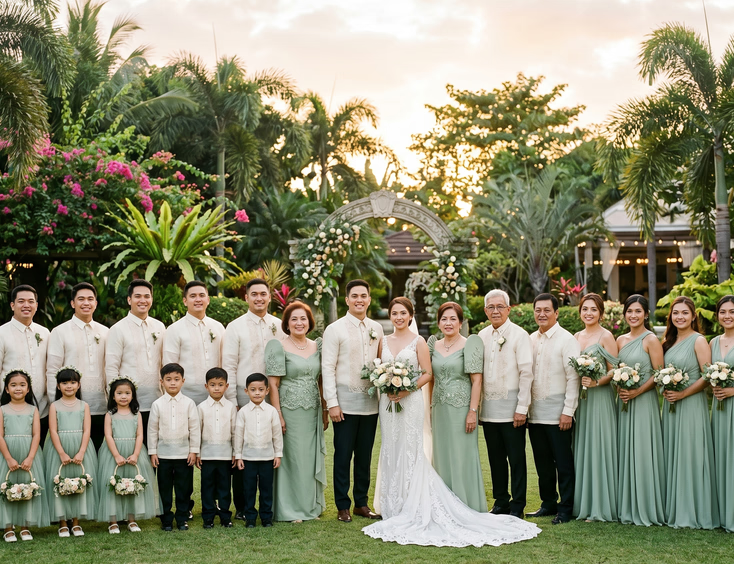
A Filipino wedding entourage can include twenty to forty people. Coordinating that many outfits takes a plan.
Set the Color Palette First
Decide on your wedding entourage color palette before anyone buys or commissions a single outfit. Share Pantone codes, fabric swatches, or reference photos in a group chat. Words like "sage" and "mint" overlap in confusing ways. A swatch removes the ambiguity.
Create a Visual Style Guide
Build a one-page style guide showing each role and the expected outfit. Include:
- Color (with a swatch or Pantone code)
- Dress length or formality level
- Fabric type
- Neckline or sleeve guidance (for church coverage requirements)
- Shoe color
Share this guide at least three months before the wedding. Post the dress code to a private group early and send reminders. Many guests forget and ask again days before the wedding.
Group the Entourage by Formality
| Entourage Tier | Female Outfit | Male Outfit |
|---|---|---|
| Principal Sponsors | Floor-length gown or formal terno in the palette | Barong Tagalog or suit matching the groom |
| Secondary Sponsors | Tea-length or midi dress in the palette | Barong or dress shirt in coordinated shade |
| Maid of Honor | Gown in a distinguished shade or silhouette | N/A |
| Bridesmaids | Matching gowns or mismatched silhouettes in one color | N/A |
| Best Man / Groomsmen | N/A | Matching barongs or suits |
| Flower Girls | Tulle or cotton dress echoing the bridesmaid palette | N/A |
| Bearers | N/A | Miniature barong or vest set matching the groomsmen |
Account for the Philippine Climate
Your entourage will spend time outdoors for photos, stand in a church that may or may not have air conditioning, and celebrate at a reception that could be under a tent. Choose fabrics that breathe. Skip heavy satin for outdoor ceremonies. Remind your entourage to wear antiperspirant and bring blotting paper.
Beach weddings call for softer pastel colors, linen or chiffon fabrics, and shoes that won't sink in the sand.
Timeline for Entourage Outfit Planning
| Months Before Wedding | Task |
|---|---|
| 6 months | Finalize the entourage list and assign roles |
| 5 months | Choose the color palette and distribute swatches |
| 4 months | Book dressmakers or order ready-to-wear pieces |
| 3 months | First fittings for made-to-order outfits |
| 2 months | Send outfit guidelines to sponsors |
| 1 month | Final fittings, alterations, and accessory purchases |
| 1 week | Confirm all outfits are ready and steamed |
Filipiniana custom gowns from reputable designers book out months in advance, especially around peak wedding season from December to February and again in May. Start earlier if your wedding falls during those months.
Find Gowns and Dresses for Your Entire Entourage
Dressing a Filipino wedding entourage means sourcing outfits for sponsors, bridesmaids, flower girls, bearers, and the couple. You can spend weeks searching for individual shops or you can browse a curated list of gowns and dresses suppliers in the Philippines to compare designers, ready-to-wear shops, and rentals in one place.
Whether you need a Filipiniana terno for your ninang, matching chiffon gowns for six bridesmaids, or a tiny barong for your three-year-old ring bearer, start with suppliers who specialize in wedding entourage outfits and understand Filipino wedding dress codes.
Still Searching for a Right Match?
Find Your Perfect Wedding Supplier Today!
Discover trusted wedding suppliers across the Philippines in our complete directory. Compare services and connect with the ones that fit your dream celebration.
Browse Wedding SuppliersFeatured Blog Posts

Filipino Wedding Entourage - Roles, Order of March, and Modern Etiquette
6 mins readCivil Weddings in the Philippines - Requirements, Costs, and Step-by-Step Process
9 mins readCivil Wedding Requirements in the Philippines - Complete Checklist
6 mins readCost of Wedding in the Philippines - 5 Essential Things You Need to Know
7 mins readPrincipal Sponsors (Ninong/Ninang) - How Many, How to Ask, What They Really Do
4 mins readVeil, Cord, Candle & Coins - Roles, Options, and When They Happen
4 mins readEntourage for a Traditional Pinoy Wedding - Complete Roles and Guide
6 mins readComplete List of Civil Wedding Requirements in the Philippines
8 mins readHow to Choose Wedding Ninongs and Ninangs - Ask Yourself These 3 Important Questions
5 mins read