

How Much Do Wedding Invitations Cost in the Philippines? A Budget Breakdown
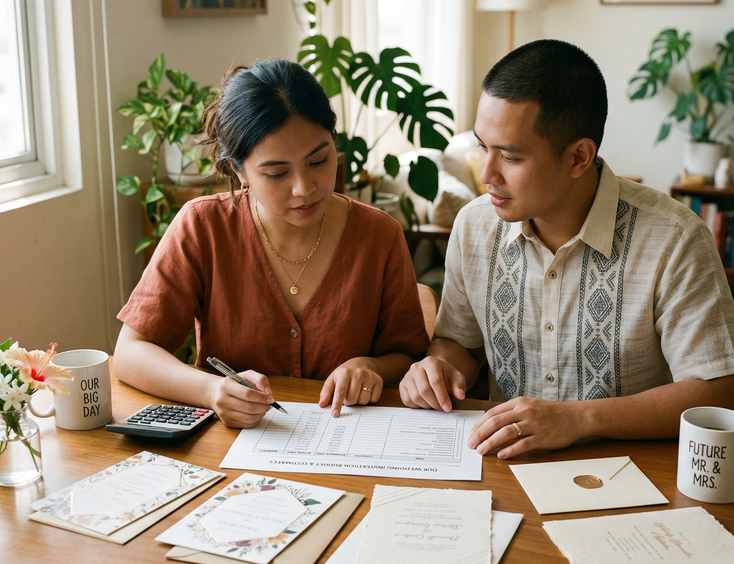
Most Filipino couples underestimate invitation costs, and the surprise usually arrives after the design is already finished. A couple who budgets ₱5,000 for invitations and then discovers that letterpress printing alone starts at ₱150 per piece faces a choice between redesigning for a cheaper print method or absorbing a cost they did not plan for. Neither option is comfortable at that stage of planning.
Invitation costs in the Philippines range from under ₱50 per suite to over ₱500 per suite depending on printing method, paper stock, suite complexity, and designer fees. Understanding where each cost comes from before you start designing lets you make decisions that fit your budget rather than decisions that exceed it.
What a Wedding Invitation Suite Actually Includes
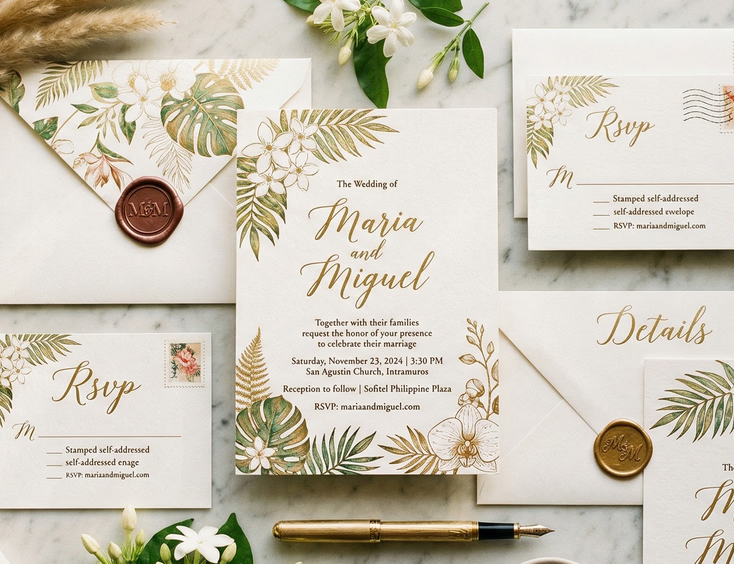
Most couples think of the main invitation card when they budget for invitations. A full suite includes more than that, and each component adds cost.
A standard Filipino wedding invitation suite typically includes:
The main invitation card. The primary piece that carries the event details, names, and formal wording. This is the largest single card in the suite and the one that drives most design and printing decisions.
The RSVP card and return envelope. A separate card guests complete and return, with a pre-addressed envelope. Couples who manage RSVPs digitally sometimes skip this component, but traditional Filipino guest lists often include older relatives who prefer a physical response card.
The details or information card. A smaller card covering venue directions, accommodation suggestions, dress code, or reception details that do not fit on the main card without overcrowding it.
The outer envelope. The addressed envelope the full suite ships inside. Some suites include both an outer and inner envelope, a practice carried over from formal Western invitation traditions.
Envelope liners. Decorative paper inserts glued inside the envelope flap. Optional but common in mid-range and premium suites.
Enclosure cards. Additional small cards for specific guests covering entourage roles, church seating instructions, or meal selection. Not every suite requires these.
Each component adds to both design and printing costs. A couple ordering a full suite with all components pays significantly more per guest than one ordering only a main card and envelope.
Printing Method: The Biggest Cost Driver
Printing method determines more of your per-piece cost than any other single factor. The gap between the cheapest and most expensive methods is large enough to change the entire budget structure.
Digital offset printing is the most affordable professional printing method. A standard invitation card printed digitally on quality card stock runs between ₱30 and ₱80 per piece depending on card size, paper weight, and print quantity. This method produces clean, color-accurate results on flat surfaces and suits the majority of Filipino wedding invitations that use typographic or illustrated designs without specialty finishes.
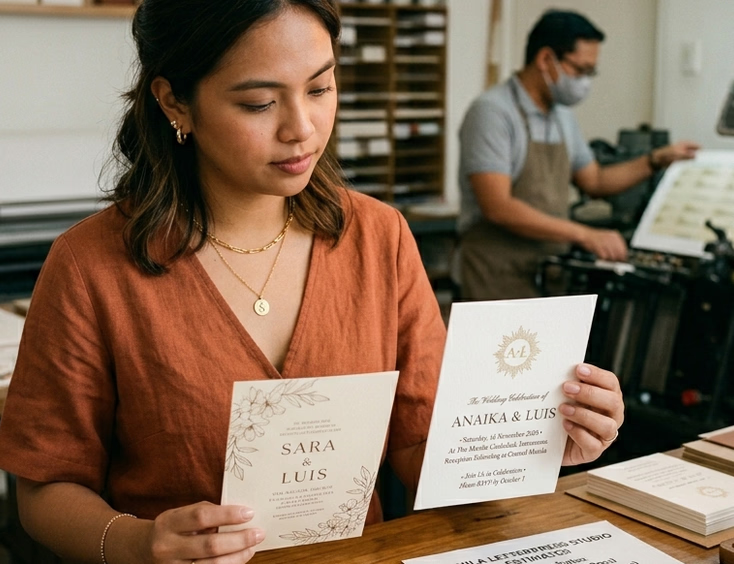
Letterpress printing presses type and design elements into the paper surface, creating a tactile impression guests feel when they handle the card. The setup cost for letterpress is high because each print run requires custom plates. Per-piece costs typically start at ₱120 and run to ₱300 or higher depending on coverage area, number of ink colors, and paper thickness. Minimum order quantities at most Philippine letterpress studios sit at 50 to 100 pieces, which affects total cost when you need fewer suites.
Foil stamping applies metallic or colored foil to specific design elements using heat and pressure. Gold, silver, rose gold, and copper foils are the most common choices in Filipino wedding invitations. Foil stamping as an add-on to digital printing adds ₱40 to ₱100 per piece. Combined letterpress and foil suites start at ₱250 per piece and climb from there.
Engraving produces raised lettering by pressing paper against an inked die from below. It is the most formal and most expensive print method, used in traditional formal invitations. Engraved invitations in the Philippines are relatively uncommon outside high-end weddings and typically cost ₱300 to ₱600 per piece.
Thermography creates a raised print effect similar to engraving at a lower cost by applying heat to wet ink. Per-piece costs sit between letterpress and digital printing, typically ₱80 to ₱150. Some couples use thermography as a middle-ground option when they want a tactile quality without the letterpress price point.
Paper Stock Costs
Paper stock adds cost in ways many couples do not anticipate. Standard card stock from commercial suppliers is inexpensive and widely available. Specialty and locally sourced materials carry higher prices that reflect their production process and material quality.
Standard matte or gloss card stock (300gsm to 350gsm) costs ₱3 to ₱8 per sheet at commercial quantities. This is the baseline material for digital offset printing and is what most mid-range Philippine invitation suites use.
Cotton and textured papers cost ₱15 to ₱40 per sheet depending on weight and texture. These papers hold letterpress impressions better than coated card stock and give invitations a premium feel that guests notice when handling them.
Abaca paper, produced from Philippine banana plant fibers, costs ₱20 to ₱60 per sheet depending on grade and supplier. It is available through specialist stationery suppliers and some printers who work with heritage-themed designs. Couples who want abaca paper should confirm that their chosen printer has experience with it, since the material behaves differently from standard stock under some printing methods.
Piña cloth inserts and accessories add cost depending on application. A piña ribbon used to bind the suite costs ₱15 to ₱35 per set. A piña cloth insert or liner runs higher depending on cut size and source.
Designer Fees
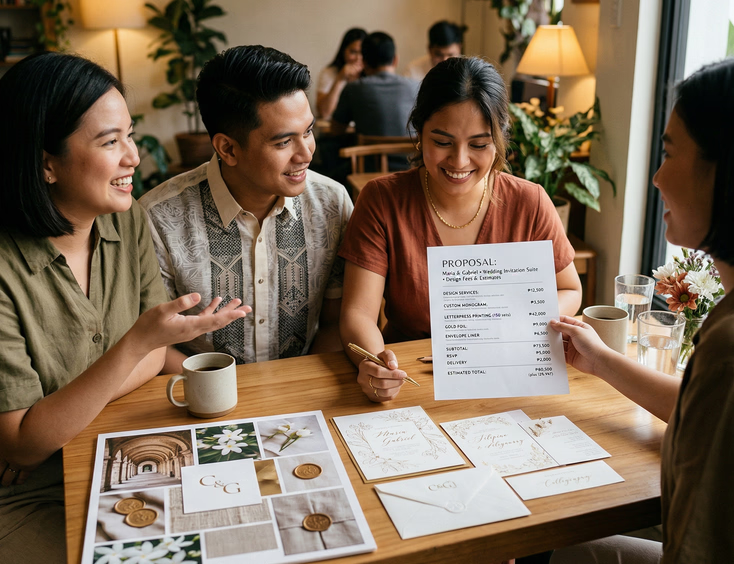
Design fees sit separately from printing costs and vary significantly depending on the designer's experience, portfolio level, and what the package includes.
Template-based design services offer pre-made layouts that the couple customizes with their details. Fees for template services range from ₱500 to ₱2,500 for the full design package including a print-ready file. These services suit couples with simpler design needs and straightforward aesthetics.
Custom design services involve a designer creating an original invitation concept specific to the couple's brief, aesthetic, and wedding details. Custom design fees in the Philippines start at ₱3,000 and reach ₱15,000 or higher for full-suite custom work from experienced designers. Designers at the higher end of this range typically include multiple revision rounds, physical mock-up delivery, and print file management in their fee.
Designer-printer packages bundle design and printing through a single supplier. These packages simplify the process and often reduce total cost compared to sourcing design and printing separately. A bundled package for a standard digital-printed suite with custom design typically runs ₱8,000 to ₱20,000 for 100 suites. Letterpress or foil packages start at ₱20,000 for 100 suites and climb depending on complexity.
What 100 Suites Actually Costs
Breaking down realistic totals by budget tier gives couples a clearer picture than per-piece figures alone.
Budget tier (₱5,000 to ₱15,000 for 100 suites): Digital printing on standard card stock, template-based design, main card and envelope only, no specialty finishes. Per-suite cost lands at ₱50 to ₱150. This tier suits couples with large guest lists and tight overall budgets. The output looks clean and professional when the template design is well-chosen and the printing shop is reliable.
Mid-range tier (₱15,000 to ₱35,000 for 100 suites): Digital printing on premium textured stock, custom or semi-custom design, full suite with RSVP card, details card, and envelope liner. Some suites in this range include partial foil stamping on the main card. Per-suite cost runs ₱150 to ₱350.
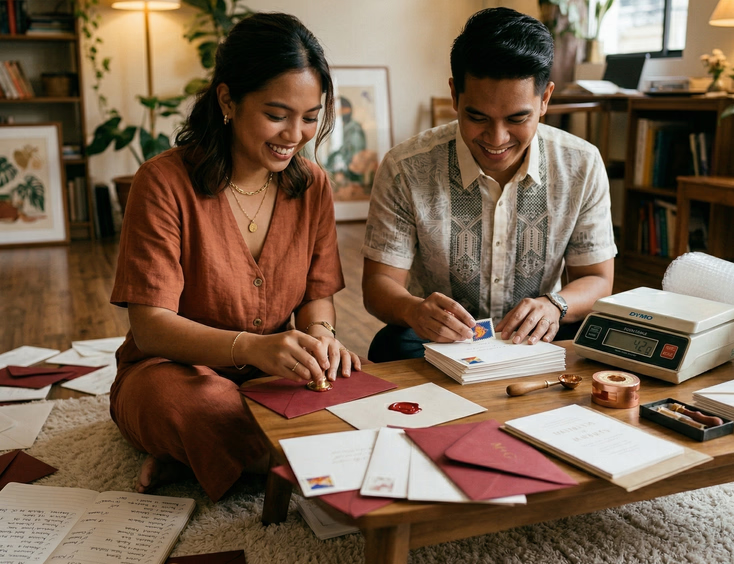
Premium tier (₱35,000 to ₱80,000 for 100 suites): Letterpress or combined letterpress and foil printing, full custom design with multiple revision rounds, complete suite on cotton or abaca paper, addressed envelopes, wax seals. Per-suite cost runs ₱350 to ₱800. This tier suits couples for whom the invitation is a significant part of the wedding experience and a piece guests keep.
Costs That Couples Frequently Overlook
Several costs sit outside the design and printing budget that couples discover mid-process.
Postage. Heavier suites with multiple inserts, specialty paper, and ribbon or wax seal additions weigh more than standard mail. Philippine Postal Corporation rates and private courier costs vary by weight and destination. Budget ₱30 to ₱80 per suite for local delivery depending on courier and suite weight. Suites going to international guests carry significantly higher shipping costs.
Extra suites for errors and keepsakes. Order 15 to 20 percent more suites than your confirmed guest count. Guest list additions happen, addressing errors occur, and couples typically want to keep several suites as personal records. Printing additional suites after the main run almost always costs more per piece than ordering them with the original run.
Calligraphy addressing. Hand-addressed envelopes by a professional calligrapher add ₱30 to ₱80 per envelope. For a guest list of 150, that adds ₱4,500 to ₱12,000 to the total. Digital calligraphy printing on envelopes costs less but does not carry the same tactile quality.
Assembly and mailing. Collating, folding, stuffing, sealing, and mailing 100 or more invitation suites takes significant time. Some couples hire their designer or a wedding coordinator to handle assembly at ₱8 to ₱15 per suite. Others absorb this as a personal task, which is free but time-consuming.
Matching Budget to Printing Choices
The clearest way to control invitation costs is to set your printing method budget first, then design within what that method supports. A couple who decides on a ₱10,000 total budget for 100 suites before speaking to any designer or printer can rule out letterpress immediately and design for digital printing from the start. A couple who falls in love with a letterpress design first and discovers the printing cost later loses time and creative investment in redesigning for affordability.
Where to have your wedding invitations printed in the Philippines covers how to find and evaluate printers by technique, location, and quality so you can match your budget tier to the right supplier before committing. If you are considering handling design and printing yourself to cut costs, DIY wedding invitations in the Philippines lays out where that saves money and where the costs of materials, equipment, and time often exceed what a budget printer would charge.
Stationery and invitation suppliers in the Philippines lists suppliers across budget tiers with service descriptions, so you can filter by printing method and price range before reaching out. Reading supplier profiles alongside client feedback gives a more accurate picture of actual delivered cost than any rate card alone.
Timing Affects Cost
Ordering invitations close to your wedding date forces you toward printers with short turnaround capacity, which typically means commercial digital printers rather than specialist studios with longer lead times. The couple who needs invitations in two weeks cannot use a letterpress studio with a four-week production window.
The Filipino wedding invitation timeline covers when to start the invitation process, when to place print orders, and when to send, so your timeline decisions do not eliminate printing options you would otherwise prefer.
The full context for Filipino wedding invitation planning sits in the complete guide to Filipino wedding invitations. If you are weighing design choices, wording decisions, and etiquette questions alongside the budget, that resource covers every stage from a single place.
Your invitation budget is a design constraint, not a creative limitation. Every price tier produces invitations worth sending when the design, printing method, and paper choice align with what that tier actually supports.
Still Searching for a Right Match?
Find Your Perfect Wedding Supplier Today!
Discover trusted wedding suppliers across the Philippines in our complete directory. Compare services and connect with the ones that fit your dream celebration.
Browse Wedding SuppliersFeatured Posts


The Complete Filipino Couple's Guide to Wedding Rings & Bands in the Philippines: Traditions, Styles, Budgets & Where to Buy
22 mins readWedding Reception Ideas that Honor Tradition and Wow Your Guests
4 mins readFilipino Wedding Dress Guide for Style Traditions and Smart Shopping
6 mins readFilipino Wedding Cost Guide - Realistic Budgets, Percentages, and Price Drivers by Region
9 mins readPhilippines Honeymoon Guide - Best Islands, Resorts, Costs & 7–14 Day Itineraries
9 mins readFilipino Wedding Games - Traditions, Modern Twists, and Crowd-Pleasers for Every Reception
8 mins read