


His and Hers Anniversary Style Guide, Coordinated Looks for Couples Without Going Matchy-Matchy
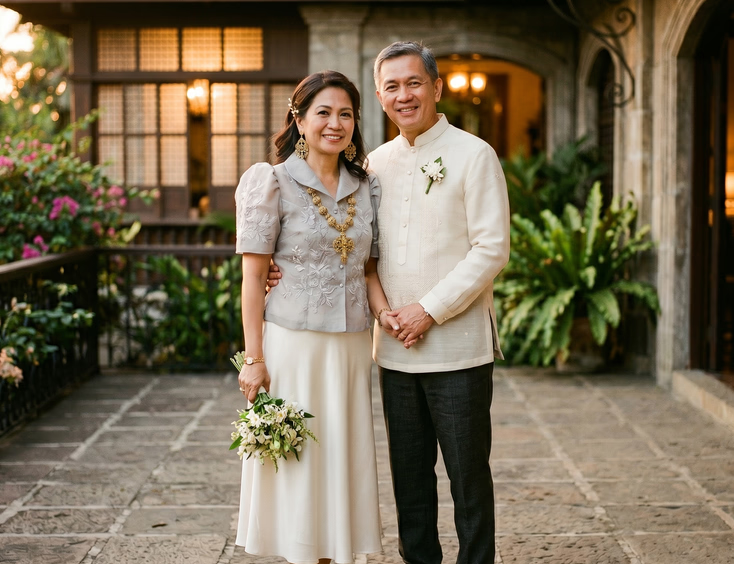
The Facebook photo from your tito and tita's silver anniversary makes you wince every time it shows up in Memories. Matching white outfits. The same shade of beige in every shot. Tita's headband identical to the embroidery on Tito's barong. The kids in coordinated polo shirts that match the floral arrangements.
Filipino anniversary photos have a long history of going too far in the coordination department. The instinct is right, the execution has historically been wrong.
Coordinated style at an anniversary celebration matters. The couple should look like a couple, not two strangers who happened to show up at the same dinner. The family should photograph cohesively, especially at milestone celebrations where the images will hang on living room walls for decades. The challenge is achieving visual coherence without veering into the wedding-cake-topper aesthetic.
This guide covers how to coordinate his and hers anniversary outfits in a way that reads intentional, looks contemporary, and ages well in photos.
Why Coordinated Style Matters at Anniversaries More Than at Other Events
A regular date night doesn't require coordination. A wedding has so many guests that coordination between the couple gets lost in the visual noise. An anniversary celebration sits in the middle, intimate enough that the couple is the visual center, formal enough that styling decisions actually register.
Three reasons coordination matters at anniversaries:
The couple is the subject of every photo. Wedding photos include 200 people. Anniversary photos include the couple, the immediate family, and a handful of friends. Every shot frames the husband and wife together. The styling decisions show up in every image.
The styling sets the formality of the celebration. Guests read the dress code from the couple. If the husband is in jeans and the wife is in a gown, the formality signal scrambles. Coordinated styling communicates the register of the event to everyone who attends.
The photos will be displayed. Anniversary portraits, especially from milestone years, end up framed in living rooms, included in family slideshows at future events, and shown to grandchildren decades later. The styling needs to hold up to the long view.
The Core Principles of Coordinated Style That Works
Match the palette, not the items. The wife's blush blouse should harmonize with the husband's cream barong, not match the husband's blush shirt. Palette coordination reads sophisticated. Item matching reads costume.
Coordinate the formality level. If the wife is in a modern terno, the husband should be in a barong tagalog, not a polo shirt. If the wife is in a cocktail dress, the husband should be in a sport coat, not a tuxedo. The formality registers should align even when the specific garments don't.
Match the cultural register. If the wife is wearing Filipiniana, the husband should wear Filipiniana. Mixing one spouse in Western attire with the other in traditional dress reads jarring in photos. The cultural register should match even when the specific designs don't.
Pick one shared anchor. A shared color, a shared fabric (both in piña, both in linen), a shared accent (matching boutonniere and corsage in similar tones). One coordination point is enough. Three or more starts to read costumey.
Avoid the white-on-white trap for non-jubilee anniversaries. White-on-white outfits read as wedding photos, which confuses the anniversary context. Save white-on-white for golden jubilees and diamond anniversaries where the formality earns it.
For the Anniversary Mass
The formality register that anchors most Filipino milestone anniversaries.
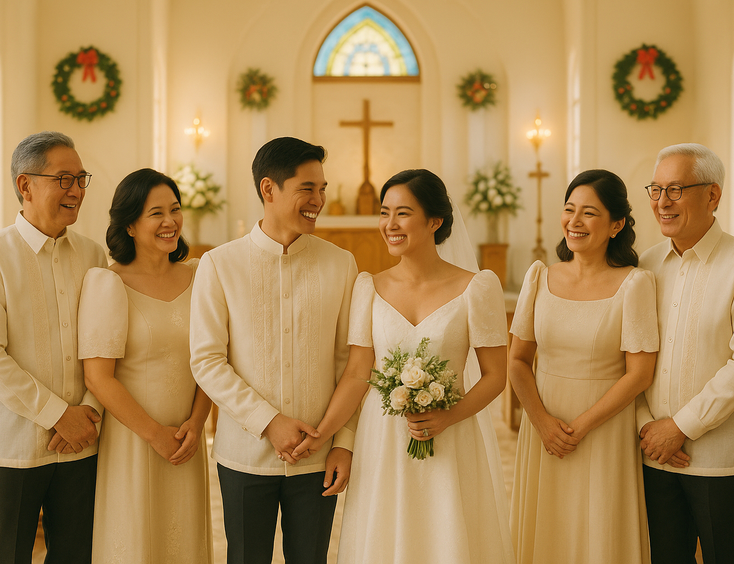
For the wife. A modern Filipiniana blouse with structured sleeves over a midi or maxi skirt. Soft cream, blush, ivory, dove gray, or muted gold for most milestones. A delicate mantilla or lace shawl for the Mass itself, removable for the reception afterward. The heritage Filipino jewelry tradition shows what jewelry pairs best with formal Filipiniana for milestone celebrations.
For the husband. A jusi or piña barong tagalog in a complementary tone to the wife's blouse. Cream barong with cream Filipiniana works for formal jubilee Masses. Beige or champagne barong with blush Filipiniana works for less formal anniversaries. Dark slacks (charcoal, black, or deep navy) anchor the bottom of the outfit. Leather dress shoes in black or dark brown. Avoid sneakers, loafers, or anything that breaks the formal register.
The coordination anchor. The wife's mantilla and the husband's barong should share fabric quality (both in piña, both in jusi) rather than identical embroidery patterns. The husband's pocket square, if used, should pull from the same palette as the wife's outfit without matching it exactly.
What to avoid. All-white outfits at non-jubilee Masses (reads as bridal). Matching embroidery patterns on the wife's blouse and the husband's barong (reads as costume). Headpieces that compete with each other (a dramatic peineta plus a heavily embroidered barong overwhelms photos).
For the Anniversary Dinner
The most flexible register, and the one most Filipino couples get wrong by underdressing.
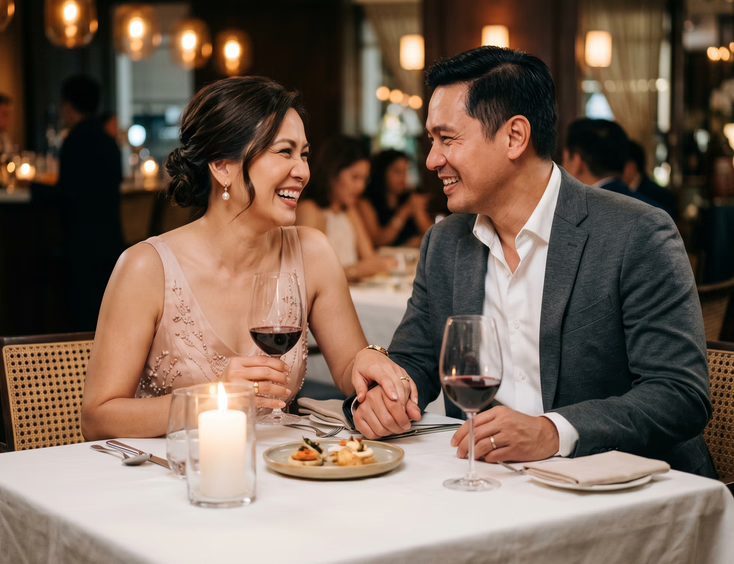
For the wife. A cocktail dress, a midi dress, or a modern Filipiniana blouse over tailored trousers or a skirt. The exact formality depends on the venue. The quiet anniversary dinner venues in Metro Manila range from refined hotel restaurants to heritage Filipino cuisine spaces, and the dress code should match.
For the husband. A sport coat over a button-down shirt, no tie, with tailored trousers. For more formal dinners at hotels like the Peninsula or Spectrum, a suit without a tie works. For casual heritage Filipino restaurants, smart casual with a refined barong polo or a linen shirt suits the venue better.
The coordination anchor. A shared neutral tone in the base layer. The wife's dress and the husband's sport coat or shirt should land in the same color family without being identical. Charcoal sport coat with a navy dress. Cream sport coat with a blush dress. The pairing should look intentional without looking matched.
What to avoid. The husband in jeans with the wife in a dress (mismatched formality reads worse in photos than overdressed). Matching accessories that overemphasize coordination (matching pocket squares and clutch bags in identical fabric). Wearing the same outfits as the wedding photos (the comparison rarely works in favor of the present).
For the Reception or Larger Celebration
The most formal register, and the one where styling decisions show up in every photo for decades.
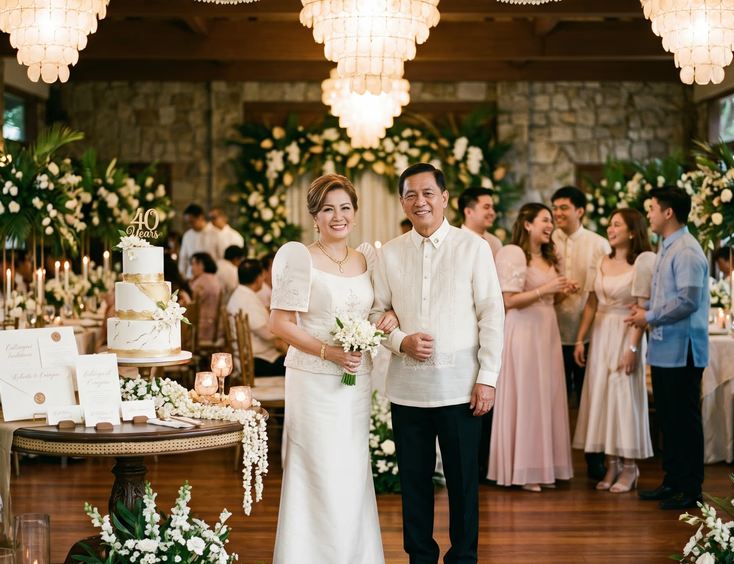
For the wife. A formal gown, a refined modern terno, or a heavily embroidered Filipiniana ensemble. Color choices follow Filipino anniversary color symbolism, with silver, gold, ruby, and pearl tones for milestone years. Heritage jewelry anchors the look. The hair styled to support a peineta, a mantilla, or a heritage hair accessory.
For the husband. A formal embroidered barong tagalog in piña or jusi, paired with formal dark trousers and dress shoes. For golden and diamond jubilees, custom barong work commissioned from Lumban or Taal embroiderers reads as more meaningful than department-store barong tagalog. A boutonniere matching the wife's bouquet completes the look.
The coordination anchor. The wife's gown color and the husband's barong base color should harmonize without matching. Ivory gown with cream barong. Champagne gown with beige barong. The wife's heritage jewelry tone (gold, rose gold, silver) should pull through to the husband's accent details like cufflinks or a watch.
What to avoid. Identical embroidery between her dress and his barong (reads as costume). Overly dramatic color contrasts (deep red gown with pure white barong photographs garishly). Anything that competes with the heritage anniversary cake or the venue styling for visual attention.
How to Coordinate When the Family Joins the Photos
Milestone anniversaries, especially silver, golden, and diamond, usually include extended family in the formal portraits.
The couple anchors the palette. The husband and wife set the color story. Everyone else follows.
Adult children dress in the same formality register, not the same color. If the couple is in cream and beige, the adult children can wear soft sage, muted blush, dove gray, or champagne. The colors should harmonize with the couple's palette without matching.
Grandchildren can wear similar tones but should never match the adults exactly. Small barongs and simple dresses in colors that complement the family palette work better than tiny replicas of what the adults are wearing.
Avoid the bridal-party aesthetic. Anniversary family photos shouldn't look like wedding party photos. The family should look like a family that dressed thoughtfully for an important occasion, not like a coordinated wedding ensemble.
Communicate the dress code in advance. A simple color palette guide (cream, blush, dove gray, champagne, soft sage) shared with the family three weeks before the celebration solves most coordination problems. Sending exact outfit photos creates the matching-aunts-and-uncles effect that ages badly.
How to Coordinate With Filipino Heritage Attire
For couples committing fully to Filipiniana and barong tagalog for the anniversary, the coordination logic changes.
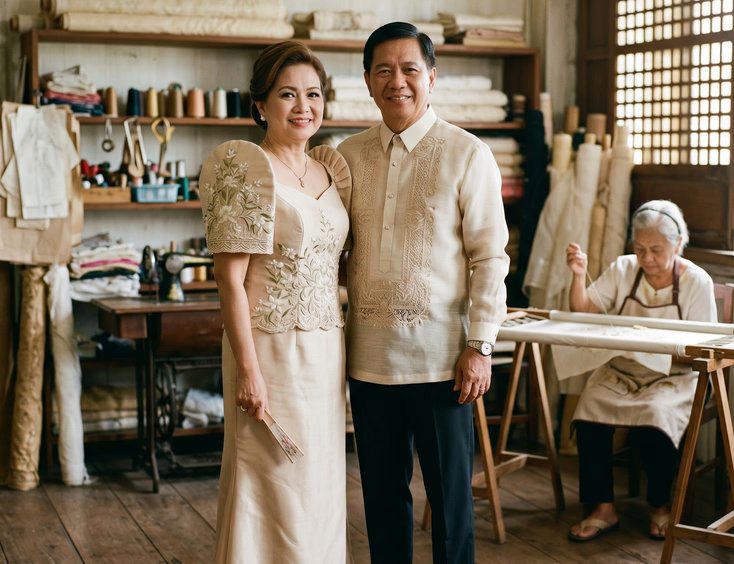
The fabric quality should match. Both spouses in piña, or both in jusi, or both in cotton-piña blends. Mixing high-end piña with department-store jusi creates a visible discrepancy in photos.
The embroidery levels should align. Heavily embroidered terno for the wife pairs with heavily embroidered barong for the husband. Restrained Filipiniana on one side and dramatic embroidery on the other creates visual imbalance.
The color story should pull from heritage palettes. Cream, ivory, soft gold, muted blush, dove gray, champagne, and the heritage neutral tones photograph better than saturated colors for Filipino heritage attire. Bright primary colors in Filipiniana often read as costume rather than refined heritage dress.
Heritage commissions take time. Custom Filipiniana from designers in Manila or embroiderers in Taal and Lumban requires 8 to 16 weeks. For milestone anniversaries, the commissioning conversation should start at least four months ahead. Many couples pair the commission with a heritage town anniversary trip and order the pieces during the trip itself.
Where to Find the Right Pieces
For modern Filipiniana and refined ternos. Designers like Patis Tesoro, Renee Salud (estate work), Cary Santiago, Mich Dulce, and the contemporary Filipiniana studios in Manila and Cebu. Made-to-order Filipiniana from established designers runs ₱45,000 to ₱350,000 depending on detail level.
For traditional barong tagalog. Master embroiderers in Taal, Batangas and Lumban, Laguna remain the standard for traditional barong work. Department-store barong from Kultura, SM, and similar retailers ranges from ₱2,500 to ₱18,000 for ready-to-wear pieces. Custom barong from Taal or Lumban runs ₱8,000 to ₱85,000 depending on the embroidery and fabric.
For contemporary cocktail dresses and gowns. Local designers like Joey Samson, Rajo Laurel, Francis Libiran, and Mark Bumgarner offer ready-to-wear and custom options. Made-to-order gowns from established designers run ₱65,000 to ₱450,000.
For Western formalwear. Custom tailoring from Senor's, Sartoria Solito, or established Manila tailors. Bespoke suits and sport coats run ₱45,000 to ₱180,000. Ready-to-wear from international brands at Greenbelt, Rustan's, and Solaire premium retail offers off-the-rack alternatives.
How Styling Fits Into the Larger Anniversary
The outfits set the visual register of the celebration. The anniversary photography captures the styling decisions for decades. The heritage anniversary cake and the stationery suite pull from the same palette decisions made for the outfits.
For couples doing milestone celebrations with full programs, the coordination with the live music ensemble's dress code and the venue styling creates the complete visual story.
The Filipino couple's guide to celebrating wedding anniversaries walks through how styling fits alongside the Mass, the dinner, the gifts, and the rest of the celebration tradition.
For couples weighing the wardrobe budget against the rest of the anniversary spend, the realistic cost breakdown for Filipino anniversary celebrations shows where outfits sit in the overall budget. For most milestone celebrations, the couple's wardrobe runs 5 to 12 percent of the total celebration spend, depending on whether the pieces are custom or ready-to-wear.
The Look That Photographs Well at 80
Twenty years from now you won't remember the venue.
You'll see the framed portrait of your golden anniversary on the living room wall and notice the dove-gray terno your wife wore, the cream barong your tailor in Taal made for you, the heritage tamburin necklace at her collar, the boutonniere of white sampaguita pinned to your chest. You'll notice that you looked like a couple who had been married fifty years, dressed for it, and stood together in front of the altar without either of you trying to outshine the other.
The styling isn't about looking matched. It's about looking married.
Pick the palette. Pull the pieces. Stand together.
Still Searching for a Right Match?
Find Your Perfect Wedding Supplier Today!
Discover trusted wedding suppliers across the Philippines in our complete directory. Compare services and connect with the ones that fit your dream celebration.
Browse Wedding SuppliersFeatured Blog Posts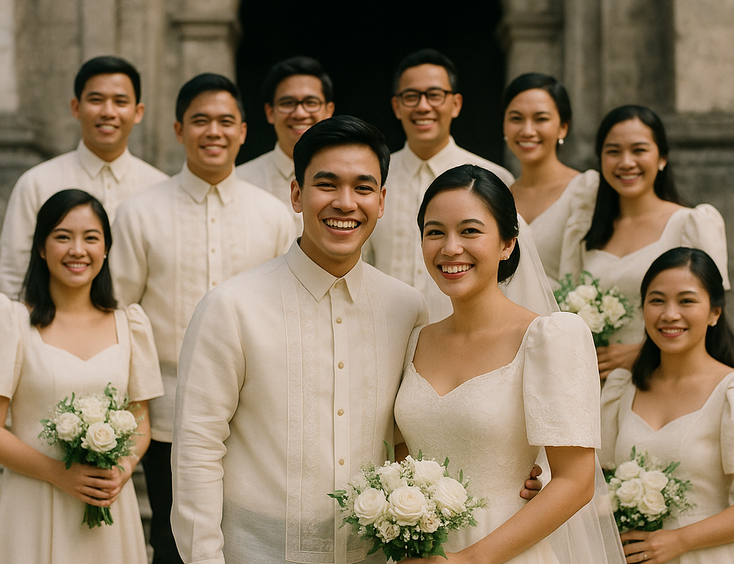
Filipino Wedding Entourage - Roles, Order of March, and Modern Etiquette
6 mins readCivil Weddings in the Philippines - Requirements, Costs, and Step-by-Step Process
9 mins readCivil Wedding Requirements in the Philippines - Complete Checklist
6 mins readCost of Wedding in the Philippines - 5 Essential Things You Need to Know
7 mins readPrincipal Sponsors (Ninong/Ninang) - How Many, How to Ask, What They Really Do
4 mins readVeil, Cord, Candle & Coins - Roles, Options, and When They Happen
4 mins readEntourage for a Traditional Pinoy Wedding - Complete Roles and Guide
6 mins readComplete List of Civil Wedding Requirements in the Philippines
8 mins readHow to Choose Wedding Ninongs and Ninangs - Ask Yourself These 3 Important Questions
5 mins read