


Anniversary Invitation and Stationery Designers in the Philippines, Where Heirloom Meets Modern
The Viber group chat went out three weeks before the dinner. The dress code was buried in message 47. Half the guests showed up in the wrong color. Your tita asked you four times if there was a program. By the time the night ended you couldn't shake the feeling that the celebration deserved more than a group chat.
Filipino anniversary celebrations are returning to printed invitations.
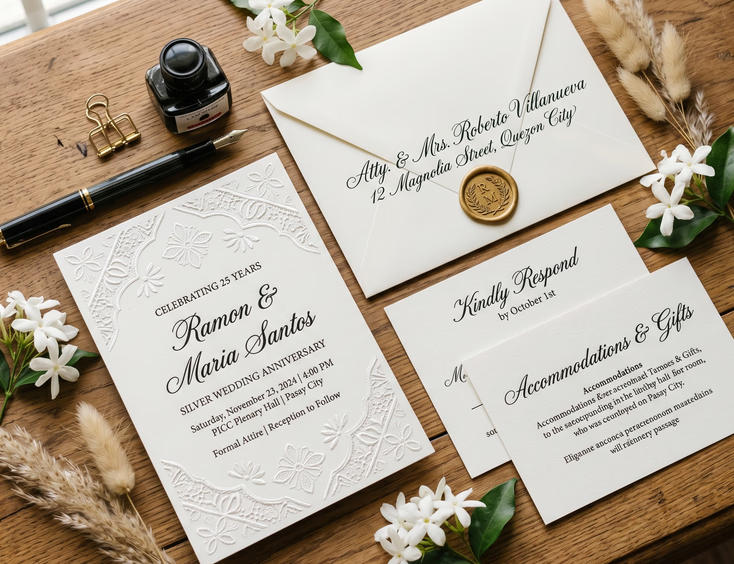
Not as a wedding cosplay. As a deliberate signal that the milestone matters enough to print. A proper invitation tells the guest the celebration carries weight, sets the visual tone for the night, and becomes a small heirloom the family keeps in a drawer next to the original wedding invitation.
This guide covers the Filipino designers working in the heritage-meets-modern space, what to commission for which milestone, and how to brief a stationer who can do the work justice.
Why Anniversary Stationery Is Different From Wedding Stationery
A wedding invitation goes to 200 guests, three months ahead, with maps and dress codes and RSVP cards and program inserts.
An anniversary invitation goes to 20 to 80 guests, six to eight weeks ahead, with fewer logistics and more meaning.
The brief changes:
The design references the marriage, not just the event. Wedding invitations announce a beginning. Anniversary invitations honor what already exists. The motifs can pull from the couple's history, the wedding invitation itself, or the Filipino heritage tradition the family carries.
The print quality matters more. A wedding invitation gets opened once and tossed (or worse, photographed and forwarded). An anniversary invitation, especially for milestone years, becomes a small heirloom. The paper, the printing technique, and the finish should reward closer inspection.
The audience is smaller and more refined. Anniversary guest lists skew older. Lolas and lolos, ninongs and ninangs, longtime parish friends. They notice paper weight. They appreciate calligraphy. They remember when invitations were printed, not Canva'd.
The designer can specialize. Wedding stationers handle volume. Anniversary stationers can take on single beautiful objects. The difference shows up in the result.
The Heritage-Modern Design Movement
The fastest-growing direction in Filipino anniversary stationery, and the one most milestone couples gravitate toward.
What it is. Stationery that draws on Filipino heritage visual languages, calado embroidery patterns, capiz shell motifs, traditional textile designs from Iloko, Maranao, and Visayan weaving traditions, and renders them in contemporary typography and layout. The result feels both rooted in place and forward in design.
Why couples choose it. Heritage-modern invitations make the anniversary feel deeply Filipino without veering into kitsch. The references signal cultural literacy. The execution signals taste. For milestone years celebrated in heritage venues or with formal Filipino dress codes, the invitation sets up the visual program of the entire celebration.
Where to find designers. Studio Vita, Inksteady, Letters by Lily, and the boutique stationery designers working through Instagram. Many of the best heritage-modern stationers don't have storefronts. They take commissions through DM, run small studios, and produce 20 to 60 anniversary suites a year.
What to commission. A two-piece suite at minimum. The main invitation card and an RSVP card or detail card. For milestone years, expand to a four-piece suite with a separate program, a map or accommodations card, and a thank-you note for after the celebration.
What it costs. A custom heritage-modern invitation suite for 50 guests: ₱18,000 to ₱65,000 depending on the designer, the printing technique, and the number of pieces. Top-tier designers with custom illustrations: ₱45,000 to ₱150,000.
Letterpress and Foil-Stamped Stationery
The most traditional print technique, and the one that turns the invitation into a tactile object.
What it is. Letterpress creates impressions in heavy cotton paper by pressing the design into the surface. Foil stamping adds metallic finishes in gold, silver, copper, or rose gold. Both techniques produce invitations that guests can feel before they read.
Why couples choose it. The tactile quality matters at milestone anniversaries. A guest opening a letterpress invitation can feel the design with their fingertips. The technique also references the Filipino tradition of formal correspondence, where calling cards and formal invitations were always printed, never digital.
Where to find designers. Inksteady for letterpress. Foil & Filigree for foil stamping. The Letterpress Studio in BGC for traditional craftsmanship. Independent designers like Studio Manila offer hybrid letterpress and foil work for couples who want the formality of both techniques.
What to commission. Letterpress works best with simple, strong typography. Foil works best with metallic accents on a darker background. For milestone years, combining both techniques on the same suite creates depth most digital printing can't match.
What it costs. A letterpress invitation suite for 50 guests: ₱22,000 to ₱75,000. Foil-stamped variations: ₱18,000 to ₱62,000. Combined letterpress and foil suites: ₱35,000 to ₱120,000.
Calligraphy and Hand-Lettered Stationery
The most personal direction, and the one that turns each envelope into a small piece of art.
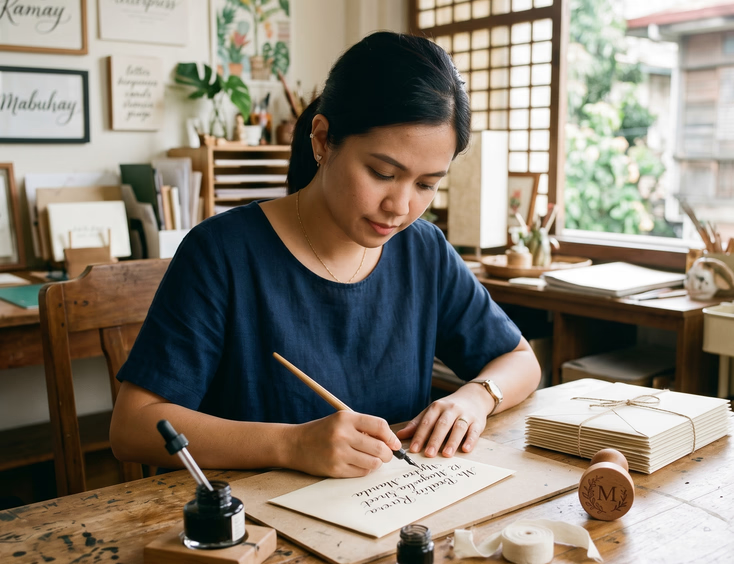
What it is. Stationery where the lettering is hand-drawn by a calligrapher, either as the entire design or as accent elements over printed templates. The envelope addresses are often hand-calligraphed individually, which makes the invitation feel addressed to the guest specifically rather than blast-printed.
Why couples choose it. Hand-lettered work signals care. For milestone anniversaries, especially golden and diamond years, the gesture of hand-addressing 40 envelopes communicates that each guest matters. Many Filipino couples commission calligraphy specifically for the inner verse or the family names on the invitation.
Where to find designers. Calligraphy specialists like Erika Pearl, Camille Co's calligraphy work, and the growing community of independent Filipino calligraphers who advertise through Instagram. Many run small studios that combine calligraphy with hand-bound suites.
What to commission. Hand-calligraphed envelopes for the full guest list. A custom hand-lettered headline or monogram on the main invitation. For milestone years, a hand-bound program or memory book that the calligrapher addresses individually.
What it costs. Hand-calligraphed envelopes alone: ₱120 to ₱350 per envelope. Full hand-lettered invitation suite for 50 guests: ₱28,000 to ₱85,000. Combined with letterpress or foil printing on the main piece: ₱45,000 to ₱150,000.
Watercolor and Illustrated Stationery
The most romantic direction, and the one that introduces color and storytelling into the invitation suite.
What it is. Invitations that incorporate watercolor illustrations, hand-painted floral elements, or custom illustrated portraits of the couple, the venue, or the heritage location. The visual language stays soft and personal.
Why couples choose it. Watercolor and illustration work well for anniversary celebrations held in heritage venues, gardens, or outdoor settings. The visual softness suits couples who want the invitation to feel like an extension of the celebration's aesthetic rather than a formal announcement.
Where to find designers. Illustrator-stationers like Studio Vita, the Penmanship in Manila, and watercolor specialists who advertise through wedding directories. Many do custom venue illustrations, especially for heritage churches or family ancestral homes.
What to commission. A custom watercolor illustration of the heritage church where the anniversary Mass takes place. A hand-painted floral border drawn from the flowers in the couple's wedding. A custom portrait illustration of the couple in milestone-appropriate Filipiniana attire.
What it costs. A watercolor invitation suite for 50 guests with custom illustration: ₱22,000 to ₱75,000. Custom venue or couple portrait illustrations alone: ₱8,000 to ₱35,000.
Minimalist Modern Stationery
The pared-back direction, and the one that suits intimate anniversary celebrations.
What it is. Clean typography, generous white space, single-color printing, refined paper stock. The opposite of fussy. The invitation communicates through restraint rather than ornament.
Why couples choose it. Modern minimalism suits anniversary celebrations that lean toward quiet dinners, intimate family gatherings, and contemporary venues rather than full receptions in heritage ballrooms. Couples in their thirties and forties celebrating fifth, tenth, and fifteenth anniversaries often gravitate toward minimalist stationery.
Where to find designers. Modern studios like The Stationery Edit, Paper & Press, and independent designers working in the Scandinavian-influenced minimal aesthetic. Many also handle wedding invitations for couples who want a coherent visual style across both events.
What to commission. A single piece of paper, beautifully printed, with the essential information and nothing else. The minimalist invitation works hardest when the typography and paper do all the work.
What it costs. A minimalist invitation suite for 50 guests: ₱8,000 to ₱28,000. Premium paper stocks and refined typography: ₱14,000 to ₱42,000.

Digital Stationery for Modern Anniversaries
The category most Filipino couples default to, and the one worth doing well if you choose it.
What it is. Digitally designed invitations sent through email, group chats, or wedding-specific apps. The design quality varies wildly from Canva templates to fully custom digital suites with animation, motion graphics, and interactive RSVP systems.
Why couples choose it. Speed. Cost. Convenience. For anniversary celebrations announced last-minute or for couples whose guest lists live primarily in messaging apps, digital invitations make sense. The risk is treating the invitation as throwaway content, which signals that the celebration is throwaway.
How to do digital well. Commission a digital invitation from the same designers who do printed work. Many heritage-modern stationers offer digital versions of their printed suites for couples who want the design quality without the print logistics. The digital invitation should still feel designed, not generated.
What to commission. A custom-designed digital invitation in high-resolution format that recipients can save. An RSVP system that doesn't require a Facebook account. A program insert that guests can reference on the day of the celebration.
What it costs. A custom digital invitation from a heritage-modern designer: ₱4,500 to ₱18,000. Templates from established platforms: ₱0 to ₱2,500.
How to Brief an Anniversary Stationery Designer
Bring the original wedding invitation. The single best brief for an anniversary stationer is the wedding invitation itself. The designer can reference the original directly, update the visual language, and create continuity between the two events. For silver and golden couples, this gesture often becomes the centerpiece of the design conversation.
Specify the milestone and the formality. A fifth anniversary intimate dinner needs different stationery than a golden jubilee reception for 150 guests. Tell the designer the year, the venue type, the guest count, and the formality level. The brief should be enough that the designer can recommend the appropriate suite size and printing technique.
Discuss the printing timeline. Letterpress and foil stamping require four to six weeks from approval to delivery. Calligraphy adds another two weeks. Plan backward from the mail-out date, which should be six weeks before the celebration. For milestone years, allow three to four months from first consultation to mail-out.
Provide the heritage references. If you want the invitation to reference your hometown, your family's textile tradition, or the heritage church where the Mass takes place, bring photos. The designer can translate visual references into typography, illustration, and color palette decisions that abstract references can't communicate.
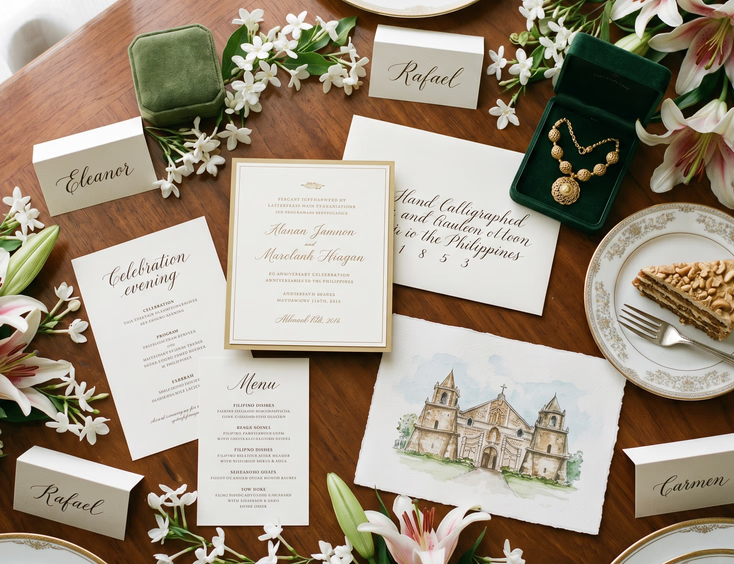
Coordinate with the rest of the celebration. The invitation sets the visual tone for the entire anniversary. The heritage-inspired anniversary cake design, the venue styling, and the program all reference back to the invitation's design language. Many designers offer day-of stationery (menus, place cards, programs) as part of an extended suite.
Confirm the calligraphy and addressing. If you want hand-addressed envelopes, confirm the calligrapher's availability and timeline. Most calligraphers can address 30 to 50 envelopes per day. For larger guest lists, the calligraphy work needs to start before the rest of the suite is finalized.
How Stationery Fits Into the Larger Anniversary
The invitation is the first impression of the celebration, and the artifact that survives it.
For couples doing milestone jubilee celebrations, the invitation announces the silver or golden anniversary blessing, sets the tone for the formal program, and becomes part of the visual continuity with the heritage cake, the live music, and the venue styling.
For couples celebrating with intimate dinners, the invitation extends the quiet anniversary dinner experience into something printed and held. The guest receives the invitation, anticipates the dinner, and keeps the card as a memento afterward.
The Filipino couple's guide to celebrating wedding anniversaries walks through how stationery fits alongside the Mass, the gifts, the venue, and the rest of the tradition.
For couples weighing the stationery budget against the larger celebration spend, the realistic cost breakdown for Filipino anniversary celebrations shows where stationery sits in the overall budget. For most milestone celebrations, stationery runs 2 to 5 percent of total spend.
For couples building heritage-anchored anniversaries, pairing the invitation design with Filipino heirloom jewelry given as the anniversary gift creates a coherent visual story across the printed materials, the cake, and the gift presented during dinner.
The Card That Outlasts the Celebration
Twenty years from now you won't remember the menu.
You'll remember opening your parents' golden anniversary invitation and seeing your father's hand-calligraphed name on the envelope. You'll remember the heritage-modern card from your in-laws' silver anniversary tucked into the same drawer as the original wedding invitation from 1985. You'll remember the watercolor invitation from your own tenth anniversary, painted by the same artist who painted your wedding programs.
The card becomes the anchor of the memory. The dinner ends. The cake gets eaten. The invitation stays in the drawer.
Pick the designer. Commission the work. Print the celebration.
Still Searching for a Right Match?
Find Your Perfect Wedding Supplier Today!
Discover trusted wedding suppliers across the Philippines in our complete directory. Compare services and connect with the ones that fit your dream celebration.
Browse Wedding SuppliersFeatured Blog Posts

Filipino Wedding Entourage - Roles, Order of March, and Modern Etiquette
6 mins readCivil Weddings in the Philippines - Requirements, Costs, and Step-by-Step Process
9 mins readCivil Wedding Requirements in the Philippines - Complete Checklist
6 mins readCost of Wedding in the Philippines - 5 Essential Things You Need to Know
7 mins readPrincipal Sponsors (Ninong/Ninang) - How Many, How to Ask, What They Really Do
4 mins readVeil, Cord, Candle & Coins - Roles, Options, and When They Happen
4 mins readEntourage for a Traditional Pinoy Wedding - Complete Roles and Guide
6 mins readComplete List of Civil Wedding Requirements in the Philippines
8 mins readHow to Choose Wedding Ninongs and Ninangs - Ask Yourself These 3 Important Questions
5 mins read