


Hiring Wedding Musicians in the Philippines
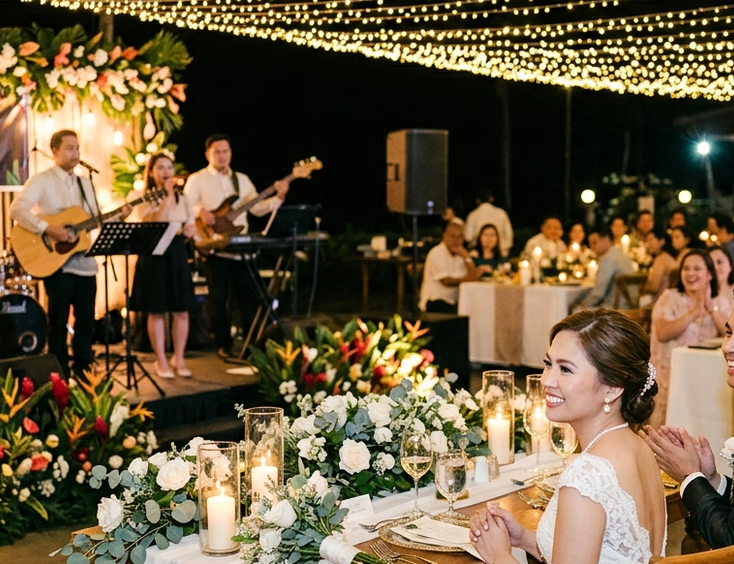
Filipino couples give music a central role on their wedding day. Your choice of musician shapes how guests feel during the processional, the reception entrance, and the last dance.
You have more options than a standard band or playlist. This guide covers musician types and pricing for Philippine weddings, along with booking timelines and the questions to ask before signing a contract.
Types of Wedding Musicians in the Philippines
Your budget, venue size, and preferred atmosphere will narrow the field. Below are the musician types Filipino couples book most.
Live Bands
A full wedding band brings energy no playlist can match. Most Philippine wedding bands cover pop, acoustic, jazz, and bossa nova. A standard lineup includes a vocalist, guitarist, keyboardist, drummer, and one string or wind player.
Bands perform best at receptions where you want guests on the dance floor. A four- to six-piece group can carry the full evening, from cocktail sets through the money dance. If you're weighing ensemble size, our guide on choosing between a live band, solo singer, or string quartet for your Filipino wedding compares each option side by side.
Solo Singers
A solo vocalist fits church ceremonies and intimate receptions. Singer rates in the Philippines start at PHP 1,500, making a soloist practical for couples working within a tighter budget. Many perform over a backing track or alongside a single acoustic guitarist.
Acoustic Duos
A guitarist paired with a vocalist creates a warm, stripped-down sound. Garden ceremonies and cocktail hours benefit from this format most. Acoustic duos at Filipino weddings have grown popular in recent years, and couples with smaller guest lists favor the setup.
String Quartets
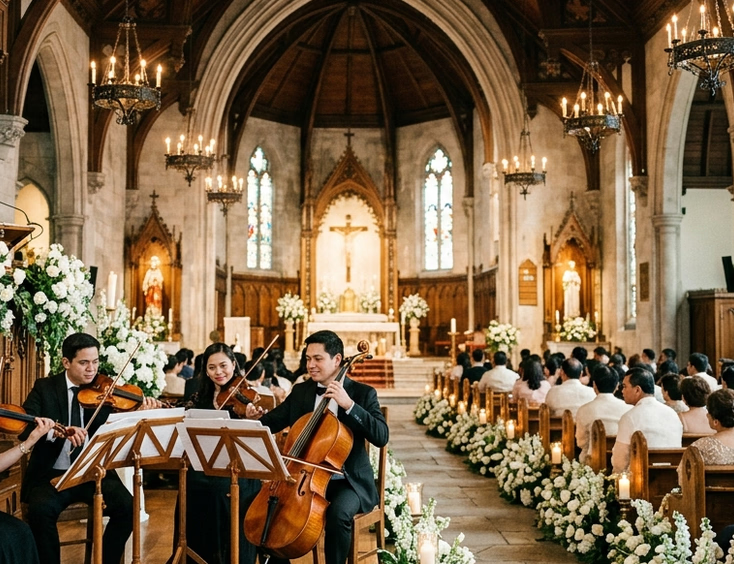
Two violinists, a violist, and a cellist produce a tone that fills a church. String quartets handle classical pieces and modern OPM arrangements with equal polish. In Metro Manila, a quartet starts at around PHP 17,000, while a quintet costs about PHP 22,000.
Jazz Bands
A jazz ensemble gives your reception a lounge-style atmosphere with standards and smooth pop covers. If jazz fits your taste, our guide on hiring a wedding jazz band for your reception in the Philippines covers pricing and logistics.
Harpists
Few couples in the Philippines book a harpist, and that rarity makes the instrument memorable. A harpist suits church ceremonies and garden settings where the acoustic character of the instrument can project without heavy amplification. Read about harpists for weddings in the Philippines to see if this fits your celebration.
Pianists
A pianist covers classical ceremony pieces and upbeat pop at the reception without switching performers. Couples in the Philippines book pianists often because of that flexibility. Our post on why a pianist is one of the most versatile wedding musicians in the Philippines explores the full scope.
Cellists
A cellist fills churches and outdoor venues with deep, resonant sound. You can feature a cellist during the veil and cord ceremony, the processional, or your first dance. If you want something less expected than a violin, consider hiring a cellist for your wedding in the Philippines.
Saxophonists
A saxophonist adds a smooth layer to cocktail hours and dinner sets. You can pair one with a jazz combo or a solo acoustic guitarist for a fuller sound. Our guide on saxophone for weddings in the Philippines covers how couples use this instrument across different program segments.
Flutists
A flutist produces a light, airy sound suited to processionals and the liturgical sections of a Catholic ceremony. If your wedding takes place in a church, hiring a flutist for your Filipino wedding ceremony is worth a closer look.
Brass Quartets
Trumpets, trombones, French horns, and tubas deliver bold, festive sound. You can use brass for entrance fanfares, recessionals, and upbeat reception segments. Read about brass quartets for Filipino wedding receptions for setup and pricing details.
Trumpet Soloists
A trumpet player commands attention during recessionals and program highlights. The bright tone cuts through large venues and outdoor spaces with ease. Our guide on trumpet soloists for weddings in the Philippines covers how couples use this instrument to anchor key moments.
Strolling Violinists
A strolling violinist walks among your guests during cocktails or dinner, playing requests table by table. Guests interact with the performer up close, and the music becomes part of the conversation. Learn more about strolling violinists at Filipino wedding receptions and why guests love this format.
Live Musician or DJ?
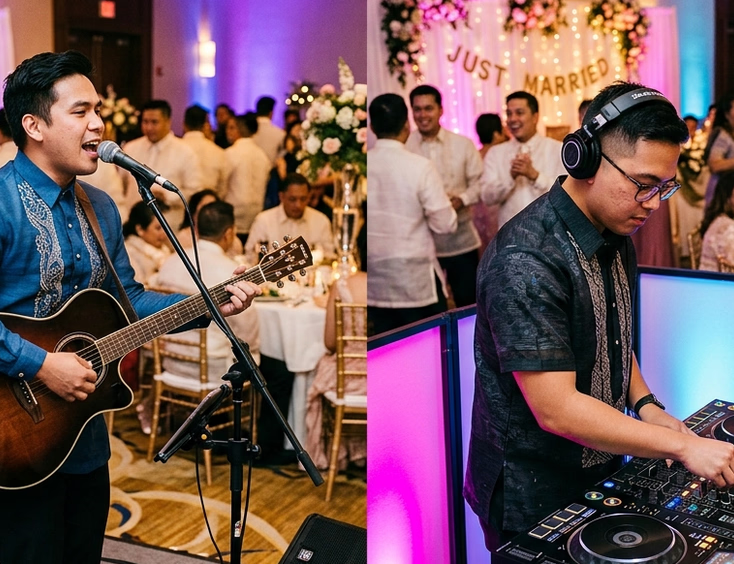
You set the tone for the reception with this decision. A live musician adjusts tempo and energy in real time based on crowd response. A DJ offers a wider song library at a lower price point.
Many couples book both for different segments of the program. Our comparison of DJ vs. live musician for Filipino weddings helps you weigh the trade-offs before you commit.
Surprise Entertainment: The Singing Waiter
A singing waiter blends in with your catering staff during dinner, then surprises guests with a vocal performance mid-meal. Filipino guests respond with cheers and standing ovations. Coordinators rank it among the most talked-about reception moments.
Read about singing waiters for Filipino wedding receptions to see if this fits your celebration.
How Much Do Wedding Musicians Cost in the Philippines?
Pricing depends on ensemble size, performer experience, event duration, and whether the venue is inside or outside Metro Manila. Below are typical ranges for Metro Manila weddings.
| Musician Type | Estimated Cost (PHP) |
|---|---|
| Solo singer | 1,500 to 15,000 |
| Acoustic duo | 5,000 to 15,000 |
| String trio | 16,000 to 20,000 |
| String quartet | 17,000 to 22,000 |
| String quintet | 19,000 to 29,000 |
| Full band (5 to 6 pieces) | 22,000 to 60,000 |
| Add-on instrumentalist | 3,000 to 3,500 per player |
Additional fees can include travel, accommodation, equipment rental, and meals. Some providers charge overtime at PHP 1,000 per hour per performer. Meal allowances run around PHP 500 per performer, payable two weeks before the event.
You can lower costs by booking during off-peak months. January, February, June, and December are peak wedding months in the Philippines. Scheduling outside those windows gives you more negotiating room and a wider pool of available musicians.
Wedding packages that bundle musicians with your venue and coordinator offer another path to savings. Most band packages include the performers, their instruments, and their sound and lighting equipment.
Booking Timeline
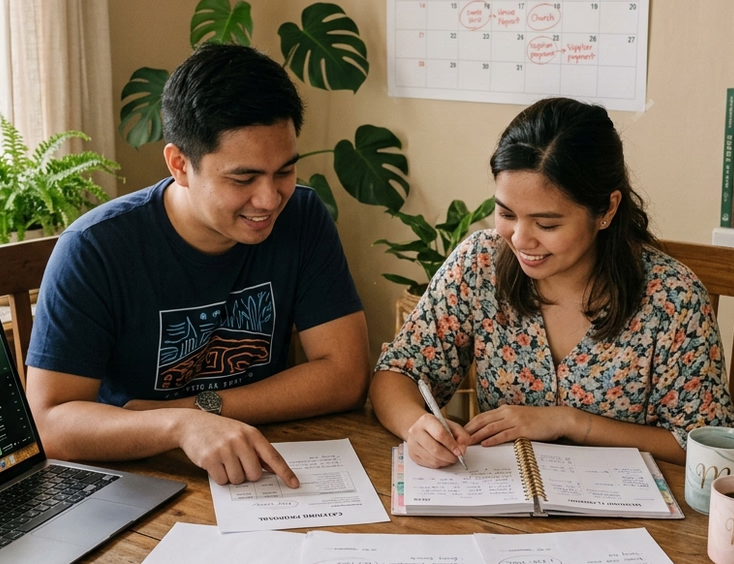
Book your wedding musicians 6 to 12 months before the event for the best selection. Popular bands and solo artists fill their calendars during peak months, so early booking secures your preferred date and lineup.
10 to 12 months before
Research musician types. Attend live gigs or watch performance videos. Shortlist three to five options.
8 to 10 months before
Request quotes and check availability. Compare packages. Ask about overtime charges, equipment fees, and add-ons.
6 to 8 months before
Book your musician. Pay the reservation fee and sign the contract. Confirm details: package type, contact numbers, event date, church and reception venues, musician attire, and logistics.
3 to 4 months before
Submit your song list. Most bands ask you to choose from their repertoire. Songs outside the repertoire may cost PHP 1,000 each and require additional rehearsal time.
1 month before
Finalize the program flow with your musician and wedding coordinator. Confirm load-in time, setup duration, and meal arrangements.
2 weeks before
Pay the remaining balance in cash or through bank deposit. Send final reminders on attire, parking, and venue access.
Questions to Ask Before You Book
Get clarity on pricing, logistics, and performance details before you sign.
- Does your rate cover both ceremony and reception, or do you price those separately?
- Are you the same performers who will play on the wedding day, or do you rotate members?
- Do you bring your own sound equipment, or do you need the venue's system?
- How long is your standard performance set, and what do you charge for overtime?
- Can you learn songs outside your repertoire, and is there an extra fee?
- Do you require meals, parking, or a dressing room at the venue?
- Have you performed at our chosen venue before?
- Can we attend one of your upcoming gigs before we finalize?
Some bands rotate members across events. Confirm whether the lineup you auditioned will be the same group on your wedding day.
Matching Musicians to Your Venue
Match your musician to your venue's size, acoustics, and power supply.
Churches and cathedrals
String quartets, solo vocalists, cellists, and harpists project well in high-ceilinged spaces without heavy amplification.
Garden and outdoor venues
Acoustic duos, solo guitarists, and strolling violinists suit open-air settings. You'll need a portable sound system because outdoor spaces lack natural reverberation.
Hotel ballrooms
Full bands, jazz ensembles, and brass quartets fill ballrooms well. Most hotels provide built-in sound systems and stage areas. Confirm equipment compatibility with your band before the event.
Intimate restaurants and private estates
A pianist or a vocalist-guitarist pair fits a 50- to 80-person guest list without overwhelming the room.
Building Your Wedding Music Program
Most Filipino weddings move through four musical phases. You can use one musician across multiple phases or hire different performers for each.
Ceremony
A string quartet, pianist, harpist, or solo vocalist covers the processional, offertory, communion, and recessional. Catholic ceremonies favor classical and sacred music. Civil ceremonies give you more creative freedom with genre.
Cocktail hour
An acoustic duo, jazz combo, or strolling violinist keeps guests entertained while you take photos. Keep the volume at a level that allows conversation.
Reception dinner
A full band, jazz ensemble, or solo pianist provides background music during the meal. Coordinate with your host to time transitions between courses and program segments.
Party and dancing
A high-energy band or DJ takes over for the bouquet toss, garter throw, money dance, and open dancing.
Find Your Wedding Musicians
Browse wedding musicians in the Philippines to compare profiles, check availability, and request quotes from verified performers near your venue.
Still Searching for a Right Match?
Find Your Perfect Wedding Supplier Today!
Discover trusted wedding suppliers across the Philippines in our complete directory. Compare services and connect with the ones that fit your dream celebration.
Browse Wedding SuppliersFeatured Blog Posts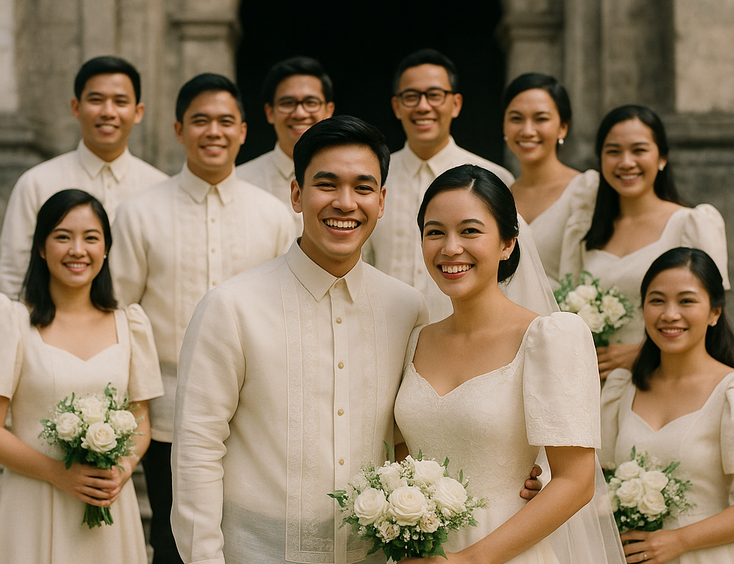
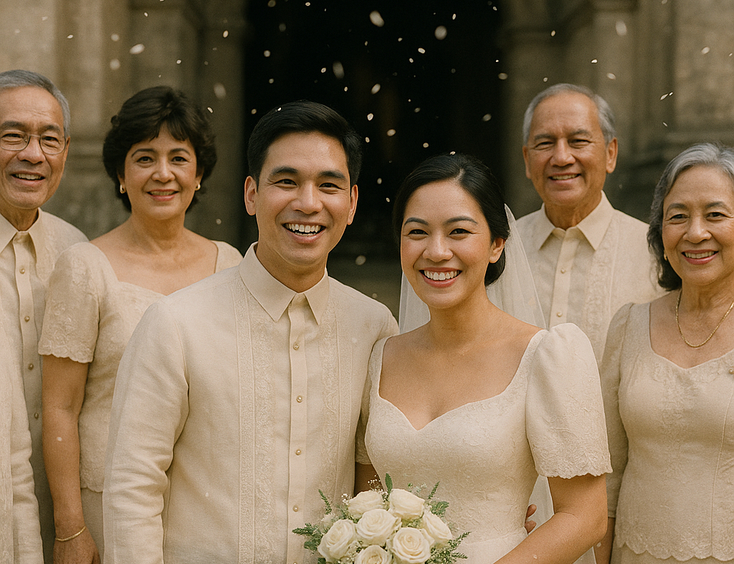
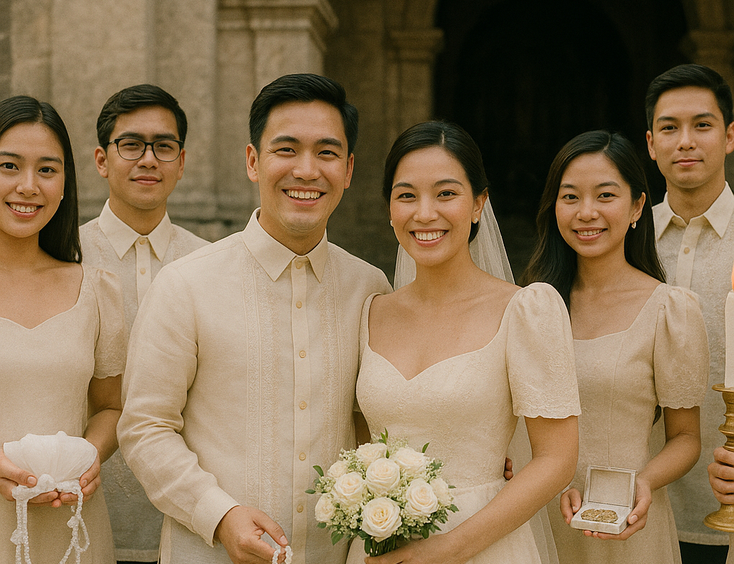
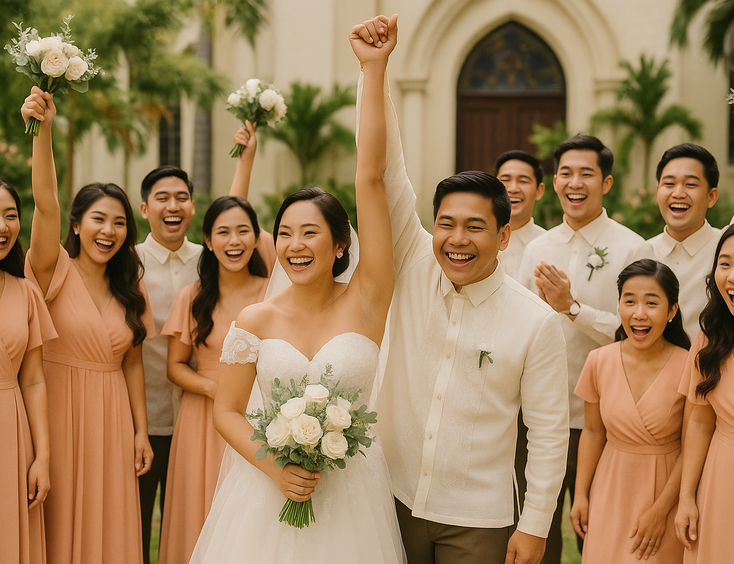
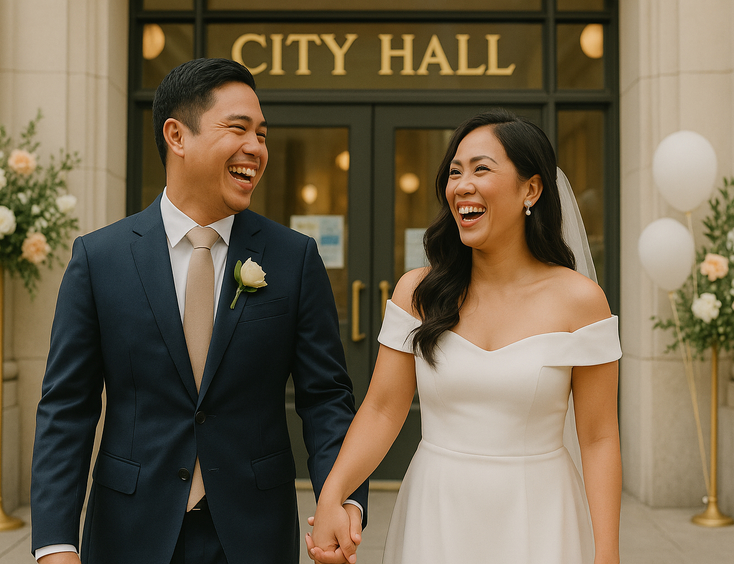

Filipino Wedding Entourage - Roles, Order of March, and Modern Etiquette
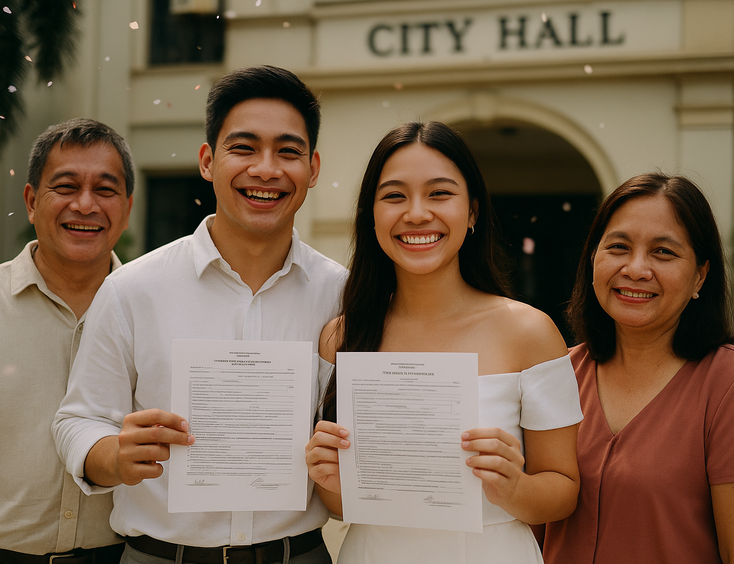
6 mins readCivil Weddings in the Philippines - Requirements, Costs, and Step-by-Step Process
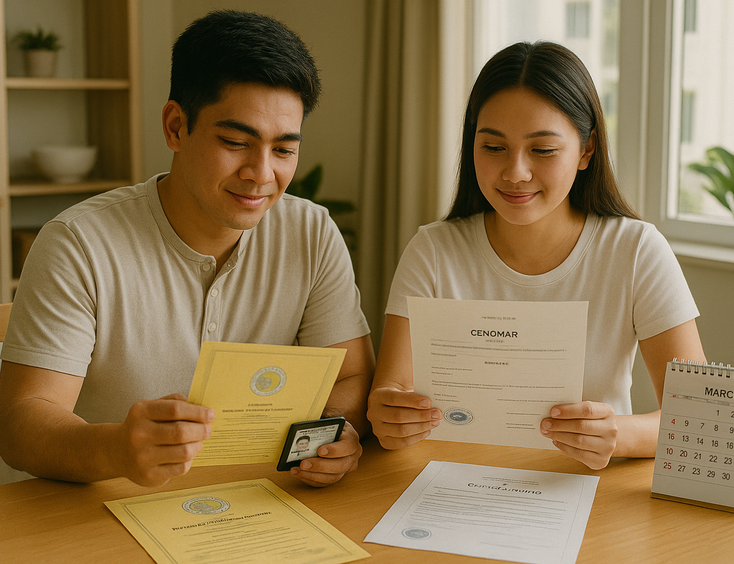
9 mins readCivil Wedding Requirements in the Philippines - Complete Checklist
6 mins readCost of Wedding in the Philippines - 5 Essential Things You Need to Know
7 mins readPrincipal Sponsors (Ninong/Ninang) - How Many, How to Ask, What They Really Do
4 mins readVeil, Cord, Candle & Coins - Roles, Options, and When They Happen
4 mins readEntourage for a Traditional Pinoy Wedding - Complete Roles and Guide
6 mins readComplete List of Civil Wedding Requirements in the Philippines
8 mins readHow to Choose Wedding Ninongs and Ninangs - Ask Yourself These 3 Important Questions
5 mins read