


Strolling Violinist at a Filipino Wedding Reception: What It Is and Why Guests Absolutely Love It
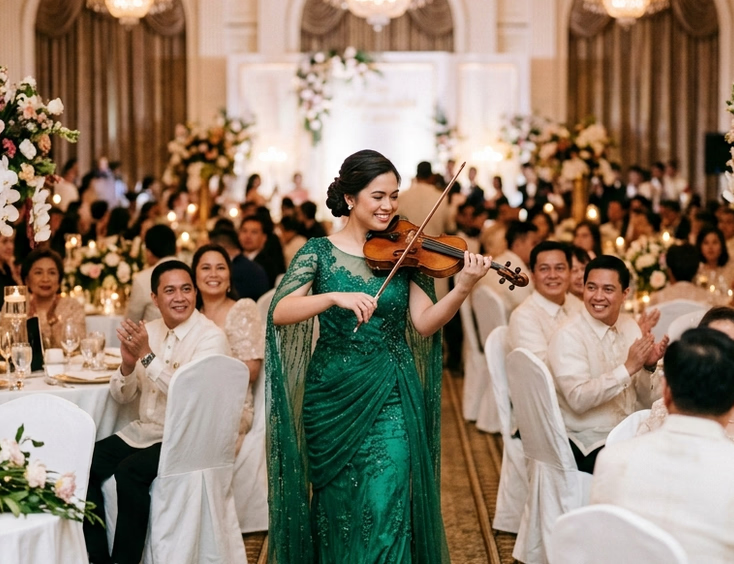
A strolling violinist walks among your guests and plays live music tableside. The musician moves from one group to the next, performing requests, serenading couples, and creating intimate musical moments in the middle of a crowded reception.
This differs from a stage performer. A violinist on stage plays for the room. A strolling violinist plays for the table. Your tita hears her favorite love song two feet away. Your parents get serenaded during their table visit. The couple at the corner table stops mid-conversation and watches.
For couples hiring wedding musicians in the Philippines, a strolling violinist adds a layer of entertainment that feels personal without requiring a stage, sound system, or spotlight.
How Strolling Violin Works During a Filipino Wedding Reception
Filipino wedding receptions follow a structured flow. The strolling violinist slots into specific parts of that flow without disrupting the program.
Cocktail hour: This is the most common window. Guests mingle, take photos, and wait for the couple to arrive. A strolling violinist fills that gap with live music that moves through the crowd. No dead air. No awkward silence between the ceremony and the party.
Dinner service: While guests eat, the violinist walks between tables and plays softer pieces. Filipino receptions seat anywhere from 100 to 500 guests. The strolling format lets one musician cover a large ballroom by rotating through table clusters over the course of the meal.
Table visits by the couple: Many Filipino receptions include the bride and groom visiting each table for photos and conversation. A strolling violinist can follow the couple or play nearby, adding a soundtrack to those moments without a microphone or emcee narration.
Special dedications: The violinist can pause at the parents' table and play a song chosen by the couple. A piece for the bride's mother. A favorite of the groom's late grandfather. These small, targeted performances land harder than any stage number because the recipient is three feet away.
Why Filipino Wedding Guests Respond So Well to It
Filipino guests are expressive. They sing along, clap, cheer, and cry at weddings. A strolling violinist feeds that energy by bringing the music to them instead of asking them to face a stage.
The format creates surprise. Guests don't expect a violinist to appear beside their table mid-meal. That element of discovery gets people pulling out their phones, recording videos, and tagging the couple on social media. Your reception becomes content without you hiring a content crew.
Older guests appreciate it too. Your lolo and lola may not get up to dance, but a violinist playing "Dahil Sa Iyo" or "Ikaw" at their table gives them a moment they'll talk about for months.
The strolling format also breaks the fourth wall of wedding entertainment. Stage performances create a performer-audience divide. A strolling violinist removes that wall. Guests become part of the music, not spectators of it.
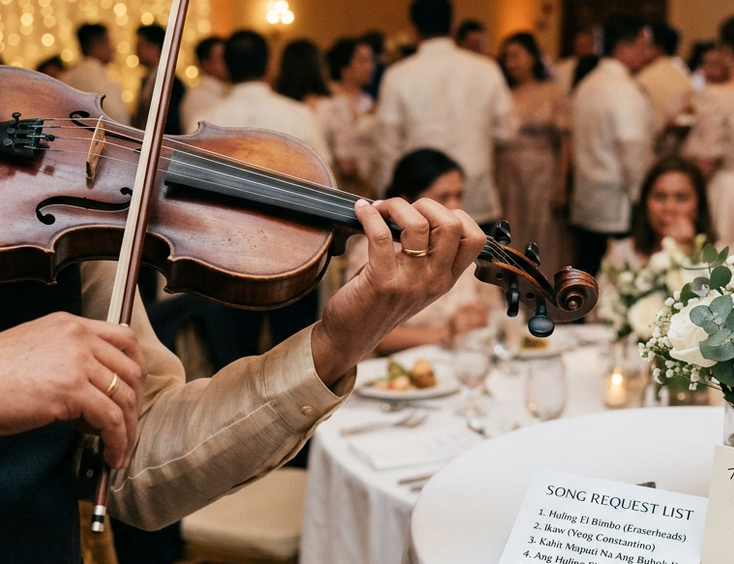
Song Selection for a Strolling Violinist at a Filipino Reception
Your violinist needs a versatile setlist. Filipino wedding receptions span generations, and your guests' tastes will range from OPM classics to modern pop ballads to traditional folk songs.
Songs that work well for strolling violin include:
- OPM classics: "Ikaw" by Yeng Constantino, "Kahit Maputi Na Ang Buhok Ko" by Rey Valera, "Forevermore" by Side A
- International ballads: "A Thousand Years" by Christina Perri, "Perfect" by Ed Sheeran, "Can't Help Falling in Love" by Elvis Presley
- Classical pieces: Pachelbel's Canon in D, Bach's Air on the G String, Meditation from Thaïs
- Filipino folk: "Dahil Sa Iyo," "Sapagkat Kami Ay Tao Lamang"
Ask your violinist for their repertoire list during booking. Most strolling violinists carry 50 to 100 songs they can play from memory. Submit your must-play songs at least one month before the wedding so the musician can prepare any arrangements outside their standard list.
You can also allow guests to make live requests. Some violinists enjoy this interaction. Others prefer a pre-approved setlist to maintain quality. Clarify this preference during your planning meetings.
Strolling Violinist vs. Stage Violinist: The Difference Matters
A stage violinist performs a set from a fixed position, often with a sound system and backing track. The audience listens from their seats. The energy flows one direction.
A strolling violinist performs acoustically, moves through the venue, and engages guests face to face. The energy is two-directional. The musician reads the room, adjusts the setlist based on guest reactions, and creates micro-moments that a stage setup cannot replicate.
Both formats work at Filipino weddings. But they serve different purposes. A stage violinist fits the program segments: first dance, parent dances, formal performances. A strolling violinist fills the in-between moments: cocktails, dinner, table visits.
Some couples hire one violinist to do both. The musician plays on stage for key program moments and strolls during meals and cocktails. If you want this hybrid format, confirm with the musician during booking. Playing for two or three hours while walking requires stamina and breaks.
Practical Booking Tips for Filipino Couples
Book 6 to 12 months ahead. Peak wedding months in the Philippines are January, February, June, and December. Experienced strolling violinists get booked fast during these windows.
Confirm the performance duration. Most strolling violinists play for one to three hours. Anything beyond three hours may incur overtime charges. A typical rate runs around 1,000 pesos per extra hour per performer. Clarify this before signing the contract.
Ask about venue experience. Ballrooms, garden receptions, and beach weddings each present different challenges. A hotel ballroom has air conditioning and flat floors. A garden venue has uneven terrain and ambient noise from wind or waves. Your violinist should have experience adapting to these conditions.
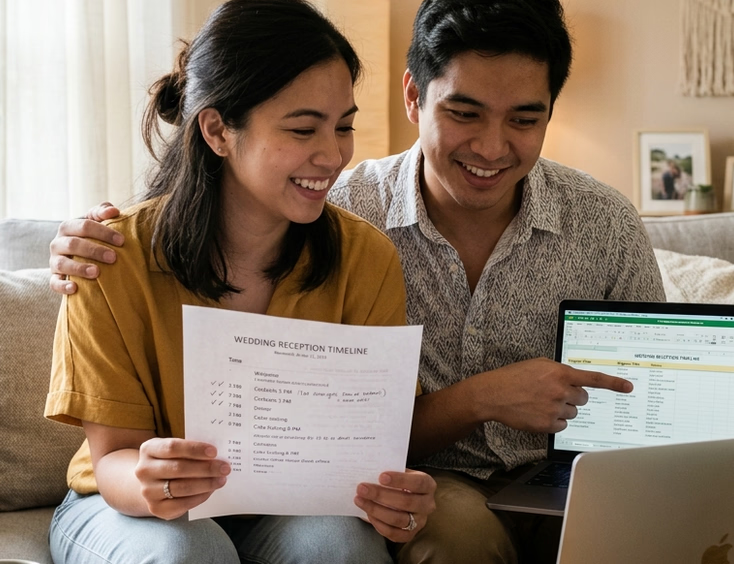
Coordinate with your emcee and coordinator. The strolling violinist needs to know when to play and when to pause. If the emcee is about to call the bouquet toss, the violinist should stop and step aside. Share your reception program timeline with the musician at least two weeks before the event.
Provide a meal and a short break. Standard practice for Filipino weddings is to provide meals for all vendors, including musicians. A meal allowance of around 500 pesos per performer is common if a plated or buffet meal is unavailable. Schedule at least one 15-minute break per hour of performance.
Discuss attire. Filipino weddings often follow a dress code or color motif. Let the violinist know your preference. A gown, cocktail dress, or barong tagalog are standard options depending on the formality of your reception.
What a Strolling Violinist Costs in the Philippines
Rates depend on the musician's experience, location, and performance hours. A live wedding musician in the Philippines may cost anywhere from 5,000 PHP to 60,000 PHP. A solo strolling violinist sits on the lower to mid range of that spectrum.
Factors that affect pricing:
- Performance duration (one hour vs. three hours)
- Travel to venues outside Metro Manila
- Special song arrangements or requests
- Whether the violinist provides their own amplification for outdoor venues
Some violinists offer package rates that include both ceremony and reception coverage. If you want the same musician to play at your church wedding and stroll at your reception, ask about bundled pricing. This often costs less than hiring two separate musicians.
Compare this to a full live band or a jazz band for your reception. A strolling violinist delivers a premium guest experience at a fraction of the ensemble cost.
Pairing a Strolling Violinist with Other Musicians
A strolling violinist pairs well with other performers across your wedding timeline. You don't need to choose one or the other.
Ceremony: Hire a trumpet soloist or a harpist for the church. Then bring in the strolling violinist for the reception.
Cocktail hour: The strolling violinist covers cocktails while an acoustic duo sets up on stage for the reception program.
Reception program: The strolling violinist plays during dinner. A DJ or band takes over for dancing after the program. If you're weighing that decision, read through the DJ vs. live musician debate to see which format fits your party.
This layered approach gives your wedding a varied musical texture across the day. Each musician owns a specific moment, and the strolling violinist owns the most personal ones.
Venue Considerations for Strolling Violin
Hotel ballrooms: The most common Filipino reception venue. Carpeted floors, controlled temperature, and good acoustics make ballrooms ideal for strolling violin. The violinist can move between round tables without obstacles.
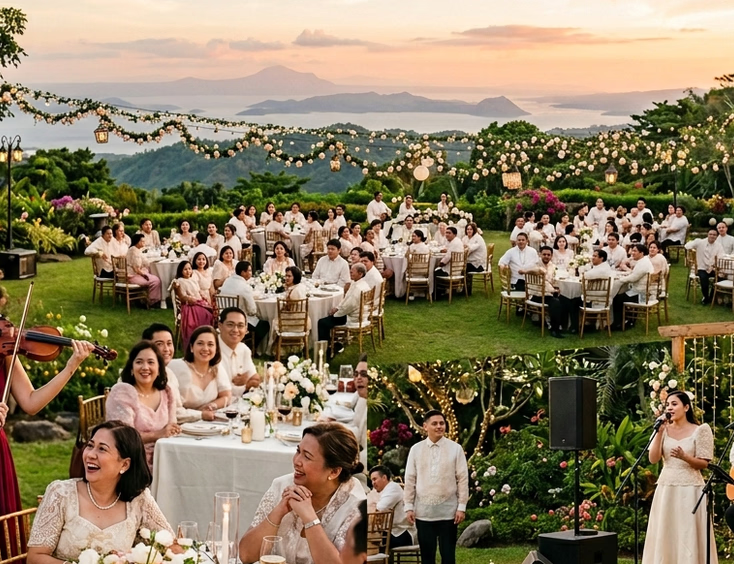
Garden or outdoor venues: Tagaytay, Antipolo, Batangas, and other popular outdoor wedding destinations present wind and ambient noise. An acoustic violin may struggle to project in open air. Ask your violinist whether they use a clip-on microphone or wireless pickup for outdoor settings.
Beach weddings: Sand, humidity, and salt air affect wooden instruments. Not every violinist will accept a beach booking. If your reception is on the beach, confirm that the musician is comfortable performing in those conditions and has protection for their instrument.
Restaurant receptions: Smaller, more intimate venues work well for strolling violin. Fewer tables mean more time per group. The violinist can play two or three songs per table instead of one. Guests in these settings remember the music because they had more of it.
How to Find the Right Strolling Violinist
Look for musicians who list strolling or roaming performance as a specialty. Not every violinist is comfortable walking a room and engaging strangers mid-meal. The role requires stage presence, social confidence, and the ability to read a crowd in real time.
Ask for video clips of past strolling performances. Watch how the musician interacts with guests. Do they make eye contact? Do they smile? Do they adjust their position based on the table's response? These details separate a great strolling violinist from a good one.
Check reviews from past wedding clients. Look for mentions of guest reactions, professionalism, punctuality, and flexibility with song requests.
Browse our wedding musicians directory to find strolling violinists and other performers available for Filipino weddings across the Philippines.
A Strolling Violinist Turns Background Music into a Guest Experience
Recorded playlists fill the silence. A stage band fills the dance floor. A strolling violinist fills the spaces between: the quiet dinner
Still Searching for a Right Match?
Find Your Perfect Wedding Supplier Today!
Discover trusted wedding suppliers across the Philippines in our complete directory. Compare services and connect with the ones that fit your dream celebration.
Browse Wedding SuppliersFeatured Blog Posts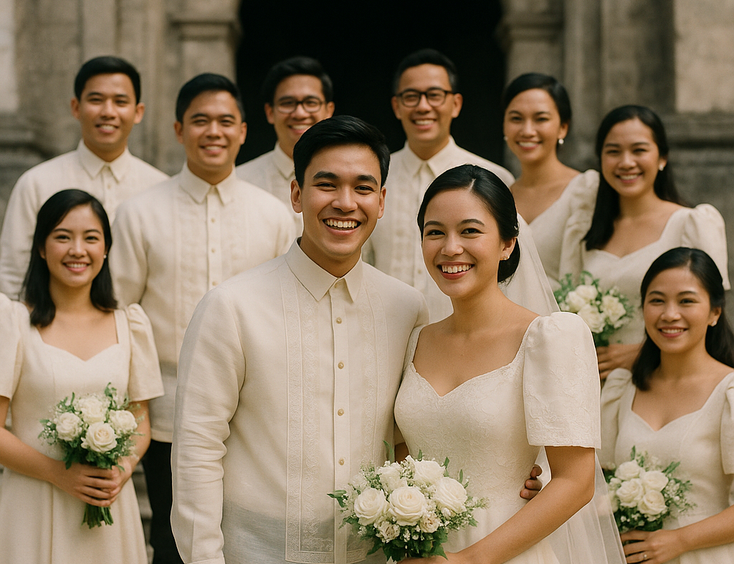

Filipino Wedding Entourage - Roles, Order of March, and Modern Etiquette
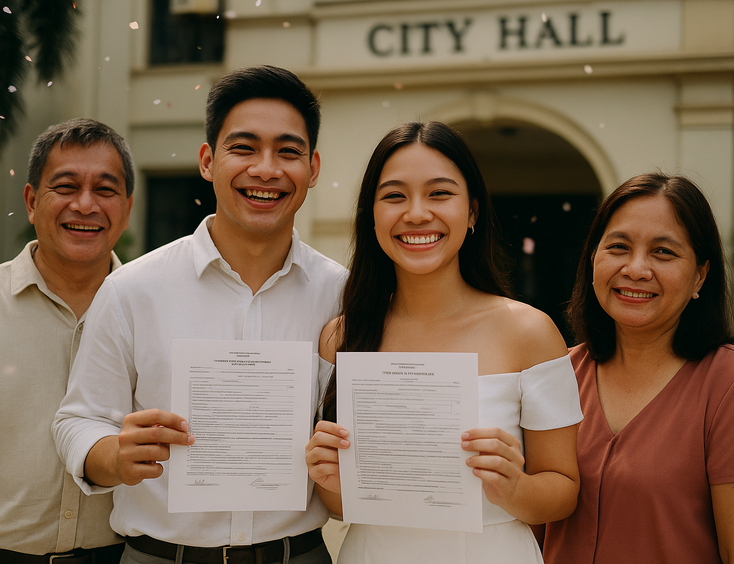
6 mins readCivil Weddings in the Philippines - Requirements, Costs, and Step-by-Step Process
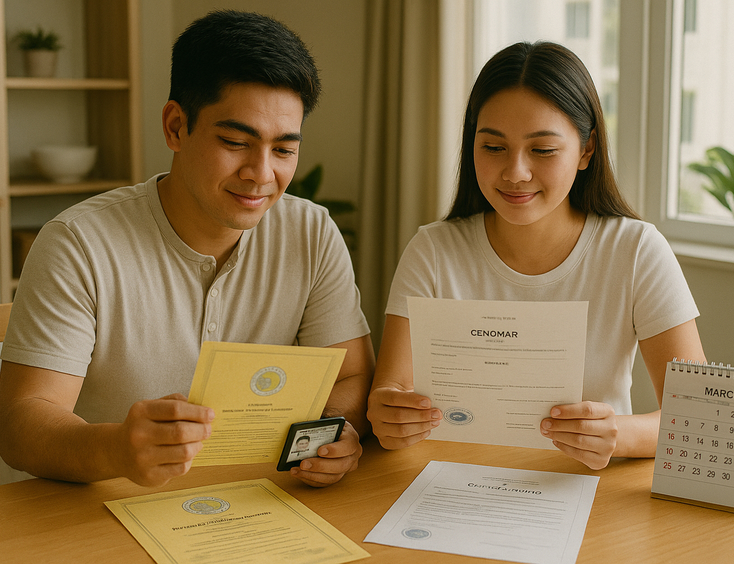
9 mins readCivil Wedding Requirements in the Philippines - Complete Checklist
6 mins readCost of Wedding in the Philippines - 5 Essential Things You Need to Know
7 mins readPrincipal Sponsors (Ninong/Ninang) - How Many, How to Ask, What They Really Do
4 mins readVeil, Cord, Candle & Coins - Roles, Options, and When They Happen
4 mins readEntourage for a Traditional Pinoy Wedding - Complete Roles and Guide
6 mins readComplete List of Civil Wedding Requirements in the Philippines
8 mins readHow to Choose Wedding Ninongs and Ninangs - Ask Yourself These 3 Important Questions
5 mins read