


Should You Hire a Flutist for Your Filipino Wedding Ceremony?
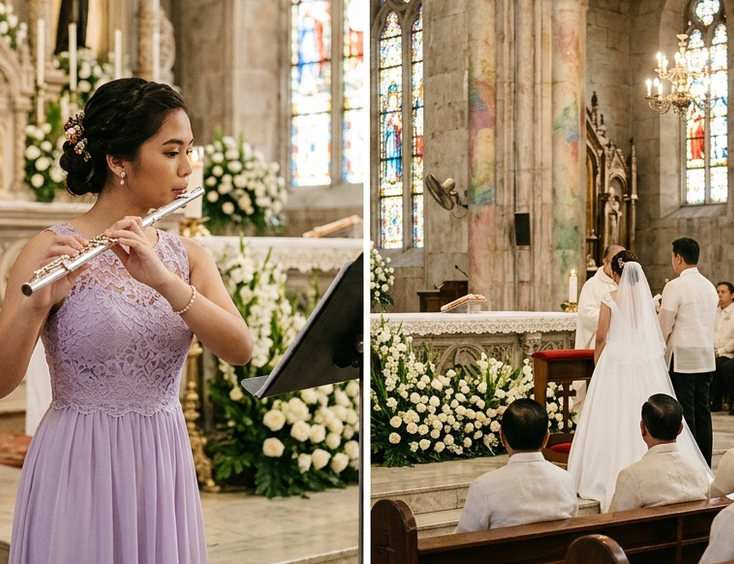
Most Filipino wedding ceremonies feature vocalists, choirs, or string instruments. A flute offers a lighter, more ethereal quality that contrasts with those familiar choices. The tone floats above ambient noise without competing with it, and it carries well in churches with high ceilings and stone or concrete walls.
Filipino guests may associate the flute with classical music or orchestras, but a skilled flutist performs across genres. Sacred hymns, OPM ballads, contemporary love songs, and traditional Filipino folk melodies all translate well to the instrument. If you're comparing options for hiring wedding musicians in the Philippines, a flutist deserves a spot on your shortlist.
Ceremony Moments That Suit a Flute
A solo flute can cover every musical cue in a Catholic wedding ceremony. Each moment calls for a different mood, and the flute handles those shifts on a single instrument.
Prelude. Guests arrive and settle into their seats. Soft flute melodies set the tone before the procession begins. Classical pieces like Debussy's Syrinx or Bach's Flute Sonata in E-flat work well here. Lighter OPM instrumentals also fit.
Processional. The entourage walks down the aisle. A flute playing Canon in D, Bridal Chorus, or a Filipino hymn arrangement gives the procession a graceful, airy quality.
Offertory. The couple presents their gifts at the altar. A reflective piece on solo flute adds reverence without drawing attention away from the ritual.
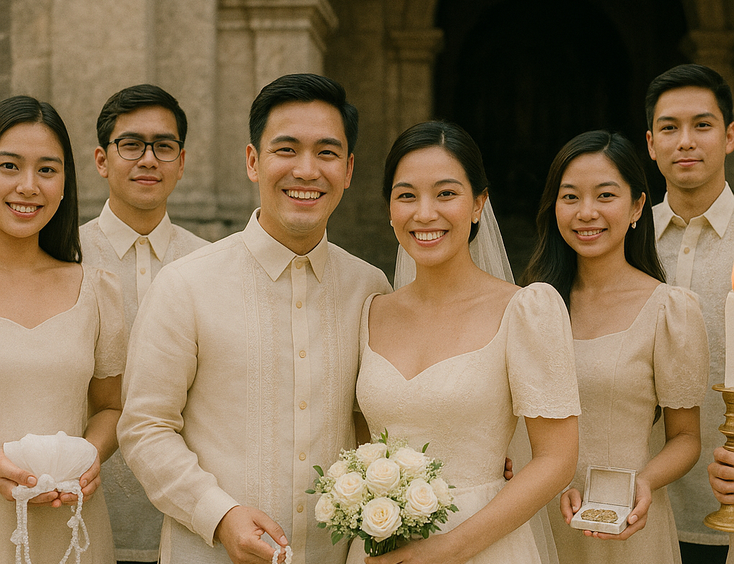
Cord, Veil, and Coins. Sponsors step forward to place the cord, veil, and arrhae. A sustained flute melody underneath this segment gives it emotional weight and helps the moment breathe.
Recessional. The couple walks out as a married pair. A bright, celebratory flute piece signals the shift in energy. Mendelssohn's Wedding March works, but an upbeat Filipino folk tune adds a personal touch.
The Sound Profile Works for Church Acoustics
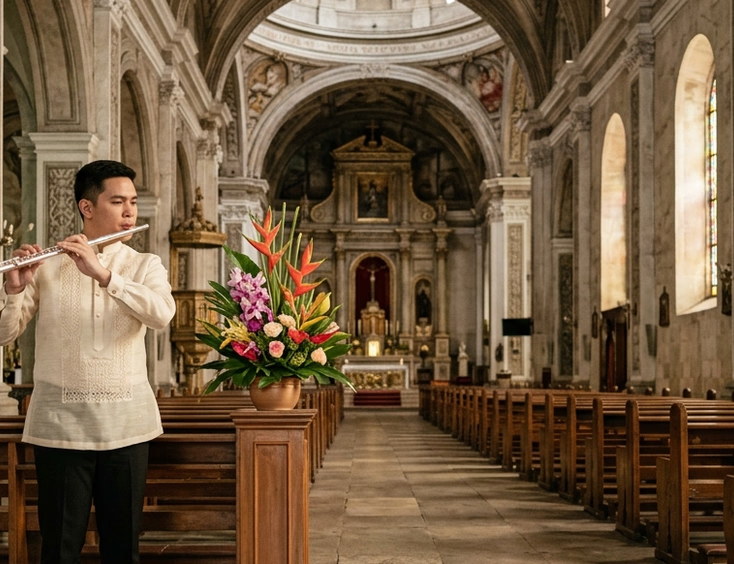
Filipino Catholic churches vary in size and construction. Large stone churches in Intramuros, Cebu, and Iloilo have long reverberation times. Smaller parish churches in the provinces absorb more sound. A flute works in both environments.
In large churches, the flute's tone projects and sustains through natural reverb. The sound fills the space without amplification. In smaller venues, the flute stays present without overwhelming the room.
Compare this to a brass instrument like a trumpet, which can dominate a small church, or a harp, which may struggle to project in a large nave without a microphone. A flute sits in the middle of that range, balancing projection and restraint.
Pairing a Flutist With Other Musicians
A solo flute carries a ceremony well. Adding a second musician gives you more harmonic depth and a wider range of arrangement options.
Strong pairings for Filipino wedding ceremonies include:
- Flute and piano for a classic, full sound during the processional and offertory
- Flute and guitar for a softer, acoustic feel suited to garden chapels and intimate venues
- Flute and cellist for a warm, layered combination during reflective moments like the cord and veil
- Flute and violin for a bright, melodic duo during the recessional
A pianist serves as a strong foundation for a flute duo because the piano covers bass, harmony, and rhythm. The flutist handles melody. That split lets both musicians stay in their strongest range without stepping on each other.
You can book a flutist solo for the ceremony and add a second musician for cocktails or the reception if your budget allows.
Beyond the Ceremony
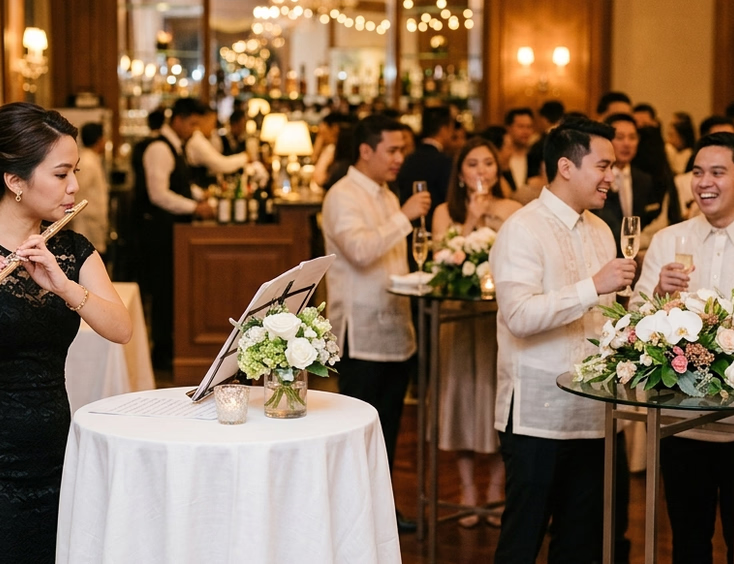
Most couples think of a flute as a ceremony-only instrument. A flutist can extend into cocktail hour and parts of the reception.
During cocktails, a solo flute playing jazz standards, bossa nova, or light pop covers creates a refined background. The sound is unobtrusive enough for conversation but present enough to maintain atmosphere. A flutist who uses a loop pedal can layer phrases and build a fuller sound without a backing track.
For the reception, a flute works well during dinner and the couple's first dance. A flutist playing a melodic arrangement of your chosen song over a backing track or alongside a pianist adds a live element that a playlist cannot replicate.
The instrument reaches its limits during high-energy portions of the reception. Open dancing and party sets favor louder instruments or a DJ. If you're planning a full reception music setup, consider pairing your flutist with a DJ for the dance portion or handing off to an acoustic duo for the party segment.
Outdoor Ceremony Considerations
Garden weddings in Tagaytay, beach ceremonies in Palawan, and hillside venues in Bukidnon all present challenges for live musicians. Wind, humidity, and open-air acoustics affect how sound carries.
A flute handles outdoor settings better than some instruments. The sound is directional, which means the flutist can aim the projection toward the seated guests. A small clip-on microphone and a portable speaker solve most volume issues for larger outdoor spaces.
Wind is the main concern. Strong gusts can scatter sheet music and affect breath control. Your flutist should use a weighted music stand or a tablet with a secure mount. A location with partial wind cover, such as a pergola, a covered pavilion, or a tree-lined aisle, reduces the problem.
Humidity can affect wooden flutes, but most professional flutists use silver or nickel instruments that hold up well in tropical conditions. Confirm with your flutist what instrument they use and whether they've performed outdoors in Philippine weather before.

Cost and Booking Details
A solo flutist costs less than a choir, a string quartet, or a full band. Rates vary by location, experience, and hours booked.
Metro Manila-based flutists with wedding experience tend to charge more than those outside the capital, but they also bring wider repertoires and their own sound equipment. Destination weddings add travel, accommodation, and meal costs to the base rate.
Ask these questions before you book:
- Do you charge per segment (ceremony only) or per hour?
- Can you extend into cocktail hour or the reception on the same contract?
- Do you bring your own amplification for outdoor ceremonies?
- Can you learn specific songs outside your standard setlist, including OPM and contemporary tracks?
- Do you perform with backing tracks or a loop pedal?
- What is your setup and soundcheck time?
- Do you need a meal provision or transportation allowance for destination weddings?
Get answers in writing and confirm the repertoire list before signing. A flutist who knows your song choices and venue layout will perform with confidence on the day.
Is a Flutist Right for Your Wedding?
A flute adds a light, graceful quality to a Filipino wedding ceremony that few other instruments deliver. The sound fits church acoustics, translates across genres, and pairs well with other musicians. For cocktail hours and reception dinners, a flutist extends beyond ceremony duties and keeps live music going through the quieter parts of your day.
If you value a distinctive sound over volume and want a musician who can adapt to both traditional Catholic liturgy and modern love songs, a flutist is a strong hire.
Browse trusted wedding musicians in the Philippines and start reaching out to flutists who match your ceremony style and venue.
Still Searching for a Right Match?
Find Your Perfect Wedding Supplier Today!
Discover trusted wedding suppliers across the Philippines in our complete directory. Compare services and connect with the ones that fit your dream celebration.
Browse Wedding SuppliersFeatured Blog Posts

Filipino Wedding Entourage - Roles, Order of March, and Modern Etiquette
6 mins readCivil Weddings in the Philippines - Requirements, Costs, and Step-by-Step Process
9 mins readCivil Wedding Requirements in the Philippines - Complete Checklist
6 mins readCost of Wedding in the Philippines - 5 Essential Things You Need to Know
7 mins readPrincipal Sponsors (Ninong/Ninang) - How Many, How to Ask, What They Really Do
4 mins readVeil, Cord, Candle & Coins - Roles, Options, and When They Happen
4 mins readEntourage for a Traditional Pinoy Wedding - Complete Roles and Guide
6 mins readComplete List of Civil Wedding Requirements in the Philippines
8 mins readHow to Choose Wedding Ninongs and Ninangs - Ask Yourself These 3 Important Questions
5 mins read