


Hiring a Wedding Planner or Coordinator in the Philippines

Planning a wedding in the Philippines means coordinating dozens of suppliers and tracking a long list of deadlines. A wedding planner or coordinator handles that load for you so you and your partner can focus on the celebration.
Philippine suppliers use these titles as if they mean the same thing, though. Planners and coordinators provide different levels of support at different price points. Before you book one, you need to know the difference.
Planner, Coordinator, or On-the-Day Coordinator
A wedding planner joins you soon after the engagement. You work together to set the budget, choose the venue, build a supplier team, and map out a timeline over several months. The planner attends tastings, ocular visits, and meetings alongside you.
A wedding coordinator steps in after you've made the big decisions. You've booked the venue and the caterer. The coordinator takes those pieces and builds a cohesive plan, a master timeline, and a day-of execution strategy.
An on-the-day coordinator (OTD) shows up on the wedding day to run the program you've built. They direct suppliers, cue the entourage, and solve problems as they come up.
You'll find most Philippine wedding professionals offer these as separate service tiers. Knowing which level matches your needs keeps you from overspending or going underserved. Read our detailed comparison of the wedding planner vs. coordinator vs. on-the-day coordinator to find the right fit.
Full Planning, Partial Planning, and On-the-Day Packages
Philippine planners and coordinators sell services in tiers.
Full planning covers the entire journey from engagement to reception exit. The planner sources suppliers, reviews contracts, tracks the budget, and executes the day-of program. Smaller firms charge from around ₱20,000, while high-end planners charge up to ₱200,000 for full coordination.
Partial planning serves couples who've booked major suppliers on their own. The coordinator takes over a few months before the wedding to manage logistics, finalize the timeline, and confirm details with each vendor.
On-the-day coordination is the most budget-friendly tier. You get a coordinator who manages the wedding day itself, from supplier setup to program flow. Wedding coordinators charge from ₱1,500 and up for this level of service.
Your budget and involvement level determine which package makes sense. Compare costs, inclusions, and ideal scenarios in our guide to full planning, partial planning, or on-the-day coordination.
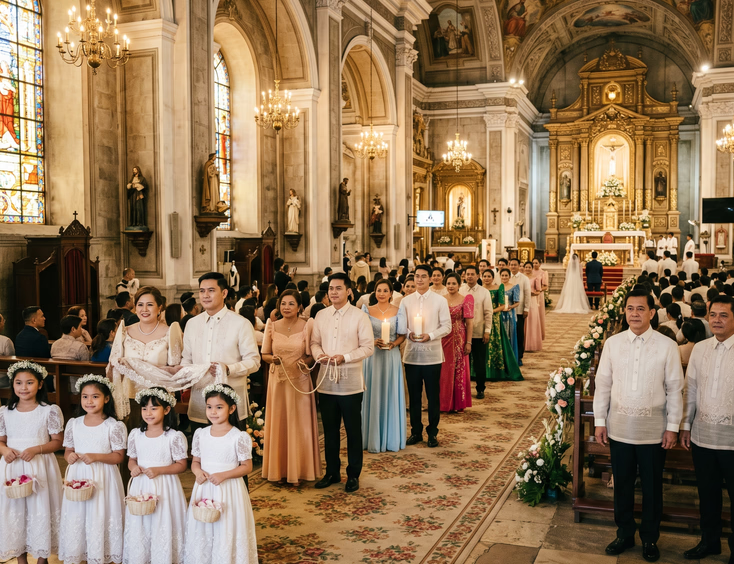
The Filipino Wedding Entourage
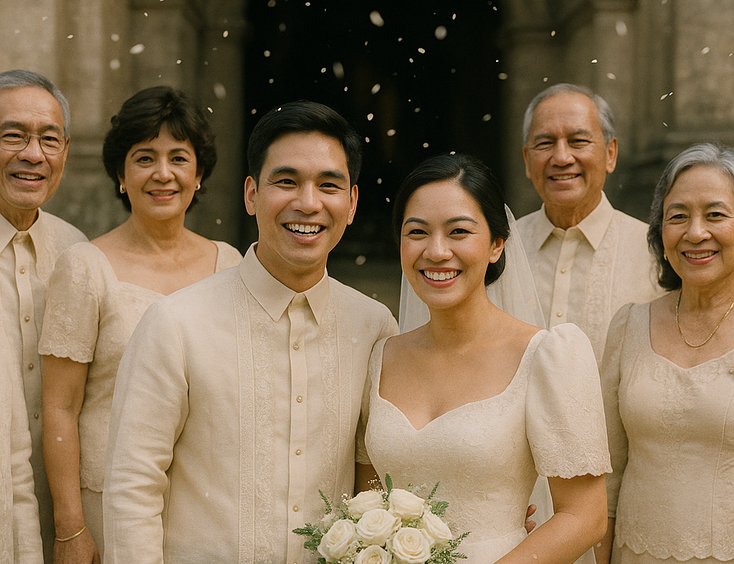
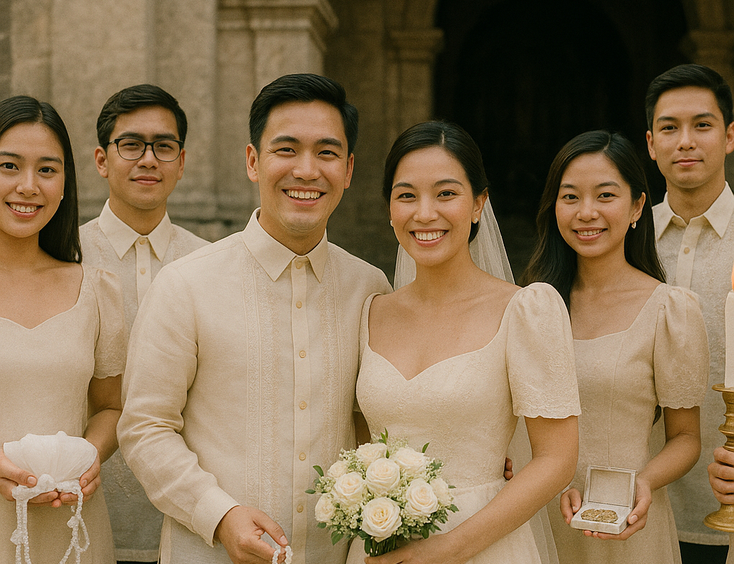
Filipino weddings involve large entourages. Principal sponsors (ninong/ninang), secondary sponsors for the veil, cord, candle, and coins, attendants on both sides, and the little ones who carry symbols down the aisle all march in a specific order. Most Filipino weddings include three to five pairs of principal sponsors alone. Secondary sponsors are younger relatives or close friends assigned to specific tasks that symbolize various aspects of marriage.
Coordinating 20 to 40 entourage members on a single day is a logistical feat. Your coordinator manages the processional order, runs the rehearsal, cues each sponsor during the ceremony, and keeps the timeline on track. You'll underestimate how much time and attention this takes.
Read our article on why managing the wedding entourage is the hardest job at a Filipino wedding and how coordinators handle it.
Catholic Church Requirements
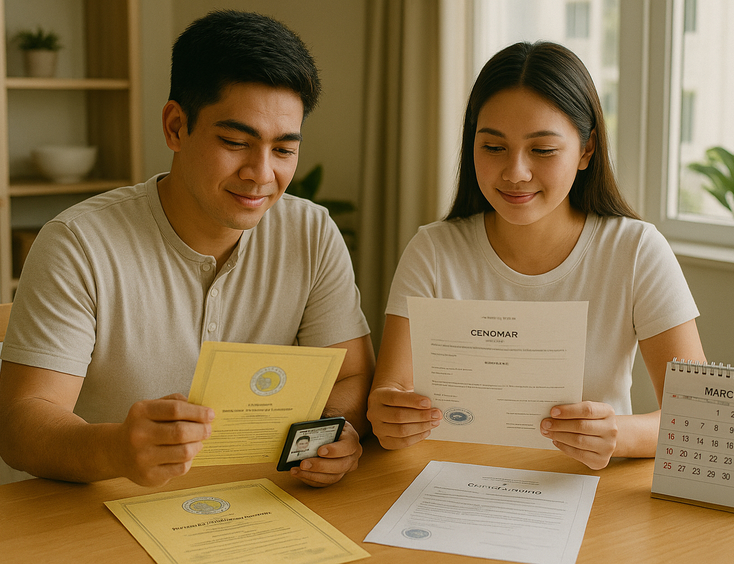
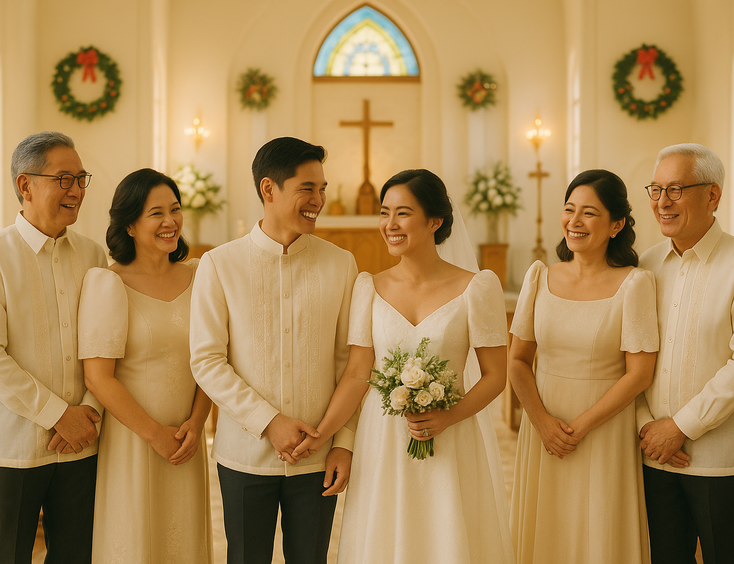
Most Filipino weddings follow Catholic rites. Church weddings require several core steps completed six months to two months in advance, including obtaining a marriage license, baptismal and confirmation certificates, birth certificates, a certificate of no marriage, and attending Pre-Cana seminars.
Baptismal and confirmation certificates must carry the annotation "For Marriage Purposes Only" and have a six-month validity. You may need to submit them two to three months before your wedding date, depending on the church. Wedding banns must be posted for three consecutive Sundays prior to the ceremony.
Each parish sets its own deadlines and may add requirements. A coordinator tracks all of these for you, reminds you when to request certificates, schedules the canonical interview, and submits your sponsor list. Miss a single deadline and you risk pushing back your wedding date.
Our guide on how a wedding coordinator helps you navigate Catholic church requirements in the Philippines walks through each step.
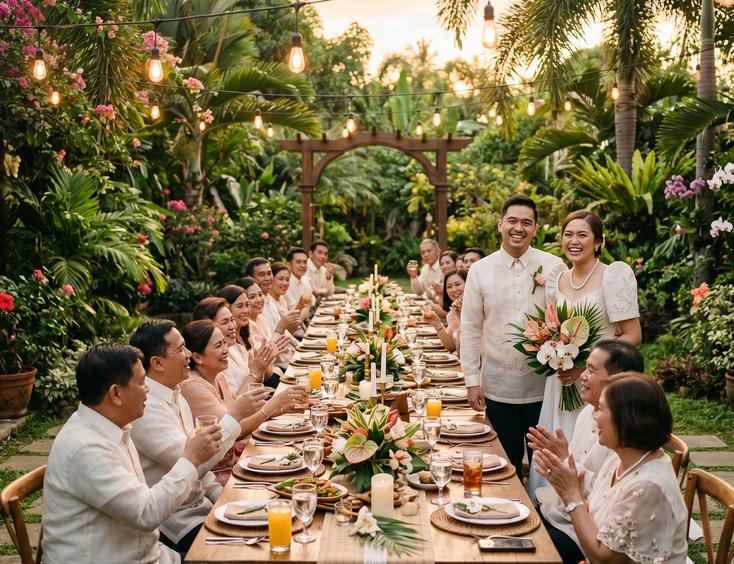
Intimate and Small Weddings
Intimate weddings with 50 or fewer guests have grown popular in the Philippines. Couples with smaller celebrations often ask whether they still need professional coordination.
Fewer guests mean less catering and seating work. Supplier coordination and church paperwork remain. You still need someone to run the program and handle problems while you enjoy the day.
Our article answers the question directly: Do you still need a wedding coordinator if you are having an intimate or small Filipino wedding?
Civil Weddings
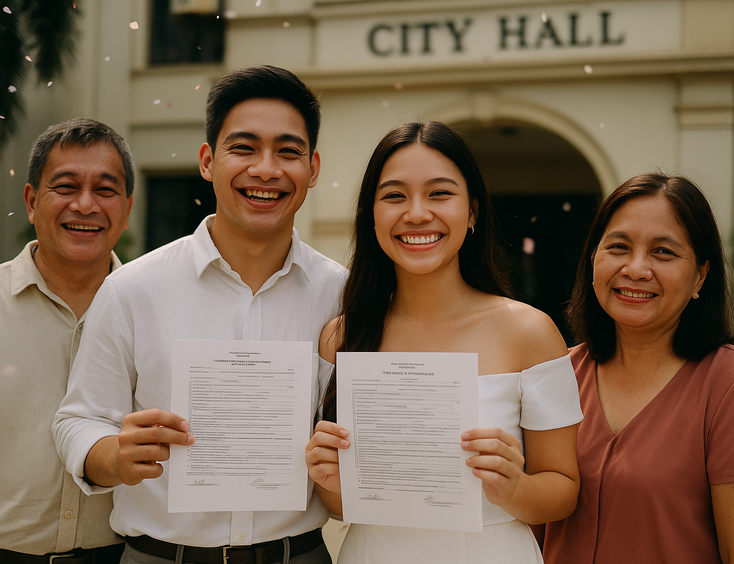
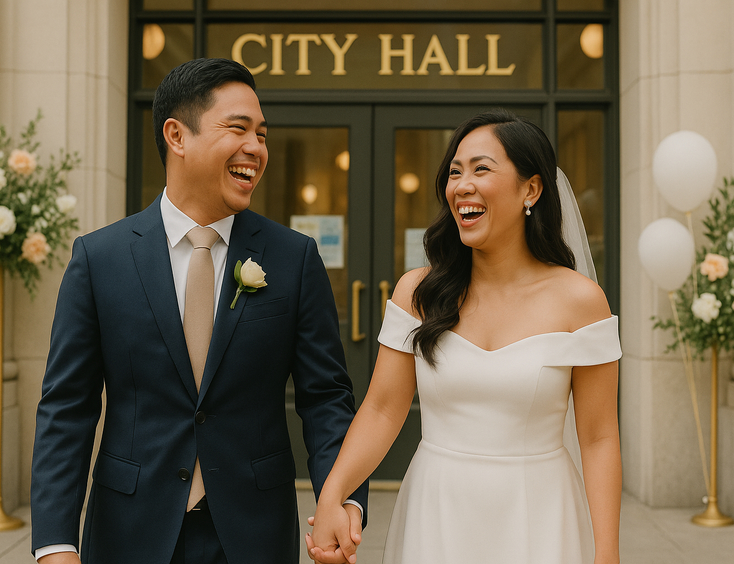
A marriage becomes valid in the Philippines when an authorized person such as a priest, judge, or mayor solemnizes it, both parties are legally capable of marrying, and a valid marriage license has been issued. The ceremony itself can take 15 to 30 minutes.
Some couples see the short ceremony and skip the coordinator. But civil weddings that include a reception, a program, and more than a handful of guests still demand supplier coordination and event management.
We explore this in Do you need a wedding coordinator for a civil wedding in the Philippines?
Planning Remotely as an Overseas Filipino Couple
OFW couples find planning a wedding in the Philippines challenging. You can't visit venues in person, attend supplier meetings, or process documents at the local civil registrar without flying home. Time zone differences complicate calls and video meetings.
A coordinator based in the Philippines becomes your local representative. They attend ocular visits, negotiate with suppliers, and manage details you can't handle from abroad. Having someone on the ground is essential when you're organizing a wedding from a long-distance setup.
The marriage license requires both partners to be present for the application, which takes 10 days to process and is valid for 120 days. You need to time that application around your flight schedule, and the 120-day window leaves little room for error.
Our article on how to work with your wedding coordinator remotely as an overseas Filipino couple covers communication tools and delegation strategies for long-distance wedding prep.
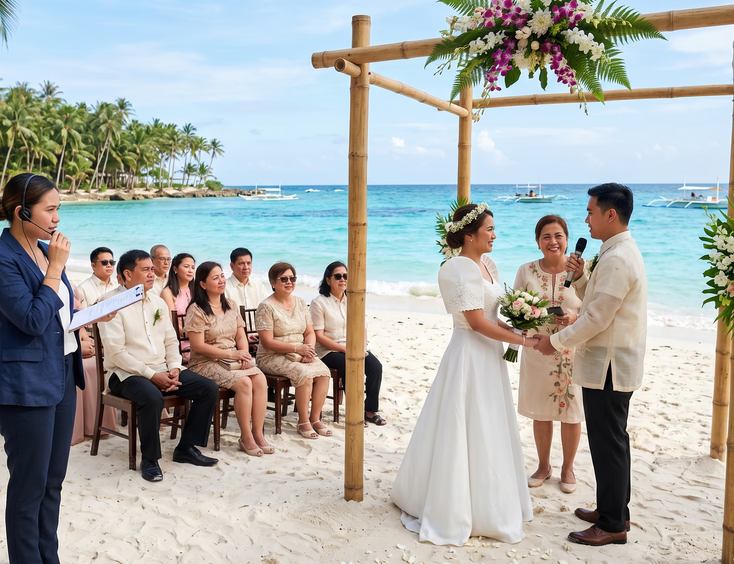
Beach Weddings
Beach weddings in destinations like Boracay, Palawan, and Siargao bring logistical challenges you won't face indoors. Weather contingencies, open-air sound issues, local government permits, and supplier travel arrangements all land on the coordinator's plate.
A beach wedding coordinator manages tasks that an indoor venue coordinator does not touch. They build weather backup plans, coordinate van or boat transfers for guests, and make sure generators and lighting work in an outdoor setting.
Our guide on beach wedding coordinators in the Philippines breaks down what sets their scope of work apart.
DIY Planning with an On-the-Day Coordinator
Many couples enjoy the planning process. You research venues, compare caterers, choose the photographer, and design the program. But on the wedding day, you want to celebrate rather than manage.
An OTD coordinator bridges that gap. You hand over your plans, supplier contacts, and timeline a few weeks before the wedding. The coordinator reviews your setup, runs a final check with each supplier, conducts the rehearsal, and takes control on the day itself.
This arrangement works if you're organized and thorough. You'll run into problems if you hand over an incomplete plan with loose ends.
Choosing the Right Planner or Coordinator
Start your search 8 to 12 months before your wedding. Manila's top wedding planners get booked 12 to 18 months in advance, so earlier is better for popular professionals.
Check their portfolio. Look at past weddings similar to yours in size, venue type, and budget range. A planner who runs 300-guest hotel receptions may not suit your 50-person garden celebration.
Read reviews from real couples. Testimonials reveal communication style, problem-solving ability, and how the planner performs under pressure.
Meet in person or on video. You'll communicate with your coordinator for months. You need to click with them. Make sure you feel comfortable giving honest feedback.
Ask about their supplier network. A wedding planner with a strong network gives you access to better rates and vetted vendors.
Confirm team size. A solo coordinator handling a 200-guest wedding is stretched thin. Ask how many assistants they bring on the day.
Clarify inclusions and extra fees. Planners may charge extras like transportation and accommodations for destination weddings. Get those numbers in writing before you sign.
Find Your Wedding Planner or Coordinator
You've seen the different roles, packages, and situations where a professional coordinator adds value. Browse our directory of trusted wedding planners and coordinators in the Philippines to compare profiles and send inquiries.
Still Searching for a Right Match?
Find Your Perfect Wedding Supplier Today!
Discover trusted wedding suppliers across the Philippines in our complete directory. Compare services and connect with the ones that fit your dream celebration.
Browse Wedding SuppliersFeatured Blog Posts

Filipino Wedding Entourage - Roles, Order of March, and Modern Etiquette
6 mins readCivil Weddings in the Philippines - Requirements, Costs, and Step-by-Step Process
9 mins readCivil Wedding Requirements in the Philippines - Complete Checklist
6 mins readCost of Wedding in the Philippines - 5 Essential Things You Need to Know
7 mins readPrincipal Sponsors (Ninong/Ninang) - How Many, How to Ask, What They Really Do
4 mins readVeil, Cord, Candle & Coins - Roles, Options, and When They Happen
4 mins readEntourage for a Traditional Pinoy Wedding - Complete Roles and Guide
6 mins readComplete List of Civil Wedding Requirements in the Philippines
8 mins readHow to Choose Wedding Ninongs and Ninangs - Ask Yourself These 3 Important Questions
5 mins read