


Wedding Planner vs. Wedding Coordinator vs. On-the-Day Coordinator: What Is the Difference and Which One Do You Need?

You've started looking for someone to help with your wedding. One supplier calls themselves a wedding planner. Another says wedding coordinator. A third offers on-the-day coordination. The packages overlap, the prices vary, and you're not sure which one fits your situation.
These three roles handle different parts of the wedding process. Booking the wrong one wastes money or leaves gaps in your planning. Here's what each does, what they cost, and how to pick the right fit.
What a Wedding Planner Does
A wedding planner works with you from the engagement through the reception exit. They handle the full scope of planning, decision-making, and execution.
A planner's tasks include:
- Setting and tracking your wedding budget
- Recommending and booking suppliers (caterer, photographer, florist, stylist, etc.)
- Reviewing contracts before you sign
- Designing the wedding theme and visual style
- Building the master timeline and program
- Attending ocular visits, food tastings, and supplier meetings with you
- Managing payments and supplier deadlines
- Handling church and civil registrar paperwork
- Running the rehearsal and the wedding day itself
Planners take on the strategic work. They give you direction when you're stuck, narrow your options when you're overwhelmed, and pull the entire vision together into a cohesive event.
You'll meet with your planner often during the planning months. Some couples have weekly check-ins for the final stretch. The relationship runs 6 to 18 months long, depending on when you book.
What a Wedding Coordinator Does
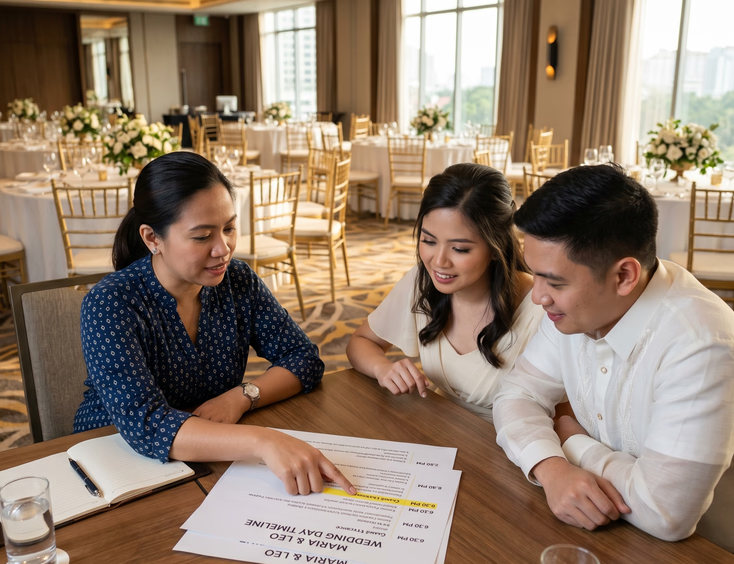
A wedding coordinator joins you after you've made the major decisions. You've picked the venue, signed the caterer, and booked the photographer. The coordinator takes those locked-in pieces and builds the execution plan around them.
A coordinator's tasks include:
- Reviewing your existing supplier contracts and details
- Building a detailed wedding day timeline
- Confirming logistics with each supplier
- Coordinating the rehearsal
- Managing the entourage during the ceremony
- Running the program on the wedding day
- Handling problems and last-minute changes
- Directing setup and teardown
Coordinators work with what you've built. They don't source suppliers or design themes from scratch. Their value shows up in the final two to three months and on the day itself.
You'll meet your coordinator a few times before the wedding. Most of the heavy work happens in the last month, with daily communication in the final week.
What an On-the-Day Coordinator Does
An on-the-day (OTD) coordinator runs your wedding day. You've planned everything, booked every supplier, and built your own timeline. The OTD takes over the execution so you can enjoy the day.
An OTD's tasks include:
- Reviewing your plans and supplier list
- Conducting a final supplier confirmation call
- Running the rehearsal
- Managing the wedding day from prep to send-off
- Cueing the entourage during the ceremony
- Coordinating with the program emcee
- Handling timeline adjustments
- Solving problems that come up
OTDs don't plan the wedding. They run it. You hand over a complete package, and they execute. You'll meet with your OTD two to four times before the wedding, with the bulk of the work happening in the final two weeks and on the day.

The Cost Difference
Pricing varies by experience, team size, and wedding scale. Here's the rough range in the Philippines:
- Wedding planners (full service): ₱60,000 to ₱200,000 and up
- Wedding coordinators (partial planning): ₱30,000 to ₱80,000
- On-the-day coordinators: ₱15,000 to ₱40,000
Manila and metro suppliers charge more than provincial coordinators. Destination weddings carry travel and accommodation costs on top of the base fee. Get a detailed quote with inclusions in writing before you book.
For a complete cost comparison, read our guide on full planning, partial planning, or on-the-day coordination packages.
Which One Do You Need
Pick a wedding planner if:
- You have no idea where to start
- You work full-time and can't dedicate hours each week to planning
- You want a custom-designed wedding with strong creative direction
- You have a complex wedding (300+ guests, destination, multiple events)
- You're an OFW couple planning from abroad
- Your budget allows for full-service support
Pick a wedding coordinator if:
- You've made the big decisions but feel overwhelmed by execution
- You've booked your venue, caterer, and main suppliers
- You want help with logistics, timeline, and day-of coordination
- You don't need help with creative direction or supplier sourcing
- Your budget is mid-range
Pick an on-the-day coordinator if:
- You've planned the entire wedding yourself
- You have all suppliers booked, paid, and confirmed
- You have a complete timeline and program
- You want to enjoy the wedding day without managing it
- You're working with a tight budget

Common Mistakes Couples Make
Hiring an OTD when you needed a planner. You booked an OTD to save money, then realize three months out that you can't handle the planning load. Switching to full planning at that stage costs more than booking a planner from the start.
Assuming the venue coordinator runs your wedding. Hotel and venue coordinators manage their property, the catering, and venue logistics. They don't run your program, manage your suppliers, or handle the entourage. You still need your own coordinator.
Skipping coordination for an "intimate" wedding. Small guest counts don't reduce supplier count or program complexity. A 30-guest wedding still has a ceremony, a reception, a program, and the same Catholic church requirements. Read our take on whether you need a coordinator for an intimate Filipino wedding.
Booking based on price alone. The cheapest coordinator may have a small team, limited experience, or a packed schedule. Vet portfolios, read reviews, and meet the lead coordinator before you sign.
How to Decide
Answer these questions:
- How much time can you spend on wedding planning each week?
- How many suppliers have you already booked?
- What's your total wedding budget, and what percentage can go to coordination?
- Do you want creative direction, or do you have a clear vision already?
- How comfortable are you handling supplier negotiations and contracts?
Match your answers to the role descriptions. If you have time, a clear vision, and most suppliers booked, an OTD works. If you're overwhelmed, short on time, or just engaged with no plan in place, you need a planner.
For the full picture of what each role covers across different wedding scenarios, our pillar guide on hiring a wedding planner or coordinator in the Philippines walks through every situation in depth.
Find the Right Professional for Your Wedding
You know the difference between a planner, coordinator, and OTD. Now you can shortlist suppliers who match your needs and budget. Browse our directory of wedding planners and coordinators in the Philippines to compare profiles, packages, and reviews.
Still Searching for a Right Match?
Find Your Perfect Wedding Supplier Today!
Discover trusted wedding suppliers across the Philippines in our complete directory. Compare services and connect with the ones that fit your dream celebration.
Browse Wedding SuppliersFeatured Blog Posts



Filipino Wedding Entourage - Roles, Order of March, and Modern Etiquette
6 mins readCivil Weddings in the Philippines - Requirements, Costs, and Step-by-Step Process
9 mins readCivil Wedding Requirements in the Philippines - Complete Checklist
6 mins readCost of Wedding in the Philippines - 5 Essential Things You Need to Know
7 mins readPrincipal Sponsors (Ninong/Ninang) - How Many, How to Ask, What They Really Do
4 mins readVeil, Cord, Candle & Coins - Roles, Options, and When They Happen
4 mins readEntourage for a Traditional Pinoy Wedding - Complete Roles and Guide
6 mins readComplete List of Civil Wedding Requirements in the Philippines
8 mins readHow to Choose Wedding Ninongs and Ninangs - Ask Yourself These 3 Important Questions
5 mins read