

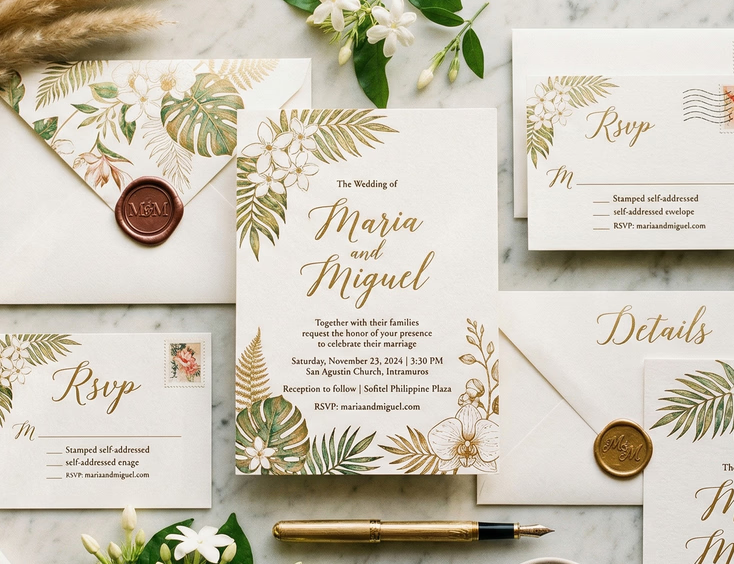
Filipino Wedding RSVP Etiquette: What Couples Should Know (and Expect)
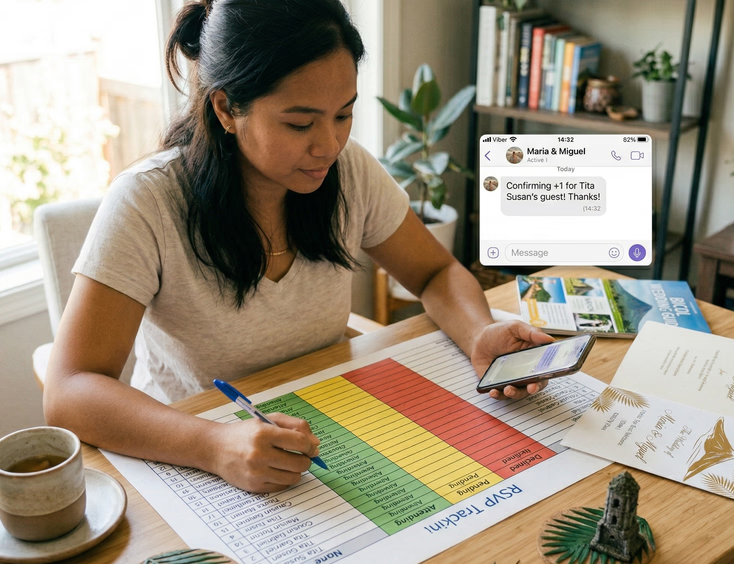
Filipino wedding RSVPs don't behave the way wedding planning guides promise they will. Guests confirm and don't show. Guests who never responded walk in at the reception. Families treat the RSVP as a suggestion rather than a commitment. If you're planning a Filipino wedding and expecting a clean headcount three weeks out, adjust that expectation now.
This isn't a failure of your guests. It reflects how Filipinos navigate social commitments, and understanding it helps you plan around it rather than fight against it.
Why Filipino Guests Don't RSVP the Way You Expect
Saying no in Filipino culture carries social friction. Declining an invitation, especially from family or close friends, can feel like a rejection of the relationship itself. So guests say yes to avoid the awkwardness, even when they're unsure they can attend. Others stay silent rather than commit either way.
This produces two problems at once: an inflated confirmation count and a silent group of maybes you can't plan around.
Add to this the practical reality that many Filipino guests treat the RSVP deadline as approximate. Life changes. Work schedules shift. Provincial guests factor in travel logistics that can change week to week. The deadline you print on the card is a target, not a contract.

Set a Realistic RSVP Deadline
Print your RSVP deadline three to four weeks before the wedding. This gives you enough time to follow up with non-responders, confirm final numbers with your caterer, and adjust your seating chart.
Six weeks is too early. Guests who confirm six weeks out may face changed circumstances by the time the wedding arrives. Their confirmation becomes less reliable the further it sits from the actual date.
Two weeks is too late. Caterers in the Philippines typically require a final headcount seven to ten days before the event. A two-week RSVP deadline leaves you no time to chase non-responders before that cutoff.
Three to four weeks hits the balance. You get a working number early enough to act on it, and the confirmation is close enough to the date to reflect actual attendance.
Give Guests a Simple Way to Respond
Reply cards tucked into printed invitations look elegant. Filipinos rarely use them. Most guests lose them, forget to mail them, or don't realize they need to send them back.
Viber works. A direct message asking for confirmation gets responses that a reply card never will. Assign one contact number for RSVPs, state it clearly on the invitation, and ask guests to confirm by message.
You can also use a Google Form linked through a QR code on the invitation. This works well for younger guests and for couples managing a large list. The form captures names, attendance confirmation, meal preferences, and dietary restrictions in one place.
For couples using a wedding website, an RSVP form embedded on the site serves the same purpose. How to Set Up a Wedding Website to Complement Your Philippine Wedding Invitation covers how to build that into your site.
The Numbers You Actually Need to Give Your Caterer
Caterers don't need your confirmed count. They need your guaranteed minimum, the number you're willing to pay for regardless of who shows up.
Build your caterer number this way:
Take your confirmed yes count. Add 10 to 15 percent to cover guests who confirmed but didn't respond to follow-up, guests brought without notice, and family additions your parents may have made after your final count.
If you confirmed 120 guests, tell your caterer 135. The buffer covers the variance without leaving you short on food or paying for a large surplus.
Discuss the buffer arrangement with your caterer directly. Most Filipino caterers understand this dynamic and build flexibility into their packages. Ask specifically about their policy on additional guests above the guaranteed count on the day itself.

How to Follow Up Without Making It Awkward
Following up on RSVPs feels uncomfortable for most couples. Asking someone directly whether they're attending their wedding carries a strange social charge, like you're pressuring them to come.
Reframe it. You're not chasing attendance. You're confirming headcount for catering, and you need the number by a specific date. That's a logistical request, not a social one.
A Viber message that says "Hi Tita! Just confirming your attendance for the wedding on [date] — we need final numbers for our caterer by [deadline]. Will you be able to make it?" lands without pressure.
Assign the follow-up task to someone in your entourage if you find it difficult to do yourself. A bridesmaid or coordinator managing the RSVP list removes the personal charge from each individual message.
For scripts and strategies that work across different relationship types, How to Follow Up on Wedding RSVPs Without Being Awkward About It covers the full approach.
Tracking Your RSVPs
A spreadsheet handles this better than memory or a notes app. Set up columns for:
- Guest name
- Household
- Invitation sent date
- RSVP received date
- Attendance confirmation (yes, no, no response)
- Meal preference if applicable
- Plus-one confirmed
- Follow-up sent
Update it as responses come in. Sort by no-response as your deadline approaches so you know exactly who needs a follow-up message.
Color coding helps when you're managing a list above 100 guests. Green for confirmed, yellow for no response, red for declined. A quick visual scan tells you where you stand.

What to Do With No-Response Guests
When your RSVP deadline passes and a portion of your list hasn't responded, you have three options.
Contact them directly. A personal Viber message or phone call gets a faster response than a reminder on the RSVP card. Keep it warm and brief.
Assume they're attending and count them in your buffer. For guests you suspect will come regardless of whether they responded, fold them into your caterer estimate.
Remove them from the working headcount and accept the variance. For acquaintances and extended network guests, a no-response often means a no-show. Don't inflate your catering number to cover people who probably won't appear.
Your coordinator or a trusted entourage member can manage this triage in the final two weeks so you're not making every call yourself.
Handling Guests Who RSVP Yes and Don't Show
This happens at almost every Filipino wedding. A table of ten has two empty chairs. A confirmed family group sends half their members and leaves the rest at home.
Your catering buffer absorbs most of this. The seats don't get refilled, but you don't pay for them twice. Brief your coordinator so empty seats get consolidated discreetly before the reception photos.
Don't follow up with no-shows after the wedding to ask why they didn't come. The relationship absorbs more damage from that conversation than from the absence itself.
Handling Guests Who Show Up Without RSVPing
Uninvited guests and unconfirmed guests are different problems. An unconfirmed guest who shows up at a wedding they were invited to isn't crashing the event. They just didn't respond.
Your buffer handles these guests. Brief your coordinator on the seating protocol for late additions. Most Filipino wedding venues set a small number of extra seats near the back or at a side table specifically for this scenario.
If the numbers push significantly beyond your confirmed count, your coordinator and caterer manage the situation together. That's a coordination problem, not an RSVP problem.
How to Handle Uninvited Guests After Sending Wedding Invitations in the Philippines covers the full range of scenarios including genuine gate-crashers.
Setting Your Own Expectations
A clean, accurate RSVP count is possible at Filipino weddings. It requires a realistic deadline, a follow-up system, a caterer buffer, and a coordinator briefed on day-of variance. Couples who put all four in place arrive at their wedding with a working headcount and no last-minute chaos.
Couples who rely on reply cards and assume guests will respond by the deadline spend the week before their wedding chasing numbers by phone.
Build the system early. The Filipino Wedding Invitation Timeline: When to Order, Print, and Send maps out where the RSVP deadline fits inside the full invitation schedule.
For the guest list decisions that precede the RSVP process, Who to Invite to a Filipino Wedding: A Guide to Building Your Guest List Without the Drama gives you the framework to start with.
Browse stationery and invitation suppliers in the Philippines for designers who can incorporate your RSVP details cleanly into your invitation suite.
For the full picture of Filipino wedding invitation planning from start to finish, the complete guide to Filipino wedding invitations covers every stage.
Still Searching for a Right Match?
Find Your Perfect Wedding Supplier Today!
Discover trusted wedding suppliers across the Philippines in our complete directory. Compare services and connect with the ones that fit your dream celebration.
Browse Wedding SuppliersFeatured Posts




The Complete Filipino Couple's Guide to Wedding Rings & Bands in the Philippines: Traditions, Styles, Budgets & Where to Buy
22 mins readWedding Reception Ideas that Honor Tradition and Wow Your Guests
4 mins readFilipino Wedding Dress Guide for Style Traditions and Smart Shopping
6 mins readFilipino Wedding Cost Guide - Realistic Budgets, Percentages, and Price Drivers by Region
9 mins readPhilippines Honeymoon Guide - Best Islands, Resorts, Costs & 7–14 Day Itineraries
9 mins readFilipino Wedding Games - Traditions, Modern Twists, and Crowd-Pleasers for Every Reception
8 mins read