


Why Wedding Photography Is Taken Seriously in Filipino Culture
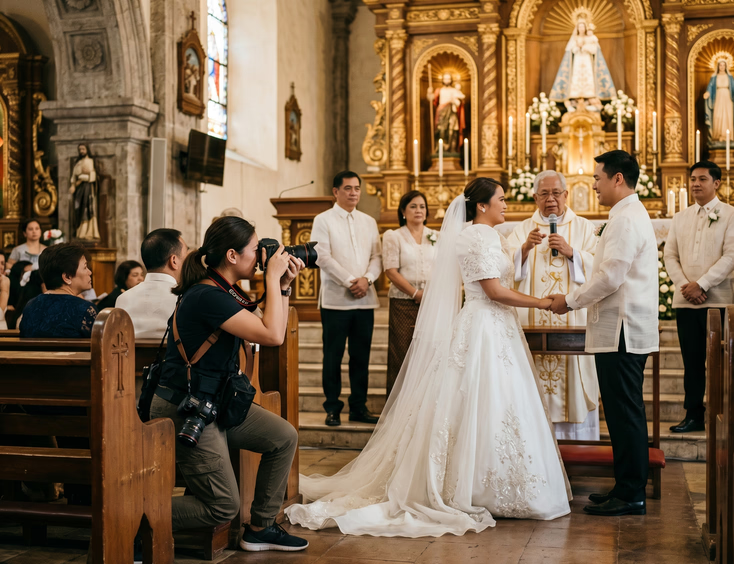
Filipino couples don't treat wedding photography as a line item. They treat it as a pillar of the celebration, equal to the church, the reception, and the entourage. If you grew up attending Filipino weddings, you know this. The photographer arrives before the bride finishes her makeup and stays until the last guest leaves the dance floor.
This isn't vanity. It reflects something deeper about how Filipino families value memory, ritual, and togetherness. Understanding that cultural weight will help you make better decisions when hiring a wedding photographer in the Philippines.
A Filipino Wedding Is a Family Event, and the Photos Prove It
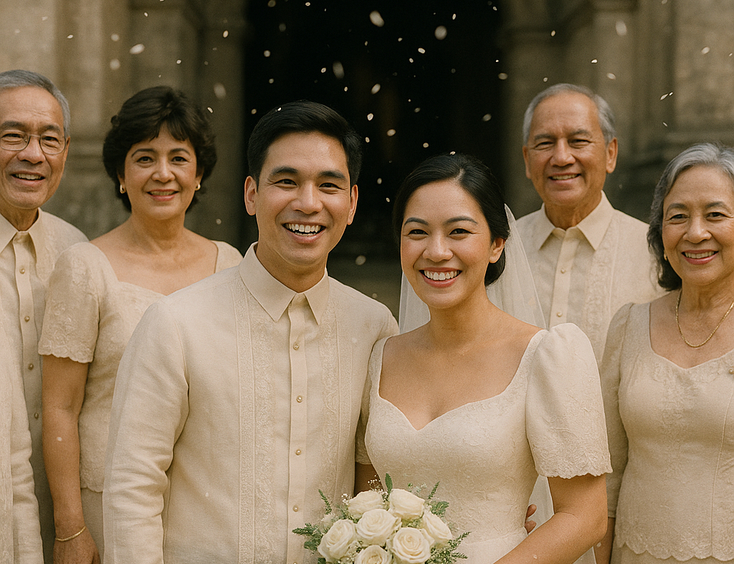
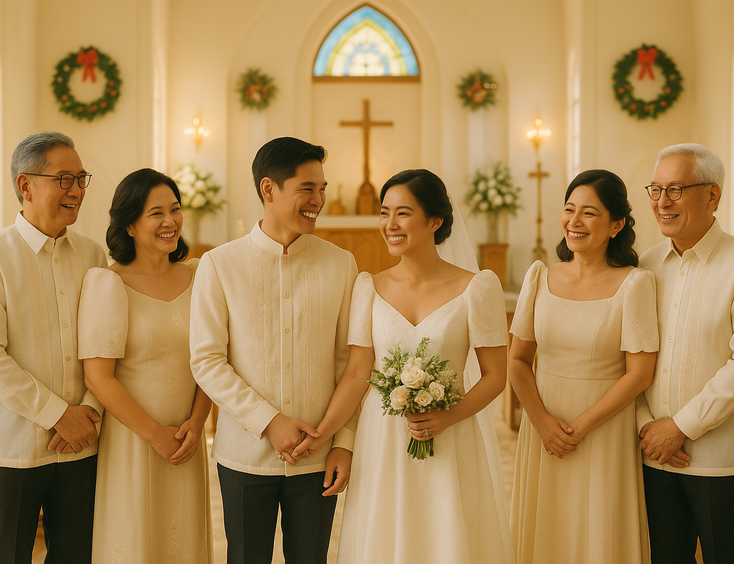
Filipino weddings celebrate two families coming together. The ceremony includes sponsors, secondary sponsors, coin bearers, veil sponsors, cord sponsors, and candle sponsors. Your parents, aunts, uncles, and ninongs and ninangs all play active roles during the church rites.
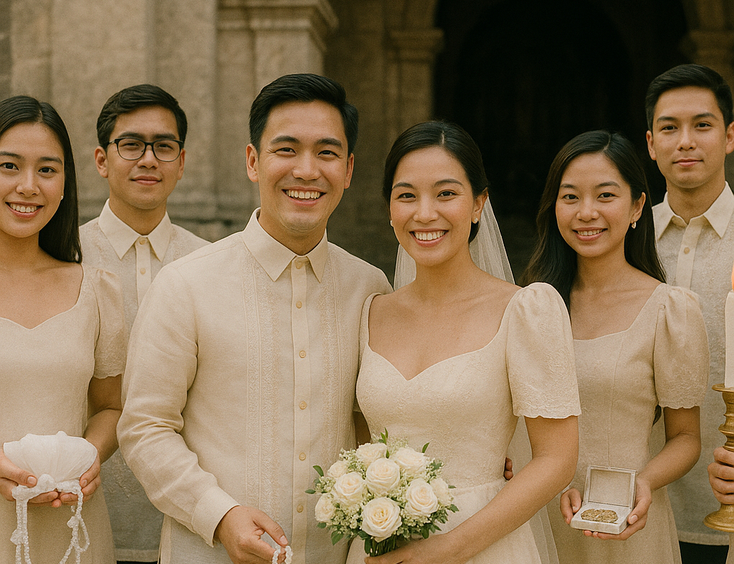
That means your wedding photos include far more people in far more ritual moments than a typical Western ceremony. The veil ceremony, the cord ceremony, the 13 coins (arras), the unity candle, the blessing from sponsors. Each of these moments happens in sequence, sometimes in a dimly lit church, and each one carries meaning for your family.
Your photographer needs to anticipate all of it. Missing the moment a ninang drapes the veil or a ninong places the cord means losing a photo your family expects to see in the album. Filipino families notice these gaps. They flip through the album looking for their moment, and if it's missing, they remember.
This is one reason documentary-style photography appeals to many Filipino couples. A photographer trained in photojournalism can track multiple participants and overlapping rituals without asking everyone to pause and pose.
Photography Documents the Rituals Your Family Cares About
Catholic traditions shape most Filipino weddings. Around 80% of Filipinos practice the Catholic faith, which means most ceremonies follow a structure rooted in religious ritual. The veil symbolizes unity. The cord, shaped in a figure-eight, represents the couple's bond. The 13 coins symbolize prosperity and shared responsibility.
These aren't decorative extras. They're the moments your lola will ask about. They're the images your parents will frame.
Pre-colonial Filipino wedding practices were rooted in community, family ties, and respect for nature, with ceremonies that could last several days. Spanish colonialism introduced Catholic traditions in the late 16th century, and those blended with indigenous customs to form what Filipino weddings look like today. Photographers who understand this layered history shoot differently. They know the cord ceremony moves fast. They know the coin exchange involves small objects that demand close-up positioning. They know the unity candle happens in low light.
If your photographer hasn't shot a Filipino wedding before, they'll likely miss the timing on at least one of these rituals. That's a risk most Filipino families aren't willing to take.
The Prenup Shoot Is Its Own Event
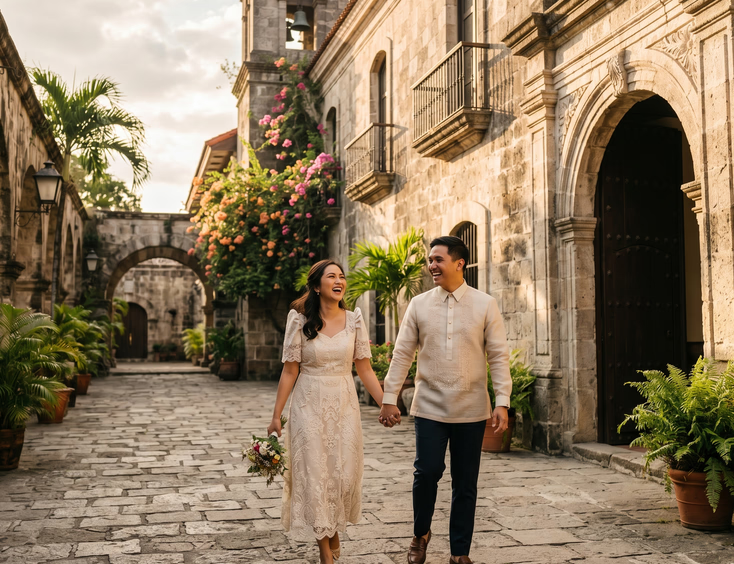
In most countries, engagement photos are a casual add-on. In the Philippines, prenuptial photo shoots are a non-negotiable tradition. Couples use prenup photos for save-the-date cards, wedding invitations, and reception displays.
The prenup also serves as a dress rehearsal with your photographer. You learn how they direct you, how they handle light, how they manage locations. They learn your angles, your comfort level in front of the camera, and how you interact as a couple.
Filipino couples invest time, budget, and creative energy into prenups. Beach locations in Palawan or Boracay, historical streets in Intramuros, themed concepts inspired by films or Korean aesthetics. Many couples now create themed prenuptial shoots that personalize their love stories with concepts ranging from Filipiniana heritage themes to cinematic recreations.
The prenup shoot industry in the Philippines has grown into its own category. National Museum locations, Las Casas Filipinas de Acuzar in Bataan, and cafés in Poblacion all have booking systems for prenup shoots. That level of infrastructure exists because Filipino couples take this step as seriously as the wedding day itself.
The Same-Day Edit Video Raised the Stakes
Filipino weddings introduced the same-day edit (SDE) video as a reception staple. An SDE is a highlight reel of the wedding day, edited on-site, and played during the reception program. Your guests watch the ceremony they attended hours ago, repackaged as a cinematic short film.
This tradition raised the bar for wedding coverage. Your photographer and videographer coordinate more closely because the footage feeds into a product that debuts the same night. Lighting, angles, and coverage gaps become visible to 200+ guests in real time.
The SDE also made Filipino couples more invested in the visual quality of their weddings. You're not waiting months to see how your photos turned out. You're watching a polished edit of your day before the night ends. That immediate feedback loop pushed Filipino couples to prioritize experienced, skilled photographers and videographers who can deliver under pressure.
Photos Anchor Filipino Family Memory
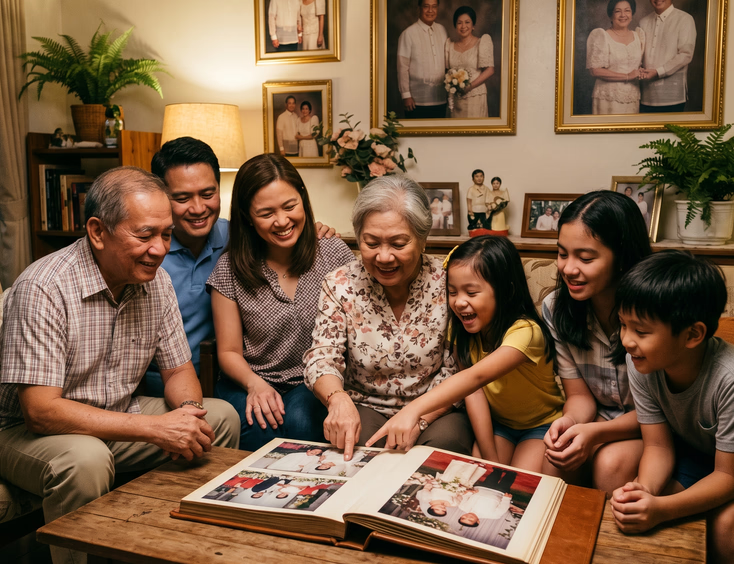
Walk into a Filipino home and you'll see framed wedding portraits in the living room. The couple on their wedding day, formal and composed, displayed alongside graduation photos and family portraits. Wedding albums sit on shelves or coffee tables, pulled out during family gatherings.
Older family photos, especially from weddings before 2010, survive as physical prints that families treat as heirlooms. These images come out at wakes, at reunions, at Christmas Eve dinners. Grandchildren study faces of relatives they've never met through wedding portraits.
That cultural habit of preserving and displaying wedding photos puts pressure on the quality of what gets captured. A bad set of wedding photos doesn't just disappoint the couple. It affects the visual record of the family for decades.
Digital photos now face a different preservation challenge. Families lose digital files through device changes, failed backups, and cloud service migrations. The printed album, once considered outdated, has regained value among Filipino couples who understand that a physical object survives in ways that a hard drive does not.
Social Media Changed How Filipino Couples Share Weddings
Filipino couples are active social media users, and weddings generate some of the most shared content across Facebook, Instagram, and TikTok. Prenup photos go up weeks before the wedding. Same-day edit teasers get posted during the reception. Full photo sets circulate within days.
This visibility means your wedding photos serve two audiences: your family and your social circle. The aesthetic quality of your coverage reflects on you in a public, permanent way. Filipino couples recognize this, and it drives them to invest in photographers whose output looks polished on screens of all sizes.
Korean and Western wedding photography aesthetics have influenced Filipino couples through social media exposure. Soft, romantic Korean-style prenup photos and editorial Western compositions appear on Pinterest boards and Instagram explore pages, shaping what couples expect from their own coverage.
The rise of candid wedding photography at Filipino celebrations also ties to social media. Unscripted, emotion-driven photos perform well on feeds because they feel real. Filipino couples now ask for a blend of posed and candid coverage to satisfy both the family album and the Instagram grid.
Style Choices Reflect Cultural Values
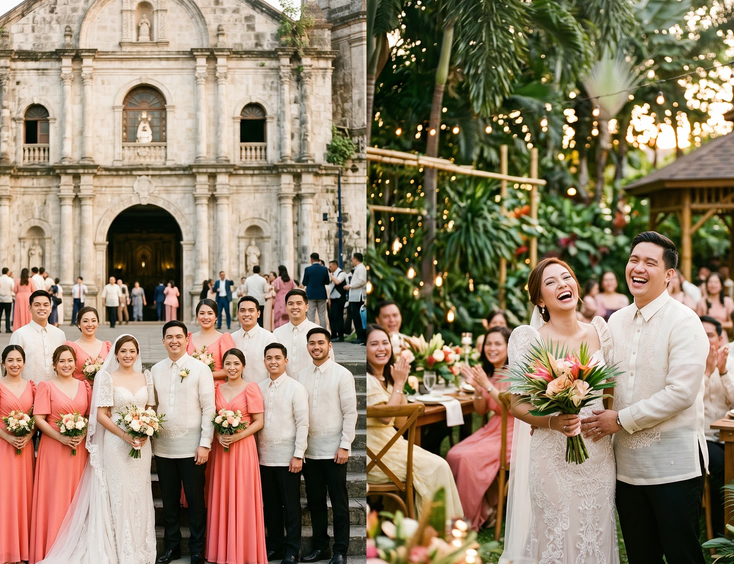
The photography style you choose says something about how you see your wedding. Filipino couples who prioritize family tradition tend toward formal, structured coverage that guarantees the group shots their parents expect. Couples who lean modern often choose styles that prioritize emotion and atmosphere.
Light and airy photography remains popular in tropical Philippine settings because it suits outdoor venues, beach ceremonies, and garden receptions. The natural light in the Philippines favors this style for most of the year.
Dark and moody wedding photography has gained traction among Filipino couples who want dramatic, cinematic images. This style works well in cathedral ceremonies and evening receptions with controlled lighting.
Fine art wedding photography attracts couples who view their wedding as a curated visual project. Editorial style wedding photography appeals to fashion-conscious brides who want magazine-quality output.
Each style carries trade-offs. The right choice depends on your venue, your personality, and what your family expects to see in the final album.
Filipino Wedding Photography Keeps Evolving
Photography arrived in the Philippines through Spanish colonizers as early as the 1860s. Wedding photography became accessible beyond wealthy families after World War II, when military-trained photographers entered the civilian market. Creative wedding photography, prenuptial shoots, and themed concepts transformed the Philippine wedding industry over the following decades.
Filipino wedding photographers today compete in one of the most demanding markets in Southeast Asia. Couples expect prenup coverage, full-day wedding documentation, same-day edit coordination, drone footage, and social media-ready output. The photographer's role extends far beyond holding a camera.
That demand produces talent. Filipino wedding photographers win international awards and attract destination clients. The industry's depth gives you access to a wide range of skill levels and price points.
Give This Decision the Weight It Deserves
Your wedding budget will cover a venue you'll visit once, food your guests will eat in an hour, and flowers that wilt by morning. Your photos are the only part of the wedding that stays with you in physical form for the rest of your life.
Filipino culture understands this. That's why families discuss the photographer alongside the church and the caterer. That's why couples book prenup shoots months in advance and build same-day edit videos into their reception programs.
If you're planning a wedding in the Philippines, start your photographer search early. Browse trusted wedding photographers in the Philippines and begin building your shortlist 10 to 12 months before your date. The best photographers in Metro Manila, Cebu, and Davao book up fast during peak season from September to March.
Still Searching for a Right Match?
Find Your Perfect Wedding Supplier Today!
Discover trusted wedding suppliers across the Philippines in our complete directory. Compare services and connect with the ones that fit your dream celebration.
Browse Wedding SuppliersFeatured Blog Posts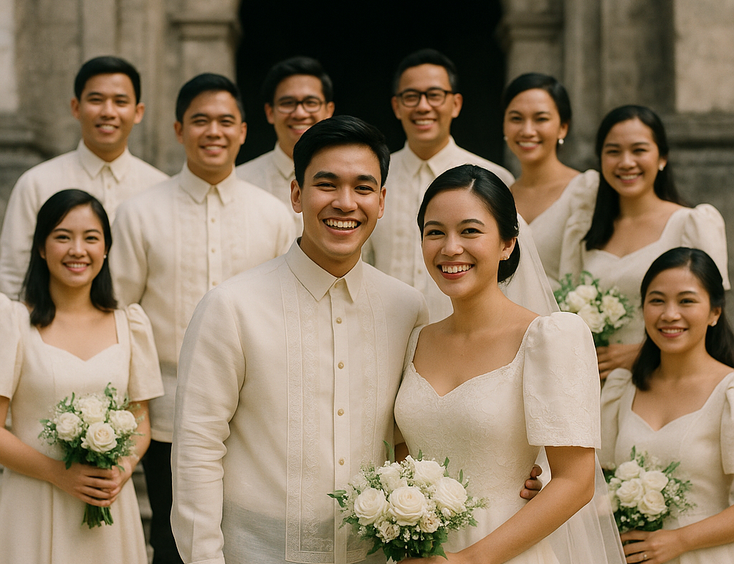

Filipino Wedding Entourage - Roles, Order of March, and Modern Etiquette
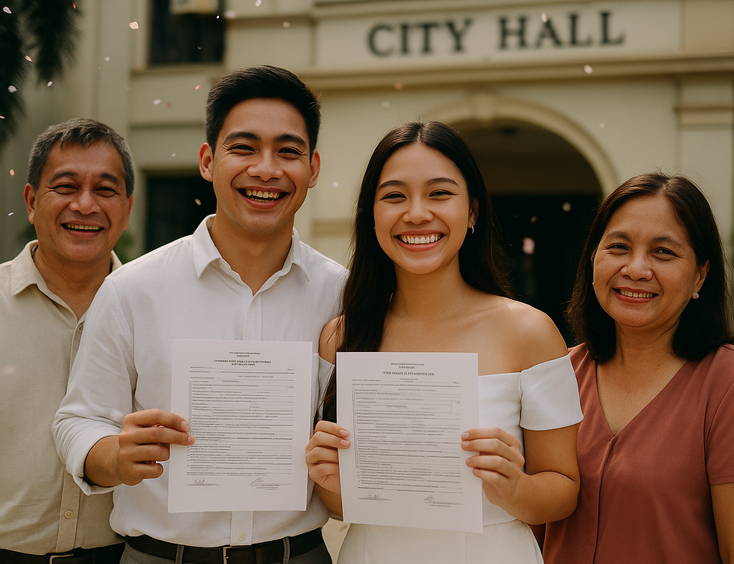
6 mins readCivil Weddings in the Philippines - Requirements, Costs, and Step-by-Step Process
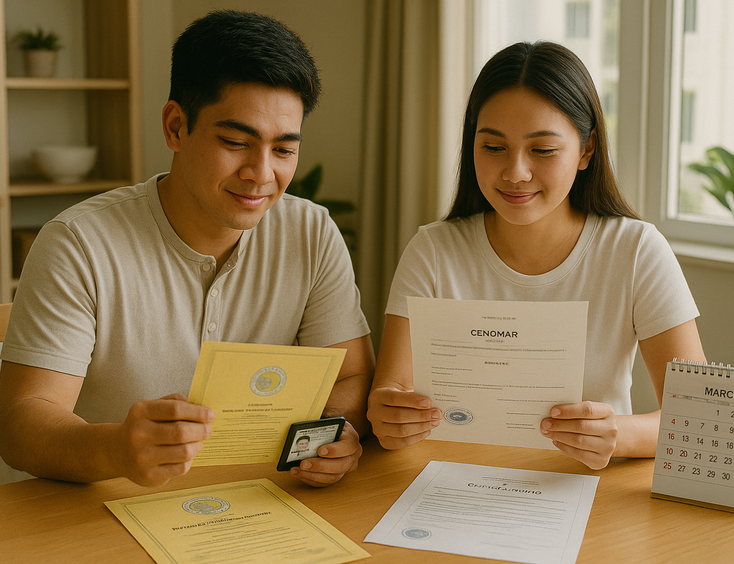
9 mins readCivil Wedding Requirements in the Philippines - Complete Checklist
6 mins readCost of Wedding in the Philippines - 5 Essential Things You Need to Know
7 mins readPrincipal Sponsors (Ninong/Ninang) - How Many, How to Ask, What They Really Do
4 mins readVeil, Cord, Candle & Coins - Roles, Options, and When They Happen
4 mins readEntourage for a Traditional Pinoy Wedding - Complete Roles and Guide
6 mins readComplete List of Civil Wedding Requirements in the Philippines
8 mins readHow to Choose Wedding Ninongs and Ninangs - Ask Yourself These 3 Important Questions
5 mins read