


Hiring a Wedding Photographer in the Philippines
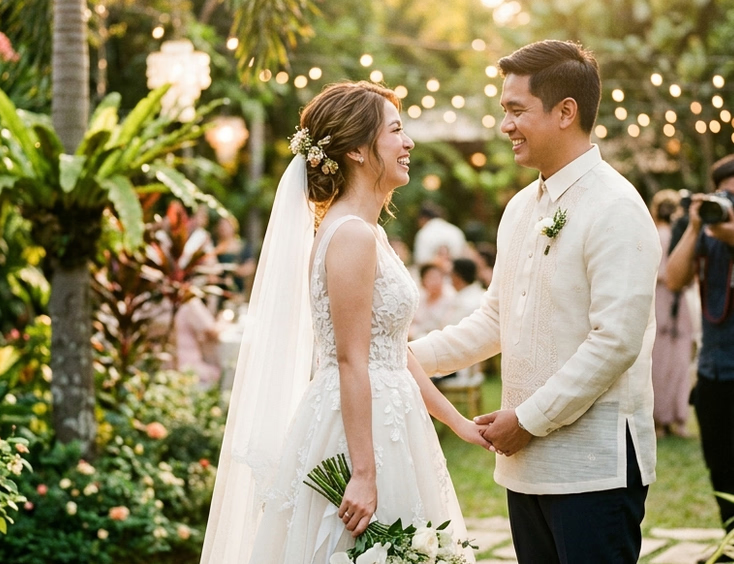
Filipino weddings are unlike weddings in most other countries. You spend months coordinating with sponsors, organizing a prenup shoot, and planning a same-day edit video for the reception. Your photographer will be involved in most of those moments.
Choosing the right one is a decision that affects your wedding day, your budget, and the photos you'll look at for decades.
Photography Holds a Special Place in Filipino Weddings
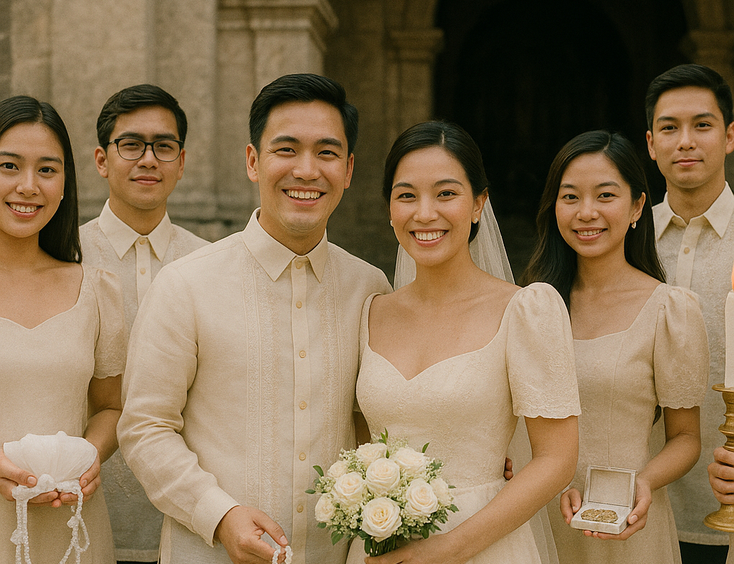
Filipino weddings celebrate two families coming together, not two individuals. Catholic traditions shape most ceremonies, with around 80% of Filipinos practicing the faith. The veil, cord, coins, and candle ceremonies create layered, visual moments throughout the church rite. Your photographer needs to know these rituals and anticipate each one.
Filipino couples also invest in pre-wedding coverage more than couples in most other countries. The prenuptial photo shoot is a tradition most Filipino couples treat as non-negotiable. Same-day edit videos played at the reception have become standard. These add-ons expand the photographer's role far beyond ceremony and reception coverage.
Understanding why wedding photography is taken so seriously in Filipino culture will help you appreciate the weight of this decision before you start comparing portfolios.
Know Your Photography Style Before You Start Searching
Filipino couples now have access to a wide range of styles. International wedding photography trends influence modern approaches in the Philippines, with social media platforms like Instagram and Pinterest showcasing global styles that inspire Filipino photographers to experiment.
You need to identify the style you want before reaching out to anyone. Mismatched expectations between you and your photographer will show up in the final photos.
Traditional photography focuses on formal, posed shots. Group photos with the entourage. Staged couple portraits. Structured compositions with clean backgrounds. This style documents your wedding the way your parents and grandparents expect.
Documentary or photojournalistic photography captures moments as they happen. This style focuses on candid moments throughout the entire wedding journey, aiming to document genuine emotions and interactions between family members and friends. If you want to learn the differences in detail, read our guide on documentary vs. traditional wedding photography for Filipino couples.
Fine art photography treats your wedding like a curated visual project. Photographers who work in this style pay attention to color palettes, compositions, and light in ways that make each frame look gallery-ready. Explore whether fine art wedding photography fits your wedding vision.
Editorial photography borrows from fashion magazine shoots. It features striking poses, dramatic lighting, and high-impact images to create a narrative. If you want that high-fashion feel, our guide on editorial style wedding photos for fashion-forward Filipino brides covers what to expect.
Dark and moody photography uses deep shadows, rich tones, and desaturated backgrounds. Photographers focus on making the subject the lightest part of the photograph while letting the background recede. More Filipino couples are choosing this look, and we break down the rise of dark and moody wedding photography in the Philippines.
Light and airy photography sits at the opposite end of the spectrum. It embraces sun-drenched moments with crisp whites, gentle colors, and a fresh, candid feel. The tropical Philippine setting makes this style a natural fit, which is why light and airy photography remains popular in the Philippines.
Candid photography prioritizes unscripted, in-the-moment shots. Photographers become masters of observation, favoring in-between moments like a whispered joke, a spontaneous embrace, or a shared glance. Learn more about how this style plays out at Filipino celebrations in our guide on candid wedding photography at Filipino weddings.
Many Filipino couples also blend influences from Korean pre-wedding aesthetics and Western editorial styles. If you're drawn to those looks, read about the influence of Korean and Western photography aesthetics on Filipino couples.
Understand the Philippine Pricing Landscape
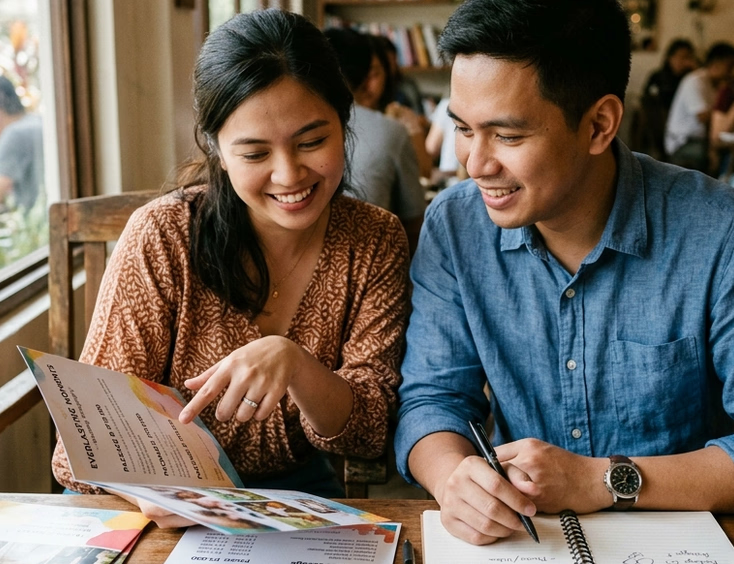
Wedding photography costs in the Philippines vary. High-end photographers may charge between PHP 75,000 and PHP 200,000+, while newer photographers might offer rates between PHP 20,000 and PHP 30,000+.
If you're working with a tighter budget, you can expect to pay between ₱25,000 and ₱35,000 for basic wedding photography.
Several factors push costs up or down:
Experience and reputation. A seasoned wedding photographer brings proven expertise and technical skills, and can anticipate and capture both the big and fleeting heartfelt moments.
Package inclusions. Costs vary based on experience, package inclusions, and the duration of coverage. Some packages bundle prenup shoots, same-day edit videos, albums, and drone footage. Others cover the wedding day alone.
Destination fees. Factor in additional costs for travel and accommodation. Photographers may charge for transportation, overnight stays, and extended stays for multi-day celebrations.
Season. Wedding seasons in the Philippines run from December to February, when prices tend to be higher due to demand. Booking during off-peak months may offer more flexibility in pricing.
A package at the ₱40,000 to ₱50,000 range from a capable mid-tier photographer will cover preparation, ceremony, and reception for most Metro Manila weddings. Premium studios and sought-after solo photographers command ₱100,000 and above, with celebrity-level coverage reaching ₱150,000+ for all-in packages.
Evaluate Portfolios the Right Way
A portfolio is a primary tool for evaluating skills. Couples should explore these collections to envision how their memories will be captured.
Scroll past the highlight reel. Ask to see full wedding galleries, not curated best-of collections. You want to evaluate consistency.
Look for consistency across different venues and lighting. Philippine weddings happen in dim churches, outdoor gardens at noon, and hotel ballrooms with mixed lighting. A photographer who produces strong images in all three scenarios will handle your venue.
Check reception and party coverage. Some photographers nail the ceremony but their reception shots are blurry or uninspired. Filipino receptions run long and involve multiple program elements. You need a photographer who stays sharp through the money dance, the bouquet toss, and the late-night karaoke.
Look at how the photographer captures Filipino wedding rituals. The veil and cord ceremony happens in low church lighting. The coin ceremony involves small objects. These moments require a photographer who has shot Filipino weddings before.

Ask the Right Questions Before Booking
Photojournalistic, traditional, cinematic, fine art are distinct approaches that determine how your wedding day flows. Ask each photographer to describe their shooting approach in their own words, and compare that answer to what you see in their portfolio.
Studios sometimes send associate photographers. If you fell in love with the lead photographer's work, confirm they'll be the one holding the camera on your day. This is a common practice in the Philippines, and failing to ask can lead to a different look in your final photos.
Ask about backup gear. Camera bodies fail and memory cards corrupt. A professional carries backup gear to every wedding.
Ask about their contingency plan. A professional has a network of backup photographers and a clear policy for emergencies. Get this in writing.
Some photographers deliver in 4 weeks, others take 6 months. Set expectations early and get a delivery date in the contract.
Most packages cover 8 to 10 hours. Philippine weddings often run longer than planned. Know the hourly rate for overtime so you're not surprised.
Decide on Add-Ons That Matter
Filipino weddings have add-ons that couples in other countries rarely consider. Think about which ones you need before you compare packages.
Prenuptial photo shoot. Beyond the photos themselves, a prenup shoot is a trial run. You get comfortable with the photographer before the actual wedding day, and they learn how you move and your best angles. Prenup shoots cost PHP 5,000 to 20,000 if not included in the package. Filipino couples treat the prenup as an event in itself. Many couples now create themed prenuptial shoots to personalize their love stories.
Same-day edit (SDE) video. Skilled editors work on-site during the wedding day to produce a short video highlighting key moments from earlier in the day. Most Filipino couples consider the SDE a highlight of the reception program.
Photo album. Compare the photographer's album pricing with third-party printing services. You can sometimes get the same quality album for less by ordering separately.
Drone footage. Aerial shots of the wedding venue add cinematic appeal. Destination weddings in Tagaytay, Boracay, or Palawan benefit from this add-on.
Read the Contract Before You Sign
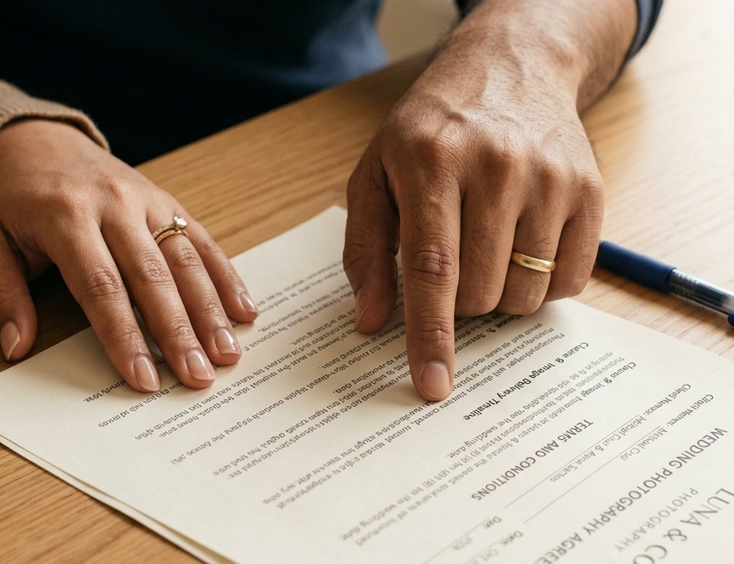
Every booking should have a written contract.
Check cancellation and postponement terms. Post-pandemic, this is critical. Confirm what happens if you need to move the date and whether the reservation fee is refundable.
Verify deliverables and timeline: exact number of edited photos, format (JPEG, RAW), delivery method, and deadline.
Most Philippine photographers require a 50 percent reservation fee to hold the date, with the balance due before or on the wedding day. Clarify the schedule and accepted payment methods.
Look for image rights clauses. Some photographers retain the right to use your photos for their portfolio and social media. Decide whether you're comfortable with that before signing.
Avoid These Common Mistakes
Booking based on price alone. Newer photographers might offer lower rates, but their work might not match the quality of a seasoned professional. You save money upfront and lose it in photos you can't reshoot.
Skipping the prenup shoot. The prenup gives you a preview of how the photographer works with you as a couple. It also produces photos you'll use for your wedding invitations and reception displays.
Ignoring the contract details. Verbal promises mean nothing when a dispute arises. Get deliverables, timelines, and cancellation policies on paper.
Choosing a style you'll outgrow. Trends change. Many couples turned away from warm tone, desaturated edits that had been trendy. Couples are now looking for more true-to-life, classic editing that won't look dated in a few years.
Forgetting to confirm who shows up. Large studios rotate their team. The photographer whose portfolio you admired may not be the one assigned to your wedding.
Build a Shortlist and Start Early
Peak wedding season runs from September to March with increased demand. Booking your photographer well in advance helps you secure better rates and availability.
Start your search 10 to 12 months before your wedding date. Top photographers in Metro Manila, Cebu, and Davao book up a year ahead during peak season.
Shortlist three to five photographers whose style matches yours. Schedule calls or in-person meetings. Pay attention to how they communicate, how they respond to your questions, and whether their personality meshes with yours. You'll spend your entire wedding day with this person.
You can browse trusted wedding photographers in the Philippines to start building your list.
Your Photos Will Outlast the Flowers, the Cake, and the Venue
Every other wedding expense is temporary. The flowers wilt. The food gets eaten. The venue gets booked by another couple the following weekend. Your photos stay.
Give this decision the time it deserves. Know your style, set a realistic budget, vet portfolios, ask tough questions, and read the fine print. The right photographer will make your wedding day feel relaxed and your photos feel like you.
Still Searching for a Right Match?
Find Your Perfect Wedding Supplier Today!
Discover trusted wedding suppliers across the Philippines in our complete directory. Compare services and connect with the ones that fit your dream celebration.
Browse Wedding SuppliersFeatured Blog Posts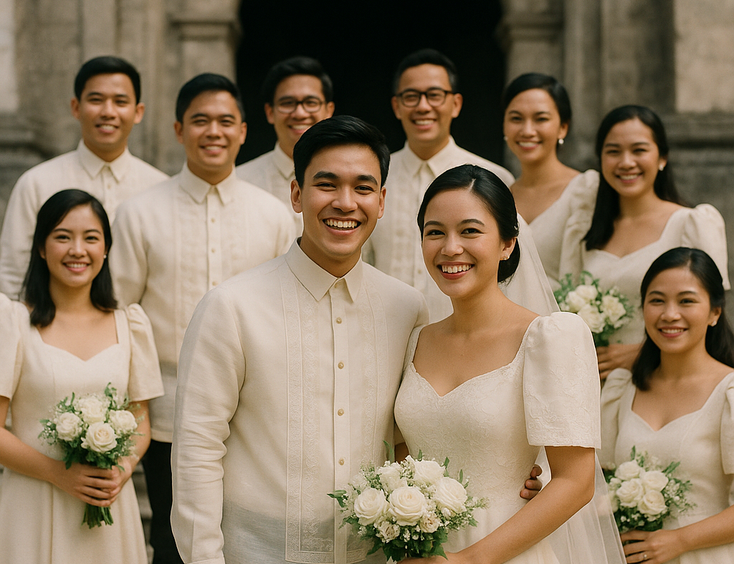

Filipino Wedding Entourage - Roles, Order of March, and Modern Etiquette
6 mins readCivil Weddings in the Philippines - Requirements, Costs, and Step-by-Step Process
9 mins readCivil Wedding Requirements in the Philippines - Complete Checklist
6 mins readCost of Wedding in the Philippines - 5 Essential Things You Need to Know
7 mins readPrincipal Sponsors (Ninong/Ninang) - How Many, How to Ask, What They Really Do
4 mins readVeil, Cord, Candle & Coins - Roles, Options, and When They Happen
4 mins readEntourage for a Traditional Pinoy Wedding - Complete Roles and Guide
6 mins readComplete List of Civil Wedding Requirements in the Philippines
8 mins readHow to Choose Wedding Ninongs and Ninangs - Ask Yourself These 3 Important Questions
5 mins read