


Wedding Reception Venue Décor Rules in the Philippines: What You Can and Cannot Do
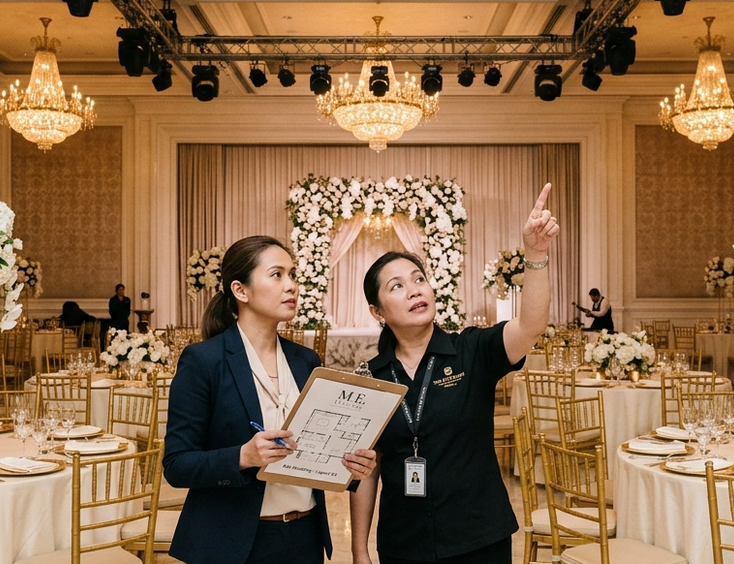
Most wedding reception venues in the Philippines have décor rules that limit what you can hang, drill, light, or attach to walls and ceilings. Hotels restrict heavy floral installations, open flames, and structural changes. Garden venues allow more freedom but cap tent sizes, lighting loads, and amplified sound. Heritage venues protect the property with the strictest rules. Read the venue contract before you sign with a stylist, because the décor rules decide what your reception actually looks like, not your Pinterest board.
Why Décor Rules Exist at Filipino Wedding Venues
Venues protect three things: the property, the guests, and the operation. Décor rules cover all three.
Property protection. Walls, ceilings, floors, chandeliers, and antique fixtures cost serious money to repair. A florist nailing a hanging installation into a hotel ballroom ceiling can cause PHP 50,000 in damage. The venue passes that bill to the couple. Heritage venues like San Agustin Church reception halls or Casa Manila enforce stricter rules because the buildings carry historical value.
Guest safety. Open flames trigger sprinklers. Overloaded power circuits trip breakers mid-program. Heavy floral installations falling from a ceiling can hit a guest. Venues write these rules to prevent injury and lawsuits.
Operational flow. Stylists working past ingress hours block other events. Sound systems exceeding decibel limits draw complaints from neighboring venues or hotel guests. Venues protect their schedule and their reputation through enforced limits.
The rules vary by venue type. Hotels run the strictest. Garden venues run looser. Boutique event spaces sit in the middle. Private estates and Airbnb venues run the loosest, but liability still falls on the couple.
Hotel Ballroom Décor Rules
Hotels operate on tight specs. The ballroom hosts a wedding on Saturday and a corporate event on Sunday. The setup and teardown must finish within strict windows, and the property must come out of every event undamaged.
Ceiling and wall attachments banned in most hotels. No nails, screws, hooks, or adhesive on walls or ceilings. Ceiling installations require pre-approved rigging from the hotel's authorized vendor. Hanging florals usually need a freestanding structure on the floor.
Open flames restricted. Most hotels allow contained candles in glass holders. Sparklers, fireworks, fire dancers, and open-flame centerpieces get banned. Fog machines and hazers require fire safety system shutoffs that hotels charge extra for.
Stage and dance floor specs locked. The hotel sets the stage size, the LED wall placement, and the dance floor location. Custom builds usually need engineering approval and an extra fee.
Power load capped. Stylists running heavy lighting setups, video walls, and sound systems hit the ballroom's power circuit limits fast. Hotels charge extra for additional power tap-ins.
Outside vendor restrictions. Some hotels accredit specific stylists, florists, and lighting suppliers. Couples wanting to hire an unaccredited supplier pay an outside vendor fee of PHP 15,000 to PHP 50,000.
For the broader hotel trade-offs, read our guide on in-house vs. outside catering at wedding reception venues in the Philippines.
Garden Venue Décor Rules
Garden venues feel freer, and they are. But the rules still exist, and ignoring them costs money.
Tent and canopy limits. Most garden venues require pre-approval for tent installations. Some cap the tent size based on the lawn footprint. Tents anchored to the ground need permission, and you pay restoration fees if the lawn gets damaged.
Lighting installation rules. String lights, fairy lights, and overhead chandelier setups usually need rigging from trees, posts, or pre-installed beams. Drilling into trees gets banned. Power loads cap at the venue's circuit capacity.
Open flame restrictions in dry season. Some garden venues ban sparklers, sky lanterns, and fire effects from March to May to prevent grass fires.
Sound limits. Garden venues near residential areas cap amplified sound at 80 to 90 decibels and impose hard cutoffs at 10 PM. Tagaytay, Antipolo, and Cavite venues all enforce noise rules due to neighboring homes.
Floral and prop placement. Some venues protect specific lawn zones, water features, and heritage trees. Stylists can't place props on protected areas without permission.
Fireworks and pyrotechnics. Most garden venues require LGU permits and fire department clearance for fireworks. The cost of permits runs PHP 5,000 to PHP 15,000, plus the pyro service fee. Some venues ban pyro outright.
For the indoor versus outdoor trade-off in detail, read our guide on outdoor vs. indoor wedding reception venues in the Philippines.
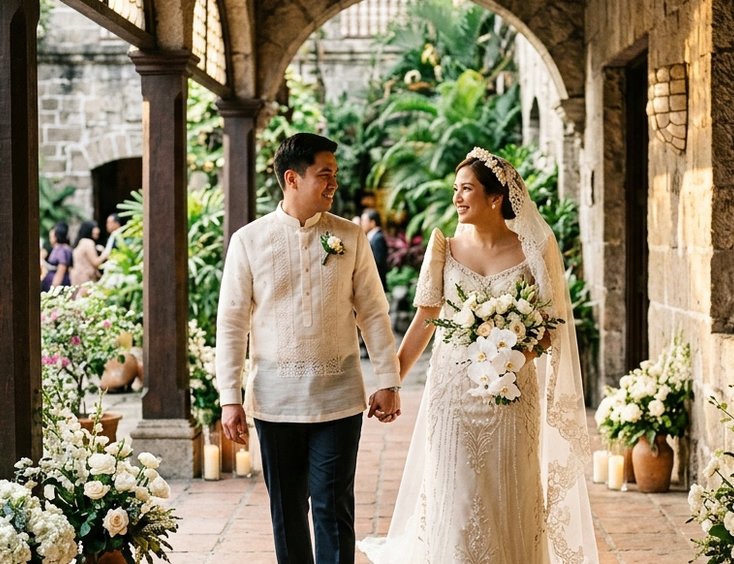
Heritage Venue Rules
Heritage venues run the tightest rules. San Agustin Church social hall, Casa Manila, Las Casas Filipinas de Acuzar, Bahay na Bato venues, and similar properties protect centuries-old structures.
No attachments to original walls or ceilings. Stylists work around existing fixtures. No drilling, nailing, or taping on heritage surfaces.
Floor protection mandatory. Heavy props, floral arches, and stage builds need floor mats or protective covering to prevent scratches on antique flooring.
Lighting restrictions. Heat-emitting lights placed near antique fabrics, wood, or paintings get banned. LED lighting required in most cases.
Sound caps lower than other venues. Heritage venues often cap amplified sound at 75 to 80 decibels to protect the property and the neighboring zones.
Approved supplier lists. Most heritage venues require stylists, florists, and lighting suppliers from a pre-approved list familiar with the property's rules.
The premium for heritage venues covers the property protection. Couples drawn to the Spanish colonial aesthetic pay the price in décor flexibility.
What You Can Always Do at Most Venues
Some décor elements work at almost every Philippine wedding venue.
Tabletop florals and centerpieces. Round, low, or tall arrangements all work. Stylists place them on tables without venue restrictions.
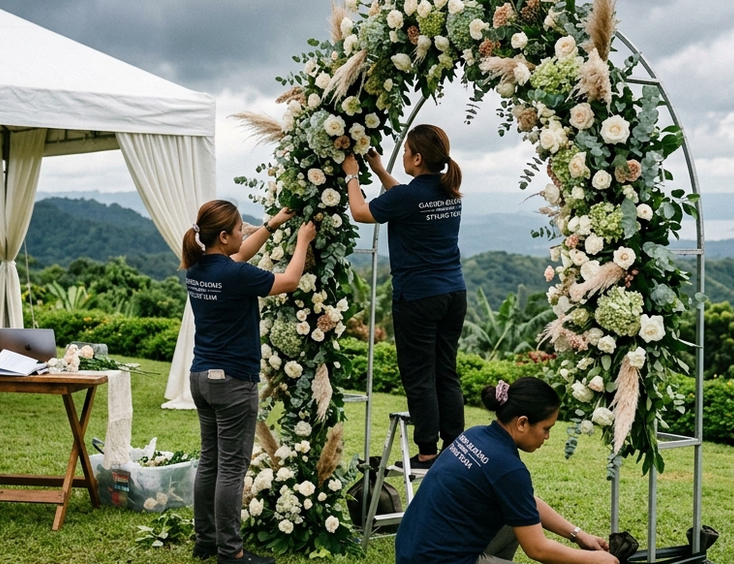
Floor-standing arches and backdrops. Freestanding ceremony arches, photo backdrops, and entrance gates work at almost every venue. The piece needs a stable base. No anchoring to walls or ceilings.
Aisle runners and floral aisles. Standard aisle décor passes most venue rules. Petals on the aisle work indoors and outdoors.
Charger plates, table linens, and place settings. Stylists swap out venue defaults for custom rentals without restriction.
Signage on freestanding easels. Welcome signs, seating charts, and program signage on easels work everywhere.
Candles in hurricane glass or contained holders. Most venues allow contained candles even when they ban open flames.
Couples' table backdrop (sweetheart table). Backdrops behind the head table work as long as they freestand or attach to a portable frame.
What You Usually Cannot Do Without Special Approval
Some elements need special clearance, extra fees, or alternate vendors.
Hanging installations from ceilings. Floral chandeliers, draped fabric, and suspended lights need rigging approval. Most hotels and event spaces require their authorized rigger and charge an installation fee.
Sky lanterns and floating candles in water features. Many venues ban these for fire and cleanup reasons.
Confetti, glitter, and rice tossing. Most venues ban these for the cleanup cost. Some allow biodegradable petals or bubbles instead.
Sparklers and indoor pyrotechnics. Banned at most hotels. Allowed at some garden venues with permits.
Cold sparks and fog effects. Need pre-approval at hotels because they trigger fire alarms. Garden venues handle them better.
Custom dance floor wraps and decals. Need venue approval to confirm the adhesive doesn't damage the existing floor.
Live trees, bushes, and large potted plants. Some venues ban these for plant pest concerns and floor damage. Smaller potted plants on saucers usually pass.

What You Cannot Do at Almost Any Filipino Venue
A few items get banned across the board.
Permanent damage. No painting walls, drilling holes, or removing existing fixtures. Even temporary changes need permission.
Unauthorized fire and smoke effects. Open flames near curtains, smoke machines without fire system override, and unsupervised pyrotechnics get banned everywhere.
Sound systems exceeding venue caps. Concert-level audio gets shut down by management or neighboring complaints.
Programs running past curfew. Most LGUs cap outdoor amplified sound at 10 PM. Indoor venues stretch to midnight or 1 AM, but overtime fees kick in past contracted hours.
Setup before contracted ingress. Stylists arriving before the ingress window get turned away. The venue prep schedule runs tight, especially during peak season.
Stylist Coordination With the Venue
The stylist runs the visual execution, but the venue holds the rules. Smart couples coordinate both early.
Share the venue contract with the stylist before signing the styling contract. The stylist reviews the rules, flags conflicts, and adjusts the design proposal to match what the venue allows.
Run a site visit with both vendors. The stylist measures the space, checks the power outlets, confirms the rigging points, and notes the entry routes. The venue coordinator walks through the rules in person.
Confirm the ingress and egress windows in writing. Stylists need four to eight hours for setup and one to two hours for teardown. Garden venues with strict 11 AM ingress force the stylist to rush. Hotels with 6 AM ingress give the team a full day.
Lock the rigging plan before the wedding day. Hanging installations, lighting setups, and stage builds need pre-approval. Last-minute requests get rejected or charged premium fees.
Confirm the cleanup responsibility. Some venues handle the basic cleanup. Others require the stylist to remove every prop, candle, and floral piece by the egress deadline.
For the planning structure that ties stylist, caterer, and coordinator decisions together, read our guide on how much a wedding reception venue costs in the Philippines.
Power, Lighting, and Sound Limits
Technical limits trip up couples planning visually heavy receptions.
Power circuit caps. Most ballrooms and event spaces run on 100 to 200 amps for events. Heavy LED walls, video projection, lighting rigs, and sound systems push the limit. Stylists running everything together need a power audit before the wedding day. Extra power tap-ins cost PHP 5,000 to PHP 25,000.
Lighting placement. Floor uplights, pin spots, and gobos work at most venues. Truss rigging for moving heads or aerial lights needs approval and an authorized rigger.
Sound system limits. Hotels cap audio output to protect neighboring guests. Garden venues cap output to respect neighboring homes. Stylists planning live bands, DJs, or amplified ceremonies should confirm the venue's decibel limits.
LED screen placement. Large LED walls need solid floor support. Some venues ban them on carpeted ballroom floors due to weight distribution issues.
Rules That Change With the Season and Location
Décor rules shift based on weather and location.
Dry season fire bans. Some Tagaytay and Cavite venues ban sparklers, sky lanterns, and fire effects from March to May to prevent grass fires.
Typhoon season tent limits. Garden venues sometimes ban large tents during typhoon months because wind risk is too high. Couples planning August or September outdoor weddings should confirm the tent rules with the venue.
Coastal venue salt and humidity considerations. Beach venues in Boracay, Palawan, and Batangas restrict certain electronics and metallic décor due to salt corrosion. Stylists adjust the design and the equipment selection.
For the seasonal trade-offs in full, read our guide on how to choose a wedding reception venue based on the Philippine weather and wedding season.
Questions to Ask the Venue Before Booking the Stylist
Before signing the styling contract, the couple should ask the venue these questions in writing.
What can stylists attach to walls, ceilings, and existing fixtures?
What is the ingress and egress window for the styling team?
What are the open flame, sparkler, and pyrotechnic rules?
What is the maximum decibel level for amplified sound?
What is the curfew for the program and the music?
Are there accredited or required suppliers for styling, lighting, and rigging?
What does the venue charge for outside vendor fees, ingress overtime, and power tap-ins?
What restoration or damage fees apply if the venue gets damaged during setup or teardown?
Get the answers in writing. Verbal confirmations get forgotten between booking and the wedding day.
How Décor Rules Affect Your Budget
Rules cost money in three ways.
Vendor restrictions inflate the styling cost. Accredited stylists at hotels often charge 20 to 40 percent more than open-market stylists for the same scope.
Outside vendor fees stack up. PHP 15,000 to PHP 50,000 in extra fees for unaccredited stylists, lighting suppliers, and rigging teams.
Restoration and damage deposits. Most venues hold PHP 20,000 to PHP 100,000 as a damage deposit. Damage above the deposit gets billed directly to the couple.
Couples planning visually heavy receptions should budget 15 to 25 percent of the total venue and styling spend for fees, deposits, and contingencies that the rules trigger.
For the full styling and venue cost framework, read our guide on how much a wedding reception venue costs in the Philippines.
Final Framework for Working Within the Décor Rules
Read the venue contract before booking the stylist. The rules drive the design, not the other way around.
Match the venue type to the styling vision. Hotels for classic, controlled looks. Garden venues for natural and flexible setups. Heritage venues for vintage Spanish colonial aesthetics. Boutique event spaces for blank-canvas creativity.
Coordinate the stylist and the venue early. A site visit with both teams two months before the wedding catches most conflicts.
Budget for the rule-related fees. Outside vendor charges, power tap-ins, and damage deposits stack on the base styling cost.
Trust the venue rules. The limits exist because past couples broke things, started fires, or ran past curfew. The rules protect the day more than they restrict it.
Browse vetted reception venues with clear styling allowances on our reception venue suppliers directory and filter by venue type to match your design vision with the right rules.
For the complete planning guide tying styling, venue, catering, and budget together, read our pillar guide on choosing a wedding reception venue in the Philippines.
Still Searching for a Right Match?
Find Your Perfect Wedding Supplier Today!
Discover trusted wedding suppliers across the Philippines in our complete directory. Compare services and connect with the ones that fit your dream celebration.
Browse Wedding SuppliersFeatured Blog Posts


Filipino Wedding Entourage - Roles, Order of March, and Modern Etiquette
6 mins readCivil Weddings in the Philippines - Requirements, Costs, and Step-by-Step Process
9 mins readCivil Wedding Requirements in the Philippines - Complete Checklist
6 mins readCost of Wedding in the Philippines - 5 Essential Things You Need to Know
7 mins readPrincipal Sponsors (Ninong/Ninang) - How Many, How to Ask, What They Really Do
4 mins readVeil, Cord, Candle & Coins - Roles, Options, and When They Happen
4 mins readEntourage for a Traditional Pinoy Wedding - Complete Roles and Guide
6 mins readComplete List of Civil Wedding Requirements in the Philippines
8 mins readHow to Choose Wedding Ninongs and Ninangs - Ask Yourself These 3 Important Questions
5 mins read