


How to Choose a Wedding Reception Venue Based on the Philippine Weather and Wedding Season
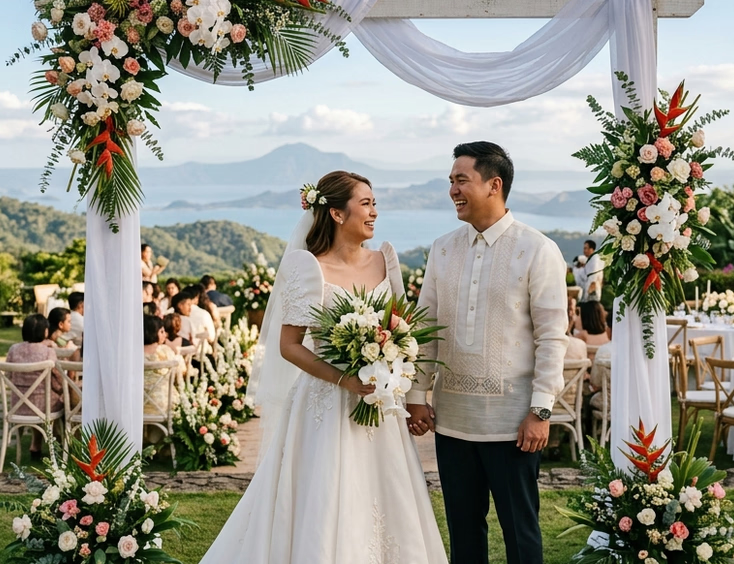
The Philippines has two seasons that matter for weddings: dry season from November to May and wet season from June to October. Peak wedding months run from December to February when the weather cools and the rain stops. Outdoor venues work best in these months. Indoor venues, hotel ballrooms, and covered pavilions cover you during the rainy and typhoon months. Pick the venue based on the month you set, not the other way around.
The Two Seasons That Shape Filipino Weddings
The Philippine weather runs on a simple split. Dry season starts in November and ends in May. Wet season runs from June to October, with typhoons hitting hardest from July to September.
Within the dry season, December to February brings the cool months. Temperatures drop to 22 to 28 degrees Celsius in Metro Manila and lower in Tagaytay, Baguio, and the highlands. March to May turns hot. Manila hits 34 to 38 degrees. Outdoor noon ceremonies become a sweat test for guests in barong and gowns.
Wet season floods the planning calendar with risk. June starts mild. July, August, and September deliver the worst typhoons and the heaviest monsoon rains. October eases up but still brings sudden afternoon downpours.
Pick your wedding month, and the venue list narrows on its own.
December to February: Peak Season for Outdoor Venues
These three months own the Filipino wedding calendar. Cool air. Clear skies. Low rain. Garden venues in Tagaytay, Antipolo, and Cavite book out 12 to 18 months ahead.
Hillcreek Gardens, Alta Veranda de Tibig, Glass Garden, Chateau by the Sea, and Hacienda Isabella run at full capacity. Beach venues in Batangas, Boracay, and Palawan also peak. Couples chase the sunset ceremony, the open lawn dinner, and the cool evening reception under string lights.
The downside sits in the price and the availability. Venues charge 20 to 40 percent more during peak season. Saturdays in January and February book out two years in advance at the top tier garden venues. Catering, photography, and styling rates also spike.
Book early or pick a Friday or Sunday slot. Sunday weddings cost less and open up venues that look full on the Saturday calendar.
For a deeper look at the locations couples chase during these months, read our guide on the most sought-after wedding reception venue destinations in the Philippines.
March to May: Hot, Dry, and Tricky for Outdoor Receptions
The dry season continues, but the heat changes the game. April and May hit peak temperatures. A garden ceremony at 2 PM in Tagaytay still sits at 28 degrees with a breeze. The same ceremony in a Cavite garden hits 35 degrees with no shade.
Outdoor venues still work in these months, but the timing shifts. Move the ceremony to 4 or 5 PM. Skip noon receptions. Add electric fans, mist fans, or industrial blowers for guest comfort. Provide cold welcome drinks like calamansi juice, buko juice, or iced tea.
Indoor venues become attractive again. Hotel ballrooms, function halls, and air-conditioned event spaces give you guaranteed comfort. Couples who marry in April and May often pick venues like Manila Hotel, Marriott, Conrad, or country clubs to escape the heat.
Highland venues stay cool through May. Tagaytay sits at 22 to 26 degrees. Baguio runs even cooler. Antipolo and Sta. Rosa stay in the high 20s. These locations earn their premium during the hot months.
June to October: Wet Season and the Indoor Venue Strategy
Rain changes everything. June brings the first storms. By July, typhoon signals start hitting Luzon. August and September deliver the worst weather windows in the year. Habagat rains flood Metro Manila streets. PAGASA issues storm warnings two to three times a month.
Outdoor weddings during these months carry real risk. A Saturday garden reception in August can flip into a ceiling-leak nightmare by 4 PM. The tent collapses. The grass turns to mud. The string lights short out. The guests sit through dinner in damp shoes.
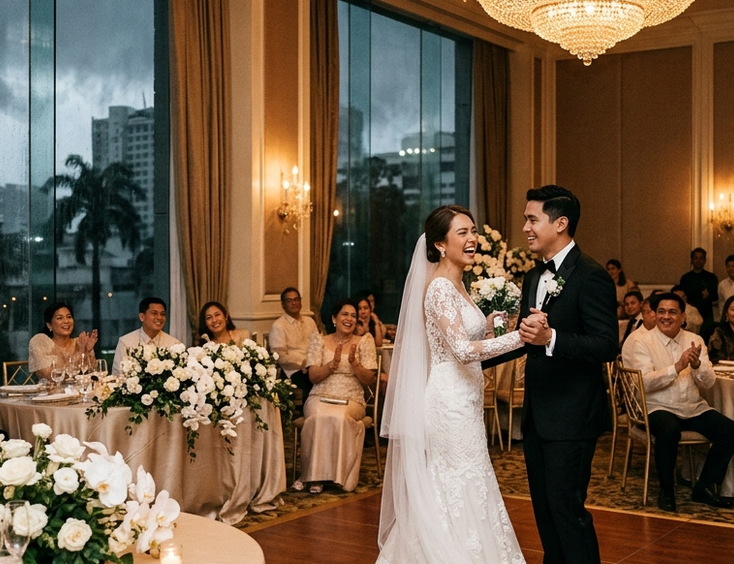
Indoor venues protect your day. Hotel ballrooms, country clubs, function halls, and covered pavilions handle any weather. Venues like Blue Leaf Filipinas, The Glass Garden indoor hall, Marquis Events Place, and Edsa Shangri-La operate the same in sun or storm.
Garden venues with backup pavilions also work. Hillcreek, Alta Veranda, and Hacienda Isabella all offer covered ballrooms or indoor halls. You book the garden for the photos, then move the dinner indoors if the rain hits.
Wet season also drops the rates. Venues offer 15 to 30 percent discounts. Suppliers compete harder. Saturdays open up. If you marry between June and October, you save real money and skip the booking war.
For couples weighing the trade-offs in detail, read our guide on outdoor vs. indoor wedding reception venues in the Philippines.
How to Read a Weather Forecast Before You Book
PAGASA issues monthly climate outlooks. Check the long-range forecast for your target month before you sign the venue contract. Look at the rainfall trends for the past five years in your target location.
Tagaytay rains less than Cavite lowlands. Cebu sits drier than Manila during habagat months. Palawan stays sunnier than Boracay in September. Davao rarely sees typhoons. La Union and Pangasinan stay dry during amihan but get hit during habagat.
Match your venue location to the rainfall pattern of your wedding month. A March wedding in Boracay works. A September wedding in Boracay carries habagat risk. A June wedding in Cebu stays drier than the same date in Manila.
Backup Plans Every Outdoor Venue Should Have
Ask the venue for the rain plan in writing. Every outdoor venue must answer four questions before you book.
Where does the ceremony move if it rains? A covered chapel, a garden gazebo, or an indoor hall. Get the exact location.
Where does the reception move if the storm hits during dinner? An indoor pavilion, a tent with sidewalls, or a function hall. Get the capacity number.
Who decides when to move? You, the coordinator, or the venue manager. Lock the decision-maker into the contract.
What time is the cutoff for the call? Most venues need a two-hour heads-up to convert the setup. A 6 PM dinner needs a 4 PM weather call.
Tents alone are not a backup plan. A standard event tent fails in strong wind and heavy rain. You need solid walls, a real roof, and proper drainage. Garden venues with permanent indoor pavilions beat venues that promise to "set up a tent" if it rains.
Insurance and the Force Majeure Clause
Read the venue contract for the force majeure section. The clause covers typhoons, government-declared calamities, and acts of God. Some venues refund the full amount. Some refund 50 percent. Some only reschedule.
Wedding insurance exists in the Philippines but stays niche. A few brokers offer event coverage for PHP 8,000 to PHP 25,000 depending on the venue cost. The policy covers cancellation due to typhoon, supplier default, and venue damage. Couples who marry in August and September benefit most from this coverage.
Ask the venue if they allow rescheduling without a penalty during typhoon season. Some venues lock you into the date. Some give you a 12-month rebooking window. The flexible ones cost more but protect your investment.

Month-by-Month Venue Recommendations
January and February: Outdoor venues in Tagaytay, Cavite, Batangas, and Palawan. Cool, dry, and stable. Book 12 to 18 months ahead.
March: Outdoor venues still work but pick highland or coastal locations. Beach venues in Batangas, Boracay, and Cebu shine.
April and May: Hot months. Lean toward indoor venues, highland venues, or evening outdoor receptions. Consider hotels, country clubs, and air-conditioned event halls.
June: Transition month. Outdoor venues with strong indoor backups work. Watch the forecast 30 days out.
July to September: Indoor venues only. Hotel ballrooms, function halls, country clubs, and covered pavilions. Skip pure outdoor venues unless you accept the typhoon risk.
October: Risk drops slightly. Indoor venues stay safer. Outdoor venues with covered backups can work in mid to late October.
November: Sweet spot. Cool air starts, rain eases, and rates sit below December peaks. Outdoor and indoor venues both work.
December: Peak season starts. Outdoor venues in Tagaytay, Cavite, and Palawan dominate. Book 18 months ahead for Saturday slots.
How Weather Shapes Your Guest List Decisions
A 200-pax outdoor garden wedding in February runs smoothly. The same headcount in August needs a 200-pax indoor backup. Big garden venues with no indoor space cap your safe headcount during wet months.
Intimate weddings of 30 to 60 guests fit any venue. You move easily between an outdoor lawn and an indoor pavilion. Larger weddings of 150 and up need locked-in indoor capacity for wet-season dates.
For a closer look at how guest count shapes the venue choice, read our guide on how to choose a wedding venue based on your Filipino guest list.
What Filipino Couples Get Wrong About Weather Planning
Couples pick the date first and the venue second. The smarter order flips this. Pick the season, scout the venue type, then lock the date.
Couples trust the photos. A garden venue looks perfect in the December portfolio shoot. The same venue in August floods the dance floor. Ask for photos and videos from rainy-day events.
Couples skip the rain rehearsal. Walk through the backup plan with the coordinator before the wedding day. Time the conversion. Check the indoor capacity. Test the lighting in the backup space.
Couples gamble on "ber" months. October weddings still get hit by typhoons. November still gets the tail end of the wet season. The dry calendar starts hard in late November, not early.
Couples ignore the heat. April and May weddings underestimate guest discomfort. Lolas and titas in formal wear suffer through 35-degree garden ceremonies. Plan the timing and the cooling around the actual temperature.

How the Season Affects Your Total Budget
Peak season costs more. December to February rates run 20 to 40 percent above wet-season rates. Saturdays in January spike higher than the same Saturday in July.
Wet season saves real money. Venues, caterers, photographers, and coordinators all drop rates from June to October. Couples who pick a July or August date and book an indoor venue often save PHP 100,000 to PHP 300,000 versus the same wedding in February.
Highland venues charge a premium year-round. Tagaytay rates beat Cavite rates by 30 to 50 percent for the same headcount because the cool weather sells.
For the full numbers and what each venue type costs by season, read our guide on how much a wedding reception venue costs in the Philippines.
Final Framework for Picking a Weather-Proof Venue
Set the month based on the season you can handle. Cool dry months for outdoor dreams. Hot dry months for evening or highland weddings. Wet months for indoor venues only.
Match the venue type to the weather risk. Outdoor venues need solid indoor backups during transition months. Pure outdoor venues belong to December, January, and February.
Lock the rain plan into the contract. Get the backup space, the decision-maker, and the cutoff time in writing.
Budget for the season. Peak months cost more. Wet months save money. Pick the trade-off that fits your priorities.
Browse weather-tested venues across every region on our reception venue suppliers directory and filter by location, capacity, and indoor availability.
For the full planning guide that ties weather, budget, guest list, and venue type into one decision, read our pillar on choosing a wedding reception venue in the Philippines.
Still Searching for a Right Match?
Find Your Perfect Wedding Supplier Today!
Discover trusted wedding suppliers across the Philippines in our complete directory. Compare services and connect with the ones that fit your dream celebration.
Browse Wedding SuppliersFeatured Blog Posts

Filipino Wedding Entourage - Roles, Order of March, and Modern Etiquette
6 mins readCivil Weddings in the Philippines - Requirements, Costs, and Step-by-Step Process
9 mins readCivil Wedding Requirements in the Philippines - Complete Checklist
6 mins readCost of Wedding in the Philippines - 5 Essential Things You Need to Know
7 mins readPrincipal Sponsors (Ninong/Ninang) - How Many, How to Ask, What They Really Do
4 mins readVeil, Cord, Candle & Coins - Roles, Options, and When They Happen
4 mins readEntourage for a Traditional Pinoy Wedding - Complete Roles and Guide
6 mins readComplete List of Civil Wedding Requirements in the Philippines
8 mins readHow to Choose Wedding Ninongs and Ninangs - Ask Yourself These 3 Important Questions
5 mins read