


Unang Kaarawan Ideas: Filipino First Birthday Traditions Every Parent Should Know
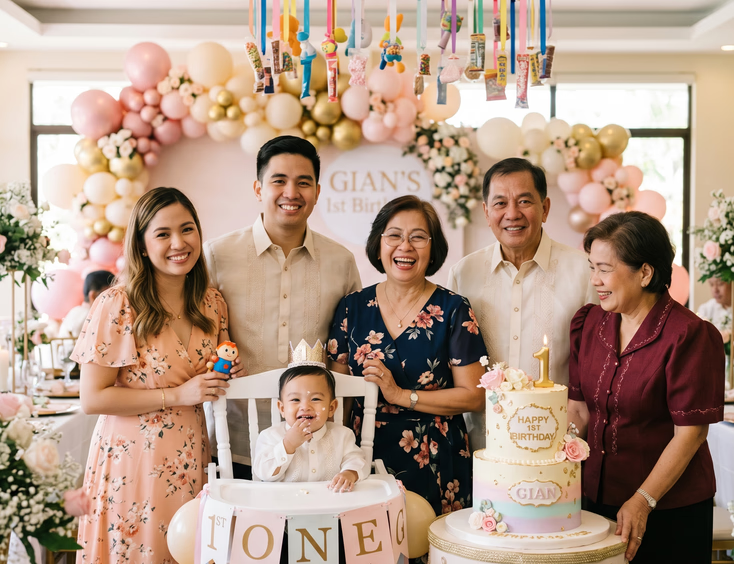
The first birthday in Filipino culture marks more than a year of life. Earlier generations celebrated the unang kaarawan as a triumph, a sign that the child had passed the most fragile stretch of infancy. That weight stayed in the culture even as healthcare improved, and today's parents inherit the same instinct to celebrate big.
Filipino grandparents expect a celebration. Titas and titos clear their calendars. Cousins from the province plan their trips around the date. Parents who consider a quiet family lunch often face gentle pressure to host something grander.
The unang kaarawan also doubles as a social event for the parents. Friends from work, college, and the neighborhood meet the baby for the first time. Godparents reconnect after the christening. Both sets of grandparents share the spotlight.
Setting the Date and Time
Filipino first birthdays usually happen on the actual birth date or the weekend closest to it. Saturday celebrations remain the most popular, with lunch programs starting around 11 AM and merienda parties at 3 PM.
Lunch celebrations work for venues that need to turn over the space for evening events. They also keep the baby fresh, since most one-year-olds nap by mid-afternoon. Merienda parties suit smaller gatherings and lower budgets, with lighter food and shorter programs.
Some parents skip the weekend rush and book a weekday celebration. Weekday rates run lower at hotels and function halls. Family members who work in BPO industries with rotating schedules often prefer weekday options anyway.
Choosing a Theme That Works
Filipino parents lean into themes for first birthdays. The theme guides the cake design, the loot bags, the venue styling, and the dress code for the immediate family. Themes also give photographers a clear visual direction.
Popular themes for baby girls include enchanted gardens, ballerina parties, butterfly motifs, and princess celebrations. Boys often get safari themes, transportation themes (planes, trains, cars), construction sites, or sports motifs. Gender-neutral themes like rainbows, jungle animals, and outer space work for parents who skip pink-and-blue conventions.
Some families build themes around the child's name or zodiac sign. Others pull from current children's shows, classic Filipino cartoons, or family heritage. A baby named after a flower might get a botanical theme. A child with Visayan roots might get styling that nods to provincial traditions.
The Pabitin: A Filipino Party Staple
The pabitin holds a fixed place in Filipino children's parties. A wooden lattice frame hangs from a rope, with small toys, candies, and treats tied to its underside. Adults raise and lower the frame while children jump to grab prizes.
The game produces predictable chaos. Older cousins dominate. Smaller children cry. Parents intervene. Photos from this moment fill family albums for decades.
Modern parents sometimes swap the pabitin for a piñata, but the older tradition holds strong in Filipino communities. Some venues prepare the pabitin as part of their package. Others require parents to bring their own frame and prizes.
The Dulang Ceremony
The dulang ritual places symbolic objects in front of the birthday child. The baby crawls or reaches for an object, and the choice supposedly predicts a future career or trait. The tradition draws from Chinese cultural influence and remains common in Filipino-Chinese households, though many Filipino families practice it regardless of heritage.
Common dulang objects and their meanings:
- Money or coins: business success or wealth
- Pen: a future as a writer, lawyer, or scholar
- Stethoscope: medical career
- Rosary or bible: religious vocation or faithful life
- Microphone: career in entertainment or media
- Calculator: accounting, engineering, or finance
- Paintbrush: artistic talent
- Rice: lifelong abundance and never going hungry
Parents arrange the objects on a low table or blanket. Cameras roll. Grandparents narrate. The baby reaches for whatever catches the eye, and the family cheers regardless of the choice.
The Cake Smash and Photo Session
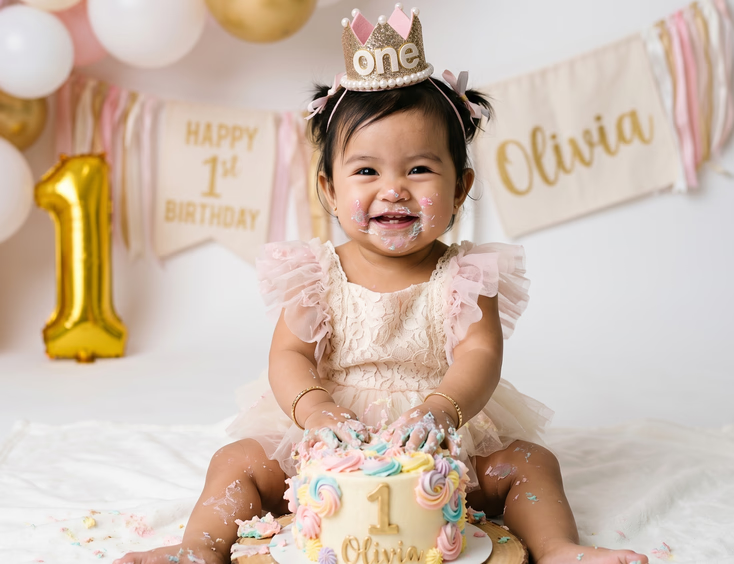
The cake smash photo session became a fixture in Filipino first birthdays over the past decade. Parents book photographers for a pre-party session, dress the baby in a cake-smash outfit, and let the child destroy a small cake meant only for photos.
The actual birthday cake stays untouched during the smash. The smash cake comes from the same baker, usually as a complimentary add-on or a small additional cost. Some bakers offer cake smash kits that include the small cake, a matching crown, and themed props.
Photographers typically charge separately for cake smash sessions or include them in milestone packages. Studios with backdrops, ring lights, and themed props handle the setup. Outdoor sessions at gardens or beaches also work, especially for families outside Metro Manila.
Browse styling and supplier ideas in our guide to the cultural meaning of the 7th birthday, which shares the spotlight as the next major childhood milestone.
Food That Filipino Guests Expect
Filipino first birthday catering follows predictable patterns. Guests expect rice, a meat dish, a noodle dish, vegetables, and dessert. Pancit holds symbolic weight as a wish for long life and rarely gets skipped at birthday celebrations.
Standard birthday menus include:
- Pancit (canton, bihon, or palabok) for long life
- Lechon for special occasions and large gatherings
- Spaghetti with sweet Filipino-style sauce that children love
- Fried chicken as a kid-friendly option
- Beef caldereta or kare-kare as a hearty main
- Lumpia as a finger food appetizer
- Fresh fruit and a tiered cake for dessert
Budget caterers serve buffet-style meals for 50 to 100 guests at affordable rates. Hotel catering costs more per head but includes setup, service staff, and venue coordination.
For detailed questions to ask before signing with a caterer, check our post on birthday caterers in Metro Manila.
The Cake That Anchors the Celebration
The first birthday cake serves as the visual centerpiece. Parents commission custom designs that match the theme, often featuring the number 1, the child's name, and themed figurines on top. Two-tier and three-tier cakes remain popular, with a smaller cake for the smash and a larger one for slicing.
Filipino bakers offer custom cake design services across price ranges. Home-based bakers handle simpler designs at lower costs. Boutique bakers and hotel pastry chefs produce elaborate cakes with sugar flowers, hand-painted details, and edible images.
Order the cake at least two to three weeks ahead for custom designs. Peak season orders (December and summer months) require longer lead times. Discuss delivery, setup, and refrigeration with the baker before signing.
Compare bakeries that handle milestone orders in our guide to birthday cakes worth considering for milestones.
Loot Bags and Party Favors
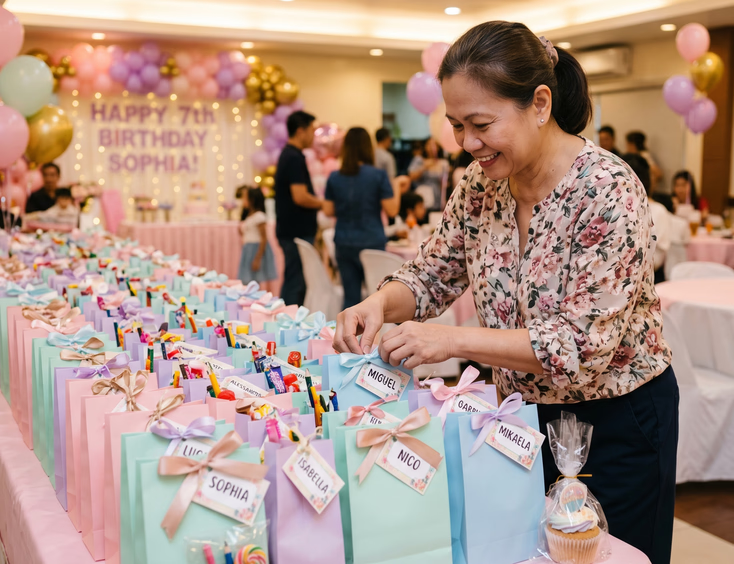
Filipino parents prepare loot bags for every child guest and sometimes for adult guests too. The bags hold candies, small toys, themed trinkets, and sometimes a slice of cake or a cupcake. Some parents add personalized items like name tags, stickers, or coloring books.
Standard loot bag budgets run from PHP 100 to PHP 500 per bag depending on contents and design. Themed loot bags from suppliers cost more but save parents hours of assembly time. DIY loot bags work for parents with time and a knack for crafts.
Adult guests often receive token gifts like small jars of homemade preserves, candles, or themed favors. These tokens acknowledge the guests' time and travel, especially for events that draw family from far provinces.
Choosing the Right Venue
First birthday venues range from home celebrations to hotel ballrooms. The choice depends on guest count, budget, theme, and weather considerations.
Home celebrations work for guest lists under 30. Backyard parties offer flexibility on timing and decoration but require parents to handle setup, cleanup, parking, and bathroom logistics.
Function halls and clubhouses in subdivisions and condominiums serve guest counts from 50 to 150. They offer kitchen access, parking, and basic furniture. Most charge rental fees plus a security deposit.
Restaurants with function rooms suit guest lists from 30 to 100. The venue handles food, service, and cleanup, simplifying the parents' workload. Some restaurants offer themed party packages with decorations included.
Hotel ballrooms and event venues handle guest counts above 100 and provide full-service planning. They cost more but absorb most of the logistical burden.
Find venue options with full-service packages in our roundup of the best hotel function rooms for milestone birthdays in Metro Manila.
Booking Suppliers on the Right Timeline
First birthday suppliers book out faster than parents expect. Photographers, hosts, and venues for popular dates fill up six to nine months ahead. Caterers and bakers need at least two months of lead time for milestone orders.
Build your booking schedule around the venue first. Once the date and location lock, secure the caterer and cake. Photography, hosting, and styling come next. Loot bags, invitations, and small details fall into place in the final month.
Get a full planning timeline in our guide on how far in advance you should book suppliers for a milestone birthday.
Finding Suppliers You Can Trust
Filipino first birthday suppliers range from family-run operations to large event companies. The best suppliers carry consistent reviews, transparent pricing, and a portfolio of past events that match the style you want.
Ask for written contracts. Confirm payment schedules. Request sample products or portfolio reviews before final booking. Avoid suppliers who pressure quick decisions or refuse to provide references.
Start your supplier search with our complete guide on finding the right birthday party supplier in the Philippines.
Planning the Program
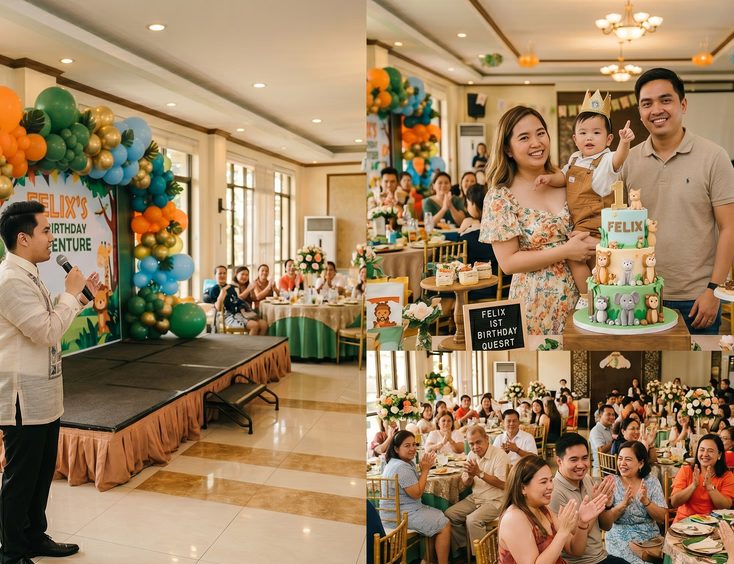
A standard Filipino first birthday program runs about two hours and follows a familiar flow:
- Guest arrival and registration (30 minutes)
- Welcome remarks and prayer (5 minutes)
- Lunch or merienda (45 minutes)
- Games and pabitin (20 minutes)
- Dulang ceremony (10 minutes)
- Cake cutting and candle blowing (10 minutes)
- Photo opportunities and dismissal (20 minutes)
Hosts keep the program moving. Some families hire professional emcees who handle children's parties. Others assign an articulate family member to lead the program. The host introduces speakers, manages the games, and signals the photographer at key moments.
For deeper context on how this celebration connects to the bigger picture of Filipino birthday traditions across all ages, read our ultimate guide to Filipino milestone birthdays.
What to Skip Without Guilt
First birthday celebrations carry pressure to do everything. Some traditions matter less than others, and parents can drop elements without losing the celebration's meaning.
Skip the formal program if your guest list runs under 20. Skip the loot bags for adult-heavy guest lists. Skip the hired host if you have a family member who handles crowds well. Skip the elaborate dessert table if the cake itself feels like enough.
The baby will not remember the day. The photos and videos preserve the memory for the family. Plan for the people who will actually watch, listen, and celebrate, not for an imagined standard of what a first birthday should look like.
Still Searching for a Right Match?
Find Your Perfect Wedding Supplier Today!
Discover trusted wedding suppliers across the Philippines in our complete directory. Compare services and connect with the ones that fit your dream celebration.
Browse Wedding SuppliersFeatured Blog Posts

Filipino Wedding Entourage - Roles, Order of March, and Modern Etiquette
6 mins readCivil Weddings in the Philippines - Requirements, Costs, and Step-by-Step Process
9 mins readCivil Wedding Requirements in the Philippines - Complete Checklist
6 mins readCost of Wedding in the Philippines - 5 Essential Things You Need to Know
7 mins readPrincipal Sponsors (Ninong/Ninang) - How Many, How to Ask, What They Really Do
4 mins readVeil, Cord, Candle & Coins - Roles, Options, and When They Happen
4 mins readEntourage for a Traditional Pinoy Wedding - Complete Roles and Guide
6 mins readComplete List of Civil Wedding Requirements in the Philippines
8 mins readHow to Choose Wedding Ninongs and Ninangs - Ask Yourself These 3 Important Questions
5 mins read