


Birthday Caterers in Metro Manila: What to Ask Before You Book
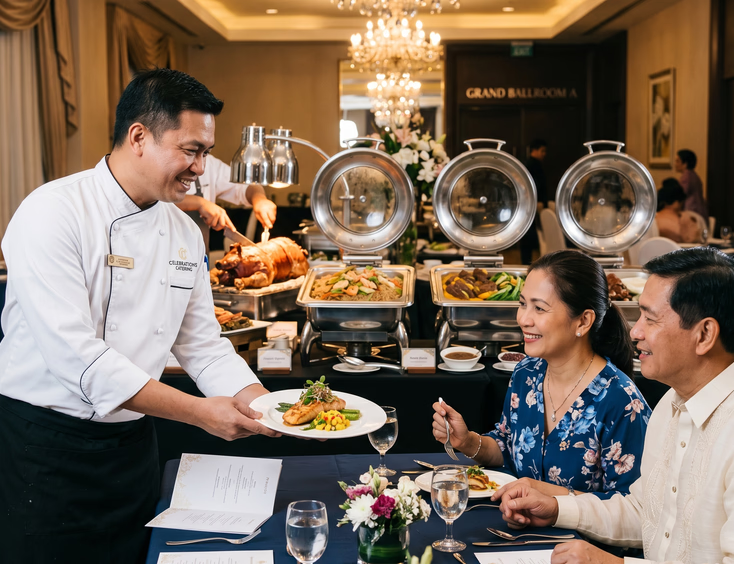
The caterer shapes the birthday celebration more than any other supplier. Filipino guests judge events through the food. A late dinner, a cold buffet, or a menu that runs out before the program ends becomes the story everyone tells the next day. The cake, the styling, and the photographer matter, but the food carries the most weight.
Metro Manila offers hundreds of catering options across every price tier. Hotel catering, independent caterers, restaurant-based catering, and home-based operations all compete for milestone birthday business. The choice depends on guest count, budget, venue, and the level of service the celebration requires.
The right caterer answers questions clearly, prices transparently, and shows up prepared on the event day. The wrong caterer leaves families scrambling to fix problems they should have caught before signing the contract.
Start with the Right Inquiry Questions
The first conversation with a caterer sets the tone for the entire relationship. Suppliers reveal a lot about their operations through how they respond to initial questions. Slow responses, vague answers, and reluctance to share details signal problems that grow worse closer to the event.
Lead with these questions during the inquiry stage:
- What dates do you have available? Confirm availability before going deeper into menu discussions
- What is your minimum guest count? Some caterers refuse bookings below 50 or 100 guests
- What is your standard menu structure? Most offer set packages with optional add-ons
- Can you handle dietary restrictions? Vegetarian, gluten-free, diabetic, and allergy considerations
- Do you have a tasting session? Reputable caterers offer this before final booking
- What venues have you served before? Familiarity with your venue reduces logistics risks
- Can I see photos from recent events? Recent work reveals current quality
The responses help filter caterers worth pursuing further. Suppliers who answer all of these clearly in the first round of conversation earn a deeper look. Suppliers who deflect or provide partial answers usually continue that pattern through the planning process.
Menu Planning Questions That Reveal Quality
The menu conversation reveals whether the caterer adapts to your celebration or pushes you into their standard offerings. Both approaches can work, but understanding which type of caterer you're working with matters.
Key menu questions include:
- Can the menu be customized? Some caterers offer extensive customization while others only allow swaps within fixed packages
- What is included in each package tier? Compare appetizers, mains, sides, desserts, and drinks across tiers
- Are appetizers passed or stationed? Service style affects both the experience and the staffing requirements
- How many main dishes are included? Standard packages usually include two to four mains
- What dessert options are offered? Some packages include tiered desserts while others only offer fruit
- Can you accommodate the celebrant's favorite dishes? A custom recipe or family favorite often makes the celebration feel personal
- What is the standard rice service? Plain steamed rice, garlic rice, or both
- Are drinks included? Iced tea, juice, water service, or coffee and tea separately
A reputable caterer walks you through the menu thoughtfully. They explain portion sizing, recommend dishes based on your guest demographic, and flag potential issues like dishes that don't hold well over long programs.
Pricing Transparency and What to Watch For
Pricing structures vary across Metro Manila caterers. Some quote per-head rates that bundle most services. Others quote separately for food, service, and equipment. The clearer the pricing, the easier the comparison.
Ask these questions to understand the full cost:
- Is the price per head all-inclusive? Confirm what falls outside the per-head rate
- What are the service staff ratios? One server per 10 to 15 guests is standard for buffets
- Are tables, chairs, and linens included? Some caterers provide these while others charge separately
- Are chafing dishes, serving utensils, and glassware included? Equipment costs add up
- What is the corkage policy for outside items? Cakes, alcohol, and specialty drinks often incur corkage
- What are overtime charges? Confirm rates per hour for service beyond the agreed schedule
- What is the surcharge for distant venues? Catering teams often charge for venues outside their service zones
- What is the cancellation policy? Understand the timeline and refund structure
Get quotations in writing. Verbal quotes change, get misremembered, or create disputes later. A written quotation with itemized inclusions protects both parties.
Cheap caterers often look attractive on first quote but reveal hidden costs through corkage, equipment rental, service staff, and overtime charges. Mid-tier caterers with transparent pricing usually deliver better value than the cheapest bid that piles on fees.
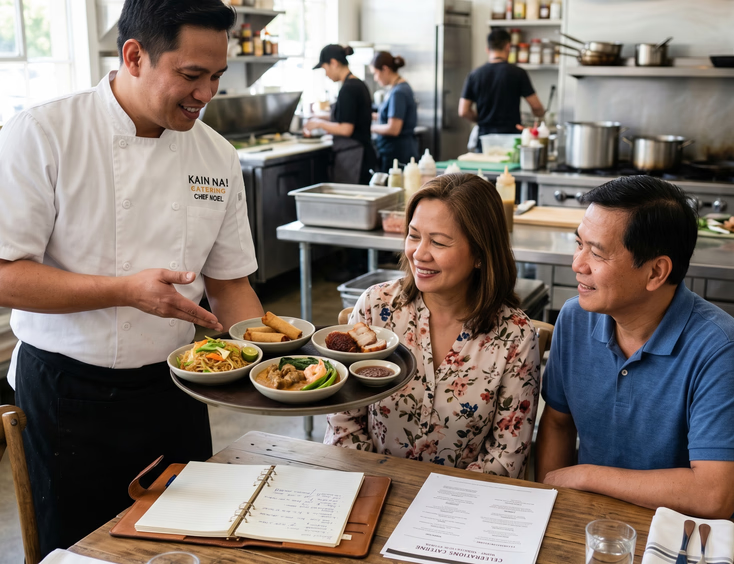
Tasting Sessions and What to Expect
Reputable catering operations offer tasting sessions before final booking. The session gives the family direct experience of the food quality, the presentation, and the service style.
Important tasting session considerations:
- Is the tasting free or paid? Many caterers charge a tasting fee that gets credited toward the final bill if booked
- How many guests can attend the tasting? Most allow two to four family members
- Can you taste from the actual proposed menu? Confirm the tasting reflects your event menu
- How long is the tasting session? Usually one to two hours including consultation time
- Will the same chef prepare your event food? Some operations rotate chefs across events
During the tasting, evaluate food temperature, texture, seasoning, and presentation. Ask about how the food holds during longer service windows. Some dishes that taste excellent fresh become unappealing after sitting in chafing dishes for an hour.
Take notes. Confirm preferences and adjustments in writing immediately after the tasting. Memories of dish details fade within days, and the menu decisions need to be locked in before contracts get signed.
Service Staff and What Their Role Includes
The service team determines how guests experience the food beyond the menu itself. Slow service, missing staff, and uncoordinated ingress all undermine even the best food.
Ask these service-related questions:
- How many servers will be assigned? Buffets typically need one server per 10-15 guests; plated dinners need one per 8-10 guests
- What roles do the staff fill? Servers, waiters, bartenders, bussers, dishwashers, and supervisors
- What is the dress code for the staff? Most operate in black-and-white or formal catering uniforms
- What time does the team arrive for setup? Standard ingress runs two to three hours before guest arrival
- Who manages the team on site? A captain or supervisor should be designated for on-the-day coordination
- What is the cleanup process? Confirm whether the team handles dish removal, trash, and equipment teardown
Confirm the staff count and roles in the contract. Some caterers bill for senior staff who never actually appear at the event. Others under-staff to cut costs, leaving guests waiting in long buffet lines.
Filipino Menu Essentials Guests Expect
Filipino milestone birthdays carry food expectations that vary by celebration type. Some dishes appear at almost every event. Others depend on the celebrant's preferences or family traditions.
Common Filipino birthday menu items include:
- Pancit for long life, often included as a standard inclusion
- Lechon as the centerpiece for major celebrations
- Spaghetti with sweet Filipino-style sauce especially for children's parties
- Fried chicken as a kid-friendly and crowd-pleasing option
- Kare-kare for adult celebrations and milestone birthdays
- Crispy pata or lechon kawali for additional pork options
- Beef caldereta, mechado, or roast beef for variety in the protein selection
- Sinigang, tinola, or bulalo for soup courses
- Lumpiang Shanghai and ubod as appetizers
- Steamed rice and garlic rice
- Filipino dessert spread featuring leche flan, ube halaya, biko, and bibingka
- Fresh fruit platters
Some celebrations add international touches like sushi stations, pasta bars, roast beef carving stations, or chocolate fountains. The additions feel premium but increase the budget significantly.
For context on how catering decisions fit into the larger planning of Filipino milestone birthdays, read our ultimate guide to Filipino milestone birthdays.
Catering Style Choices
Different service styles produce different guest experiences. The choice depends on guest count, budget, formality, and program flow.
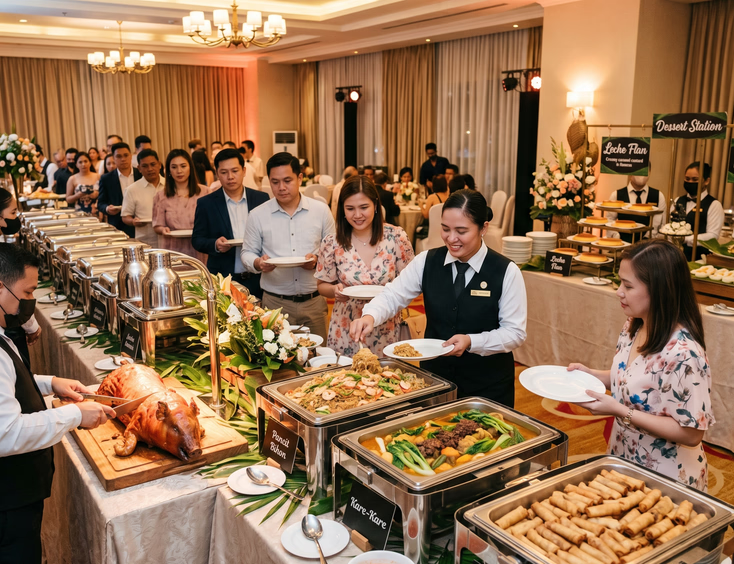
Buffet service works for guest counts from 50 to 500. Guests serve themselves from chafing dishes arranged on long tables. Buffets cost less per head and require fewer service staff but create lines that affect program timing.
Plated dinner service suits guest counts under 200 and formal programs. Servers deliver pre-plated meals to seated guests. Plated service costs more per head and requires more staff but produces a smoother program flow.
Family-style service places shared platters at the center of each table. Guests pass dishes and serve themselves. The style works for intimate celebrations under 100 guests and creates a warm communal atmosphere.
Cocktail-style service uses passed canapés and food stations rather than seated meals. The format suits standing receptions, networking events, and modern celebrations under 150 guests.
Hybrid service combines elements like cocktail receptions during arrival followed by plated or buffet dinners. The format suits longer programs that need multiple service phases.
Coordinating with the Venue
Catering coordination with the venue requires clarity on multiple logistics points. Each venue has its own rules about catering operations.
Confirm these venue-catering details:
- Kitchen access including whether the venue has a working kitchen or requires offsite preparation
- Ingress and egress windows including loading dock access and timing
- Power supply for chafing dishes, equipment, and electric warmers
- Refrigeration for cake storage, perishable items, and bar drinks
- Trash and dish disposal including who handles cleanup
- Parking for catering vehicles including loading zones
- Restrictions on cooking on premises including open flames or grills
- Sound and noise restrictions that might affect service timing
Some venues maintain exclusive catering arrangements that prevent outside caterers entirely. Others charge significant corkage fees for outside catering. Confirm these policies before booking either the venue or the caterer.
For venues that work well with outside catering or offer in-house catering, browse our guide to the best hotel function rooms for milestone birthdays in Metro Manila.
Cake and Dessert Coordination
The birthday cake usually comes from a separate baker rather than the caterer. Coordinating between the two suppliers prevents conflicts on the event day.
Key cake-related questions for the caterer include:
- What is the corkage fee for outside cakes? Some hotels charge per slice while others charge a flat fee
- Can the caterer slice and serve the cake? Standard service usually includes slicing
- Does the caterer provide cake plates and forks? Confirm whether these are included
- What is the cake table styling? Some caterers handle cake table arrangement
- What is the policy on leftover cake? Confirm who handles boxing and distribution
Some caterers also offer dessert spreads beyond the birthday cake. Filipino dessert bars featuring leche flan, ube halaya, biko, and bibingka give guests options beyond the cake.
Compare cake suppliers in our roundup of birthday cakes worth considering for milestones.
Drink Service Considerations
Drink service often gets undervalued during menu planning. The drinks affect both guest experience and budget significantly.
Discuss these drink-related details:
- What standard drinks are included? Iced tea, juices, water, coffee, and tea are common inclusions
- Is alcohol included? Most caterers exclude alcohol from base packages
- Can you bring your own alcohol? Corkage fees apply at many venues
- Will the caterer provide bartenders? Bar service requires separate staff
- What glassware is provided? Plastic, hard plastic, and real glassware affect both cost and presentation
- How is the bar setup styled? Some events feature elaborate bar setups while others use simple table service
For larger celebrations, dedicated bartenders create a more sophisticated drink experience. Signature cocktails, wine pairings, and beer service all require advance planning with the catering team.

Payment Schedules and Contract Protection
Catering contracts typically require staged payments. Understand the schedule before signing.
Common payment structures include:
- Reservation deposit of 25% to 50% to secure the date
- Mid-point payment at the menu finalization stage
- Final payment due before the event or upon completion
Insist on official receipts for every payment. Pay through traceable channels like bank transfer or check rather than cash. Verify the caterer's business registration before transferring large deposits.
Confirm the cancellation policy in writing. Understand the timeline for refunds, the percentage forfeited at different cancellation points, and the force majeure clauses that cover unexpected disruptions.
Final Headcount and Last-Minute Adjustments
Caterers usually require the final guest count seven to ten days before the event. The count locks the food preparation and staff scheduling.
Considerations for the final count include:
- Cut-off date for final headcount confirmed in writing
- Surcharge for late additions at most operations
- Policy on no-show guests including whether refunds apply
- Buffer count recommendations to handle unexpected attendees
Build a small buffer into the final count. Filipino events often see unexpected guests, especially during walk-in occasions like christenings combined with birthdays. A 5-10% buffer prevents food shortages without significantly increasing the budget.
Coordination Meeting Before the Event
Schedule a final coordination meeting with the caterer one to two weeks before the event. The meeting confirms all logistical details and surfaces any last-minute concerns.
Cover these topics in the coordination meeting:
- Final menu and quantities
- Service timing aligned with the program flow
- Ingress and setup schedule
- Staff count and assigned roles
- Equipment and supplies inventory
- Special dietary requirements for specific guests
- Emergency contacts on both sides
- Cancellation contingencies
Document the meeting in writing. Share the final coordination document with the caterer, the venue, and the family's lead planner. The shared document prevents misunderstandings on the event day.
For broader supplier vetting strategies, read our guide on how to find the right birthday party supplier in the Philippines.
Booking Timeline for Birthday Caterers
Metro Manila birthday caterers book out fast for peak season dates. Hotel catering for Saturday weddings and milestone celebrations fills up 12 to 18 months ahead. Independent caterers for popular weekends require six to nine months of lead time.
Off-peak dates and weekday celebrations offer more flexibility. Some caterers offer discounted rates for these dates to fill their booking calendar.
Build the catering booking around the venue. Once the venue locks the date, secure the caterer next, especially for celebrations during peak season. Other suppliers can be booked after the venue and caterer commitments are confirmed.
For a full planning timeline, read our guide on how far in advance you should book suppliers for a milestone birthday.
What Separates Reliable Caterers from Disasters
The right caterer answers questions clearly, prices transparently, and communicates proactively. The wrong caterer creates problems that surface at the worst possible moments.
Reliable caterers show up on time, prepare the right quantities, and manage staff professionally. Their food arrives hot when it should be hot and chilled when it should be cold. Their setup looks clean and presentable. Their service runs smoothly without bottlenecks.
Disaster caterers run late, under-prepare quantities, send inadequate staff, and disappear when problems arise. The signs usually surface during the inquiry stage through slow responses, vague pricing, and resistance to written contracts.
The vetting process catches most of the obvious problems. The thorough conversation about menu, service, logistics, and contingencies catches the rest. Families that invest time in these conversations end up with caterers who handle the food correctly and let everyone focus on the celebration itself.
Still Searching for a Right Match?
Find Your Perfect Wedding Supplier Today!
Discover trusted wedding suppliers across the Philippines in our complete directory. Compare services and connect with the ones that fit your dream celebration.
Browse Wedding SuppliersFeatured Blog Posts






Filipino Wedding Entourage - Roles, Order of March, and Modern Etiquette
6 mins readCivil Weddings in the Philippines - Requirements, Costs, and Step-by-Step Process
9 mins readCivil Wedding Requirements in the Philippines - Complete Checklist
6 mins readCost of Wedding in the Philippines - 5 Essential Things You Need to Know
7 mins readPrincipal Sponsors (Ninong/Ninang) - How Many, How to Ask, What They Really Do
4 mins readVeil, Cord, Candle & Coins - Roles, Options, and When They Happen
4 mins readEntourage for a Traditional Pinoy Wedding - Complete Roles and Guide
6 mins readComplete List of Civil Wedding Requirements in the Philippines
8 mins readHow to Choose Wedding Ninongs and Ninangs - Ask Yourself These 3 Important Questions
5 mins read