


Birthday Cakes in the Philippines: Bakers Worth Considering for Milestones
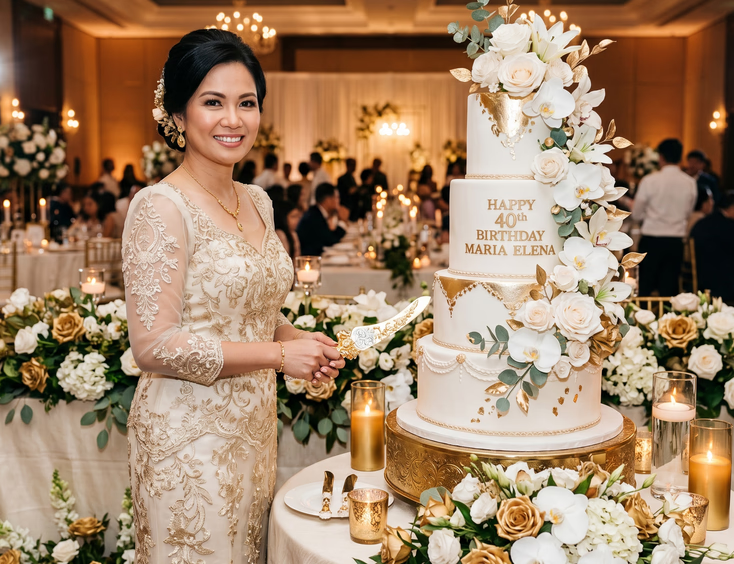
The birthday cake serves as the visual centerpiece of every Filipino milestone celebration. Guests photograph it. Children gather around it. The candle-blowing moment anchors the program. The cake-cutting becomes the most-shared image on social media after the event. The cake matters more than most families realize when they start planning.
Filipino baking culture has grown deep over decades. Hotel pastry chefs, boutique bakeries, home-based bakers, and dessert artists all compete for milestone birthday orders. The range of options means almost any vision can be brought to life. The challenge becomes finding the right baker for your specific celebration.
The right baker delivers the cake on time, intact, and matching the agreed design. The wrong baker creates a crisis hours before the program starts. The difference often comes down to clear communication, transparent pricing, and a portfolio that proves consistency across multiple events.
Types of Filipino Bakers and What They Specialize In
The Philippine baking landscape includes several distinct categories. Each serves different needs at different price points.
Hotel pastry teams produce cakes for milestone celebrations held at their venues. The teams handle elaborate multi-tier designs, sugar flower work, and same-day customization. Hotel cakes carry premium pricing but bundle in delivery, setup, and service coordination.
Boutique bakeries specialize in custom designs for weddings, milestone birthdays, and high-end celebrations. The studios employ pastry chefs trained in international techniques and produce showpiece cakes with sculptural elements, hand-painted details, and complex flavor combinations.
Established traditional bakeries carry brand recognition built over decades. Their cakes appear at family celebrations across generations. The styles lean classic, with reliable quality and recognizable signatures that older family members associate with milestone occasions.
Home-based bakers operate from home kitchens and produce custom cakes at lower price points than boutique studios. The category includes hobbyist bakers who handle small orders and full-time home professionals with significant client lists. Quality varies widely across home-based operations.
Pastry artists and specialists focus on specific techniques like buttercream painting, fondant sculpture, isomalt work, or specific cake styles. The artists often command premium pricing and require longer lead times for their specialized work.
Dessert bar specialists create cake-and-dessert spreads rather than single cakes. The format works for celebrations with elaborate dessert tables that mix cakes, cupcakes, macarons, and Filipino sweets into a coordinated display.
What to Look For in a Birthday Cake Portfolio
A portfolio reveals more about a baker than any conversation can. The work shows consistency, technique, style range, and the level of detail the baker handles well.
Evaluate portfolios through these criteria:
- Consistency across multiple events rather than one or two stunning examples
- Recent work from the last six to twelve months that reflects current style and skill
- Technique range appropriate for your specific design needs
- Clean execution including sharp edges, smooth surfaces, and tidy detail work
- Color accuracy that matches what the photos appear to show
- Structural integrity in multi-tier designs with proper support systems
- Detail quality in elements like sugar flowers, fondant figures, and edible printing
Request photos from events similar in scale and theme to your celebration. A baker who excels at classic three-tier wedding cakes may not handle whimsical first-birthday character cakes well. A baker who creates beautiful single-tier desserts may struggle with elaborate four-tier sculptural pieces.
Ask for photos taken at the actual events rather than only studio shots. Studio photos use ideal lighting and angles. Event photos show how the cake holds up under venue lighting, temperature conditions, and the full reception setup.
Design Conversations That Get You What You Want
The design consultation determines whether the final cake matches your vision. Clear communication during this stage prevents disappointment on the event day.
Prepare for the design consultation with these materials:
- Reference photos that show the styles, colors, and elements you want
- Photos of the venue and styling so the cake fits the broader décor
- Color swatches if specific color matching matters
- The celebrant's preferences including favorite flavors, themes, and personal touches
- The cake's role in the event including whether it serves as the primary dessert or one of many
Discuss these details with the baker:
- The cake's purpose for ceremony, dessert, or both
- The cake's visibility during the program and reception
- The dietary considerations like nut allergies, gluten sensitivities, or sugar-free needs
- The serving requirements including whether the cake needs to feed all guests or only ceremonial slices
- The transportation distance from the bakery to the venue
- The setup conditions including refrigeration availability and ambient temperature
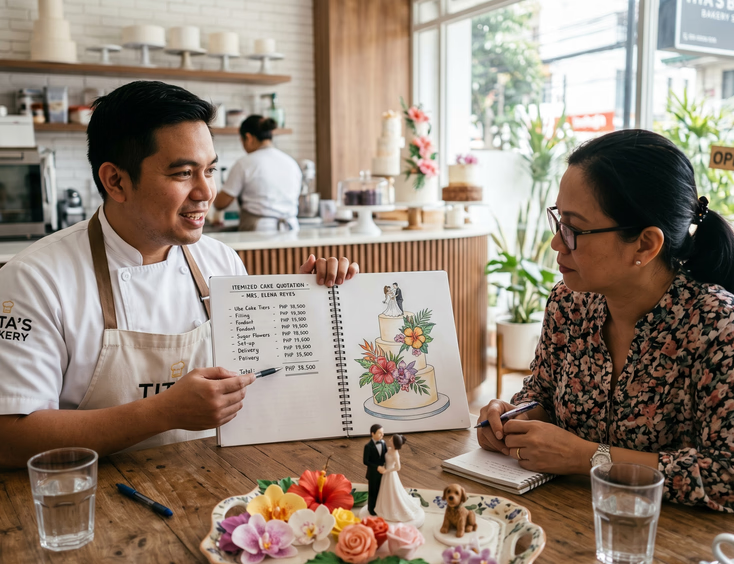
A reputable baker translates your inputs into a clear design proposal. The proposal usually includes a sketch, mood board, or 3D rendering of the proposed cake. Confirm every detail in writing before paying the deposit.
Pricing Structures and What Drives Cake Cost
Filipino birthday cake pricing varies enormously across baker categories. Understanding what drives the cost helps families budget realistically and negotiate effectively.
Cost factors that increase cake pricing include:
- Number of tiers with multi-tier cakes requiring more time, ingredients, and structural work
- Cake size and serving count with larger cakes requiring more raw materials
- Design complexity including sugar flowers, fondant figures, hand-painting, and isomalt work
- Flavor selection with premium ingredients like imported chocolates and specialty fruits costing more
- Customization level including custom shapes, sculpted elements, and unique designs
- Edible printing or photo elements that require specialized equipment
- Fresh flowers or specialty toppers that add styling cost
- Delivery distance and setup complexity that add transportation and labor charges
Ask for itemized pricing that breaks down each cost component. Itemized quotes make comparisons across bakers possible and reveal which features drive the budget the most.
Some bakers offer package pricing tiers like silver, gold, and platinum. The packages bundle common features at preset prices, simplifying the comparison process. Other bakers price every cake individually based on the specific design.
Cheap cakes often look attractive on first quote but reveal limitations through smaller portions, fewer design elements, or simpler decoration than the family expected. Mid-tier bakers with transparent pricing usually deliver better value than the cheapest option in any category.
For context on how cake decisions fit into the broader supplier search, read our guide on how to find the right birthday party supplier in the Philippines.
Flavor Selection Beyond Vanilla and Chocolate
Filipino milestone birthday cakes have expanded far beyond the basic vanilla and chocolate options of earlier decades. The flavor landscape now includes heritage Filipino ingredients, international combinations, and elaborate fillings that elevate the dessert experience.
Popular cake flavor categories include:
- Classic vanilla and chocolate with buttercream or chocolate ganache fillings
- Filipino heritage flavors like ube, mango, calamansi, pandan, and salted egg
- Premium chocolate combinations featuring imported chocolate and ganache fillings
- Fruit-forward options with mango, strawberry, lemon, or mixed berry fillings
- Coffee and tea flavors including mocha, espresso, matcha, and earl grey
- Caramel and toffee variations with butterscotch or dulce de leche elements
- Cheesecake-based designs with various fruit toppings or chocolate finishes
- Layered combinations mixing two or three flavors across different tiers
Multi-tier cakes can feature different flavors in each tier. The approach lets families please diverse preferences across a single cake. Confirm with the baker how flavor coordination works and whether mixed flavors require additional cost.
Consider the celebration context when picking flavors. Children's parties tend toward vanilla, chocolate, and lighter sweet options. Adult celebrations welcome more sophisticated flavors. Multi-generational events often need a mix to satisfy younger and older palates.
Lead Times and Booking Schedules
Birthday cake orders require advance booking, especially for milestone celebrations with custom designs. The lead time varies by baker category and design complexity.
Standard lead times include:
- Simple custom cakes require two to three weeks of advance notice
- Mid-complexity designs with two to three tiers and standard decorations need four to six weeks
- Elaborate multi-tier cakes with custom sugar flowers, hand-painting, or sculptural elements need six to ten weeks
- Peak season orders during December, May, and the summer school break require additional lead time
- Same-day rush orders are available from some operations at premium pricing
Lock the booking with a deposit as soon as the design and pricing settle. Popular bakers fill their booking calendars months ahead, especially for peak weekend dates. Late inquiries often face limited options or cancellation fees if the baker accepted other commitments first.
For a full planning timeline across all suppliers, read our guide on how far in advance you should book suppliers for a milestone birthday.
Delivery Logistics That Prevent Disasters
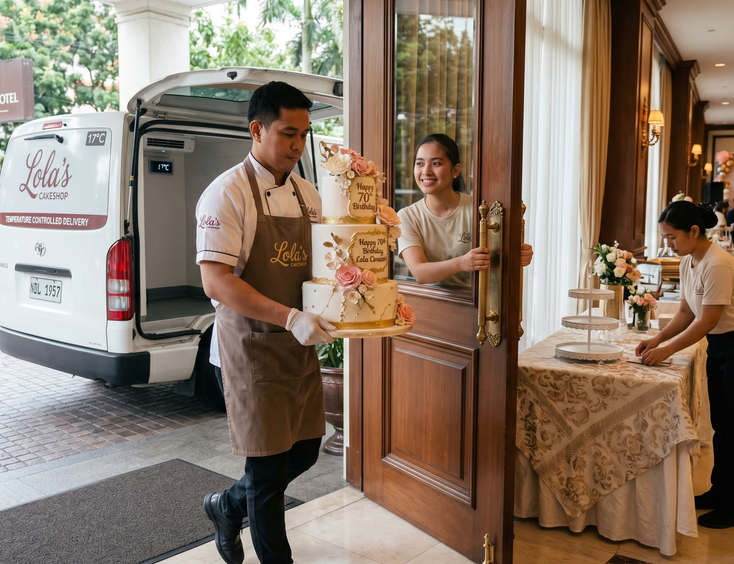
Cake delivery represents the highest-risk moment in the supplier process. A perfectly designed cake can be ruined by improper transport, temperature exposure, or rough handling.
Discuss these delivery considerations with the baker:
- Delivery vehicle including whether the baker uses temperature-controlled transport
- Delivery timing including how early the cake arrives at the venue
- On-site setup including whether the baker handles final assembly at the venue
- Refrigeration coordination with the venue if the cake needs cold storage before the program
- Backup cake plans if the original cake gets damaged during delivery
- Delivery distance charges especially for venues outside Metro Manila
- Insurance coverage for cake damage during transport
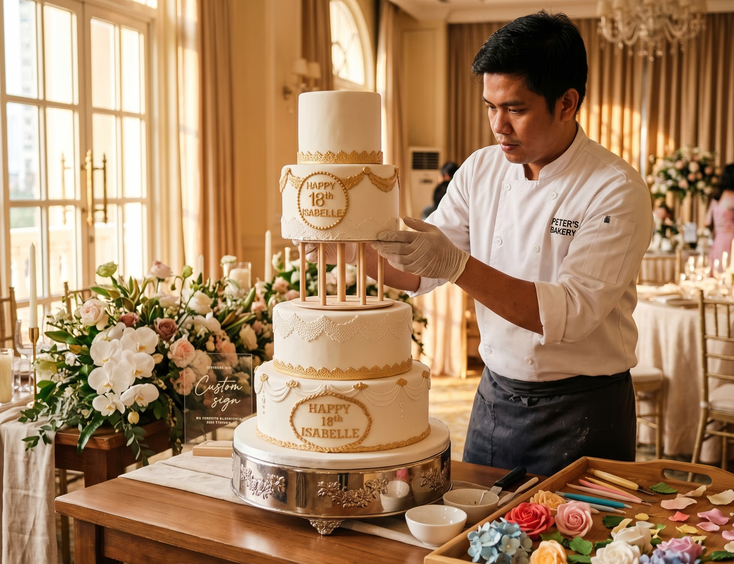
Multi-tier cakes often arrive at venues in separate pieces and get assembled on site by the baker's team. The assembly requires skilled hands and a stable work surface. Confirm whether the baker provides on-site assembly or only delivers the components.
Some bakers refuse to deliver to certain venues based on distance, accessibility, or previous bad experiences. Confirm delivery before committing to both the baker and the venue.
Coordinating with the Caterer
The cake and the caterer require coordination to deliver smooth service. Confusion between the two suppliers creates problems during the cake-cutting moment and afterward.
Coordinate these cake-related details with the caterer:
- Cake corkage fees especially at hotels with in-house bakeries
- Cake table styling including who handles decoration around the cake
- Cake-slicing service including whether the caterer slices and serves the cake to guests
- Plate and fork provision for cake service
- Leftover cake handling including who boxes leftovers for the family to take home
Some hotels prohibit outside cakes entirely or charge significant corkage that eats into the cake budget. Confirm venue policies before booking either the baker or the venue.
For detailed questions to ask caterers about cake coordination, read our guide on birthday caterers in Metro Manila.
Cake Trends for Filipino Milestone Birthdays
Filipino milestone birthday cake design has evolved across the past decade. Some trends carry strongly while others fade. Understanding current preferences helps families pick designs that feel current without locking into something that dates quickly.
Current cake design trends include:
- Buttercream finishes replacing fondant for softer, more natural looks
- Floral cascades using fresh or sugar flowers down the tiers
- Naked and semi-naked cakes showing the cake layers through minimal frosting
- Metallic accents including gold leaf, silver detailing, and metallic painting
- Hand-painted details that mimic watercolor or oil painting techniques
- Geometric and architectural elements including hexagonal tiers and angular designs
- Single-tier statement cakes for intimate celebrations that focus on craft over size
- Heritage flavors featured prominently in the design and naming
- Custom toppers including 3D-printed figures, personalized signage, and meaningful objects
Classic designs still work well for traditional celebrations. Multi-tier white fondant cakes with sugar flowers remain popular for golden birthdays and formal milestone celebrations. The classic style ages well in photos and fits any decade's wedding-style celebrations.
Cake Specifications That Matter
Beyond the design, certain technical specifications affect how the cake performs at the celebration.
Confirm these specifications with the baker:
- Serving size and slice count including how many guests the cake will actually feed
- Cake-to-frosting ratio that affects both flavor and visual presentation
- Internal cake structure including whether the tiers use dowels or other support systems
- Frosting type including buttercream, fondant, ganache, or whipped cream
- Filling layers including how many fillings between cake layers
- Top tier preservation if the family plans to save the top tier for a future occasion
- Storage instructions for leftover cake after the event
Some celebrations need a display cake plus a separate sheet cake to feed all guests. The display cake stays mostly intact for photos while the sheet cake gets sliced for actual serving. The arrangement saves money on the elaborate decoration without compromising guest service.
Allergies and Dietary Modifications
Modern Filipino celebrations increasingly include guests with dietary restrictions. Reputable bakers handle these modifications with adequate notice.
Common dietary modifications include:
- Gluten-free using alternative flours like almond, rice, or coconut
- Dairy-free using coconut cream, vegetable oils, or specialty butter substitutes
- Sugar-free or diabetic-friendly using sugar alternatives like stevia or monk fruit
- Nut-free for guests with severe nut allergies
- Egg-free using flax or chia substitutes for binding
- Vegan combining multiple modifications for fully plant-based options
Some bakers refuse certain modifications due to ingredient limitations or technique requirements. Others charge premium pricing for modified cakes because the alternative ingredients cost significantly more.
For severe allergies, confirm cross-contamination policies in the baker's kitchen. Even small traces of allergens can trigger reactions in sensitive guests. Some celebrations require completely separate small cakes for allergic guests rather than modifications to the main cake.
Photography Considerations
The cake gets photographed more than almost any other element of the celebration. Design considerations that work well in photos include:
- Strong contrast between the cake and the background
- Clean lines and sharp edges that photograph well from multiple angles
- Color palette coordination with the celebration's overall styling
- Adequate lighting at the cake table including indirect spotlights or natural light
- Photogenic toppers that create focal points for close-up shots
- Surrounding styling that frames the cake without overwhelming it
Discuss photography needs with the baker. Some bakers provide cake style suggestions specifically optimized for photography. Others coordinate with the family's photographer to ensure the cake's design features get captured well.
Trial Cakes and Tasting Sessions
Some Filipino bakers offer trial cakes or tasting sessions before final design lock-in. The session helps families confirm flavor preferences and visual style before committing fully.
Trial cake considerations include:
- Whether trials are free or paid with most charging fees credited to the final order
- The trial cake's scope including whether it includes the actual proposed flavors and design elements
- Who attends the trial including the celebrant, spouse, and key family members
- Documentation of the trial through photos and notes for reference
Trial cakes work best for elaborate orders where the family wants to confirm both flavor and presentation before paying the full deposit. Simpler orders may not require trials, with portfolio review and detailed design conversations providing enough confidence.
Contract Terms and Payment Protection
Cake contracts protect both the family and the baker. Clear terms prevent disputes that can spoil the celebration.
Key contract elements include:
- Detailed design specifications including sketches and reference photos
- Final pricing breakdown with all inclusions itemized
- Payment schedule typically requiring deposits of 30% to 50% upon booking
- Cancellation policies including refund timelines and forfeiture percentages
- Force majeure clauses covering events beyond either party's control
- Delivery details including time, location, and setup specifications
- Liability terms for damage during transport or setup
Pay through traceable channels rather than cash. Get official receipts for every payment. Verify the baker's business registration if the order represents a significant investment.
What Separates Great Bakers from Disappointing Ones
Many Filipino bakers produce competent cakes. The great ones go further. The differences show in moments that small details would never reveal during the initial booking.
Great bakers communicate proactively about design questions, delivery logistics, and any complications. They suggest improvements based on experience. They adapt to last-minute changes without compromising quality.
Great bakers also collaborate well with other suppliers. They coordinate with caterers on cake-cutting service. They work with stylists to integrate the cake into the broader design. They communicate with photographers about lighting and angles that show the cake at its best.
The vetting process catches the obvious problems. The great bakers reveal themselves through how they handle the small moments along the way. Families that pay attention to those moments end up with cakes that anchor the celebration's most photographed moments.
For context on how cake selection connects to the larger arc of planning Filipino milestone birthdays, read our ultimate guide to Filipino milestone birthdays.
Still Searching for a Right Match?
Find Your Perfect Wedding Supplier Today!
Discover trusted wedding suppliers across the Philippines in our complete directory. Compare services and connect with the ones that fit your dream celebration.
Browse Wedding SuppliersFeatured Blog Posts

Filipino Wedding Entourage - Roles, Order of March, and Modern Etiquette
6 mins readCivil Weddings in the Philippines - Requirements, Costs, and Step-by-Step Process
9 mins readCivil Wedding Requirements in the Philippines - Complete Checklist
6 mins readCost of Wedding in the Philippines - 5 Essential Things You Need to Know
7 mins readPrincipal Sponsors (Ninong/Ninang) - How Many, How to Ask, What They Really Do
4 mins readVeil, Cord, Candle & Coins - Roles, Options, and When They Happen
4 mins readEntourage for a Traditional Pinoy Wedding - Complete Roles and Guide
6 mins readComplete List of Civil Wedding Requirements in the Philippines
8 mins readHow to Choose Wedding Ninongs and Ninangs - Ask Yourself These 3 Important Questions
5 mins read