


Print Marketing That Still Works for Wedding Suppliers in the Philippines

Filipino wedding suppliers often write off print marketing as outdated. They invest entirely in social media, SEO, and digital ads. They miss a channel that still drives bookings in the Philippine wedding market, often from couples and families who never engage with the supplier through digital channels at all.
Print marketing in Filipino weddings works differently than it does in other industries. Parents flip through bridal magazines. Lolas pick up brochures at church bridal fairs. Couples save business cards from supplier meetings. Wedding venues display printed lookbooks of preferred suppliers in their bridal rooms. The physical assets carry weight in Filipino wedding decision-making that pure digital channels cannot replicate.
This guide walks Filipino wedding suppliers through the print marketing strategies that still generate bookings. The right formats. The right placements. The right design choices. The right ways to integrate print with the rest of your booking system.
Why Print Still Drives Bookings in Filipino Weddings
Filipino wedding decisions often involve multiple generations. Parents, grandparents, ninongs and ninangs, and extended family weigh in on supplier choices. Many of these decision-makers do not actively scroll Instagram or research suppliers online. They respond to print materials that get passed around the family.
Three patterns explain why print still works.
Family involvement in wedding planning. Filipino weddings are family affairs. Parents and grandparents often co-fund the wedding and have strong opinions about supplier choices. Printed materials reach them in ways digital channels cannot.
Trust through tangibility. A printed pricing guide, a polished lookbook, or a quality business card carries more perceived legitimacy than a digital PDF. Filipino couples comparing suppliers often weigh the tangible feel of printed materials when making decisions.
Display opportunities at venues, churches, and partner businesses. Print materials can sit in wedding venues, parish offices, hair and makeup studios, gown shops, and other supplier spaces. The physical placements reach couples in their natural wedding planning environments.
Print marketing complements your digital channels. It does not replace them. The framework sits inside the wider booking system you built through the complete guide to getting more wedding clients in the Philippines. Print fills the gaps that digital channels miss.
Format One: Business Cards That Filipino Couples Keep
Filipino wedding suppliers underestimate the power of a well-designed business card. Couples meet dozens of suppliers during planning. The cards that stand out get kept. The generic ones get discarded.
Three business card design principles work.
Premium paper and finish. Standard 350gsm card stock with a soft-touch matte finish or subtle spot UV elevates the perceived quality. Cheap thin card stock signals a cheap supplier.
Clean typography and ample white space. Cluttered cards full of information overwhelm. A clean design with your name, business, key service, contact details, and primary social handle is enough.
Strong tactile element. A unique die-cut shape. An embossed logo. A foil-stamped name. The tactile element makes the card memorable.
Include two design layers on the card. The front carries the brand and basic identification. The back carries practical details like services, pricing range, or a QR code linking to your website.
Distribute business cards strategically. At wedding fairs. At partner supplier offices. At venues you frequent. With every delivered wedding album or final invoice. The cards travel into the hands of past clients' friends and family.
The card design should match your wider brand identity built through building a wedding supplier brand Filipino couples actually remember. Consistency across digital and print reinforces recognition.
Format Two: Polished Lookbooks for Venue and Partner Display
Filipino wedding venues, gown shops, hair and makeup studios, and other supplier partners often allow trusted vendors to display lookbooks in their spaces. The placements reach couples in their natural planning environments.
Build a polished lookbook for partner display.
Three lookbook design principles work.
Hardcover format with quality binding. A coffee-table-style book that signals premium quality.
Curated wedding showcases. Twenty to forty pages featuring your strongest real weddings with cohesive design throughout.
Brand integration on every page. Your business name, contact details, and primary social handles repeat subtly throughout. The book functions as both portfolio and marketing material.
Place lookbooks strategically.
In wedding venue bridal rooms. Couples touring venues often see partner lookbooks displayed in the bridal preparation area.
In hair and makeup studios. Brides waiting for trial sessions browse displayed materials.
In gown showrooms. Brides shopping for dresses pick up materials from collaborating suppliers.
In coordinator and planner offices. Suppliers collaborating with coordinators benefit from shared visibility.
The lookbook investment is significant. The return is consistent visibility in the spaces couples spend the most time during wedding planning.
The placement strategy pairs with building relationships with venues, churches, and garden reception sites and how to build supplier partnerships that send you wedding referrals monthly. Strong partnerships unlock display opportunities.

Format Three: Printed Pricing Guides for In-Person Conversations
Filipino wedding suppliers often share pricing guides as digital PDFs. The digital format works for distance conversations but loses impact in person.
Build a printed pricing guide for in-person meetings.
The printed guide functions as a premium version of the digital pricing sheet. It carries the same content but with elevated paper quality, intentional layout, and tactile appeal.
Use the printed guide in five contexts.
Discovery call meetings. Couples meeting in person receive a beautifully printed guide they can flip through during the conversation.
Wedding fair booth handouts. Premium printed guides differentiate from competitors handing out generic brochures.
Venue and partner office distribution. Leave copies at partner businesses for engaged couples to take.
Open house events. The printed guide becomes a take-home asset that extends the event experience.
Bridal fair gift bags. If the fair allows supplier inclusions in welcome bags, your printed guide reaches every attendee.
The printed guide should match the digital pricing sheet built through crafting a wedding package pricing sheet Filipino couples understand. The same structure. The same package tiers. The same trust signals. Elevated through print quality.
Format Four: Branded Welcome Packages for Booked Clients
Filipino wedding suppliers often deliver contracts and welcome materials digitally. The pattern misses an opportunity to make the booking experience tangible and memorable.
Build a branded welcome package for booked clients.
The welcome package can include the following.
A printed welcome letter signed personally by you.
A printed copy of the contract for the couple's records.
A printed wedding planning timeline or checklist.
A small branded gift. A notebook. A candle. A small bouquet. A printed gratitude card.
Branded packaging that holds everything together. A custom box or branded envelope.
Send the welcome package within two weeks of the booking. The package signals professionalism and warmth. Couples often photograph and share branded welcome packages on social media, extending the brand reach to their networks.
The welcome experience pairs with the booking framework in contracts and deposits: how to lock in Filipino wedding bookings confidently. Strong booking systems benefit from the tangible warmth of physical welcome packages.
Format Five: Direct Mail to Engaged Couples
Filipino wedding suppliers rarely use direct mail. The pattern leaves an opening. Couples who recently announced engagements receive few physical mail pieces from suppliers. A polished direct mail piece stands out immediately.
Build a direct mail strategy.
Source engaged couples through three channels.
Wedding fair attendee lists. Some fairs share or sell attendee contact lists with participating suppliers.
Partner referrals. Coordinators, venues, and other suppliers occasionally share couple contact details with permission.
Lead capture from your own marketing. Couples who fill out forms at fairs, open houses, or styled shoots become direct mail recipients.
The direct mail piece should include the following.
A personal note addressed to the couple by name.
A short story or testimonial that signals what working with you is like.
Sample images from your portfolio.
Clear contact details and a call to action.
A small token or sample if budget allows.
Direct mail works best for premium suppliers whose pricing supports the higher acquisition cost. Lower-tier suppliers may find direct mail too expensive relative to bookings.
Track the response rate carefully. The framework pairs with tracking your numbers: KPIs every wedding supplier should watch. Direct mail produces measurable results when tracked.
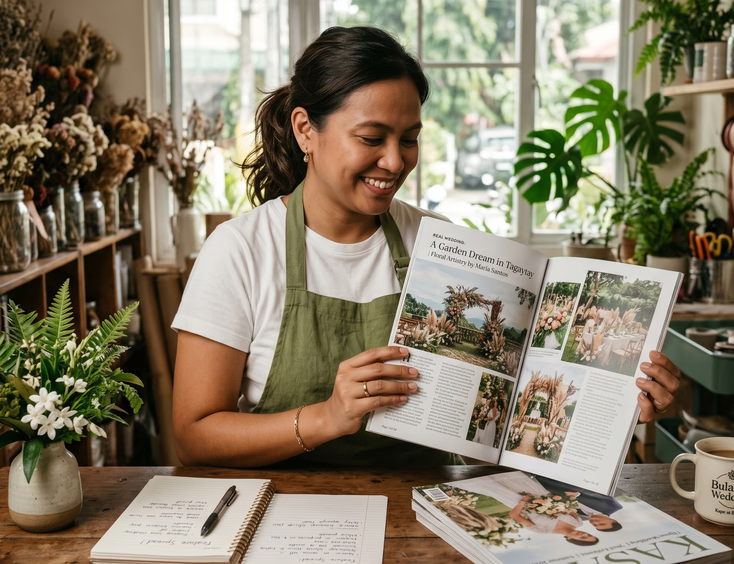
Format Six: Featured Placement in Bridal Magazines
Filipino bridal magazines remain influential despite the growth of digital channels. Print magazines sit in parents' homes, in venue bridal rooms, in coordinator offices, and in salon waiting rooms. Featured placements in bridal magazines reach decision-makers who do not actively browse digital channels.
Three placement options work.
Editorial features. Real wedding features published in magazine pages. The placement carries strong third-party validation. The pitching process aligns with how to get featured by Filipino wedding pages and influencers.
Display advertising. Paid placements in magazines. Most effective for premium suppliers with budget to commit. The investment pays back when targeted to the right magazines.
Supplier directory listings. Many bridal magazines maintain supplier directory pages. Lower-cost listings provide visibility to readers actively shopping.
Research each magazine's audience carefully. Premium publications attract premium couples. Mass-market publications attract budget couples. Match your placement to your target market.
Format Seven: Printed Brochures for Parish and Church Distribution
Filipino weddings often involve church ceremonies. Couples planning Catholic weddings spend time in parish offices for marriage preparation, scheduling, and document processing. Parish offices often allow supplier brochure displays.
Build a brochure for parish distribution.
Three brochure design considerations work.
Respect the religious setting. Avoid overly secular or commercial design. The brochure should feel appropriate in a church environment.
Focus on services relevant to church weddings. Photographers, videographers, florists, and coordinators specializing in Catholic weddings benefit most.
Include practical information. Suppliers offering church wedding coverage should highlight understanding of Catholic ceremony protocols.
Approach parish staff respectfully. Many parishes maintain preferred supplier lists for couples to consult. Inclusion on these lists provides consistent referrals from the parish wedding coordinator.
The pattern pairs with building relationships with venues, churches, and garden reception sites. Strong parish relationships unlock distribution opportunities.
Format Eight: Wedding Album Sample Books for Premium Sales
Filipino wedding photographers, videographers, and stationery designers benefit from premium sample books. The tactile experience of holding a beautifully printed wedding album drives upsell decisions.
Build sample books for in-person sales.
Photographers should display printed albums in three formats. Standard album. Premium leather album. Layflat magazine-style album. Couples can see and feel the difference between formats.
Stationery designers should display sample suites including invitations, programs, place cards, and menus. The complete suite shows scope.
Videographers should pair printed albums with sample USB drives or branded packaging holding final video deliverables.
The sample books are investment pieces. Couples seeing them in person book higher-tier packages more often than couples viewing digital previews.

Format Nine: Press Releases for Major Milestones
Filipino wedding suppliers experiencing major milestones can use press releases to reach print and digital publications. New studio openings. Anniversary milestones. Awards and recognitions. Notable wedding features.
Three press release uses work.
Studio launch or expansion. New supplier brands announcing their entry into the market benefit from press coverage.
Major awards or recognition. Suppliers winning industry awards can amplify the win through press distribution.
Major partnerships or collaborations. Venue exclusives, branded collaborations, or notable client engagements warrant press attention.
Distribute press releases to Filipino wedding publications, lifestyle magazines, and online wedding sites. The coverage builds credibility and brand visibility.
Format Ten: Postcards and Save-the-Date Mailers
Filipino wedding suppliers can use postcard mailers for specific campaigns. Promotional offers. Open house invitations. Booking deadline reminders.
The postcard format works because it cannot be ignored. Unlike emails that go unread, postcards arrive in physical mailboxes and get seen.
Three postcard campaign types work.
Open house invitations. Mailers sent to inquiry leads invite them to a specific open house event.
Promotional offer announcements. Postcards announcing limited-time pricing or package promotions.
Anniversary or holiday mailers. Postcards sent to past clients celebrating their wedding anniversaries or holidays.
Combine postcard mailers with digital follow-up for compound impact.
Where Print Marketing Fits in Your Wider Booking System
Print marketing complements your digital channels. It reaches family decision-makers who do not engage online. It provides tangible trust signals that digital channels cannot replicate. It places your brand in physical spaces where couples spend planning time.
For the full marketing and booking framework, see the complete guide to getting more wedding clients in the Philippines.
Invest in business cards that Filipino couples keep. Build polished lookbooks for venue and partner display. Create printed pricing guides for in-person conversations. Send branded welcome packages to booked clients. Use direct mail to engaged couples when budget allows. Pursue featured placement in bridal magazines. Build brochures for parish and church distribution. Display wedding album sample books for premium sales. Send press releases for major milestones. Use postcards and save-the-date mailers for specific campaigns. Filipino wedding suppliers who integrate print thoughtfully with their digital channels reach couples and families that pure digital strategies miss, and build the kind of multi-generational brand presence that produces bookings month after month.
Join the Philippines' Trusted Wedding Network
Connect With Couples Ready to Book Your Services
Showcase your wedding business to engaged Filipino couples searching for trusted suppliers. Build your portfolio presence, grow your bookings, and stand out in your category.
List Your BusinessFeatured Blog Posts


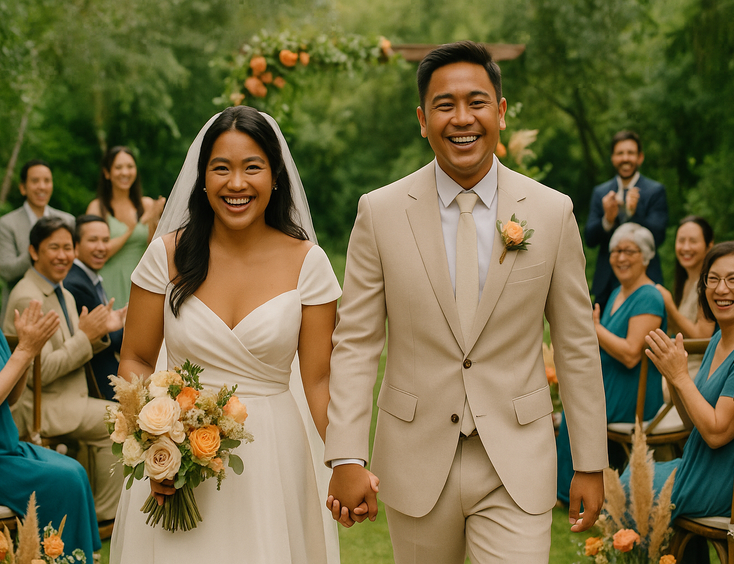
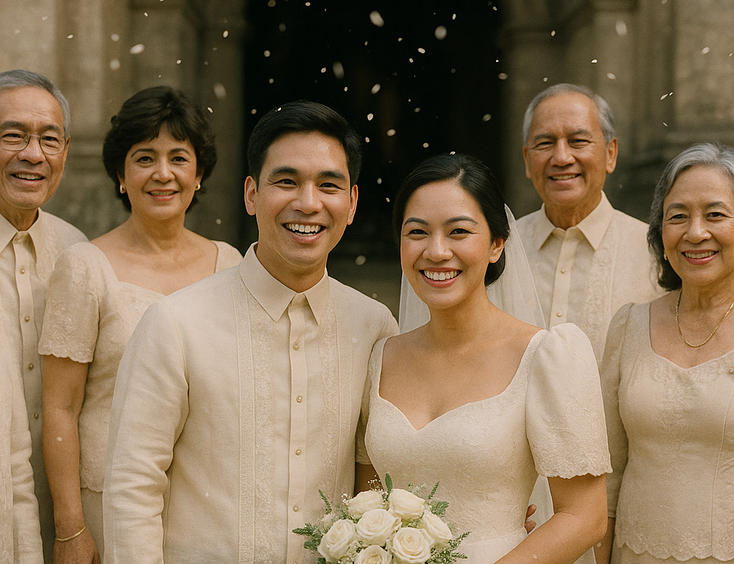

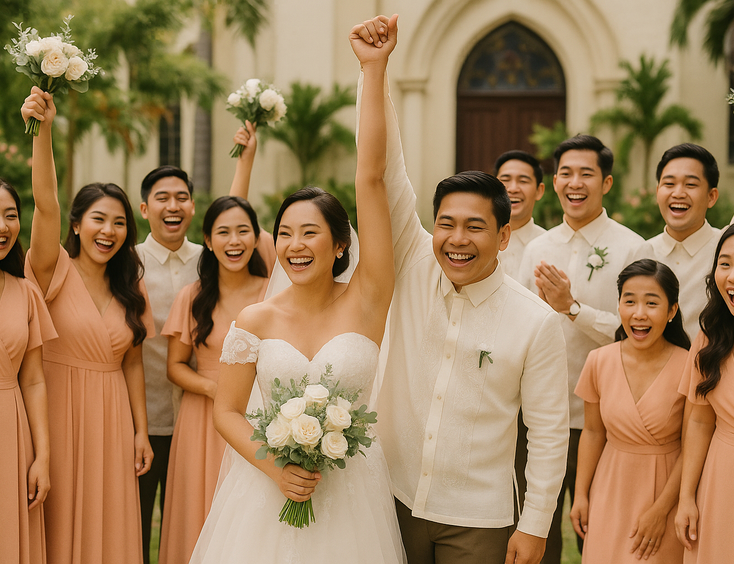


Filipino Wedding Entourage - Roles, Order of March, and Modern Etiquette
6 mins readCivil Weddings in the Philippines - Requirements, Costs, and Step-by-Step Process
9 mins readCivil Wedding Requirements in the Philippines - Complete Checklist
6 mins readCost of Wedding in the Philippines - 5 Essential Things You Need to Know
7 mins readPrincipal Sponsors (Ninong/Ninang) - How Many, How to Ask, What They Really Do
4 mins readVeil, Cord, Candle & Coins - Roles, Options, and When They Happen
4 mins readEntourage for a Traditional Pinoy Wedding - Complete Roles and Guide
6 mins readComplete List of Civil Wedding Requirements in the Philippines
8 mins readHow to Choose Wedding Ninongs and Ninangs - Ask Yourself These 3 Important Questions
5 mins read