

Is Moissanite Worth It for Filipino Couples? A Honest Guide to the Diamond Alternative
Moissanite costs 80 percent less than a natural diamond of the same size. Filipino couples who know this fact walk into jewelry stores differently than couples who don't.
This guide gives you everything you need to decide whether moissanite belongs on your finger: what it is, how it performs against a diamond in daily wear, how Filipino jewelers price it, and what the people around you will actually notice — or won't.
What Moissanite Actually Is
Moissanite is silicon carbide. A French chemist named Henri Moissan first identified it in 1893 inside a meteor crater in Arizona. Natural moissanite is extraordinarily rare — rare enough that every moissanite sold in a jewelry store today is lab-created rather than mined.
Lab creation does not make moissanite fake. It is a real gemstone with a defined chemical composition, measurable hardness, and optical properties that gemologists can test and document. Calling moissanite fake is like calling lab-grown diamonds fake — the crystal structure is identical to the natural version regardless of where it formed.
Filipino jewelers began stocking moissanite in volume around 2019 to 2020, driven by demand from couples who wanted a large, brilliant center stone without a natural diamond price tag. Moissanite has since moved from a niche alternative to a mainstream option offered by most reputable jewelry stores in Metro Manila and online shops serving the Philippine market.
Moissanite vs. Diamond: The Real Differences
Five properties matter when comparing moissanite and diamond for a wedding ring: hardness, brilliance, color, fire, and price.
Hardness
Diamond scores 10 on the Mohs hardness scale — the hardest natural material on earth. Moissanite scores 9.25, making it the second hardest gemstone available for jewelry use. Both stones resist everyday scratching from keys, bags, surfaces, and clothing. Neither requires special handling for daily wear.
Sapphires, for comparison, score 9. Moissanite outlasts sapphires in scratch resistance and trails diamond by a margin that everyday wear never exposes.
Brilliance
Brilliance measures how much white light a stone reflects. Diamond has a refractive index of 2.42. Moissanite has a refractive index of 2.65. Moissanite returns more white light than diamond under standard lighting conditions.
In practical terms: moissanite in a well-cut solitaire setting looks bright and lively under indoor lighting, sunlight, and camera flash. It does not look dull or glassy. Couples who view moissanite and diamond rings side by side frequently find moissanite the more visually striking of the two in standard lighting.
Fire
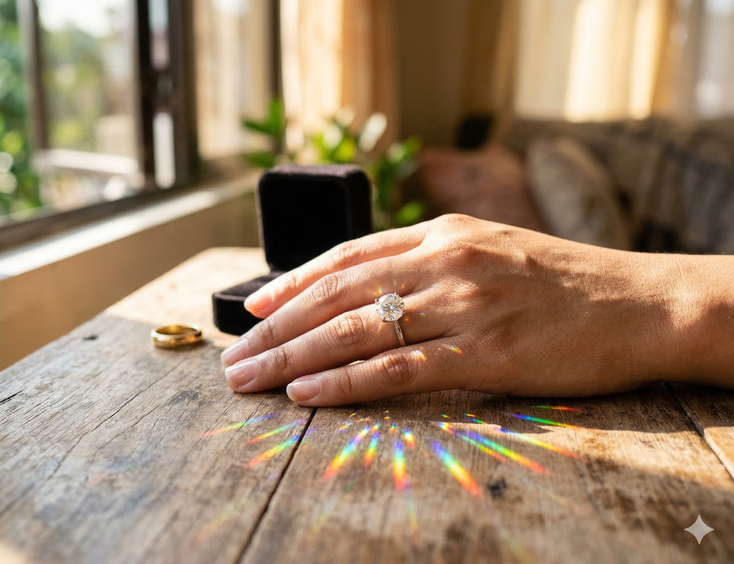
Fire measures colored light dispersion — the rainbow flashes a stone produces when light hits it at an angle. Moissanite's fire rating is 0.104. Diamond's fire rating is 0.044. Moissanite produces more than twice the colored light dispersion of diamond.
This is where moissanite divides opinions. Some couples love the rainbow fire. Others find it looks less natural than a diamond's subtler light play. Under bright Philippine sunlight, moissanite's fire is visible and pronounced. Under dim indoor or candlelight, both stones look similar.
Color
Moissanite is graded on a color scale similar to diamonds. Most Philippine jewelers sell moissanite in three grades:
- D-E-F (Colorless): The whitest, most diamond-like option. Premium pricing within the moissanite range.
- G-H-I (Near Colorless): A slight warmth visible in certain lighting, particularly in larger stones. The most popular grade among Filipino couples for value.
- J-K (Faint Color): Noticeable warmth. Less common in bridal jewelry.
In stones below one carat, color differences between grades are difficult to detect with the naked eye. In stones above 1.5 carats, colorless grades (D-E-F) produce a cleaner look that more closely resembles a natural diamond.
Price
A one-carat natural diamond in G color and SI1 clarity, purchased from a Manila jewelry store, costs between ₱150,000 and ₱300,000 depending on cut quality and certification. A one-carat colorless moissanite in the same city costs ₱8,000 to ₱20,000.
The gap is not marginal. Filipino couples who choose moissanite over a natural diamond of the same carat weight free up ₱130,000 to ₱280,000 for other wedding priorities or savings.

How Moissanite Performs in Daily Filipino Life
A wedding ring in the Philippines faces specific conditions that ring guides written for colder climates rarely address.
Heat and humidity. Moissanite is thermally stable across the temperature ranges Filipino couples encounter — air-conditioned offices, outdoor markets, beach destinations, and kitchen heat. The stone does not crack, cloud, or discolor from heat or humidity.
Sweat. Filipino skin produces more surface moisture in tropical conditions. Gold settings in contact with sweat can tarnish slightly over time, particularly in lower karat alloys. The moissanite stone itself is unaffected by sweat. Clean your ring weekly with warm water and mild dish soap to maintain its brilliance.
Physical work. Filipino women across a range of professions — nursing, teaching, cooking, running small businesses — wear their wedding rings through physically active days. Moissanite's hardness makes it resistant to the chips and abrasions that softer stones accumulate through regular contact with hard surfaces.
Swimming. Chlorinated pool water and salt water do not damage moissanite. They can affect the metal setting over time, particularly lower karat gold. Remove your ring before extended swimming as a precaution for the setting, not the stone.
Photography. Wedding photos, prenuptial shoots, and everyday Instagram content matter to Filipino couples. Moissanite photographs brilliantly. Under direct sunlight or flash, it produces intense sparkle. Some photographers note that moissanite's higher fire occasionally produces rainbow artifacts in direct flash photography, which are easily managed through lighting angle adjustments.
What Moissanite Costs in the Philippines
Moissanite pricing in the Philippines varies by stone size, grade, setting metal, and seller. Here are realistic price ranges at current market rates.
Stone Only (Loose Moissanite)
| Carat Size | Colorless (D-F) | Near Colorless (G-I) |
|---|---|---|
| 0.5 carat | ₱3,500 to ₱6,000 | ₱2,500 to ₱4,500 |
| 1.0 carat | ₱8,000 to ₱15,000 | ₱6,000 to ₱10,000 |
| 1.5 carat | ₱14,000 to ₱25,000 | ₱10,000 to ₱18,000 |
| 2.0 carat | ₱20,000 to ₱35,000 | ₱15,000 to ₱25,000 |
Complete Ring (Stone + 18K Gold Setting)
| Carat Size | Colorless (D-F) + 18K Gold | Near Colorless (G-I) + 18K Gold |
|---|---|---|
| 0.5 carat | ₱14,000 to ₱22,000 | ₱10,000 to ₱18,000 |
| 1.0 carat | ₱20,000 to ₱35,000 | ₱15,000 to ₱28,000 |
| 1.5 carat | ₱28,000 to ₱48,000 | ₱22,000 to ₱38,000 |
| 2.0 carat | ₱38,000 to ₱65,000 | ₱28,000 to ₱50,000 |
Setting prices above reflect standard solitaire four-prong or six-prong settings in 18K yellow or white gold. Halo settings, pavé bands, and custom designs add ₱5,000 to ₱20,000 depending on complexity and the jeweler's labor rate.
Platinum settings with moissanite run ₱15,000 to ₱30,000 above gold setting prices at the same carat weight, reflecting platinum's higher material cost.
Filipino couples comparing these figures against the full wedding ring cost breakdown for the Philippines will find moissanite consistently delivers the largest center stone for the smallest budget share.
Where to Buy Moissanite Rings in the Philippines
Physical Stores
Manila. Several independent jewelers in BGC, Makati, and Quezon City now stock moissanite as a primary product line alongside natural diamonds. Brands like Adorn Manila and similar independent ateliers offer moissanite consultations with stone viewing under different lighting conditions before you commit.
Meycauayan, Bulacan. Custom moissanite rings from Meycauayan goldsmiths represent the most cost-efficient option in the country. Bring your stone grade preference and setting design, and a skilled goldsmith produces the ring at wholesale labor rates. Many Filipino couples source their moissanite stone from a trusted online supplier, then bring it to a Meycauayan jeweler for setting. This two-step approach saves ₱5,000 to ₱15,000 compared to a complete ring purchase from a Manila retailer.
For a full guide to navigating Meycauayan as a buyer, read our Meycauayan wedding ring buyer's guide.
Cebu and Davao. Moissanite availability outside Metro Manila has grown steadily in recent years. SM-based jewelry stores in Cebu and Davao carry moissanite options, and several local independent jewelers in both cities now offer custom moissanite rings on order.
Online Shops
Shopee and Lazada carry hundreds of moissanite ring listings. Quality and reliability vary. Before purchasing online, verify:
- The seller states the moissanite grade (colorless, near colorless) in the product listing
- The listing specifies the metal karat (18K, 14K, or silver)
- The seller has a minimum 4.8-star rating with reviews that mention the stone's appearance in person, not only in product photos
- A return or exchange policy exists in writing
Several Philippine-based Instagram and Facebook jewelry shops specialize in moissanite and offer video consultations, stone viewing via live chat, and shipping with insurance. These hybrid sellers often provide better service than anonymous marketplace listings.
For a curated list of reliable sellers, read our guide to top online jewelry shops for wedding rings in the Philippines.
Browse verified jewelry suppliers across the Philippines, including moissanite specialists, on our Jewelry & Accessories supplier directory.
What Filipino Families and Guests Will Think
This question appears in every Filipino wedding community thread about moissanite. Filipino culture places weight on the visible markers of a wedding, and the ring is one of them. Your family will have opinions.
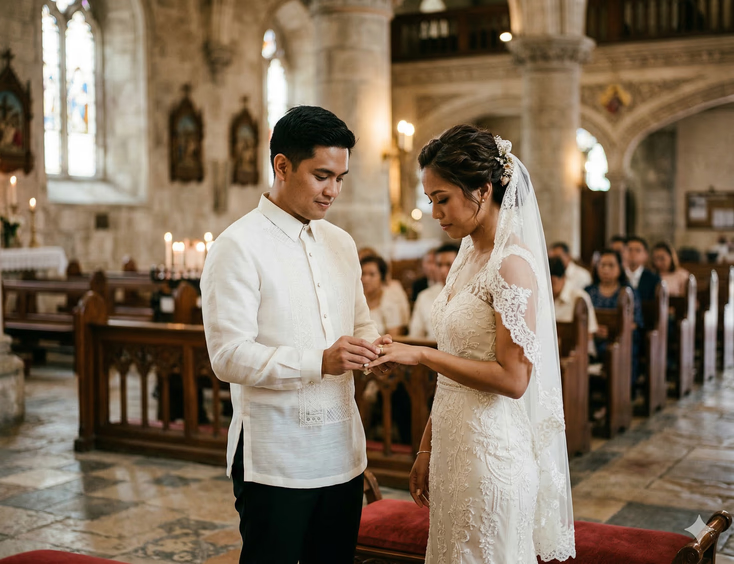
What guests at the ceremony see: A ring on your finger during the exchange. At normal viewing distance from a church pew, no guest distinguishes moissanite from a natural diamond. Both stones catch light. Both sit in gold settings. Neither announces its composition to the room.
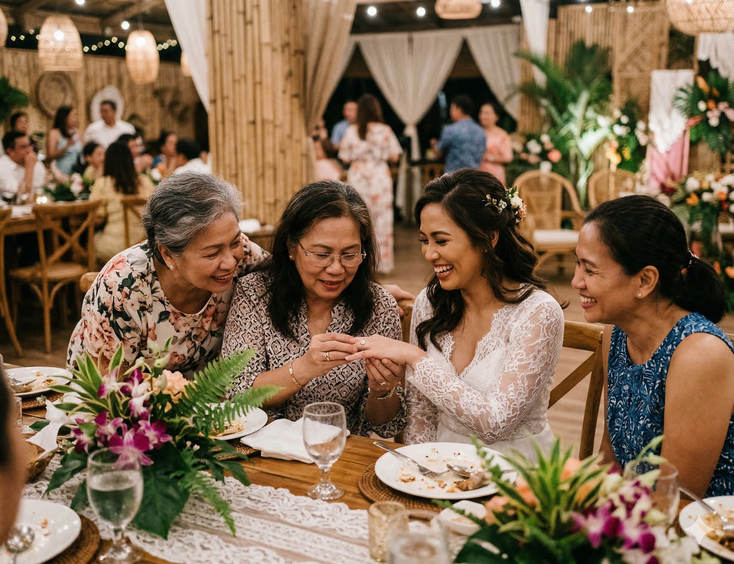
What family members see up close: At a reception table, when the ring is examined by your titas and ninongs, moissanite's higher fire produces more rainbow flash than a natural diamond. Relatives familiar with fine jewelry may notice this difference. Most Filipino wedding guests are not gemologists. Most will not notice.
What you tell people: Disclosure is your choice, not an obligation. Some couples are transparent about their choice from the start — they chose moissanite because they prioritized their honeymoon, their home, or their savings over a stone type. Other couples treat their ring as a private matter and discuss it only when directly asked. Both positions are reasonable. Filipino couples who frame moissanite as a considered choice rather than a compromise rarely face sustained family pushback.
What older generations think: Filipino grandmothers and mothers who grew up equating gold and diamond rings with marital success may express disappointment. This is a cultural conversation, not a gemological one. Addressing it directly — explaining the stone's properties, showing them the ring, and letting them hold it — works better than avoiding the topic. Most older relatives come around when they see the ring in person.
Who Should Choose Moissanite
Couples who want a large center stone on a mid-range budget. A two-carat moissanite in a 18K gold solitaire costs ₱38,000 to ₱65,000. A two-carat natural diamond in the same setting costs ₱800,000 to ₱2,000,000. If visual impact matters more than stone type, moissanite delivers.
Couples prioritizing other wedding expenses. A ₱150,000 natural diamond ring diverts budget from your venue, photographer, or honeymoon. If your wedding vision requires allocation across multiple priorities, moissanite frees that allocation without reducing ring size.
Couples open to upgrading later. Some Filipino couples treat the wedding ring as their starting ring with an intention to upgrade on a fifth or tenth anniversary. Moissanite serves this plan well — it performs durably for years, looks excellent in the interim, and the upgrade budget accumulates without the pressure of an early large purchase.
Couples who work with their hands. A large natural diamond in a high solitaire setting costs more to insure, replace if lost, and stress over during physical work. Moissanite's hardness matches the durability need while reducing the financial anxiety around potential loss or damage.
Couples who've compared both stones in person. Filipino couples who visit a jeweler, view moissanite and natural diamond side by side under store lighting, and prefer the moissanite's appearance have made their choice on direct evidence. This happens more often than the diamond industry would prefer to acknowledge.
Who Should Skip Moissanite
Couples where one partner feels strongly about a natural diamond. Ring preferences are personal. If your partner has wanted a natural diamond ring since childhood, moissanite is not a compromise that satisfies — it's a substitution that registers as one. Budget for the natural diamond, find a smaller carat weight at a better quality grade, or save longer. A ring your partner loves beats a ring that carries a ₱120,000 saving.
Couples buying purely as an investment. Natural diamonds, particularly certified stones in high color and clarity grades, hold resale value better than moissanite. Moissanite has no established secondary market in the Philippines at meaningful resale prices. If you treat your ring as a financial asset, moissanite does not perform that function.
Couples whose families will cause ongoing tension. Some Filipino families treat the ring type as a sustained point of conflict rather than a one-time conversation. If your assessment of your family's response suggests years of comparison and commentary, that social cost is real and worth factoring in. A ring you feel comfortable wearing at family gatherings beats a ring that triggers a recurring argument.
Couples who've seen moissanite in person and dislike the fire. Moissanite's rainbow dispersion is its most distinctive quality and its most polarizing one. If you view it under direct light and the colored flashes look artificial to you, that preference is valid. No guide overrides what you see with your own eyes.
Questions to Ask Your Jeweler Before You Buy
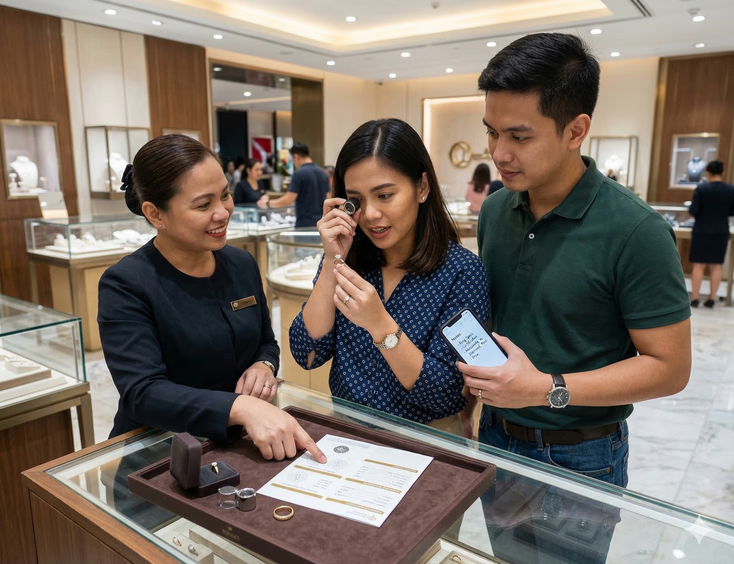
Walk into any moissanite purchase with these questions ready.
"What grade is this moissanite and do you have documentation?" Colorless (D-E-F) and near-colorless (G-H-I) are the two grades worth buying for wedding rings. A jeweler who cannot state the grade or produce a grading certificate is selling you an unverified stone.
"What is the metal karat and can I see the hallmark?" 18K gold markings (750) should appear stamped inside the band. Ask the jeweler to show you the hallmark before purchase.
"Is this moissanite from a recognized brand or a generic stone?" Charles & Colvard is the original moissanite manufacturer and their Forever One stones carry recognized quality standards. Chinese-manufactured moissanite (sold under various brand names) varies more in quality. Ask your jeweler to identify the stone's source.
"What is your return and exchange policy?" Get the policy in writing. Reputable Philippine jewelers offer a seven to thirty-day return window for unworn rings with original packaging.
"Can I see this stone under natural light and under indoor light?" Moissanite looks different under various lighting conditions. View it under the store's display lighting, then near a window in natural daylight. Confirm you like both versions before you commit.
The Bottom Line
Moissanite is a durable, brilliant gemstone that costs a fraction of a natural diamond. Filipino couples who choose it are not settling — they are making an informed decision about where their money goes.
Whether moissanite belongs on your finger depends on four things: your budget, your partner's preference, your family's likely response, and what you see when you hold both stones under natural light. No guide answers those four questions for you.
Visit a jeweler who stocks both moissanite and natural diamonds. Hold both rings. Look at them in daylight. Then decide.
For couples who want to compare moissanite against the other main diamond alternative, read our guide on lab-grown diamonds versus natural diamonds for Filipino weddings.
For a full picture of where moissanite fits within your overall ring budget, read our realistic wedding ring cost guide for the Philippines.
Browse verified jewelry suppliers who carry moissanite rings across the Philippines on our Jewelry & Accessories supplier directory.
For a broader overview of the entire ring-buying process, return to our complete guide to wedding rings in the Philippines.
Still Searching for a Right Match?
Find Your Perfect Wedding Supplier Today!
Discover trusted wedding suppliers across the Philippines in our complete directory. Compare services and connect with the ones that fit your dream celebration.
Browse Wedding SuppliersFeatured Posts

Wedding Reception Ideas that Honor Tradition and Wow Your Guests
4 mins readFilipino Wedding Dress Guide for Style Traditions and Smart Shopping
6 mins readFilipino Wedding Cost Guide - Realistic Budgets, Percentages, and Price Drivers by Region
9 mins readPhilippines Honeymoon Guide - Best Islands, Resorts, Costs & 7–14 Day Itineraries
9 mins readFilipino Wedding Games - Traditions, Modern Twists, and Crowd-Pleasers for Every Reception
8 mins read