


Is It the Couple's Responsibility or the Caterer's? Who Really Handles Crew Meals in the Philippines

Two months before the wedding, a Filipino couple sits down with their caterer for the final menu walkthrough. They ask, "What about the crew meals?" The caterer says, "Oh, that's not included. That's your responsibility." The couple assumed it was. The caterer assumed it wasn't. Neither party put it in writing.
This conversation happens at thousands of Filipino weddings every year. The confusion comes from a real ambiguity in the local wedding industry. No standard practice dictates who handles crew meals. Some caterers include them by default. Others exclude them entirely. Some suppliers assume the couple handles it. Others build it into their contracts.
The answer depends on the specific vendors you book, the specific contracts you sign, and the specific arrangements you make. Defaulting to assumptions causes wedding day failures.
What Filipino Caterers Actually Do
Filipino wedding caterers split into three categories on crew meal handling.
Inclusive caterers. These vendors automatically add a set number of crew meals to the contract, usually capped at 10 to 15 percent of the guest count. A 200-pax wedding gets 20 to 30 crew meals built in. Additional crew members beyond the cap require extra payment. Inclusive caterers usually price these meals as a discounted line item rather than free additions.
Optional add-on caterers. These vendors offer crew meals as a separate menu tier the couple can choose to add. The line item appears in proposals as "Supplier Meals" or "Crew Meals" with its own per-head rate. The couple decides whether to include it. Some caterers push hard for the upsell. Others mention it once and leave it to the couple.
Excluded caterers. These vendors don't offer crew meals at all. Their contracts explicitly state that the catering covers only the guest count specified. Crew meals fall entirely on the couple to source separately. Smaller specialty caterers and high-volume event caterers tend to operate this way.
Confirm which category your caterer belongs to at the proposal stage. The category determines whether you need a separate crew meal plan or whether your main contract handles it.

What Filipino Suppliers Expect
Suppliers approach crew meals from their own contractual perspective. Their expectations split into three patterns.
Contract-specified expectations. Most established Filipino photographers, videographers, and coordinators include crew meal clauses in their contracts. The clause specifies the number of crew members and the meal requirements. "Hot meals for 3 crew members for events over 6 hours" appears regularly. The clause binds you to provide meals, regardless of who actually prepares them.
Industry-standard assumptions. Some suppliers don't write crew meal clauses but expect meals based on industry norms. They assume couples know to feed crews. When meals aren't provided, they note it as a service issue without raising it on the day itself. The complaints surface in post-wedding reviews and word-of-mouth networks.
Self-sourcing arrangements. A small number of Filipino suppliers handle their own crew meals as part of their package pricing. They include the cost in their service fee and bring their own food. This is rare in the Philippines but more common in destination wedding scenarios where vendors handle remote logistics.
Check each supplier's contract for crew meal clauses during the booking process. The breakdown of how Filipino suppliers typically structure these clauses lives in our guide on how Filipino wedding suppliers typically write crew meal clauses in their contracts.
The Couple's Responsibilities
The couple carries the ultimate responsibility for ensuring crews get fed. This holds true regardless of which caterer or supplier handles the logistics.
Three specific tasks fall on the couple.
Head count consolidation. Each supplier provides their own crew count. The couple aggregates these into one master list. The master list goes to whoever handles food preparation, whether that's the main caterer or a specialist vendor. Missing this step results in undercounted meals.
Timing coordination. The couple or their coordinator confirms when each crew needs to eat. The photographer team eats at 11 AM during prep. The coordinator team eats in shifts starting at 5 PM. The band eats before their reception set. Aligning these timing windows with vendor delivery requires direct couple involvement.
Payment and contract management. Crew meal billing flows through the couple, even when handled through the main caterer. The couple reviews invoices, approves charges, and signs off on any last-minute additions.
A wedding coordinator handles most of these tasks on behalf of the couple, but the responsibility legally rests with the couple per the contract.
The Caterer's Responsibilities
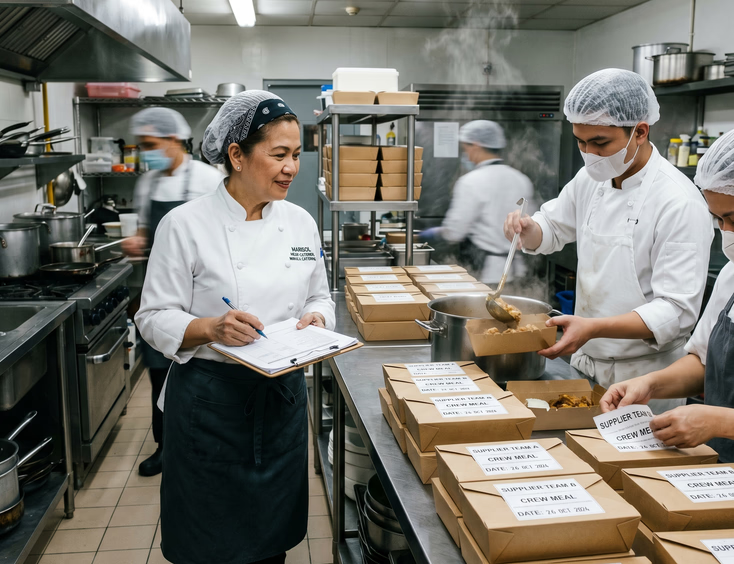
When a caterer's contract includes crew meals, their responsibilities expand to cover food prep, packaging, delivery, and on-site service.
Food preparation. The caterer's kitchen prepares the crew menu to the agreed quality standards. Some caterers prep crew meals using leftover ingredients from guest menu prep. Others use dedicated crew menu recipes. The contract should specify which approach applies.
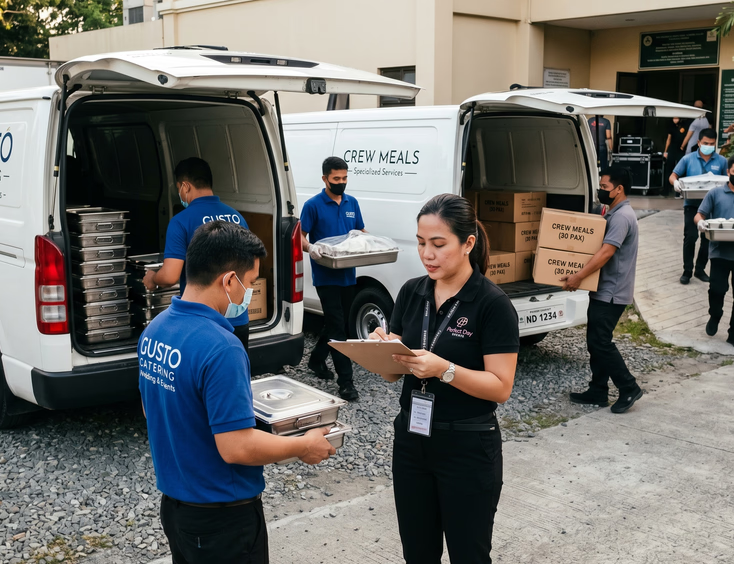
Packaging and delivery. The caterer packages crew meals according to the contracted specifications and delivers to the venue at the agreed times. Hot food temperature maintenance, packaging integrity, and delivery scheduling all fall on the caterer.
Setup and service. Most catering contracts include setup of the crew meal area, whether that's a buffet station or a stack of boxed meals on a service table. Some include on-site staff to refresh drinks and clear used containers.
Last-minute adjustments. When suppliers bring additional crew members, the caterer handles adding meals to the prep queue or providing alternative arrangements. The contract should specify how last-minute additions get priced and prepared.
If your caterer's contract excludes crew meals, none of these responsibilities apply to them. You source the food elsewhere and coordinate everything separately.
The Coordinator's Role
Wedding coordinators occupy a middle position in crew meal logistics. They don't prepare food. They don't pay for food. But they often manage the day-of execution that determines whether the crew meal plan succeeds or fails.
A coordinator's typical crew meal responsibilities include:
- Confirming final head counts with all suppliers two weeks out
- Communicating delivery logistics with the food vendor
- Designating and setting up the crew meal area at the venue
- Managing meal service timing during the reception
- Handling last-minute issues like missing meals or supplier complaints
If your wedding doesn't include a coordinator, these tasks fall back on you or on whoever you designate. A trusted family member or an event-day manager from the venue can absorb the workload if you don't hire a coordinator.
Where Responsibility Falls Apart
Failed crew meal arrangements usually stem from one of four breakdowns.
Unwritten assumptions. The couple assumes the caterer handles it. The caterer assumes the couple does. The contract doesn't address it. Wedding day arrives with no plan. This is the most common breakdown in Filipino weddings.
Mismatched contract language. The caterer's contract says "service crew meals included." The couple reads this as covering all wedding suppliers. The caterer means only their own catering staff. The mismatch surfaces during the wedding when the photography team has no food.
Head count inflation. The couple budgets for 30 crew meals based on initial supplier counts. Suppliers bring 42 people on the day. The caterer charges premium rates for the 12 additional meals or refuses to provide them entirely.
Missing dietary accommodations. The couple confirms head counts but doesn't ask about dietary requirements. Vegetarian, halal, and allergen-affected crew members arrive to find no meals they can eat.
Building responsibility clarity into the contract from the start prevents these failures. Our checklist of what to include in your contract about crew meals covers the exact language to use.
The Question of Bundling vs Separate Sourcing
The bundling decision affects responsibility allocation. Bundled crew meals shift more responsibility onto the caterer. Separate sourcing keeps responsibility with the couple.
A bundled contract means the caterer handles prep, delivery, and service. A separate sourcing arrangement means the couple or coordinator manages two vendors instead of one.
The trade-offs between these approaches in cost and coordination effort live in our breakdown of whether crew meals belong in your catering contract or handled separately.
Establishing Clear Responsibility From the Start
Three steps lock in responsibility clarity before any wedding day issues arise.
Step one: Add crew meals to every relevant contract. Both the main catering contract and each supplier contract should specify crew meal arrangements. Even contracts that exclude crew meals should state the exclusion explicitly.
Step two: Document head counts and dietary needs. Maintain a master supplier list with confirmed crew counts and dietary requirements. Share this list with whoever handles food preparation.
Step three: Designate one point of accountability. Whether that's your wedding coordinator, your caterer's event manager, or a designated family member, one person owns crew meal execution on the day itself.
These three steps prevent the assumptions and mismatches that cause crew meal failures at Filipino weddings.
Negotiating Responsibility Into Contracts
You can negotiate crew meal responsibility allocation with both caterers and suppliers. Caterers will sometimes absorb logistics they originally excluded if the overall contract value justifies it. Suppliers will sometimes bring their own meals if the booking fee covers it.
Our guide on how to negotiate crew meal inclusions with your wedding caterer walks through the specific approaches that work in Filipino vendor relationships.
Finding Vendors Who Handle Crew Meals Professionally
The cleanest path through this complexity is choosing vendors who handle crew meals clearly from the start. Filipino crew meal specialists, in particular, build their business around clear logistics and transparent pricing.
Browse verified vendors across Manila, Cebu, Tagaytay, Davao, and major wedding destinations through our wedding crew meals supplier directory.
For the complete planning guide on crew meals, read our pillar piece on wedding crew meals in the Philippines and everything couples need to know.
Still Searching for a Right Match?
Find Your Perfect Wedding Supplier Today!
Discover trusted wedding suppliers across the Philippines in our complete directory. Compare services and connect with the ones that fit your dream celebration.
Browse Wedding SuppliersFeatured Blog Posts








Filipino Wedding Entourage - Roles, Order of March, and Modern Etiquette
6 mins readCivil Weddings in the Philippines - Requirements, Costs, and Step-by-Step Process
9 mins readCivil Wedding Requirements in the Philippines - Complete Checklist
6 mins readCost of Wedding in the Philippines - 5 Essential Things You Need to Know
7 mins readPrincipal Sponsors (Ninong/Ninang) - How Many, How to Ask, What They Really Do
4 mins readVeil, Cord, Candle & Coins - Roles, Options, and When They Happen
4 mins readEntourage for a Traditional Pinoy Wedding - Complete Roles and Guide
6 mins readComplete List of Civil Wedding Requirements in the Philippines
8 mins readHow to Choose Wedding Ninongs and Ninangs - Ask Yourself These 3 Important Questions
5 mins read