


Hosting Open Houses and Styled Shoots That Bring in New Bookings
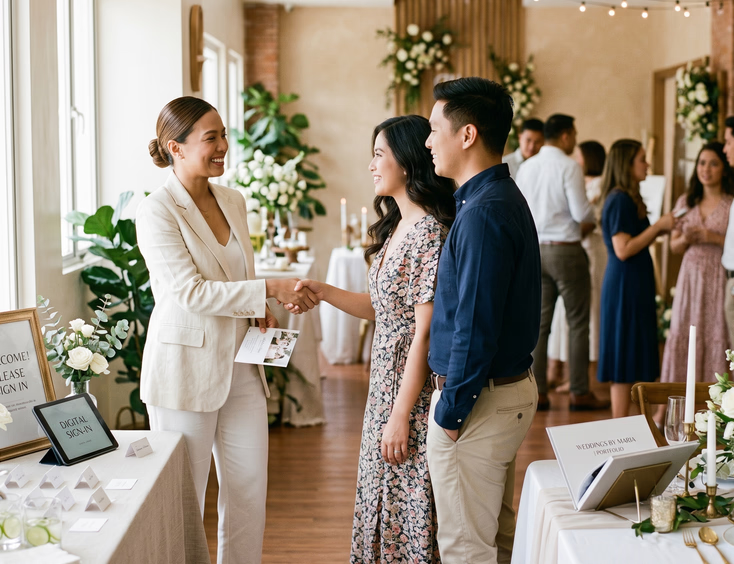
Filipino wedding suppliers who host open houses and styled shoots book more weddings than those who only post on social media. The reason is straightforward. Both events create moments where couples and suppliers gather in the same space, see the work in person, build trust faster than scrolling can produce, and form the relationships that lead to bookings.
Yet most Filipino wedding suppliers either avoid hosting events entirely or run them poorly. They spend money on flowers, food, and venue rentals, then walk away with zero new inquiries. The cause is rarely the event itself. The cause is the absence of a system. Open houses and styled shoots produce bookings when they are planned, executed, and followed up with intent. This guide walks Filipino wedding suppliers through the framework that turns these events into consistent booking generators.
Why Open Houses and Styled Shoots Matter for Filipino Wedding Suppliers
Filipino couples planning weddings spend most of their research time on screens. Instagram. TikTok. Pinterest. Google. They scroll dozens of suppliers. The information is helpful but the trust is shallow. Couples need to see suppliers in person to make confident decisions about who handles their wedding day.
Open houses and styled shoots solve the trust gap in three ways.
They put couples in your physical environment. The couple walks into your studio, your office, your event space, or your styled venue. They see your work in person, smell the flowers, taste the food, and feel the brand. The experience builds trust no Instagram Reel can replicate.
They surface suppliers across the wedding ecosystem. Open houses and styled shoots typically involve multiple suppliers in one space. Couples see how the team works together. Suppliers connect with each other. The cross-pollination produces partnerships and bookings.
They generate content. A single well-planned event produces months of social media content, blog posts, and portfolio pieces. The work compounds for both the host and the participating suppliers.
The events sit inside the wider booking system you built through the complete guide to getting more wedding clients in the Philippines. They work alongside social media, SEO, referrals, and directories to fill the booking calendar.
Step One: Understand the Difference Between Open Houses and Styled Shoots
Filipino wedding suppliers sometimes confuse these two event formats. Each serves a different purpose. Understanding the difference shapes how you plan.
Open houses. Events where couples are invited into your studio, office, or workspace. The focus is on letting couples meet you, see your work, ask questions, and book on the spot or shortly after. Typical guests are five to twenty engaged couples or family decision-makers. Often hosted solo or with one or two complementary suppliers.
Styled shoots. Events where multiple wedding suppliers collaborate to create a staged wedding scene that they then photograph or document. The focus is on producing portfolio content, generating content collaboration, and amplifying each supplier's marketing reach. Typically involves five to fifteen suppliers, models, and a venue. Guests are rarely the public, though some shoots include couples as guests of honor.
Both events produce bookings. They produce them differently.
Open houses produce direct bookings within weeks of the event. Couples who attend often book the host supplier or one of the collaborating suppliers shortly after.
Styled shoots produce indirect bookings over months. The content generated from the shoot fuels social media, portfolio, and SEO content that attracts couples for the next six to twelve months.
Some Filipino wedding suppliers combine the two by inviting couples to attend a styled shoot. The hybrid format works when planned carefully but adds complexity. Beginners should start with one format and master it before combining.
Step Two: Decide What You Want the Event to Achieve
Filipino wedding suppliers waste events when they host without a clear goal. The work happens, the photos get taken, the food gets eaten, but nothing changes in the business afterward.
Set a specific goal before planning.
For open houses, common goals include the following.
Five to ten bookings within 60 days of the event.
Twenty to thirty inquiries within 30 days of the event.
Three to five strong supplier partnerships established or deepened.
Ten new email or contact captures.
For styled shoots, common goals include the following.
A portfolio addition of 30 to 50 polished images.
A complete real wedding-style feature on your website and blog.
Content for 20 to 30 social media posts across the next quarter.
Cross-promotion exposure to the audiences of every participating supplier.
The goal shapes every other decision. Venue. Date. Guest list. Marketing. Follow-up. Skipping the goal-setting step produces events that feel productive but generate no actual business impact.
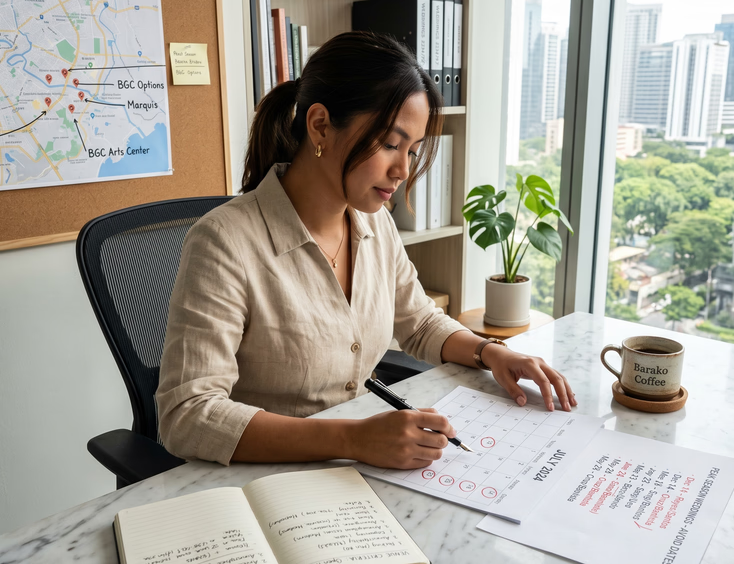
Step Three: Pick the Right Date and Location
Filipino wedding suppliers often pick event dates based on personal convenience. The choice limits attendance.
Choose a date that maximizes couple attendance.
For open houses, Saturday afternoons and weekend mornings work well. Couples typically engage with wedding planning on weekends. Avoid weekday evenings if your target couples have demanding work schedules in Manila.
Avoid wedding peak weekends. The October to May peak season means many of your past and prospective couples are attending weddings on weekends. Off-peak Saturdays or weekday holidays work better.
Avoid major Filipino holidays unless the event is themed around them. Christmas, Holy Week, and All Saints' Day reduce attendance.
Plan three to four weeks of marketing lead time. Filipino couples need time to see the event invitation, plan their attendance, and confirm. One week of promotion produces low turnout. Three to four weeks gives the marketing time to compound.
For location, prioritize the following.
Easy access. Filipino traffic shapes attendance more than suppliers realize. A studio in BGC, Makati, Ortigas, or Quezon City reaches Manila couples easily. A studio in the outskirts requires extra travel that reduces turnout.
Parking. Filipino couples often drive to events. Adequate parking matters.
Comfort. Air conditioning, clean restrooms, comfortable seating. The basics affect the experience more than suppliers expect.
Atmosphere that matches your brand. A premium photographer should host in a premium-feeling space. A garden florist should host in a garden or floral-rich environment. The space carries the brand message.
Some suppliers host at partner venues to gain access to spaces they could not afford on their own. A florist might host an open house at a venue where she frequently works, in exchange for joint promotion. The arrangement reinforces venue relationships covered in building relationships with venues, churches, and garden reception sites.
Step Four: Build the Right Guest List
Filipino wedding suppliers waste events when the guest list does not match the goal. An open house with no engaged couples produces no bookings. A styled shoot with no engaged audience produces no future inquiries.
Build the guest list with intention.
For open houses, target three audience types.
Active leads. Couples who have inquired within the past three to six months but have not yet booked. They are warm. The event might be what tips them into a yes.
Past clients and their networks. Past brides who can bring engaged friends. Past grooms who can introduce engaged siblings or cousins.
Partner-referred couples. Coordinators, planners, florists, and venues can each invite their inquiring couples. The partnerships covered in how to build supplier partnerships that send you wedding referrals monthly provide the guest list backbone.
For styled shoots, the guest list is the supplier team. Five to fifteen complementary suppliers who can each contribute, document, and amplify. Plus models if needed (couples or actors), and any photo or video team handling the documentation.
Curate carefully. A guest list of 30 attendees that includes 20 engaged couples produces more bookings than a list of 80 attendees that includes mostly friends and family fillers.
Send formal invitations. Use a clean digital invitation through Canva, an event platform, or a private Facebook event. The invitation should communicate the date, venue, dress code, what to expect, RSVP details, and any branding that signals your professionalism.
Confirm RSVPs three days before. Filipino guests often forget events. A short reminder message the week of and the day before significantly boosts attendance.
Step Five: Design the Open House Experience Carefully
Filipino wedding suppliers hosting open houses often deliver flat experiences. They open the doors, set out snacks, and hope couples engage. The hope strategy underperforms.
Design the experience with structure.
A typical open house experience flows through five phases.
Phase one: warm welcome (15 to 30 minutes). Couples arrive. Soft music plays. A welcome table with drinks, name cards, and a sign-in sheet. The supplier greets every couple personally. Small gestures matter.
Phase two: introduction or showcase (15 to 30 minutes). A short, structured presentation. The supplier shares the story of the business, the unique selling point, and the kind of work shown. Slides, printed portfolio books, or a live walkthrough work. Keep it under 20 minutes. Engagement drops past that.
Phase three: hands-on or experiential moment (20 to 40 minutes). The couple does something. Tries a bouquet arrangement. Tastes a dessert. Reviews a sample album. Walks through a sample contract. The hands-on element creates memorable impressions.
Phase four: open mingling and supplier interaction (30 to 45 minutes). Couples wander the space, ask questions, and engage with you and any participating partner suppliers. This is where bookings often emerge in real time.
Phase five: clear next step (10 to 15 minutes). Before the event ends, gather couples briefly. Tell them how to book a discovery call, claim a special open-house offer, or follow up. Without a clear next step, couples leave without action.
The structure produces consistent engagement. Skipping any phase weakens the event.
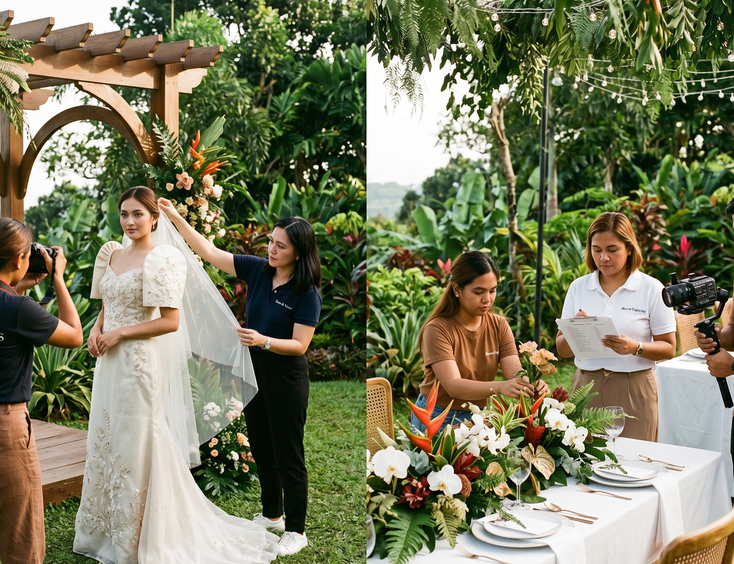
Step Six: Design the Styled Shoot Strategically
Filipino wedding suppliers running styled shoots often skip planning. They gather suppliers, set up flowers, and shoot whatever happens. The result is content that looks decent but feels generic.
Design with strategy.
Decide on the wedding style first. A Tagaytay garden wedding. A modern Filipiniana hotel wedding. A Cebu beach wedding. The style shapes every other decision.
Match suppliers to the style. A modern Filipiniana shoot needs suppliers who specialize in modern Filipiniana. Mismatched suppliers (a boho florist in a modern Filipiniana shoot) create visual conflict.
Define the visual story. What scenes will be shot? Bridal prep. Ceremony. Reception. Detail shots. Couple portraits. Plan each scene in detail. Each scene needs styling, lighting, and execution direction.
Assign clear roles. Who is the lead photographer? Who is the videographer? Who handles styling? Who manages the timeline? Confusion on a shoot wastes time and produces weaker content.
Plan the post-shoot deliverables. What will each supplier receive? When will the content be ready? Most styled shoots produce a curated gallery within four to six weeks. Clarify expectations upfront to avoid disappointment.
Document the day with multiple angles. Photo, video, behind-the-scenes content. The variety fuels content across formats and platforms.
The shoot framework pairs with Reels vs Carousels vs Stories: what actually books wedding clients. Styled shoots fuel different format content for months after.
Step Seven: Promote the Event Properly
Filipino wedding suppliers underpromote their events. Three weeks before the date, they post one Instagram graphic and assume the marketing is done. The result is poor attendance.
Build a multi-week promotion plan.
Three to four weeks before. Launch invitation. Send to your existing audience (past clients, current inquiries, partner-referred couples). Post on Instagram, Facebook, and TikTok. Email past clients and warm leads.
Two to three weeks before. Share details. Behind-the-scenes content about preparing for the event. Sneak peeks of the space or planned activities. Build anticipation.
One week before. Final reminder push. Daily Instagram stories. Personal messages to confirmed guests. Posts featuring the partnering suppliers.
Day of. Live coverage. Instagram stories, TikTok content, and Reels documenting the setup, arrivals, and key moments.
After the event. Recap content. Photos, videos, and testimonials from the day. The recap content drives the next event's marketing.
Use partner suppliers to amplify reach. Each partner shares the event invitation with their audience. The cross-promotion multiplies exposure.
Use paid promotion if budget allows. A small Facebook or Instagram ad budget targeted to engaged couples in your service area can fill seats fast for open houses.
The promotion framework matches the rhythm in content ideas wedding suppliers can post every week without running out. Event promotion fits naturally into the broader content schedule.
Step Eight: Capture Contact Information During the Event
Filipino wedding suppliers lose leads from their events by failing to capture contact information. The couple attends, has a great experience, leaves without sharing details, and the supplier never sees them again.
Build a contact capture system.
For open houses, use a sign-in sheet or digital form. Capture name, email, phone, wedding date, venue (if booked), services they are interested in.
Offer a small incentive for sharing details. A free print. A complimentary planning consultation. A discount on a future booking. The incentive boosts capture rates significantly.
Make the form easy. Print copies. A tablet or phone with a digital form. Avoid making couples sign up online from their own devices in the moment.
For styled shoots that include couples, the same capture system applies. Even friends and family of participating suppliers should sign in. Filipino weddings cluster in social networks. Every attendee is a potential referrer.
After the event, follow up within 48 hours. Every captured contact should receive a personalized message thanking them for attending and pointing them toward the next step.
The capture and follow-up system pairs with how to respond to wedding inquiries so couples actually book you and following up with wedding inquiries without sounding desperate. Treat every event attendee as a warm inquiry.
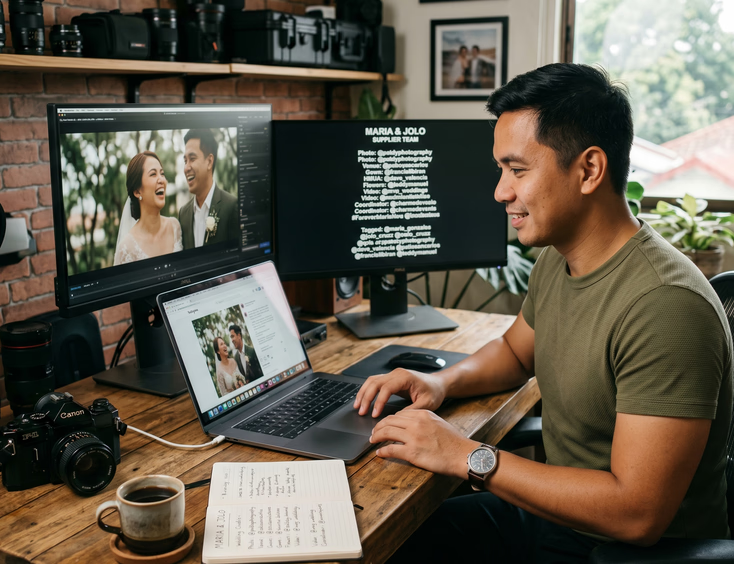
Step Nine: Follow Up Within 48 Hours
Filipino wedding suppliers lose 80% of their event-generated leads by failing to follow up promptly. The couple leaves excited. Within a week, the excitement fades. Within two weeks, the couple has forgotten the event entirely.
Follow up within 48 hours.
Send a personalized message to each attendee. Include the following.
Thank them by name for attending.
Reference a specific moment from the event. "I loved hearing about your Tagaytay venue plans" or "Hope the bouquet trial was helpful."
Offer a clear next step. A discovery call. A pricing guide. A consultation.
Include any special open-house offer that was announced.
Send the message within 24 hours of the event when possible. The freshness of the experience makes the message land warmly.
For styled shoots, follow up with participating suppliers. Send the gallery of images. Thank them for participating. Discuss future collaboration opportunities.
The follow-up message takes five minutes to send per attendee. The cumulative impact across 20 couples is significant.
Step Ten: Repurpose Event Content for Months
Filipino wedding suppliers waste the marketing value of their events by sharing event content only on the day and forgetting it afterward. The content can fuel marketing for the next six to twelve months.
Repurpose strategically.
Real wedding feature blog post. A styled shoot becomes a blog post documented as a styled or real wedding feature. The post lives on your website, builds SEO authority, and drives traffic for years. The pattern fits inside blog topics wedding suppliers should write to attract couples organically.
Instagram carousels. Each scene from the event becomes a carousel. Bridal portraits. Reception styling. Detail shots. Behind-the-scenes process.
Reels and TikToks. Behind-the-scenes content, time-lapses, and supplier collaboration moments fuel short-form video content.
Stories. Document the day in stories. Save them as highlights organized by event date.
Pinterest pins. Each strong image becomes a pin. Filipino brides search Pinterest heavily for wedding inspiration. Pinning event content drives long-tail traffic.
Email content. A recap email to your list. A feature in your newsletter if you have one.
Pitch materials. Use event content when pitching to Filipino wedding publications. The polished imagery and styling make for strong pitch material.
One event produces enough content for 30 to 60 social media posts and three to five blog posts. The investment in hosting the event pays back across the next year.
Step Eleven: Track Event Performance
Filipino wedding suppliers who track event performance learn faster and produce stronger events over time.
Track three metrics.
Attendance vs. invitations sent. What percentage of invited couples actually attended? Anything below 30% signals weak invitations or unclear value.
Inquiries generated within 60 days of the event. Direct correlation between attendees and post-event inquiries.
Bookings generated within 60 days of the event. The bottom-line measurement. How many bookings did the event produce?
Cost per booking. Add up the venue rental, food, decorations, and supplier costs. Divide by the number of bookings. The cost per booking from a well-run event often beats paid advertising.
After three to four events, the patterns become clear. The system sharpens. Bookings increase per event.
The wider tracking framework fits inside tracking your numbers: KPIs every wedding supplier should watch.
Common Filipino Wedding Supplier Event Mistakes
Filipino wedding suppliers repeat the same event mistakes.
Hosting without a clear goal. The event happens but produces nothing measurable.
Skipping the supplier collaboration step. Solo events miss the cross-promotion benefit. Partnerships double or triple the reach.
Picking the wrong date. Holidays, peak wedding weekends, and weekday evenings reduce attendance.
Choosing the wrong venue. Hard-to-reach venues with poor parking or atmosphere kill turnout.
Failing to capture contacts. Attendees leave without leaving their details. The booking opportunity disappears.
Skipping the follow-up. The event produces excitement. Without a 48-hour follow-up, the excitement fades.
Treating styled shoots as photo dumps. Without strategic planning, the content lacks story and underperforms.
Neglecting promotion. One Instagram post a week before the event produces no attendees.
Forgetting to thank participating suppliers. The relationship value of the event extends beyond the day. Acknowledge partners publicly and privately.
Mishandling expectations with suppliers. Unclear deliverables, unclear roles, or unclear timelines damage future collaborations.
Hosting too frequently or too rarely. Once or twice a year produces strong impact. Monthly events exhaust your team and your audience. No events at all means missed opportunities.
Failing to refresh the format. The same open house structure year after year stops generating excitement. Innovate while keeping the proven elements.
Where Open Houses and Styled Shoots Fit in Your Wider Booking System
Open houses and styled shoots produce bookings, content, partnerships, and brand visibility all at once. They sit alongside social media, SEO, referrals, and directories to build a complete acquisition system.
For the full marketing and booking framework, see the complete guide to getting more wedding clients in the Philippines.
Pick the right format. Set a specific goal. Choose the right date and venue. Build the right guest list. Design the experience carefully. Promote across multiple weeks. Capture contact information. Follow up within 48 hours. Repurpose content for months. Track performance. Filipino wedding suppliers who treat events as systems rather than one-off parties build a booking generator that pays back for years.
Join the Philippines' Trusted Wedding Network
Connect With Couples Ready to Book Your Services
Showcase your wedding business to engaged Filipino couples searching for trusted suppliers. Build your portfolio presence, grow your bookings, and stand out in your category.
List Your BusinessFeatured Blog Posts
Filipino Wedding Entourage - Roles, Order of March, and Modern Etiquette
6 mins readCivil Weddings in the Philippines - Requirements, Costs, and Step-by-Step Process
9 mins readCivil Wedding Requirements in the Philippines - Complete Checklist
6 mins readCost of Wedding in the Philippines - 5 Essential Things You Need to Know
7 mins readPrincipal Sponsors (Ninong/Ninang) - How Many, How to Ask, What They Really Do
4 mins readVeil, Cord, Candle & Coins - Roles, Options, and When They Happen
4 mins readEntourage for a Traditional Pinoy Wedding - Complete Roles and Guide
6 mins readComplete List of Civil Wedding Requirements in the Philippines
8 mins readHow to Choose Wedding Ninongs and Ninangs - Ask Yourself These 3 Important Questions
5 mins read