


Airbrush Makeup vs. Traditional Makeup for Filipino Weddings
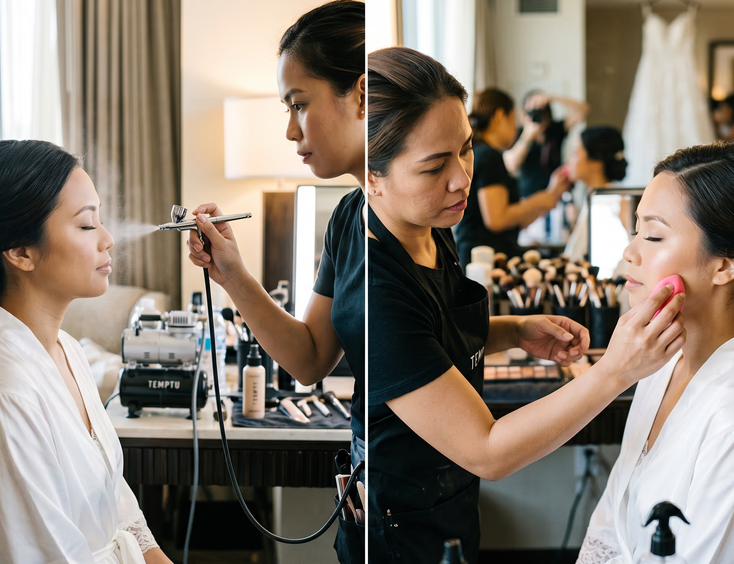
Filipino brides face a practical decision when booking their HMUA: airbrush or traditional makeup application. Both methods deliver a polished bridal look, but they differ in formula, finish, longevity, and how they handle the Philippine climate.
Your choice affects how your makeup feels on your skin, how it photographs, and how it holds up from a morning church ceremony through a reception that stretches past midnight. This guide compares both methods across the factors that matter most for Filipino weddings.
How Airbrush Makeup Works
Your HMUA uses a small air compressor connected to a handheld stylus that sprays a fine mist of liquid foundation onto your skin. The formula is silicone-based or water-based and builds coverage in thin, even layers.
The application process:
- Your HMUA holds the stylus about six inches from your face and sprays in short, controlled passes
- Coverage builds gradually, layer by layer
- The foundation dries on contact, creating a smooth, even finish
- Your HMUA can concentrate passes on areas that need more coverage (dark spots, blemishes, hyperpigmentation) while keeping the rest of your face lighter
- Blush, contour, and highlight can also be airbrushed for a seamless finish
The result is a lightweight, uniform base that feels like you're wearing very little product. Airbrush foundation bonds to the skin differently than traditional makeup, which contributes to its longer wear time.
How Traditional Makeup Works
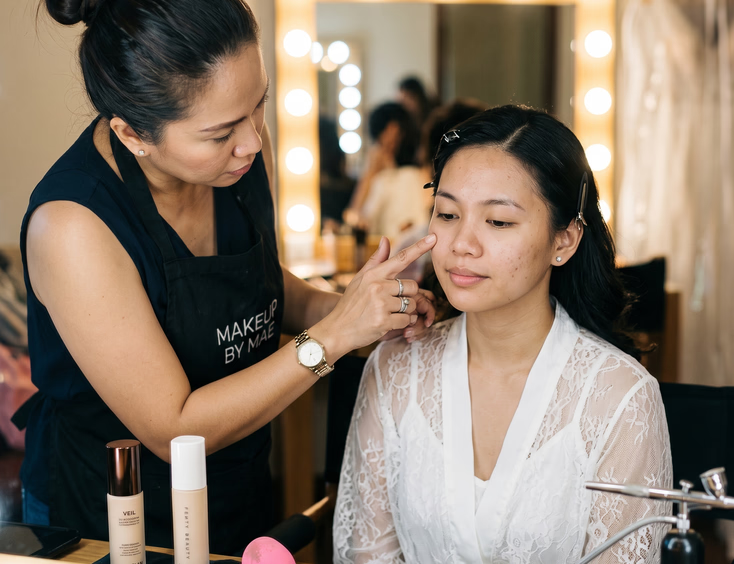
Traditional makeup uses liquid, cream, or powder products applied with brushes, sponges, and fingertips. Your HMUA blends foundation, concealer, contour, blush, and highlight by hand, layering and buffing product directly onto your skin.
The application process:
- Your HMUA applies primer, then foundation using a brush or damp beauty sponge
- Concealer covers blemishes and under-eye circles with targeted application
- Powder, cream, or liquid products build contour, blush, and highlight
- Setting powder locks the base before eye and lip makeup
- Each product is blended by hand, giving your HMUA direct control over placement and intensity
Traditional application allows more creative flexibility. Your HMUA can mix textures, layer different formulas, and customize coverage across your face. The hands-on process also makes it easier to adjust and correct during application.
Side-by-Side Comparison
| Factor | Airbrush | Traditional |
|---|---|---|
| Application tool | Air compressor and stylus | Brushes, sponges, fingertips |
| Formula | Silicone-based or water-based liquid | Liquid, cream, powder |
| Coverage | Light to full, built in layers | Sheer to full, applied directly |
| Finish | Matte to satin, seamless | Matte, satin, or dewy depending on products |
| Feel on skin | Lightweight, almost undetectable | Varies by product weight and layers |
| Longevity | 12 to 24 hours with minimal touch-ups | 6 to 10 hours, may need touch-ups |
| Humidity resistance | High | Moderate, depends on setting products |
| Customization | Limited by airbrush formulas available | High, your HMUA can mix any products |
| Cost | Higher per session | Lower per session |
| Correction during wear | Harder to spot-fix without disrupting the base | Easier to touch up specific areas |
How Each Method Handles Philippine Humidity
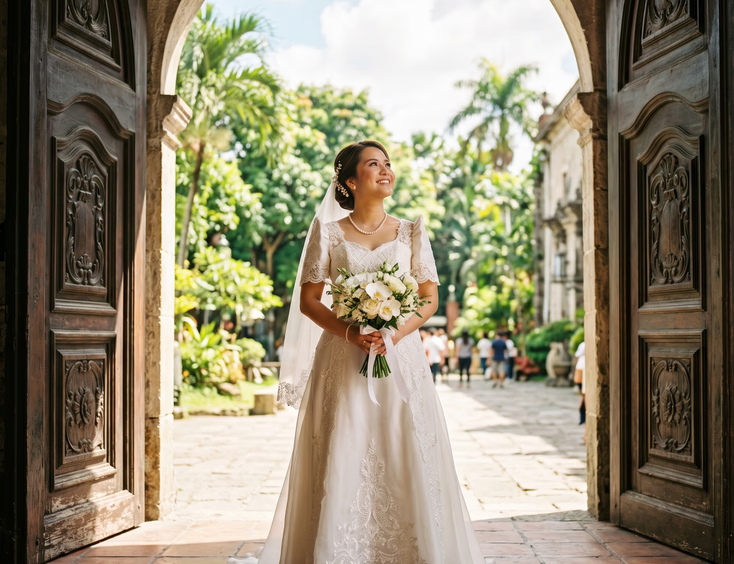
Humidity is the defining factor for Filipino weddings. A morning ceremony in a non-air-conditioned church, an outdoor photo session under the midday sun, and an evening reception with hundreds of guests dancing generate heat and moisture that test any makeup formula.
Airbrush in humid conditions:
Silicone-based airbrush formulas resist moisture and humidity better than most traditional products. The thin, bonded layers don't absorb sweat the way thicker cream and liquid foundations can. Filipino brides getting married outdoors, in beach venues, or during the hot months (March through May) benefit from airbrush's resistance to melting and sliding.
Your HMUA still needs to set the airbrush base with a light dusting of translucent powder on the T-zone and a dewy setting spray. Without setting, even airbrush makeup can develop shine on oily skin by midday.
Traditional makeup in humid conditions:
Traditional formulas are more vulnerable to heat and moisture. Cream-based products can shift, and powder can cake when mixed with sweat. Your HMUA counters this by using long-wear foundations, waterproof eye products, and multiple layers of setting powder and spray.
A skilled HMUA can make traditional makeup last 10 or more hours in humidity with the right product selection and setting techniques. The tradeoff is a slightly heavier feel on the skin compared to airbrush.
For brides worried about midday melting, booking an HMUA with a retouch package makes a significant difference regardless of which method you choose. Read our guide on how to keep your makeup fresh from the church to the reception for practical retouch tips.
How Each Method Photographs
Filipino weddings produce photos across multiple lighting conditions: natural church light, harsh outdoor sun, golden hour glow, flash photography at the reception, and warm ambient ballroom lighting.
Airbrush in photos:
The seamless, pore-blurring finish photographs well in HD and close-up shots. Airbrush creates an even-toned base that looks smooth in both natural and artificial light. It performs well for brides who prioritize flawless skin in portraits.
One limitation: airbrush can sometimes look flat in photos because the finish is so uniform. Your HMUA compensates by hand-applying contour, blush, and highlight on top of the airbrush base to add dimension.
Traditional makeup in photos:
The layered textures and product variety give your HMUA more control over how light hits your face. Strategic placement of cream highlight, powder contour, and shimmer eyeshadow creates depth and dimension that reads well on camera.
Traditional makeup can sometimes show more skin texture in extreme close-ups and HD photography. Your HMUA minimizes this with proper skin prep, primer, and a smooth application technique.
Both methods produce beautiful bridal photos when applied by an experienced HMUA. The differences are subtle and depend more on the artist's skill than the method itself.
Which Method Suits Your Skin Type
Your skin type affects how each formula wears, feels, and lasts throughout the day.
Oily skin:
Airbrush's silicone-based formula sits on top of the skin and resists oil breakthrough better than most traditional foundations. The lightweight layers also mean less product melting into your pores over the course of a long day. If your T-zone tends to produce visible shine within a few hours, airbrush gives you a longer window before touch-ups.
Traditional makeup works on oily skin with the right products. Your HMUA can use oil-free primers, matte foundations, and thorough setting techniques. You may need one or two touch-ups during the reception.
Dry skin:
Traditional makeup handles dry skin better. Your HMUA can mix hydrating drops into foundation, use cream-based products that add moisture, and avoid powders that settle into dry patches and fine lines. The hands-on application lets them work product into the skin more thoroughly.
Airbrush on dry skin can emphasize flaking and texture if the skin isn't prepped well. The formula doesn't contain the same moisturizing ingredients found in many traditional foundations. If you prefer airbrush and have dry skin, invest extra time in skin prep leading up to the wedding and communicate this concern at your bridal makeup trial.
Combination skin:
Both methods work. Your HMUA can zone the approach, using airbrush on the oily T-zone for longevity and traditional cream products on the drier cheeks and under-eyes for hydration. This hybrid approach gives you the best of both formulas.
Sensitive or acne-prone skin:
Airbrush applies without brushes or sponges touching your skin, which reduces irritation and the risk of spreading bacteria. The lighter layers also avoid clogging pores the way heavy traditional products can. If your skin reacts to physical contact during application, airbrush is the gentler option.
Traditional products offer more variety for sensitive skin. Your HMUA can choose hypoallergenic, fragrance-free formulas tailored to your triggers. Discuss your skin sensitivities during your trial so your HMUA can patch-test products beforehand.
Matching Each Method to Your Bridal Style
Your desired makeup style influences which application method works best.
Airbrush pairs well with:
- Natural and dewy looks where lightweight coverage and smooth skin are the priority
- Korean glass skin-inspired styles that emphasize a poreless, luminous base
- Brides who want full coverage that feels weightless
Traditional pairs well with:
- Soft glam and full glam styles that require layered textures, defined contour, and dramatic eye looks
- Classic Filipina glam with bold lips and precise liner work
- Thai soft glam that blends sculpted contour with radiant skin
- Brides who want creative, editorial makeup with mixed product textures
Many HMUAs combine both methods. They lay down an airbrush base for an even, long-wearing canvas, then build contour, blush, eyes, and lips using traditional techniques. Ask your HMUA if they offer a hybrid approach at your trial.
For a full breakdown of bridal makeup styles and how they suit different Filipino skin tones, read the most popular bridal makeup styles for Filipino brides.
Cost Comparison for Filipino Weddings
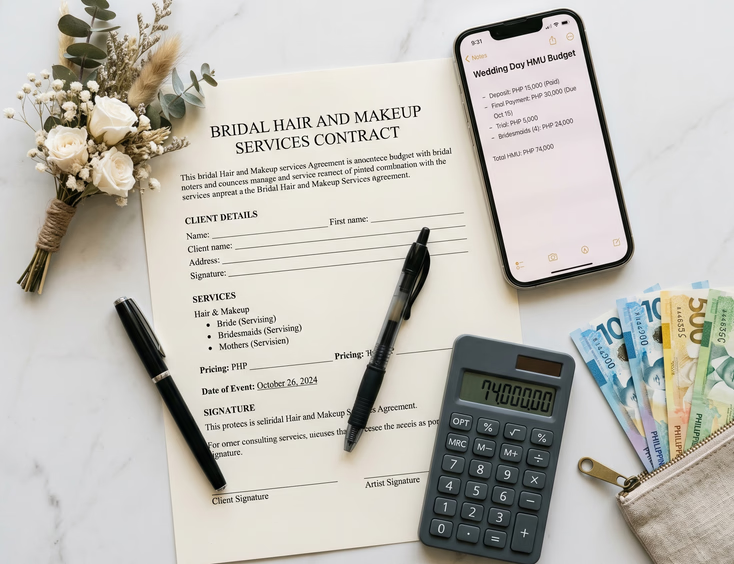
Airbrush makeup costs more per session due to the equipment, specialized formulas, and training required. The price difference varies by HMUA and location.
| Service | Airbrush Estimate | Traditional Estimate |
|---|---|---|
| Bridal package | PHP 12,000 to PHP 35,000 | PHP 7,500 to PHP 25,000 |
| Additional head (entourage) | PHP 3,500 to PHP 6,000 | PHP 2,500 to PHP 5,000 |
| Trial session | PHP 5,000 to PHP 10,000 | PHP 3,000 to PHP 7,000 |
Some HMUAs include airbrush as a standard part of their bridal package. Others offer it as an upgrade for an additional fee. Confirm pricing and inclusions when you inquire.
If you're planning hair and makeup for your entourage, the cost difference multiplies with each additional person. Read our guide on how to plan hair and makeup for your entire wedding entourage for budgeting strategies.
How to Decide
Four factors narrow the choice:
- Your venue and climate. Outdoor ceremonies, beach weddings, and hot-month weddings favor airbrush for its humidity resistance. Indoor, air-conditioned venues give both methods equal footing.
- Your skin type. Oily skin benefits from airbrush. Dry skin benefits from traditional. Combination skin works with both or a hybrid approach.
- Your desired style. Natural, skin-focused looks pair with airbrush. Dramatic, textured, editorial styles pair with traditional.
- Your budget. Airbrush costs more per person. Factor in your entourage headcount when calculating the total.
Test your preferred method at your bridal trial. If your HMUA offers both, try airbrush on one half of your face and traditional on the other to compare the finish, feel, and coverage side by side.
For guidance on making the most of your trial session, read how to communicate your vision to your HMUA during the trial.
Book Your Bridal HMUA
Whether you choose airbrush, traditional, or a hybrid approach, the skill of your HMUA matters more than the method. Browse our hair and makeup supplier directory to compare portfolios, check reviews, and send inquiries to artists who specialize in your preferred technique.
For a complete overview of bridal beauty planning, costs, and timelines, read wedding hair and makeup in the Philippines: everything brides need to know.
Still Searching for a Right Match?
Find Your Perfect Wedding Supplier Today!
Discover trusted wedding suppliers across the Philippines in our complete directory. Compare services and connect with the ones that fit your dream celebration.
Browse Wedding SuppliersFeatured Blog Posts


Filipino Wedding Entourage - Roles, Order of March, and Modern Etiquette
6 mins readCivil Weddings in the Philippines - Requirements, Costs, and Step-by-Step Process
9 mins readCivil Wedding Requirements in the Philippines - Complete Checklist
6 mins readCost of Wedding in the Philippines - 5 Essential Things You Need to Know
7 mins readPrincipal Sponsors (Ninong/Ninang) - How Many, How to Ask, What They Really Do
4 mins readVeil, Cord, Candle & Coins - Roles, Options, and When They Happen
4 mins readEntourage for a Traditional Pinoy Wedding - Complete Roles and Guide
6 mins readComplete List of Civil Wedding Requirements in the Philippines
8 mins readHow to Choose Wedding Ninongs and Ninangs - Ask Yourself These 3 Important Questions
5 mins read