


How to Communicate Your Vision to Your HMUA During the Trial
You have a vision for your wedding look. Your HMUA has the skills to execute it. The gap between those two things is communication. Closing that gap during your trial saves you from disappointment on the morning of your wedding.
Filipino brides often arrive at trials with a clear picture in their heads but struggle to put it into words. You might know you want to look fresh and glowing, but "fresh and glowing" means something different to every artist. Your job during the trial is to translate your vision into language and visuals your HMUA can act on.
Build a Reference Folder Before the Trial
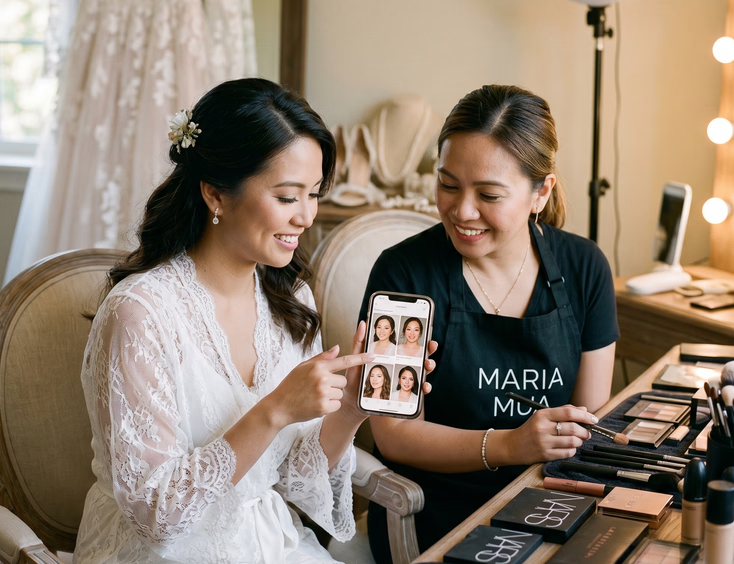
Collect five to ten photos that represent the look you want. Save them in a single folder on your phone so you can pull them up fast during the session.
Choose photos from real weddings over editorial shoots. Magazine photos use studio lighting, heavy retouching, and models with different skin tones. A candid reception photo of a Filipino bride gives your HMUA a more accurate reference for what the look will achieve under wedding conditions.
Include variety in your folder. Save a close-up of eye makeup you love, a lip shade that flatters a skin tone similar to yours, and a full-face shot that captures the overall vibe you want. Your artist pieces together elements from multiple references to build a cohesive look tailored to your features.
Save one or two photos of looks you want to avoid. Showing your HMUA what you dislike narrows their options and prevents them from going in a direction that makes you uncomfortable.
Use Specific Language Instead of Vague Descriptions
Words like "natural," "simple," and "not too much" create confusion. Your version of natural might mean bare skin with tinted moisturizer. Your artist's version might mean a full foundation base with neutral tones. Both are valid interpretations, and neither is wrong. The problem is ambiguity.
Replace vague terms with specific descriptions:
- Instead of "natural," say "I want to see my freckles through the foundation" or "I want a dewy base with soft brown eyeshadow."
- Instead of "not too much," say "no false lashes" or "keep the lip color close to my natural shade."
- Instead of "glamorous," say "I want a smoky eye with a bold red lip" or "I want full-coverage foundation with dramatic lashes."
Pair your words with a reference photo. Saying "I want soft glam like this" while showing a photo gives your artist both verbal and visual direction. They can match the technique to the image while respecting the boundaries you set with your words.
Talk About Your Comfort Zone
Your HMUA needs to know how much makeup you wear on a regular day. If you never wear lipstick, a bold lip on your wedding day might feel foreign to you. If you wear a full face to work, you can handle heavier coverage without feeling unlike yourself.
Share your daily routine. Tell your artist which products you use, which features you like to play up, and which areas make you self-conscious. A bride who always highlights her eyes but skips lip color gives her HMUA a clear starting point.
Filipino culture sometimes pressures brides to look a certain way on their wedding day. Relatives may push for heavier makeup or a more traditional look. Your HMUA works for you. Tell them what makes you feel confident, and let them advocate for your preferences if outside opinions conflict.
Point to Your Face, Not Just Your Phone
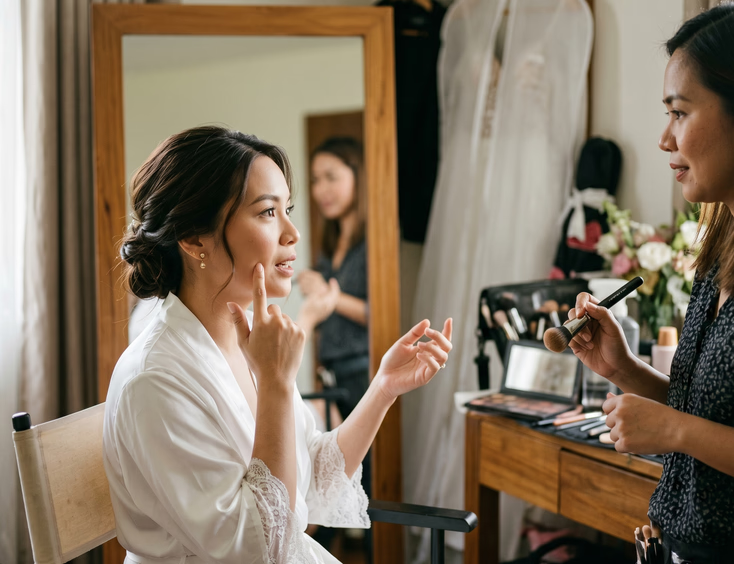
Reference photos set the direction, but your face is the canvas. During the trial, point to specific areas of your face when giving feedback.
"I feel like this area looks heavy" is less useful than touching your outer crease and saying, "Can you blend the shadow higher here so my eyes look more open?" Physical gestures remove ambiguity. Your artist sees the exact spot you mean and adjusts without guessing.
Stand up and look in the mirror together. Side-by-side viewing lets you point, gesture, and discuss in real time. Sitting in the chair while your artist works above you limits your ability to see and respond.
Give Feedback in Layers
Your HMUA builds the look in stages. Give feedback at each stage rather than waiting until the end.
After the base, check the coverage and finish. Does it feel too heavy? Say so now. Adjusting foundation after eyes and cheeks are done means your artist redoes three steps instead of one.
After the eyes, evaluate the color, shape, and intensity. Ask your artist to pause before applying lashes so you can decide if you want a more dramatic or subtle set.
After the full face is complete, step back and assess the overall balance. One feature should anchor the look. If both your eyes and lips compete for attention, ask your artist to soften one of them.
Framing feedback as preferences works better than framing it as criticism. "Can we try a softer brow?" opens a conversation. "The brows look wrong" shuts one down. Your HMUA wants to get the look right. Guide them with clear direction and they will adjust.
Ask Questions During the Process
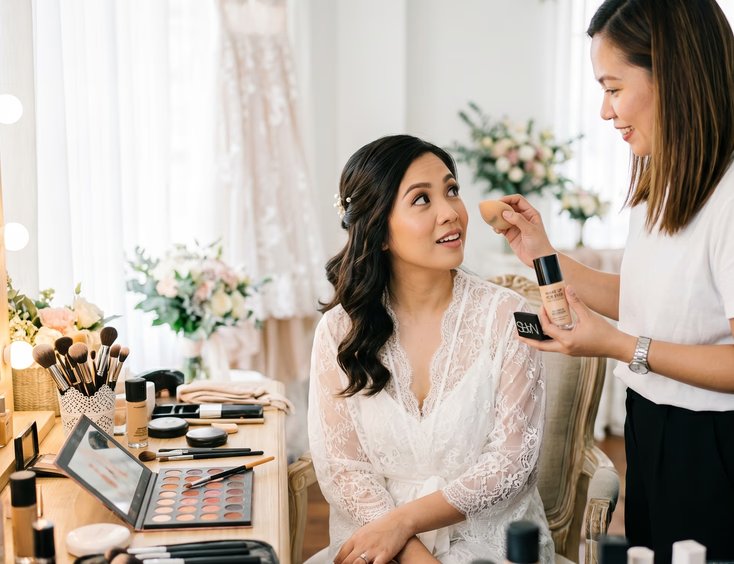
You learn more about your look by asking your HMUA to explain their choices. Try questions like:
- "Why did you choose this foundation formula over a different one?"
- "Will this eyeshadow color show up in photos taken with flash?"
- "How will this hairstyle hold up if the ceremony is outdoors?"
- "Can this lip color last through a meal without reapplication?"
These questions reveal your artist's reasoning and give you a chance to redirect if needed. If your HMUA chose a matte foundation because of the humidity but you prefer a dewy finish, you can discuss a compromise, like a luminous primer under a satin foundation.
Asking questions also builds trust. You understand the process better, and your artist sees that you are engaged and invested in the outcome.
Bring a Companion Who Gives Honest Feedback
One trusted person in the room can help you see things you miss. A close friend or sister who knows your style and speaks candidly offers a second set of eyes.
Keep it to one companion. Two or three opinions at once overwhelm the process and pull your artist in conflicting directions. Choose someone who respects your taste and supports your decisions, not someone who projects their own preferences onto your look.
Your companion can also take photos at different angles while you sit in the chair. You cannot see the back of your hair or how your profile looks from the side. A second person captures those perspectives so you can review them with your artist.
Address Concerns About Longevity and Climate
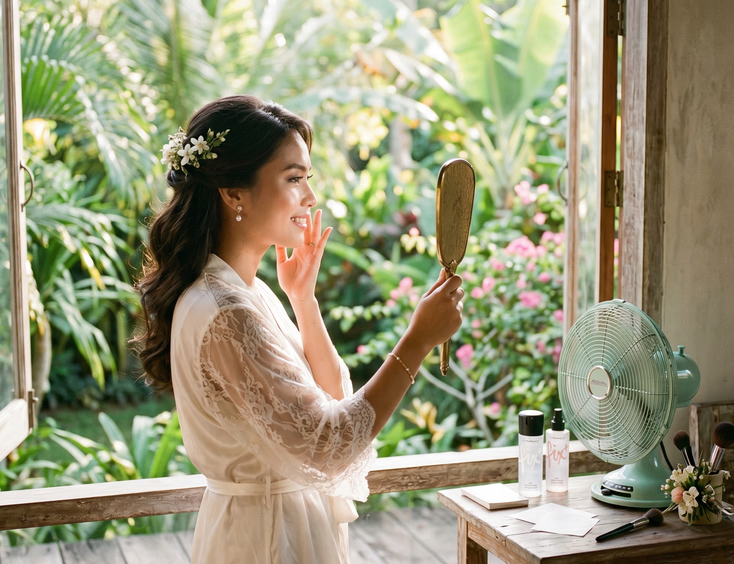
The Philippine heat affects how makeup and hair perform. Talk to your HMUA about durability during the trial.
Ask how the products hold up in humid conditions. Ask about the setting spray they plan to use and how often you might need touch-ups. If your ceremony happens outdoors, ask whether the foundation can handle sweat without separating.
Your artist can adjust their product choices and techniques based on your concerns. A bride with an outdoor garden reception needs a different approach than a bride in a fully air-conditioned ballroom. Raising these concerns during the trial gives your HMUA time to test solutions.
For more guidance on makeup longevity, read our article on how to keep your makeup fresh from the church to the reception.
Document Everything Before You Leave
Take photos of the final look from every angle and in multiple lighting conditions. Screenshot any peg photos you and your HMUA agreed on. Ask your artist to note the exact products, shades, and techniques they used.
This documentation becomes the blueprint for your wedding day. Your HMUA references it to replicate the look without second-guessing. You reference it to confirm that the wedding-day result matches what you approved.
If your trial included hairstyling, photograph the hair from the front, sides, and back. Note where your veil or headpiece sits. Record whether your artist used pins, extensions, or texturizing spray so they can prepare the same materials on your wedding morning.
A Clear Conversation Leads to a Confident Wedding Morning
Your trial is a collaboration. Your HMUA brings technical skill. You bring the vision. The two of you shape the final look through conversation, reference photos, and real-time adjustments. Walking out of your trial with a shared plan means your wedding morning moves faster and feels calmer.
If you have not scheduled your trial yet, read our guide on what to expect during your bridal makeup trial in the Philippines so you know how the session flows. And for a full overview of planning your bridal beauty from start to finish, visit our complete guide on wedding hair and makeup in the Philippines.
Browse our directory of trusted wedding hair and makeup artists in the Philippines to find an HMUA who matches your style and budget.
Still Searching for a Right Match?
Find Your Perfect Wedding Supplier Today!
Discover trusted wedding suppliers across the Philippines in our complete directory. Compare services and connect with the ones that fit your dream celebration.
Browse Wedding SuppliersFeatured Blog Posts

Filipino Wedding Entourage - Roles, Order of March, and Modern Etiquette
6 mins readCivil Weddings in the Philippines - Requirements, Costs, and Step-by-Step Process
9 mins readCivil Wedding Requirements in the Philippines - Complete Checklist
6 mins readCost of Wedding in the Philippines - 5 Essential Things You Need to Know
7 mins readPrincipal Sponsors (Ninong/Ninang) - How Many, How to Ask, What They Really Do
4 mins readVeil, Cord, Candle & Coins - Roles, Options, and When They Happen
4 mins readEntourage for a Traditional Pinoy Wedding - Complete Roles and Guide
6 mins readComplete List of Civil Wedding Requirements in the Philippines
8 mins readHow to Choose Wedding Ninongs and Ninangs - Ask Yourself These 3 Important Questions
5 mins read