


What to Expect During Your Bridal Makeup Trial in the Philippines
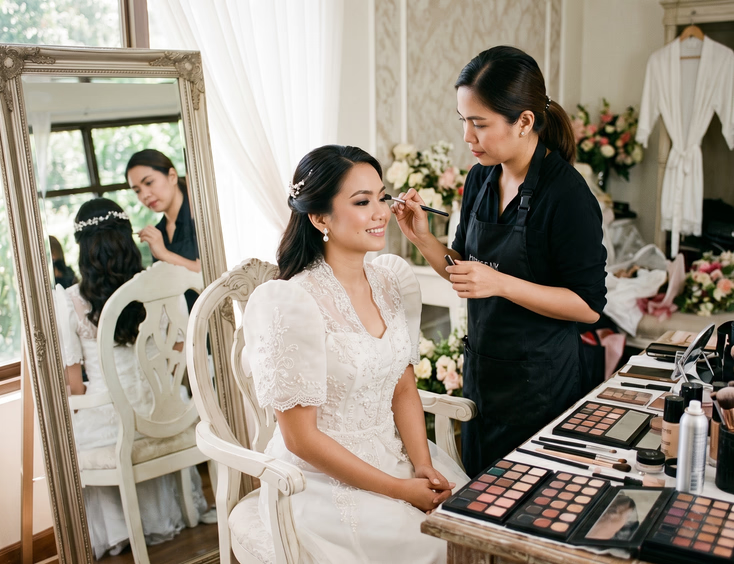
A bridal makeup trial is not a pampering appointment. You and your HMUA sit down together, test products on your skin, experiment with looks, and finalize the exact style you want on your wedding day. Think of it as a dress rehearsal for your face.
Most trials in the Philippines last two to three hours. Your artist uses that time to apply a full face of makeup, style your hair, and make adjustments based on your feedback. You leave with a finished look and a shared plan for the wedding morning.
If you have not booked a trial yet, read our guide on why every Filipino bride should have a bridal hair and makeup trial to understand what you gain from one.
Prepare Before You Show Up
Your trial produces better results when you arrive prepared. A few steps go a long way.
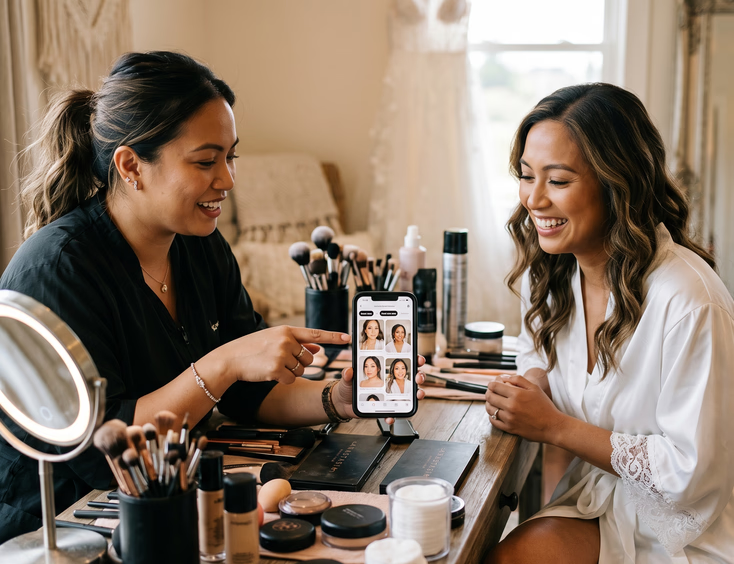
Gather your pegs. Save five to ten inspiration photos on your phone. Include photos of looks you love and one or two you want to avoid. Your HMUA can spot patterns in your preferences and translate them into a cohesive look. Screenshots from real weddings work better than editorial shoots, because wedding lighting and conditions differ from studio setups.
Bring your accessories. Pack your veil, headpiece, earrings, and any hair clips you plan to wear. Your stylist needs to see how these pieces interact with the hairstyle. A tiara, for example, changes how your artist pins your updo.
Wear a white or ivory top. Choose something close to the color and neckline of your gown. Your HMUA can then match your foundation shade across your face, neck, and chest without guessing.
Skip heavy skincare that morning. Arrive with clean, moisturized skin. Avoid thick serums or sunscreens that create a slippery base. Your artist will apply primer and prep products suited to their technique.
The Consultation Comes First
Your HMUA will start by talking with you. Expect questions about your wedding theme, venue, ceremony time, gown details, and personal style. This conversation shapes every product choice and technique they use during the session.
Be honest about your comfort level with makeup. If you never wear bold lipstick, say so. If you want full lashes but worry about the weight, mention it. Your artist adjusts their approach based on what you share. For more tips on how to express your preferences, check out our guide on how to communicate your vision to your HMUA during the trial.
Your HMUA will also examine your skin up close. They check your undertone, note oily or dry areas, and look for texture or discoloration that needs extra attention. This assessment determines which foundation formula, concealer shade, and setting method they reach for.
Your Artist Builds the Look in Stages
After the consultation, your HMUA begins the application. The process follows a sequence, and each stage builds on the last.
Skin prep and base. Your artist primes your skin, applies foundation, and sets it. They may test two or three foundation shades on your jawline before choosing one. Filipino skin tones range from fair to deep, and undertones shift between warm, neutral, and cool. Getting the base right takes patience.
Eyes and brows. Your HMUA shapes your brows and applies eyeshadow, liner, and lashes. This is where your pegs matter most. A soft glam look calls for neutral tones and wispy lashes. A full glam finish uses deeper pigments and dramatic lash strips. Your artist may try a few lash styles to find the right one for your eye shape.
Cheeks and contour. Blush, bronzer, and highlighter add dimension to your face. Your artist sculpts based on your bone structure, blending until the contour looks natural in person and on camera.
Lips. Your HMUA tests lip colors against your overall look. They may try two or three shades. A nude lip and a soft pink lip photograph differently, so ask your artist to snap photos of each option under flash.
Hair. If your trial includes hairstyling, your artist works on your hair after makeup or hands you off to a dedicated hairstylist. They test how your hair holds curls, how much volume your hair texture allows, and where to place your veil or headpiece.
Take Photos in Every Lighting Condition
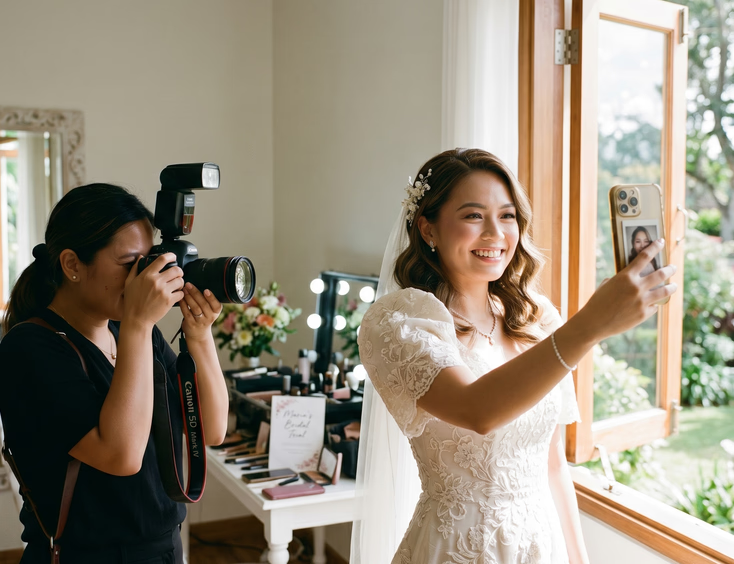
Once your artist finishes, grab your phone and take photos. Capture your look indoors under warm light, near a window with natural light, and outdoors in direct sun. Ask someone to take a few shots with flash, because your reception venue will have flash photography.
Makeup reads differently across lighting conditions. A highlight that looks soft in natural light might appear harsh under flash. A lip color that suits you indoors could wash out in the sun. These photos give you and your HMUA concrete evidence for adjustments.
Take close-ups of your eyes, lips, and full face. Take a few full-body shots too, so you can see how the makeup balances with your overall frame and outfit.
Give Honest Feedback During the Session
Your HMUA expects feedback. That is the purpose of the trial. If the brows feel too heavy, say so. If you want more color on your cheeks, ask for it. If the lip shade pulls too orange on your skin, point it out.
Speak in specifics. "I want softer brows" gives your artist a clear direction. "I don't like it" leaves them guessing. Reference your peg photos if words fall short. You can point to an image and say, "I want my eyeshadow blended more like this."
Filipino brides sometimes hesitate to give critical feedback out of politeness. Your HMUA would rather hear your concerns during the trial than discover them on your wedding morning. Adjustments during a trial take minutes. Adjustments during your wedding day eat into your timeline.
Wear the Look for the Rest of the Day
Do not wash off your trial makeup the moment you leave. Wear it for as long as possible. Go about your normal activities. Eat a meal. Step outside in the heat.
This wear test tells you how the makeup performs under real conditions. Check your face after two hours, four hours, and six hours. Note if your foundation separates, if your under-eye concealer creases, or if your lipstick bleeds. Take comparison photos at each checkpoint.
The Philippines is hot and humid for most of the year. A look that survives six hours of wear in Philippine weather will hold up through your ceremony and reception. If the makeup breaks down, your HMUA can switch to longer-wearing formulas or add extra setting steps on your wedding day.
Discuss the Wedding Day Timeline
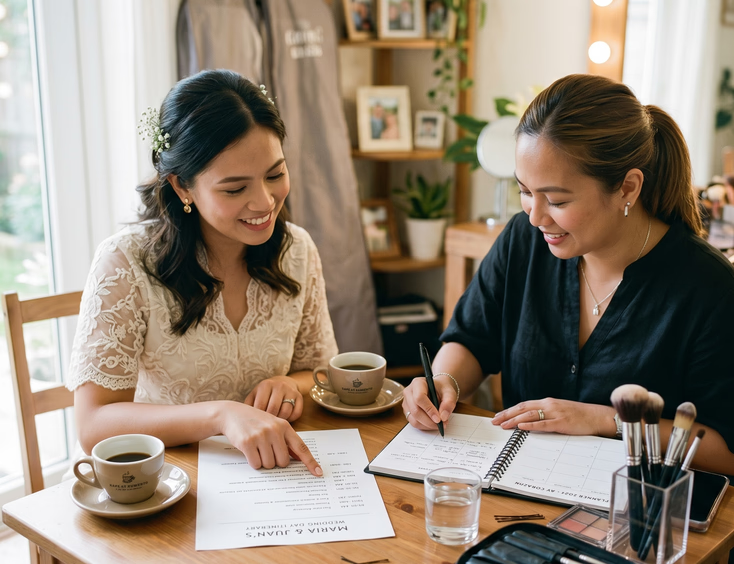
Before you leave the trial, talk logistics with your HMUA. Cover these details:
- Start time. Your artist needs to know when the ceremony begins so they can work backward. A 10:00 AM church wedding might require a 5:00 AM call time, depending on how many faces they need to do.
- Number of people. If your HMUA is covering your entourage too, confirm the headcount. Each bridesmaid adds 30 to 45 minutes to the schedule.
- Location. Confirm whether the session happens at your hotel, your home, or another venue. Factor in travel time for your artist.
- Touch-up plan. Ask if someone from the team will stay through the ceremony and reception for touch-ups, or if they provide a touch-up kit for you to carry.
Planning the timeline during the trial prevents morning-of confusion. For a detailed breakdown of scheduling, read our guide on what time hair and makeup should start for a Filipino morning church wedding.
Know What a Trial Costs in the Philippines
Trial sessions with Filipino HMUAs range from ₱3,000 to ₱10,000, depending on the artist's experience, location, and whether hairstyling is included. Metro Manila artists tend to charge at the higher end. Artists based in the provinces may offer lower rates.
Some HMUAs bundle the trial fee into their wedding-day package. Others charge it as a separate session. Ask about this when you book so you can budget for it. A trial that costs ₱5,000 protects a wedding-day investment that could run ₱15,000 to ₱30,000 or more.
Browse our directory of trusted wedding hair and makeup artists in the Philippines to compare rates and find an HMUA who fits your budget and style.
You Walk Into Your Wedding Morning With a Plan
A completed trial means your wedding morning runs smoother. You already tested the products. Your HMUA already mapped out the look. The two of you agreed on every detail, from lash style to lip shade to hairpiece placement.
You sit in the chair on your wedding day with confidence, knowing the look works on your face, photographs well, and lasts through heat and humidity. Your artist moves faster because they follow the plan you built together during the trial.
For a full overview of bridal beauty planning, from choosing a look to booking an HMUA, read our complete guide on wedding hair and makeup in the Philippines.
Still Searching for a Right Match?
Find Your Perfect Wedding Supplier Today!
Discover trusted wedding suppliers across the Philippines in our complete directory. Compare services and connect with the ones that fit your dream celebration.
Browse Wedding SuppliersFeatured Blog Posts
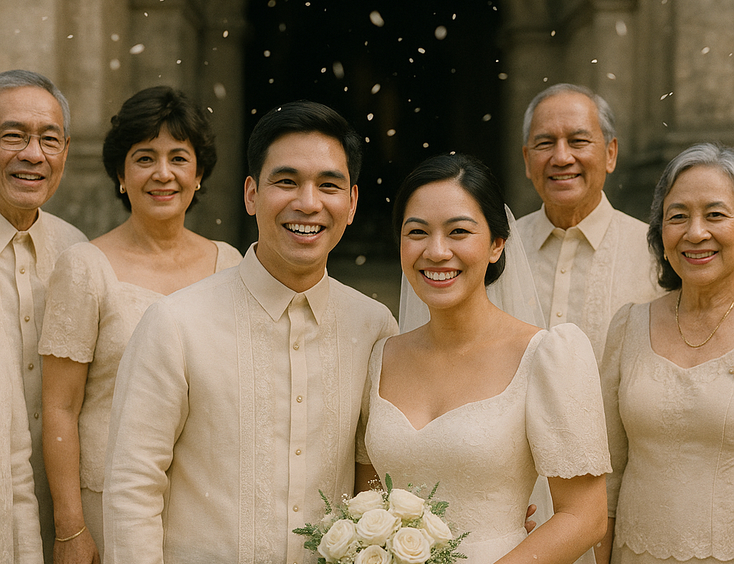
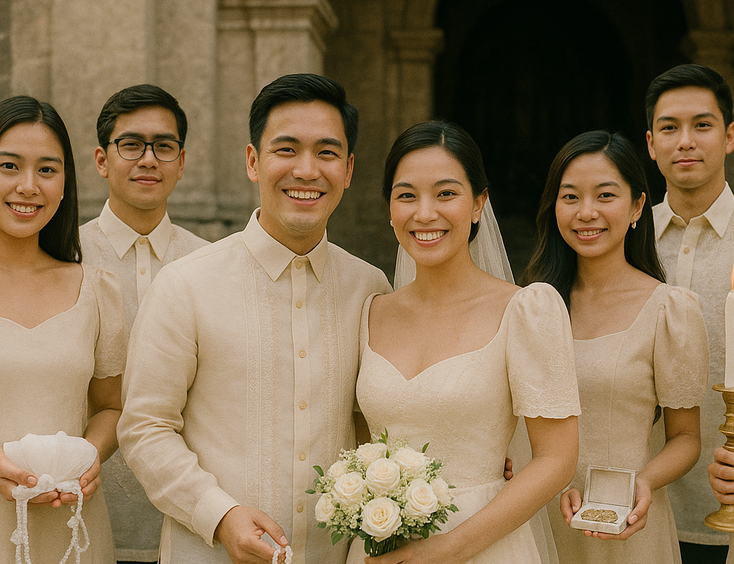

Filipino Wedding Entourage - Roles, Order of March, and Modern Etiquette
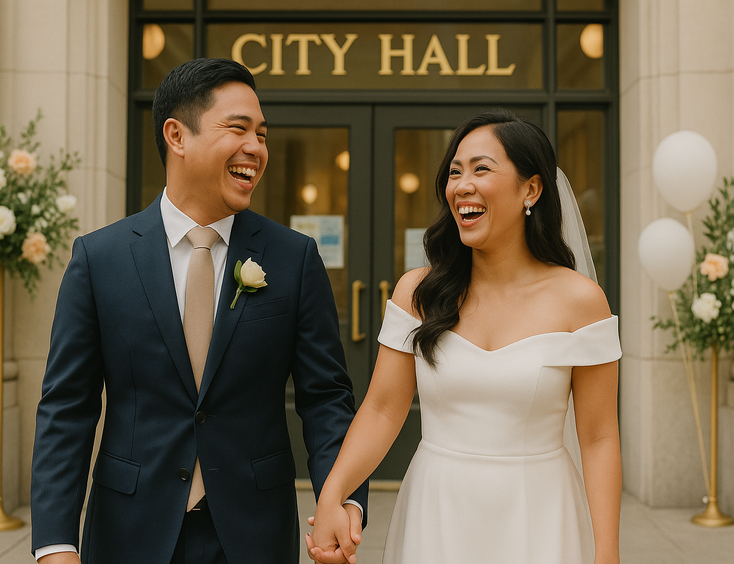
6 mins readCivil Weddings in the Philippines - Requirements, Costs, and Step-by-Step Process
9 mins readCivil Wedding Requirements in the Philippines - Complete Checklist
6 mins readCost of Wedding in the Philippines - 5 Essential Things You Need to Know
7 mins readPrincipal Sponsors (Ninong/Ninang) - How Many, How to Ask, What They Really Do
4 mins readVeil, Cord, Candle & Coins - Roles, Options, and When They Happen
4 mins readEntourage for a Traditional Pinoy Wedding - Complete Roles and Guide
6 mins readComplete List of Civil Wedding Requirements in the Philippines
8 mins readHow to Choose Wedding Ninongs and Ninangs - Ask Yourself These 3 Important Questions
5 mins read