


What to Wear to a Filipino Debut as a Guest
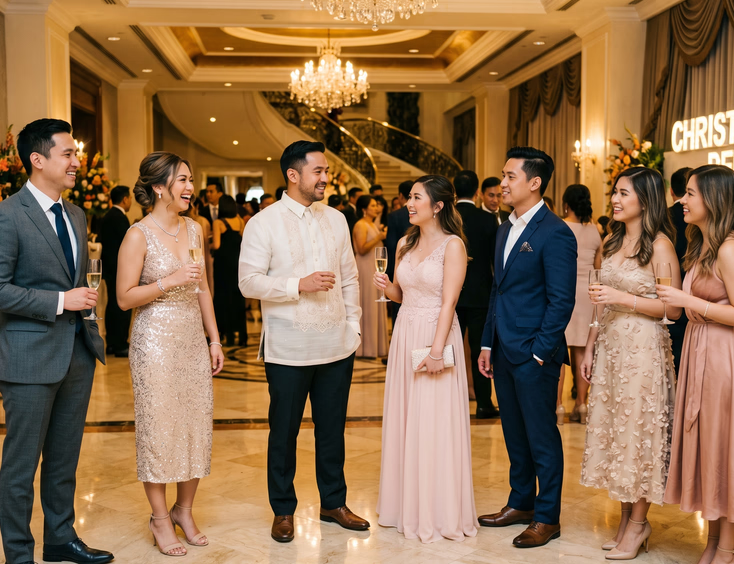
A Filipino debut isn't a regular birthday party. The dress code matters, the photos matter, and the family takes the celebration seriously. Show up underdressed and you stand out in every photo for the wrong reasons. Show up overdressed in the wrong way and you compete with the debutante's spotlight, which is the one thing no guest should ever do.
The good news: figuring out what to wear isn't complicated once you understand the conventions. The invitation tells you most of what you need to know. The rest comes down to reading the venue, the theme, and the time of day.
This guide walks you through dress code definitions, outfit examples for every guest type, color rules to follow, and the mistakes to avoid before you head out the door.
Start With the Invitation
The invitation is the source of truth. Re-read it before you plan your outfit. Look for three pieces of information:
The dress code Black tie, formal, semi-formal, cocktail attire, Filipiniana formal, or smart casual. Each carries specific expectations.
The color motif Some debuts request that guests dress in coordinated colors (champagne, blush, sage green, navy, etc.). The motif usually applies to all guests, sometimes only to specific groups like the entourage.
The venue type A hotel ballroom invitation reads differently from a garden venue invitation. The setting affects fabric choices, shoe selection, and layering.
If the invitation is unclear, contact the debutante's family or check the event's hashtag and pre-debut content for visual hints. Don't guess.
For broader invitation context, see our guide on debut invitation wording samples and etiquette.
Understand the Dress Codes
Filipino debut invitations use a mix of Western and Filipino dress code conventions. Each one carries specific expectations.
Black tie The most formal. Men wear tuxedos with bow ties. Women wear floor-length gowns or formal evening dresses. Rare for debuts but used at grand ballroom celebrations or hotel-hosted events.
Formal The most common debut dress code. Men wear suits with ties or barong tagalog. Women wear cocktail dresses, evening gowns, or formal midi dresses. Closed-toe shoes for men, heels or dressy flats for women.
Semi-formal For intimate debuts or daytime celebrations. Men wear long-sleeved button-downs with slacks (tie optional). Women wear dressy cocktail outfits, midi dresses, or polished separates. The vibe is dressed up but not floor-length.
Cocktail attire Slightly more relaxed than formal. Men wear suits without ties or open-collar dress shirts with blazers. Women wear knee-length or mid-length dresses, jumpsuits, or chic separates. Works for evening debuts with a modern aesthetic.
Filipiniana formal Men wear barong tagalog (long-sleeved, typically piña or jusi fabric) with black dress slacks and leather shoes. Women wear modern Filipiniana gowns, terno-inspired dresses, or formal mestiza-style outfits. Used for heritage-themed debuts and family-focused celebrations.
Smart casual The most relaxed option, rare for debuts but used for intimate or daytime celebrations. Men wear dress shirts (long or short-sleeved) with chinos or dark jeans. Women wear midi dresses, polished separates, or jumpsuits. Sneakers may be acceptable depending on the venue.
What Men Should Wear
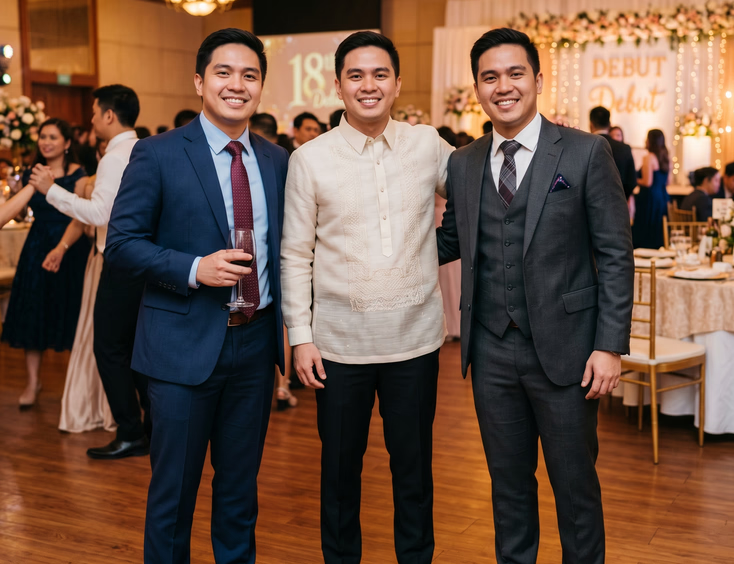
Filipino debuts favor classic, polished menswear. Stick to neutral tones unless the color motif specifies otherwise.
For black tie debuts
- Black tuxedo with satin lapels
- White dress shirt with French cuffs
- Black bow tie
- Black leather dress shoes (oxfords or derbies)
- Cufflinks and a pocket square
- Dark socks
For formal debuts
- Two-piece or three-piece suit in navy, charcoal, dark gray, or black
- White, light blue, or subtle-patterned dress shirt
- Conservative tie (avoid neon, novelty prints, or anything competing with the debutante's dress)
- Brown or black leather dress shoes
- Matching belt
- Dark socks
- Optional: pocket square or lapel pin in the color motif
For barong tagalog as a formal alternative:
- Long-sleeved barong (piña, jusi, or polyester for heat-friendly options)
- Black dress slacks
- Black leather dress shoes
- White camiseta or undershirt
- Dark socks
For semi-formal or cocktail attire
- Suit jacket or blazer with dress slacks (no tie required)
- Long-sleeved dress shirt
- Loafers, oxfords, or derby shoes
- Dark socks
- Optional: dress watch and minimal accessories
For Filipiniana formal
- Long-sleeved barong tagalog in piña, jusi, or polyester
- Black or dark gray dress slacks
- Black leather dress shoes
- White camiseta underneath
- Optional: simple cufflinks
For smart casual
- Long-sleeved dress shirt or polo (no T-shirts)
- Chinos or dark jeans
- Loafers, leather sneakers, or derby shoes
- Belt that matches shoe color
What Women Should Wear
Women have more flexibility but also more rules to navigate. The key principle: dress beautifully without competing with the debutante.
For black tie debuts
- Floor-length evening gown or formal long dress
- Heels (closed-toe preferred for traditional events)
- Statement jewelry (earrings or necklace, not both)
- Clutch or small evening bag
- Wrap, shawl, or formal jacket for cooler venues
For formal debuts
- Cocktail dress (knee-length to mid-calf), midi dress, or evening gown
- Heels, dressy block heels, or formal closed-toe flats
- Statement earrings or necklace
- Small evening bag or clutch
- Optional: light shawl for air-conditioned venues
For Filipiniana formal:
- Modern terno gown, mestiza dress, or formal Filipiniana-inspired piece
- Heels in a neutral color
- Traditional jewelry (pearls, gold accents)
- Hair styled in a bun, half-up, or polished waves
For semi-formal or cocktail attire
- Midi dress, jumpsuit, or polished separates (blazer with skirt or wide-leg trousers)
- Block heels, kitten heels, or dressy flats
- Minimalist or statement jewelry (pick one focal piece)
- Small handbag
For smart casual
- Midi dress, polished romper, or coordinated separates (blouse with skirt)
- Loafers, ballet flats, or dressy sandals
- Light jewelry
- Tote or shoulder bag
The Color Rules
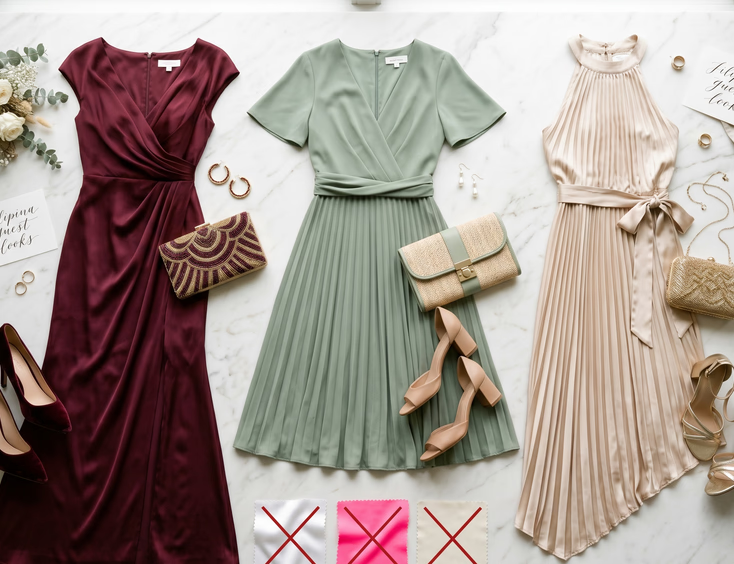
Filipino debuts follow Western wedding-inspired color etiquette. Some colors are off-limits or risky. The rules apply primarily to women but increasingly affect everyone.
Never wear white White is reserved for the debutante. This includes ivory, cream, off-white, and pale blush that reads white in photos. Off-white printed dresses are usually acceptable if the print is dominant.
Avoid pure black for daytime debuts Pure black at a daytime debut can read funereal in photos. Navy, charcoal, deep burgundy, or jewel tones work better. Evening debuts have more flexibility for black, especially if the dress code is formal or black tie.
Avoid the debutante's gown color If the debutante is wearing pastel pink, dark pink, or fuchsia, avoid those shades. The color is hers for the night. Check pre-debut shoot photos or ask a relative if the gown color is shared in advance.
Follow the color motif when specified If the invitation specifies "champagne and blush," show up in champagne, blush, or a neutral that complements the palette. Don't fight the motif.
Avoid neon or extremely loud prints The debutante is the focal point. Loud prints or neon dresses pull attention in photos. Soft prints, subtle florals, and tonal patterns work better.
Coordinate with your group If you're attending with a family group, ninongs and ninangs, or a barkada, coordinate to avoid clashing. Two people in the same dress is awkward. A group in coordinated tones reads as intentional.
For broader color guidance, see the debutante's perspective in our guide on how to choose your debut color palette.
What to Wear If You're Part of the Entourage
The entourage (18 Roses, 18 Candles, 18 Treasures, cotillion partners) often follows specific attire instructions from the debutante or her family. Read your group brief before planning your outfit.
For 18 Roses (typically male speakers) Coordinated suits in a specific color (navy, charcoal, black, or the event's motif). Same shirt color and tie color across the group. Sometimes matching boutonnières.
For 18 Candles (typically female speakers) Coordinated dresses in a specific color or palette. Sometimes specific style guidelines (cocktail-length, midi, or formal). Matching corsages or hair accessories.
For 18 Treasures (mixed) Often coordinated by gender within the group. Men in matching suits, women in matching palette dresses.
For cotillion partners Often matching outfits between partners (color-coordinated, sometimes matching styles). The cotillion choreographer or stylist usually briefs the group in advance.
If you're part of the entourage and haven't received a brief, follow up with the debutante or her family. Don't show up improvising.
For more on entourage attire, see our guide on debut entourage attire guide: dressing your 18 roses and candles.
What to Wear by Guest Type
Different guests have different expectations. Match your outfit to your role.
Immediate family of the debutante Coordinate with the parents and siblings. Often matching palettes within the family group. The mother and father of the debutante usually have specific outfits planned. Siblings often dress in the event's motif.
Extended family (titos, titas, cousins) Follow the dress code strictly. Lean formal rather than casual. Coordinate within your family branch to avoid clashing.
Ninongs and ninangs The dress code expectation is higher. Filipino tradition treats godparents as honored guests. Ninongs wear barong or full suits. Ninangs wear cocktail dresses or formal Filipiniana attire.
Friends and barkada Coordinate with the group. Bring photos of your planned outfit to a group chat to avoid clashing. Lean polished over casual.
Classmates Follow the dress code without overshadowing the debutante. Avoid trendy "main character" dressing.
Family friends Conservative and elegant. Match the dress code. Avoid anything attention-grabbing.
Older guests (lolos, lolas, family elders) Comfortable formal wear. Filipiniana attire for traditional debuts. Closed-toe shoes for safety.
What Children Should Wear
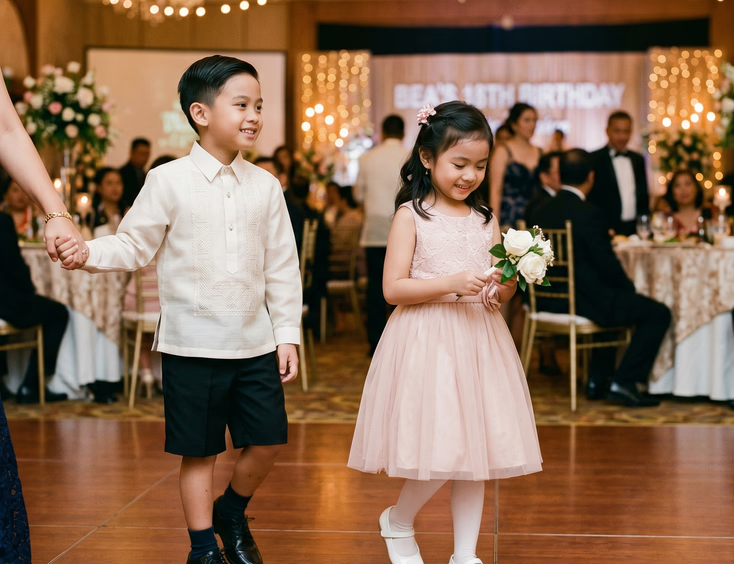
If the debut is kid-friendly, children should match the formality of the event.
Boys
- Small suits, dress shirts with vests, or polo barongs
- Dress shorts (for very young boys) or slacks
- Leather shoes or polished sneakers
Girls
- Party dresses in soft colors (avoid white)
- Tights or socks
- Mary Janes or dressy flats
For very young children, prioritize comfort. The debut is long, and uncomfortable kids melt down faster than overheated balloons.
Shoes Worth Investing In
Filipino debuts run 5 to 7 hours. The wrong shoes ruin your night.
For women
- Heel height that you can wear standing for at least 4 hours
- Closed-toe or peep-toe for traditional venues
- Block heels or kitten heels for cocktail attire (less foot fatigue)
- Pack a foldable pair of dressy flats in your bag for the dance set
- Avoid stilettos on garden venues (they sink into grass)
For men
- Polished leather dress shoes (oxfords, derbies, or loafers)
- Comfortable insoles
- Match shoe color to belt color
- Skip sneakers unless smart casual is explicitly stated
For garden or outdoor debuts, ask about the terrain before choosing heels. Cobblestone, grass, or wooden decks change shoe choices.
What to Bring to the Debut
Beyond the outfit, prepare a small kit for the night.
For women:
- Compact mirror and lipstick for touch-ups
- Powder or blotting paper for humidity
- Tissue for the emotional segments
- Phone charger
- Extra pair of flats for the dance floor
- Small bills for the food cart vendors (some carts don't accept large bills)
- A light wrap or shawl for air-conditioned venues
For men:
- Phone charger
- Tissue
- Mints or breath spray
- Cufflinks backup (if you're wearing French cuffs)
- A small handkerchief
If you're driving, bring a parking ticket if the venue requires validation.
Mistakes to Avoid
These mistakes guarantee you'll stand out in the wrong way.
Wearing white The non-negotiable rule. White is for the debutante.
Dressing for the wrong dress code Showing up in cocktail attire to a black tie debut is awkward. Showing up in a tuxedo to a smart casual debut is worse.
Wearing overly revealing outfits Filipino debuts skew family-friendly. Short hemlines, low necklines, and high slits read as out of place. Save them for clubs.
Wearing strong fragrances The venue is filled with food, candles, and other guests. Heavy perfumes overwhelm a closed indoor space.
Carrying large bags Backpacks, oversized totes, and large purses clash with formal wear and create logistical issues at the venue. Stick to clutches or small evening bags.
Wearing flip-flops, slides, or sandals (casual style) Even in tropical heat, flip-flops are inappropriate for any debut dress code above smart casual.
Wearing damaged or ill-fitting clothes The shirt that's a little too tight. The dress that won't sit right. The pants that drag on the floor. The photos last forever. Fit matters.
Bringing children to an adults-only debut The invitation specifies the children policy. Respect it.
Dressing in the same color as the debutante Coordinate within reason but don't match her gown. Stand near but not in front of her in photos.
Wearing sunglasses indoors A common mistake at evening receptions. The lighting is dim. Remove the sunglasses.
What If You Forgot Something
If you arrive at the venue and realize something's off:
- Missing tie — borrow one from the venue's front desk or a fellow guest
- Heels are killing you — ask the venue staff for a pair of slippers or borrow from a friend with extras
- Stained outfit — request club soda or a clean towel from the catering staff
- Wrong dress code — own it. The night moves fast. Confidence carries more than a perfect outfit.
Your Pre-Debut Outfit Checklist
The week before the debut, confirm:
- The dress code, color motif, and venue are noted
- Your outfit fits properly and has been steamed or pressed
- Shoes are comfortable and broken in
- Backup items (flats, tissues, charger) are packed
- Hair and makeup are planned (book salon appointments if needed)
- You've checked the weather and venue conditions (outdoor venues need different prep)
- Your outfit doesn't clash with the debutante's gown color
- If part of the entourage, you've coordinated with the group
The day of the debut, leave extra time for getting ready. Filipino debuts often have hard call times tied to the program. Late guests miss the entrance, the cotillion, or the first family portraits.
The dress code isn't a constraint. It's an invitation to show up at your best for someone celebrating one of the most important nights of her life. Get it right, and your photos look as polished as hers.
For how guest attire fits into the bigger debut planning picture, return to our pillar guide on planning an unforgettable Filipino debut celebration.
Still Searching for a Right Match?
Find Your Perfect Wedding Supplier Today!
Discover trusted wedding suppliers across the Philippines in our complete directory. Compare services and connect with the ones that fit your dream celebration.
Browse Wedding SuppliersFeatured Blog Posts
Filipino Wedding Entourage - Roles, Order of March, and Modern Etiquette
6 mins readCivil Weddings in the Philippines - Requirements, Costs, and Step-by-Step Process
9 mins readCivil Wedding Requirements in the Philippines - Complete Checklist
6 mins readCost of Wedding in the Philippines - 5 Essential Things You Need to Know
7 mins readPrincipal Sponsors (Ninong/Ninang) - How Many, How to Ask, What They Really Do
4 mins readVeil, Cord, Candle & Coins - Roles, Options, and When They Happen
4 mins readEntourage for a Traditional Pinoy Wedding - Complete Roles and Guide
6 mins readComplete List of Civil Wedding Requirements in the Philippines
8 mins readHow to Choose Wedding Ninongs and Ninangs - Ask Yourself These 3 Important Questions
5 mins read