


The Real Cost of Childbirth in the Philippines and How New Dads Can Budget for It
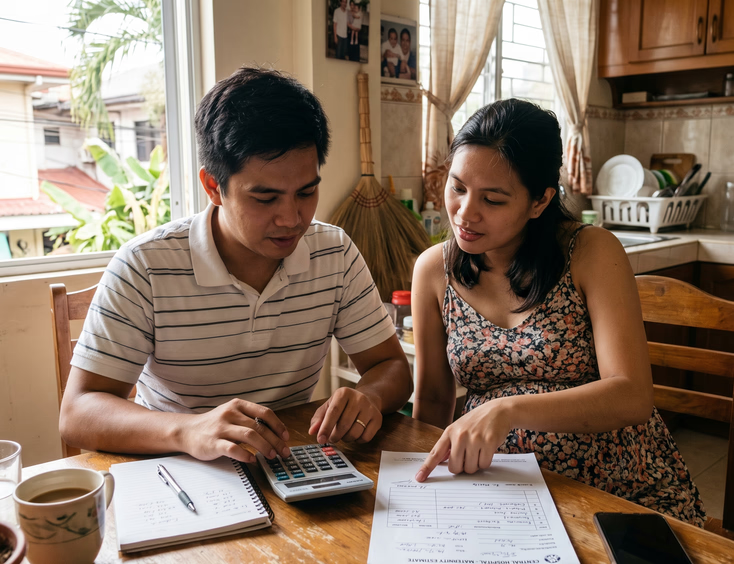
Childbirth costs money, and the bill catches many Filipino dads off guard. The price swings from a few thousand pesos in a public hospital to six figures in a private suite, and a cesarean section can double whatever you expected. This guide breaks down what drives the cost, gives you realistic ranges to plan around, and shows you how to budget so the billing window holds no surprises.
What Actually Drives the Cost
Two couples in the same city can pay wildly different amounts for the same baby. Four factors explain the gap:
- Type of facility. A government hospital or lying-in clinic charges a fraction of what a private hospital bills. The same delivery in a premium hospital with a private room costs the most.
- Type of delivery. A normal spontaneous delivery sits at the low end. A cesarean section runs far higher because it involves surgery, anesthesia, a longer stay, and a bigger medical team.
- Room and length of stay. A shared ward costs little. A private suite with its own bathroom and a folding bed for you adds thousands per night, and complications stretch the stay.
- Doctor's professional fees. Your obstetrician, the anesthesiologist, and the pediatrician each charge their own fee, and these climb with the hospital's prestige and your doctor's reputation.
The room you choose moves the bill more than almost anything else. A private suite feels worth it at 2 a.m., but the nightly rate is where a manageable bill turns into a loan.

Realistic Cost Ranges to Plan Around
Prices shift over time and across regions, so treat these as planning brackets rather than fixed quotes. Always call your target hospital for a current estimate.
- Public hospital, normal delivery. The cheapest path. PhilHealth often covers most or all of it, and your out-of-pocket cost can land near zero in a charity ward.
- Private hospital, normal delivery. A middle bracket that climbs with the room tier and your doctor's fees. Budget tens of thousands of pesos.
- Private hospital, cesarean section. The high bracket. Surgery, anesthesia, and the longer stay push this into the hundreds of thousands at premium facilities.
The same delivery costs more in Metro Manila than in many provincial hospitals, so factor your location into whatever bracket you land in.
Hidden Costs Dads Forget
The delivery fee is only part of the picture. Build these into your number so they do not blindside you:
- Prenatal checkups and tests. Months of consultations, ultrasounds, and lab work add up before the baby even arrives.
- Medicines and supplies. Post-delivery medication, vitamins, and hospital consumables appear on the final bill.
- The newborn's own charges. Your baby gets screening tests, a hearing test, and sometimes time under jaundice lights, each billed separately.
- NICU care. A premature or sick newborn in intensive care is the single biggest cost risk, and it arrives without warning.
How to Budget for It
Turn the unknowns into a plan you can fund over your wife's pregnancy. Work through these steps:
- Get a real estimate early. Call your chosen hospital during the second trimester and ask for the package rates for both normal and cesarean delivery. Plan for the cesarean figure even if you expect a normal birth, because you do not control which one you get.
- Subtract your guaranteed coverage. PhilHealth pays a fixed benefit for childbirth, and SSS adds its own. Claim the PhilHealth and SSS benefits expecting fathers should claim and deduct them from your estimate to find your true out-of-pocket target.
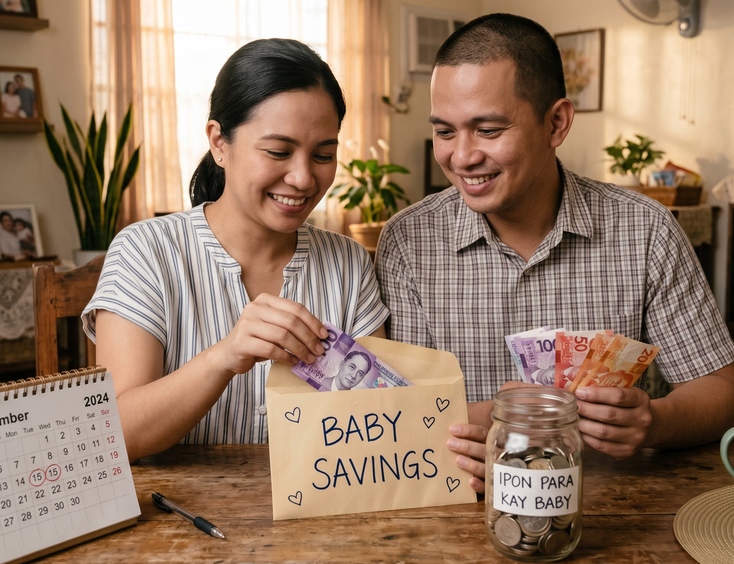
- Divide and save monthly. Take the gap and split it across the months left in the pregnancy. Saving a set amount each payday beats scrambling for a lump sum the week of the delivery.
- Build a buffer for the surprises. The NICU and the complications are why you save more than the flat estimate. A baby emergency fund sits on top of your delivery budget and catches whatever the hospital throws at you.

Where Smart Spending Saves You Thousands
Your delivery budget is one line in a larger first-year cost. Spend well in the other lines and you free up money for the bill.
Buy only what the baby needs. Parents waste thousands on gear that sits unused, so work from a tight newborn essentials shopping list for Filipino parents on a budget and put the savings toward the hospital.
Choose your doctors with cost in mind. Professional fees vary, and the hospital your obstetrician uses sets much of your bill. Read how choosing the right OB-GYN and pediatrician lets you weigh quality against price before you commit.
Lock in your paid time off. Your seven days of paternity leave protect your income during the delivery week, so confirm how paternity leave works in the Philippines and file early.
For the full path from pregnancy to your baby's first birthday, follow the complete Filipino new dad guide.
Still Searching for a Right Match?
Find Your Perfect Wedding Supplier Today!
Discover trusted wedding suppliers across the Philippines in our complete directory. Compare services and connect with the ones that fit your dream celebration.
Browse Wedding SuppliersFeatured Blog Posts









Filipino Wedding Entourage - Roles, Order of March, and Modern Etiquette
6 mins readCivil Weddings in the Philippines - Requirements, Costs, and Step-by-Step Process
9 mins readCivil Wedding Requirements in the Philippines - Complete Checklist
6 mins readCost of Wedding in the Philippines - 5 Essential Things You Need to Know
7 mins readPrincipal Sponsors (Ninong/Ninang) - How Many, How to Ask, What They Really Do
4 mins readVeil, Cord, Candle & Coins - Roles, Options, and When They Happen
4 mins readEntourage for a Traditional Pinoy Wedding - Complete Roles and Guide
6 mins readComplete List of Civil Wedding Requirements in the Philippines
8 mins readHow to Choose Wedding Ninongs and Ninangs - Ask Yourself These 3 Important Questions
5 mins read