


How to Build a Baby Emergency Fund Before Your Child Arrives
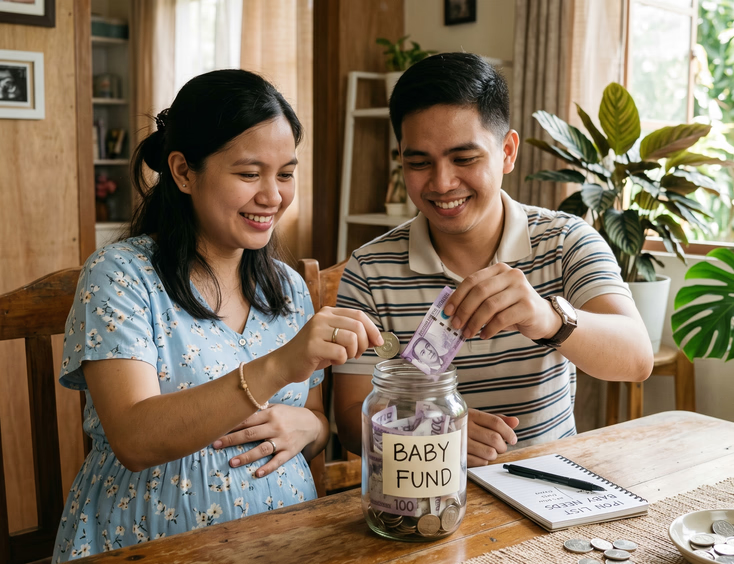
Babies arrive with surprises, and some of them cost money you did not plan to spend. A premature delivery, a stretch in the NICU, or a baby who needs time under jaundice lights can turn a manageable bill into a financial shock. A baby emergency fund is the cash you set aside for exactly these moments, separate from your delivery budget. This guide shows you how much to save, where to keep it, and how to build it across your wife's pregnancy without straining your household.
Why a Baby Emergency Fund Is Separate From Your Delivery Budget
Your delivery budget covers the expected bill. Your emergency fund covers the unexpected one. Keep them in different places so you never spend the cushion on routine costs.
The gap between the two is where families get hurt:
- The NICU arrives without warning. A newborn who needs intensive care racks up daily charges that dwarf a normal delivery, and you cannot predict it.
- Complications extend the stay. A delivery that should take two days can stretch to a week, and every extra night bills room, medicine, and doctor fees.
- Income can stop. Your wife may need a longer recovery than her leave covers, or you may need unpaid days beyond your paternity leave.
The delivery budget answers "what does the birth cost." The emergency fund answers "what if it goes wrong." Confuse the two and you spend your safety net on a private room.

How Much to Save
No single figure fits every family, so size your fund against your own risk and resources. Work from three reference points:
- One full delivery's worth, at minimum. Aim to cover the cost of an unplanned cesarean even if you expect a normal birth, since you do not control which one you get.
- A few weeks of household expenses. Add enough to keep rent, food, and bills running if your income dips during the newborn weeks.
- More if your risk is higher. A high-risk pregnancy, a history of complications, or a distance from a major hospital all argue for a larger cushion.
Set a target number from these, then work backward to a monthly savings amount.
Where to Keep the Money
The fund needs to be safe and reachable, not locked away or mixed with your spending money. Match the account to the job:
- A separate savings account. Open one apart from your daily account so you do not dip into it by habit. A different bank adds friction that protects the balance.
- A digital bank with higher interest. Several pay more than a traditional passbook account while keeping your money withdrawable within a day.
- Skip the long-term lock-ins. Time deposits and investments that penalize early withdrawal defeat the purpose. You may need this cash on the day your baby is born.
Keep the fund liquid. The whole point is reaching it fast on the night you need it.

How to Build It During the Pregnancy
You have months between the positive test and the due date. Use them. Run these steps:
- Set the target and the deadline. Pick your number and count the paydays left before the due date. Divide one by the other to get your monthly contribution.
- Automate the transfer. Schedule the amount to move to your fund the day your salary lands, before you can spend it. Saving what is left at month's end rarely works.
- Redirect small luxuries. Pause the subscriptions, eat out less, and route the difference into the fund. Temporary cuts during pregnancy fund a real cushion by the due date.
- Add every windfall. Send your 13th-month pay, bonuses, and cash gifts straight to the fund instead of spending them.
- Protect it once it is built. Treat the fund as untouchable until the baby arrives. A clear rule keeps the balance intact for the emergency it exists for.
How the Fund Fits the Rest of Your Plan
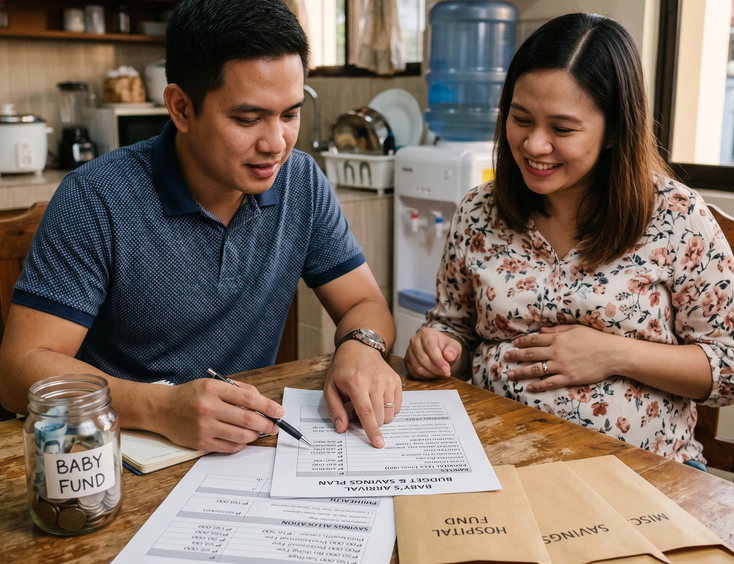
Your emergency fund sits on top of everything else you arrange for the birth, so coordinate it with your other money moves.
Build it around a real bill. Size the fund against the real cost of childbirth in the Philippines so your target reflects what an actual delivery and its complications cost.
Count your guaranteed coverage first. Both PhilHealth and SSS reduce your out-of-pocket cost, so claim the PhilHealth and SSS benefits expecting fathers should claim and let your fund cover only the gap they leave.
Free up cash by spending well elsewhere. Money you save on baby gear flows straight into the fund. Set up the room using the guide to setting up the nursery without overspending and put the difference toward your cushion.
For the full path from pregnancy to your baby's first birthday, follow the complete Filipino new dad guide.
Still Searching for a Right Match?
Find Your Perfect Wedding Supplier Today!
Discover trusted wedding suppliers across the Philippines in our complete directory. Compare services and connect with the ones that fit your dream celebration.
Browse Wedding SuppliersFeatured Blog Posts









Filipino Wedding Entourage - Roles, Order of March, and Modern Etiquette
6 mins readCivil Weddings in the Philippines - Requirements, Costs, and Step-by-Step Process
9 mins readCivil Wedding Requirements in the Philippines - Complete Checklist
6 mins readCost of Wedding in the Philippines - 5 Essential Things You Need to Know
7 mins readPrincipal Sponsors (Ninong/Ninang) - How Many, How to Ask, What They Really Do
4 mins readVeil, Cord, Candle & Coins - Roles, Options, and When They Happen
4 mins readEntourage for a Traditional Pinoy Wedding - Complete Roles and Guide
6 mins readComplete List of Civil Wedding Requirements in the Philippines
8 mins readHow to Choose Wedding Ninongs and Ninangs - Ask Yourself These 3 Important Questions
5 mins read