


Rooftop and Urban Wedding Ceremony Venues: A Modern Choice for City Couples
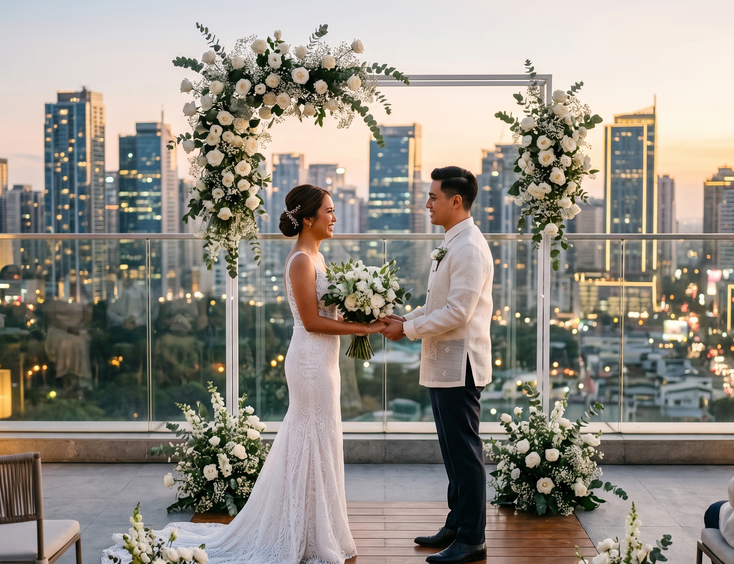
City lights replacing chandeliers. The Manila skyline as your backdrop. A ceremony 30 floors above the traffic below. Rooftop and urban venues give Filipino couples a modern alternative to the church-and-ballroom default, and the demand keeps climbing across Metro Manila, Cebu, and Davao.
What Counts as a Rooftop or Urban Venue
Urban ceremony venues sit inside the city and use the cityscape as part of the design. The category covers more than rooftops.
Rooftop bars and lounges. Venues like The Penthouse 8748 in BGC, Antonio's rooftop in Tagaytay, or hotel sky bars across Makati and Ortigas. Most seat 40 to 150 guests.
Hotel sky decks and pool decks. Many five-star hotels open their upper-floor pool decks for ceremonies. Shangri-La at the Fort, Marco Polo Ortigas, and Seda hotels run this setup often.
Industrial lofts and warehouses. Converted spaces in Poblacion, Cubao, Mandaluyong, and Pasig offer raw concrete, exposed beams, and floor-to-ceiling windows. Couples drawn to minimalist or industrial design pick these.
Art galleries and event spaces. Pineapple Lab, The Alley at Karrivin, and similar creative venues host civil ceremonies and small intimate weddings.
Restaurant private rooms and rooftops. Smaller weddings under 60 guests fit well inside fine-dining restaurants with private floors or terrace levels.
The common thread: you trade gardens, beaches, and church aisles for skyline, glass, and concrete.
Why City Couples Pick Urban Venues
You skip the out-of-town logistics. A rooftop wedding in BGC means your guests drive 20 minutes, not three hours. Suppliers arrive on time. Power, water, and air-conditioning come standard.
The aesthetic suits modern Filipino couples. If you and your guests live in the city, an urban venue matches the life you actually live. The photos look editorial without trying.
Most urban venues run as full-service operations. The hotel handles catering, sound, lighting, and bridal suites. The rooftop bar manages the bar and service staff. You bring the planner, florist, photographer, and officiant. Everything else comes with the venue fee.
For couples on tight schedules, urban venues run faster. You can book, plan, and marry inside six to eight months. Heritage churches and beach destinations need a year or more.
On the Day: What to Expect
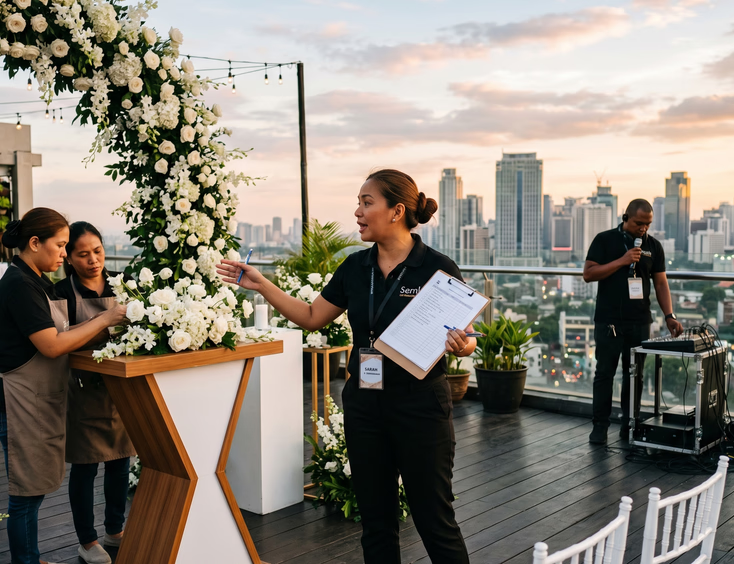
Urban ceremonies move differently from garden or church weddings. The space is smaller, the timeline tighter, and the rules sharper.
Strict load-in windows. Hotels and high-rise buildings restrict supplier access. Florists and stylists often get a two-hour window before guests arrive. Plan setup with the venue coordinator weeks ahead.
Elevator logistics. Tall buildings mean elevator queues for 80 guests. Some venues block service elevators for weddings. Confirm guest flow with the venue.
Weather contingency. Open rooftops face wind, rain, and heat. Most rooftop venues have an indoor backup floor or covered section. If yours does not, ask about tenting and pivot windows. Manila storms move fast between June and November.
Sound restrictions. Many rooftops sit near residential towers. Noise ordinances limit live bands and amplified sound after 10 p.m. Some buildings ban live music outright. Confirm before booking the band.
Capacity caps. Building fire codes set hard limits. A rooftop rated for 80 guests will not stretch to 100, regardless of the venue's preference.
Permits and clearances. For civil ceremonies on private rooftops, your judge or officiant may need building access cleared in advance. Some judges will not officiate above a certain floor without a security pass.
Preparation Checklist
Visit at the same time of day as your ceremony. A rooftop at 2 p.m. looks different from the same rooftop at 6 p.m. Sun direction, wind speed, and city noise change by the hour. Schedule the site visit to match your planned ceremony slot.
Check power and sound. Rooftops sometimes run on limited circuits. A full band, lighting rig, and catering kitchen can trip breakers. Confirm the venue's electrical capacity with your suppliers before contracts go out.
Plan for bridal suite access. Few rooftop venues include a bridal room. You may need to book a hotel suite on a lower floor for prep, then move up for the ceremony. Factor the cost and the timing.
Confirm guest parking. BGC, Makati, and Ortigas charge for parking. Some buildings offer flat rates for events. Negotiate this with the venue and pass details to guests in your invitation.
Account for catering rules. Most hotels require in-house catering. Independent rooftop venues often accept outside caterers but charge a corkage fee. Industrial lofts may need full catering setups, including kitchens and rentals. Read the contract before signing.
Insurance and liability. Some buildings require event insurance for rooftop functions. Your planner can source this. Budget around ₱5,000 to ₱20,000 for coverage.
City-by-City Considerations
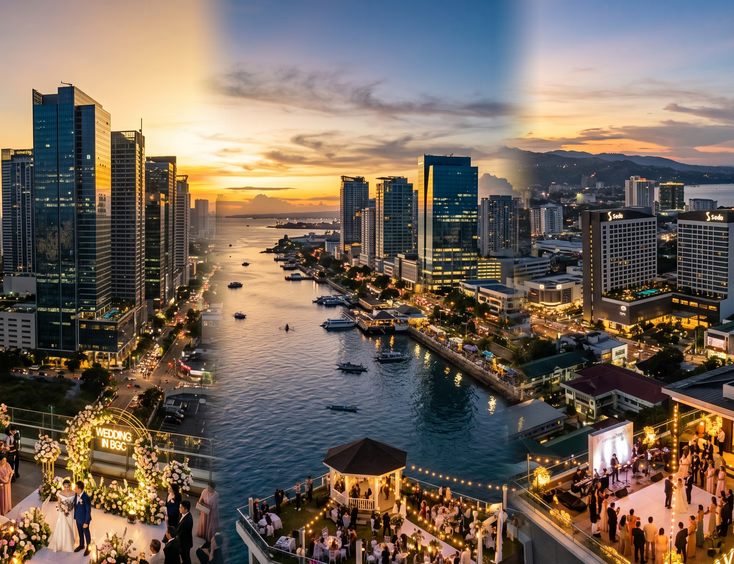
Metro Manila. The widest range of urban venues. BGC for modern glass towers and skyline shots. Makati for hotel rooftops and luxury bars. Ortigas for value-driven options and corporate hotel chains. Poblacion and Pasig for industrial lofts.
Cebu. Cebu IT Park, Cebu Business Park, and the upper floors of Crown Regency, Marco Polo, and Radisson Blu host most urban weddings. The Mango Avenue area has rooftop bars suited for smaller ceremonies.
Davao. Marco Polo Davao, Seda Abreeza, and Park Inn run rooftop and sky deck weddings. Demand stays lower than Manila or Cebu, so booking windows are shorter.
Iloilo and Bacolod. Smaller pool of options, with hotel rooftops as the main pick. Richmonde, Seda, and L'Fisher Hotel handle most urban ceremonies.
Each city has its own pace, traffic patterns, and weather risks. A Manila rooftop wedding plans differently from a Cebu one.
Common Mistakes to Avoid
Booking before checking sightlines. The view you see from the bar deck may not be the view your guests see from their seats. Walk the ceremony layout in person and mark the aisle, altar, and seating zones.
Skipping the sound test. Wind, traffic noise, and air-conditioning units drown out vows. Test the microphone and speakers at the same time of day as your ceremony, with the venue's actual equipment.
Ignoring the heat. A glass-walled rooftop at 4 p.m. in April turns into a greenhouse. Schedule afternoon ceremonies for cooler months, or pick early morning and sunset slots from March to May.
Underestimating styling needs. Rooftops and lofts come bare. The view does heavy lifting, but you still need florals, lighting, and seating that match the space. Budget for full styling, not minimal decor.
Forgetting guest comfort. High floors mean wind. Open rooftops mean sun. Industrial lofts mean concrete floors. Provide shade, water stations, and seating with cushions if your ceremony runs longer than 30 minutes.
Pairing the Right Suppliers
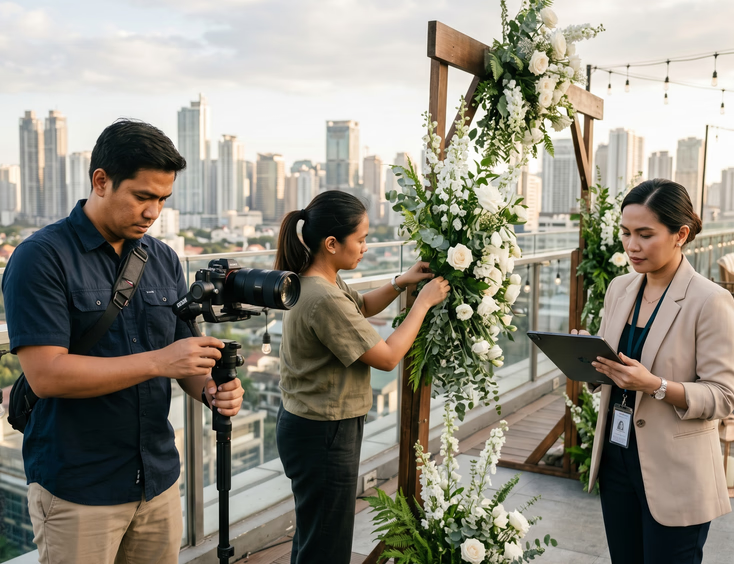
Urban venues need vendors who work fast and adapt to tight spaces. A florist used to ballrooms may struggle with a 4 p.m. load-in window and a freight elevator. A photographer used to garden weddings may misread the light on a glass rooftop at golden hour.
Browse vetted ceremony venue suppliers with experience in rooftop, hotel, and industrial loft setups across the Philippines. Many list specific city venues they have worked with.
For broader planning, the pillar guide on choosing a wedding ceremony venue in the Philippines compares venue types, capacities, and budget brackets across every category.
If you are still weighing alternatives, two reads pair well with this one. Couples drawn to full-service convenience often compare rooftop venues with hotel ballrooms. The breakdown on hotel and resort wedding ceremony venues covers the trade-offs in detail. Couples leaning urban but craving greenery should read the guide to garden wedding venues in the Philippines, which covers landscaped venues inside Metro Manila and nearby provinces.
Final Thoughts
A rooftop or urban wedding works best for couples who want the city as part of the story. You skip the church protocol, the beach travel, and the garden weather gambles. You get skyline, light, and a ceremony that matches modern Filipino life.
The trade-off is preparation. Urban venues reward couples who plan around elevators, sound caps, weather windows, and tight load-in schedules. Pick the right venue and the right suppliers, and the city becomes the most striking guest at your wedding.
Still Searching for a Right Match?
Find Your Perfect Wedding Supplier Today!
Discover trusted wedding suppliers across the Philippines in our complete directory. Compare services and connect with the ones that fit your dream celebration.
Browse Wedding SuppliersFeatured Blog Posts


Filipino Wedding Entourage - Roles, Order of March, and Modern Etiquette
6 mins readCivil Weddings in the Philippines - Requirements, Costs, and Step-by-Step Process
9 mins readCivil Wedding Requirements in the Philippines - Complete Checklist
6 mins readCost of Wedding in the Philippines - 5 Essential Things You Need to Know
7 mins readPrincipal Sponsors (Ninong/Ninang) - How Many, How to Ask, What They Really Do
4 mins readVeil, Cord, Candle & Coins - Roles, Options, and When They Happen
4 mins readEntourage for a Traditional Pinoy Wedding - Complete Roles and Guide
6 mins readComplete List of Civil Wedding Requirements in the Philippines
8 mins readHow to Choose Wedding Ninongs and Ninangs - Ask Yourself These 3 Important Questions
5 mins read