


Garden Wedding Venues in the Philippines: What to Expect and What to Prepare
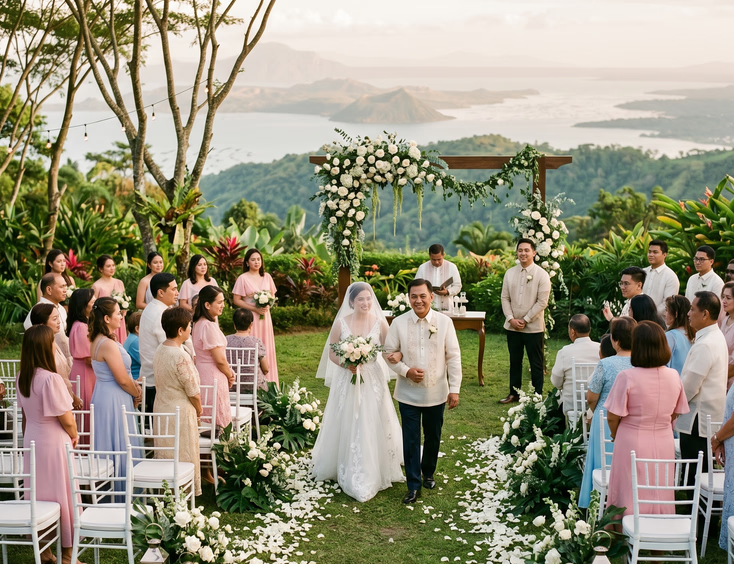
Garden weddings carry a softness that indoor venues rarely match. Sunlight filters through trees, the air smells like grass and flowers, and the photos pick up natural color no studio setup can copy. Filipino couples flock to garden venues in Tagaytay, Antipolo, Alfonso, and Silang for that exact reason. The setting also brings rules, risks, and prep work no ballroom would ever ask for.
What a garden wedding looks like in the Philippines
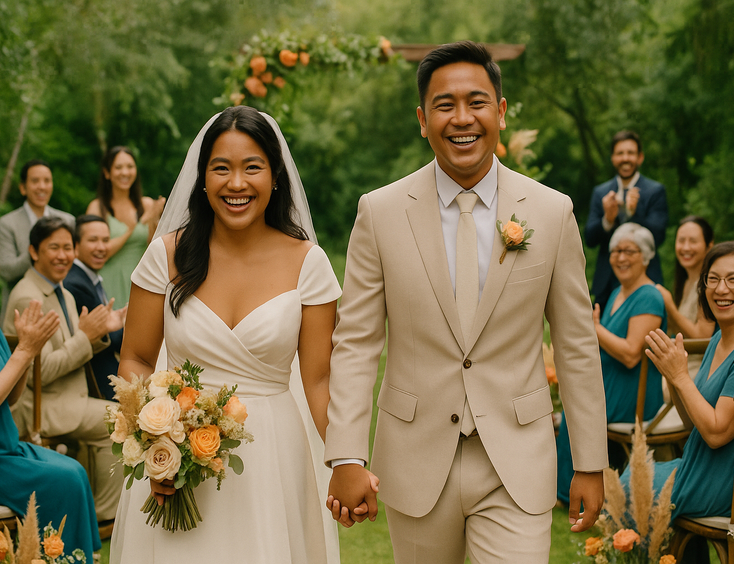
Most garden venues sit on private estates, hilltop resorts, or country clubs. The ceremony runs on grass or a stone terrace, with a wooden arch or floral arbor at the front. Guests sit in white Tiffany or bamboo chairs lined along an aisle of petals, leaves, or a fabric runner. The reception either follows in a separate pavilion on the property or stays under a clear tent on the same lawn.
Tagaytay leads the list for Manila-based couples. The cool air, the Taal Volcano view, and the two-hour drive from the city make it the default pick for outdoor weddings. Antipolo and Rizal carry similar mountain-edge venues at lower price points. Cebu, Davao, and Iloilo each hold a handful of garden estates that handle weddings of fifty to three hundred guests.
Budget range and what the venue fee covers
Garden venue fees in the Philippines run from ₱60,000 for a small private garden in Cavite to ₱500,000 for a peak-date booking at a top Tagaytay estate. The standard package covers:
- Six to eight hours of venue use
- Tables, chairs, and basic linen
- Bridal holding room or suite
- Parking for guests and suppliers
- Generator and sound system access
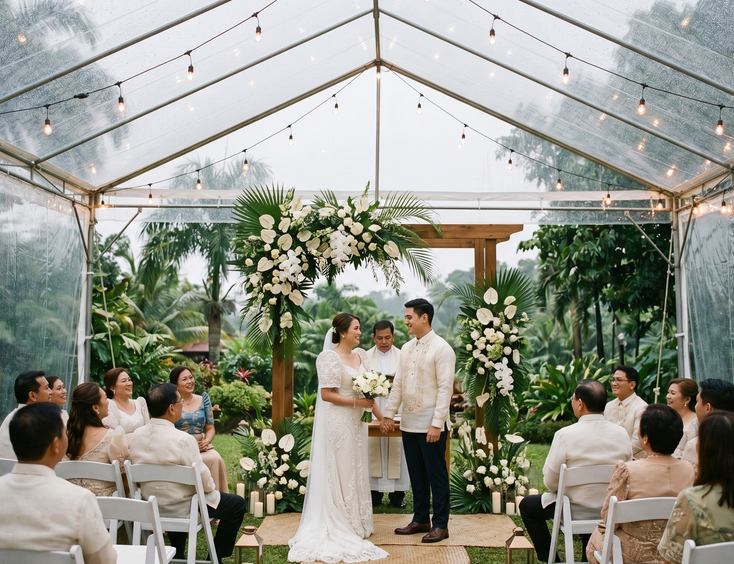
Most venues charge separately for the wet-weather backup. Tent rental and setup add ₱40,000 to ₱200,000, depending on the size and the brand of tent. Build that line into the budget from the day you sign the contract.
Weather: the one factor you can't control
The Philippines runs on two seasons. Dry months from November to May fit garden weddings best, with December to February as the peak. June to October brings the wet season, and outdoor weddings in those months carry typhoon risk in Luzon and the Visayas.
Even dry-season weddings face afternoon showers in Tagaytay and Antipolo. The mountain air cools fast after 4 p.m., and pop-up rain hits without warning. Two rules keep the day on track:
- Book a clear tent or a covered pavilion as the wet-weather backup, not as a maybe
- Lock the ceremony start time at 3 p.m. or earlier so the program finishes before the evening rain window
Couples who want the safer indoor-outdoor mix should also read our breakdown of hotel and resort wedding ceremony venues, which package the backup space into the venue fee.
Logistics that catch couples off guard
A grass venue carries surprises a ballroom never would. Heels sink into soft soil, so brides switch to block heels, wedges, or barefoot sandals for the aisle walk. Older guests need a firm path from the parking area to the seats, and venue staff lay plywood or rattan mats on muddy stretches when needed.
Sound carries differently outdoors. Open lawns absorb voice, so the officiant and the couple need clip-on mics, not a standing mic. Speakers face the guests, not the altar, to avoid feedback. Live bands set up under cover because afternoon humidity warps wooden instruments and shorts out cables.
Insects show up uninvited. Citronella torches, electric bug zappers along the perimeter, and a light spray on the lawn two hours before the ceremony cut the mosquito count. Skip scented candles near the food table, since they pull more bugs than they repel.
Décor that suits a garden setting
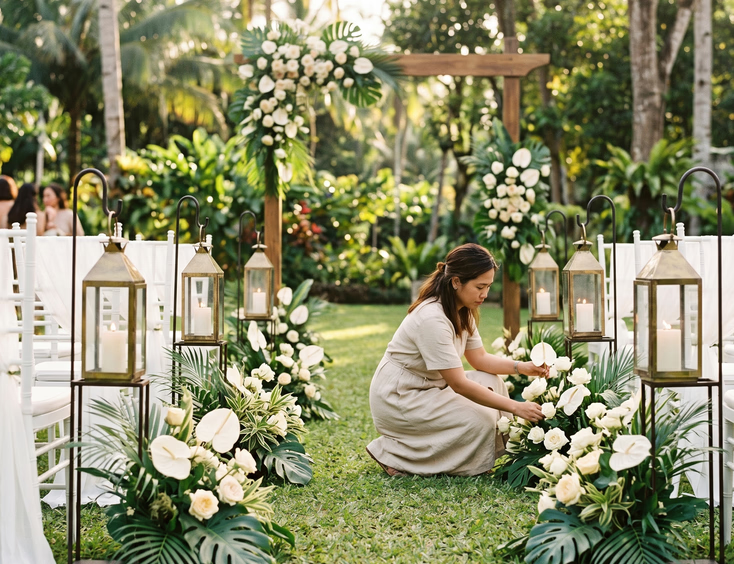
Garden venues already carry color and texture. Heavy floral installations compete with the trees and the sky instead of adding to them. Three approaches work:
- Match the venue's existing palette with white, cream, and soft pastel arrangements
- Use tropical greenery like monstera, palm fronds, and anthuriums for a local-modern look
- Stick to candles, lanterns, and string lights for the evening reception
Couples drawn to a similar outdoor feel by the water can compare options in our guide on beach wedding venues in the Philippines.
Vendor rules and outside supplier policies
Most garden venues in the Philippines run an accredited supplier list. The list covers caterers, florists, lights and sounds, and sometimes coordinators. Couples who bring outside suppliers pay a corkage or accreditation fee of ₱10,000 to ₱50,000 per category. Some venues block outside catering entirely.
Read the supplier clause before signing. The corkage on alcohol, cake, and lechon stacks fast on a tight budget.
Timeline for booking a garden venue
Peak dates from December to February book twelve to eighteen months ahead. Off-peak months in March, May, and September open up at six to nine months out. Hold the date with a 20% to 50% deposit, and confirm the wet-weather plan in writing before the second payment.
For the full venue-by-venue planning roadmap, return to our pillar guide on choosing a wedding ceremony venue in the Philippines.

Find a garden ceremony venue that fits your day
The right venue partner removes weeks of site visits and follow-up calls. Browse our verified list of wedding ceremony venue suppliers in the Philippines to compare garden estates, country clubs, and hilltop resorts by location, capacity, and price range. Each listing shows current rates, real photos, and direct contact details.
Planning around the weather, the grass, and the guests
A garden wedding rewards couples who plan for the variables. Lock the venue early, build the tent into the budget, brief the guests on the dress code, and trust the coordinator on the timeline. The setting takes care of the romance. Your job is to handle the logistics that let the setting do its work.
Still Searching for a Right Match?
Find Your Perfect Wedding Supplier Today!
Discover trusted wedding suppliers across the Philippines in our complete directory. Compare services and connect with the ones that fit your dream celebration.
Browse Wedding SuppliersFeatured Blog Posts



Filipino Wedding Entourage - Roles, Order of March, and Modern Etiquette
6 mins readCivil Weddings in the Philippines - Requirements, Costs, and Step-by-Step Process
9 mins readCivil Wedding Requirements in the Philippines - Complete Checklist
6 mins readCost of Wedding in the Philippines - 5 Essential Things You Need to Know
7 mins readPrincipal Sponsors (Ninong/Ninang) - How Many, How to Ask, What They Really Do
4 mins readVeil, Cord, Candle & Coins - Roles, Options, and When They Happen
4 mins readEntourage for a Traditional Pinoy Wedding - Complete Roles and Guide
6 mins readComplete List of Civil Wedding Requirements in the Philippines
8 mins readHow to Choose Wedding Ninongs and Ninangs - Ask Yourself These 3 Important Questions
5 mins read