


How a Filipino Wedding Host Keeps the Reception Program Running on Time
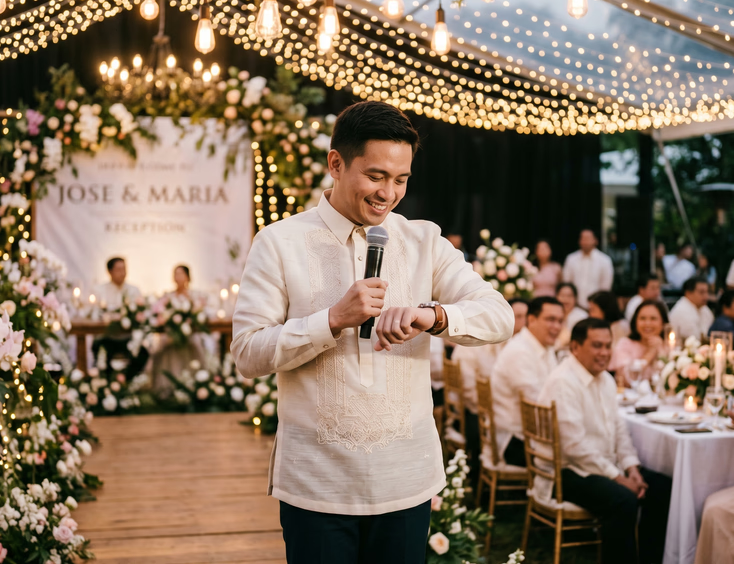
Filipino wedding receptions pack a lot into four or five hours. Grand entrance, first dance, toasts, games, the money dance, cake cutting, bouquet and garter toss, open forum, and a final send-off. One segment runs long, and the rest collapse like dominoes. Your host is the person who prevents that from happening.
The Typical Filipino Reception Timeline
Most coordinators build the reception program around 15 to 20 segments. Each one has a target duration. The grand entrance runs five minutes. Toasts get three minutes per speaker. Games eat 15 to 20 minutes. The money dance can stretch to 30 if the line is long.
Add those up and you get a tight schedule with zero room for dead air. Your caterer needs to serve courses on cue. Your photographer needs specific moments captured in good light. Your DJ needs transitions timed to the second. The host is the person at the center of all those moving parts, calling each segment and keeping everyone on rhythm.
Pre-Wedding Coordination Sets the Pace
A skilled host does not show up on your wedding day and read a script cold. The real work starts weeks before the event.
Your emcee meets with your coordinator to map the program flow, assign time blocks to each segment, and flag potential bottlenecks. Long guest lists mean longer toasts. A money dance with 200 guests runs twice as long as one with 80. Your host accounts for these variables during planning, not during the reception.
This is also where you play a direct role. The more context your host has about your priorities, your families, and your program preferences, the tighter the execution. Read the guide on what information to give your wedding host ahead of the reception so you cover every detail before the day arrives.
Reading the Room in Real Time
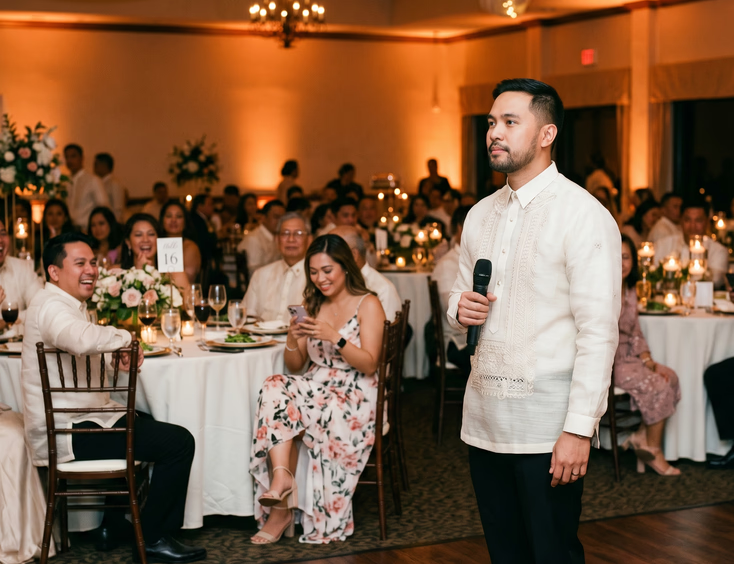
Plans change the moment guests sit down. A toast scheduled for three minutes turns into seven when tito starts telling stories from 1985. The photobooth line backs up during cocktails and delays the program start by 15 minutes. Rain forces a garden setup to move indoors mid-reception.
Your host adjusts on the fly. A professional emcee tracks the running time against the program and makes micro-decisions throughout the night. They trim a game from three rounds to two. They cut the open forum short when energy dips. They stretch a dance segment to buy the caterer five more minutes for dessert plating.
None of this happens if your host is glued to the script. The ability to read a room, sense when guests are restless, and pivot without anyone noticing separates a professional from someone holding a microphone.
Managing Vendors Through the Mic
Your host coordinates with your other suppliers in real time. The DJ needs a five-second warning before each transition. The photographer needs the host to slow down the bouquet toss so they can reposition. The videographer needs clean audio cues for key moments. The caterer needs a signal before the next course goes out.
Professional wedding emcees build these cues into their hosting flow. They wear an earpiece connected to the coordinator. They use subtle hand signals with the DJ. They know when to pause for three beats so the photographer catches the reaction shot.
Couples who skip hiring a professional and ask a friend or family member to host often miss this layer of coordination. Your college buddy may have stage presence, but vendor management at the mic requires reps and experience.
Controlling Speech and Toast Duration
Toasts derail more Filipino reception timelines than any other segment. You plan for two speakers at three minutes each. You get five speakers at eight minutes each. That single segment just ate 40 minutes of your program.
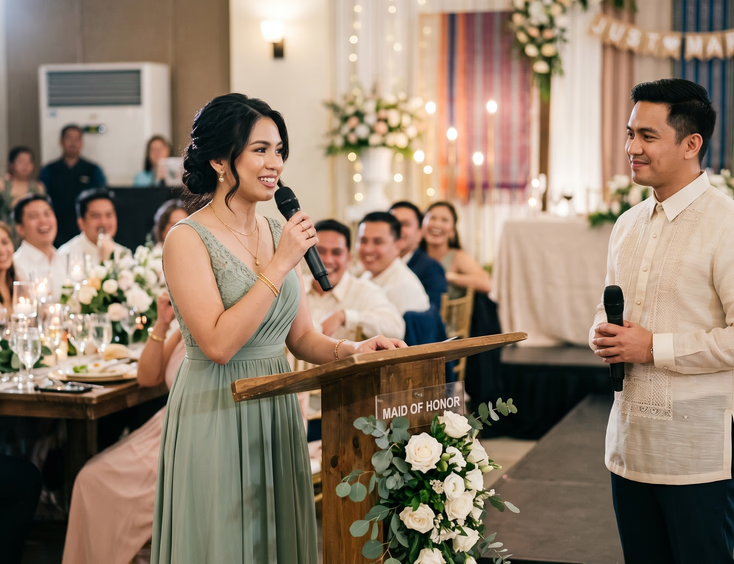
Your host sets expectations before each speaker takes the mic. A quick, gracious "Let's hear a few words from the maid of honor, who has three minutes to make us cry" signals a time limit without sounding rude. If the speaker runs long, your host steps in with a warm redirect. "We could listen to you all night, but the bride and groom have a first dance waiting."
This takes confidence and tact. A timid host lets every speaker run. A rude host embarrasses your guests. The right emcee lands in between.
Keeping Energy Up During Transitions
Dead air kills a reception. The gap between the cake cutting and the next game feels like ten minutes when nobody is talking. Guests pull out their phones. Conversations get loud. Reeling the room back takes twice the effort.
Your host fills transitions with purpose. They tease the next segment. They invite guests to the photobooth. They cue the DJ for background music that matches the mood shift. Every gap has a plan, even if the plan is a 30-second breather that feels intentional rather than accidental.
The Money Dance and Open Forum
Two segments unique to Filipino receptions eat the most time: the money dance and the open forum.
The money dance involves guests lining up to pin cash on the couple or drop envelopes into a box while dancing with the bride or groom. With 200 guests, this takes 30 to 45 minutes. Your host manages the line, keeps the energy fun, and signals the DJ to rotate tracks so the segment does not feel repetitive.
The open forum invites guests to share messages on the mic. This segment has no natural endpoint. Your host sets a limit (five speakers or ten minutes, whichever comes first) and sticks to it. Without that boundary, open forum swallows the rest of your program.
What Happens When the Program Falls Behind
Even with a great host, programs fall behind. A 15-minute delay is common. Thirty minutes is recoverable. Beyond that, you start losing segments.
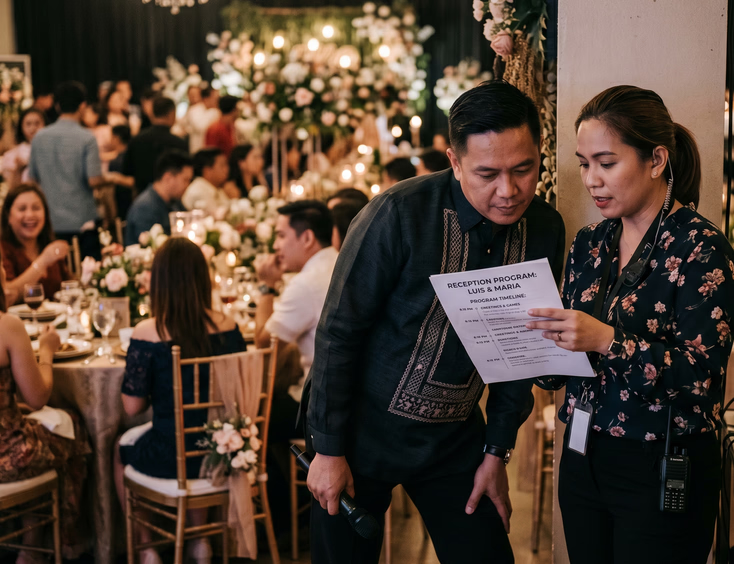
Your host makes those cuts in real time. They consult your coordinator, identify which segments you can shorten or drop, and keep the reception moving without announcing the change to your guests. You never want your emcee to say "we're running behind" into the mic. A professional host adjusts the program so your guests never realize anything shifted.
Choosing a Host Who Can Handle the Pace
Timing is a skill you evaluate before you book. Ask candidates how they handle a program that falls 20 minutes behind. Watch their demo reels for pacing, not just humor. Check whether they coordinate with other vendors or operate solo at the mic.
If you need help finding experienced wedding emcees who specialize in Filipino receptions, explore our directory of wedding hosts and emcees to compare profiles, watch sample videos, and send direct inquiries.
Your host is the only vendor who touches every segment of your reception. The complete guide to hiring a wedding host in the Philippines walks you through the full process, from budgeting and style matching to preparation and red flags.
Before you book anyone, spend time communicating your vision to your wedding host so they walk into your reception with a clear picture of the night you want. That conversation, more than anything, determines whether your program runs on time or falls apart by the second hour.
Still Searching for a Right Match?
Find Your Perfect Wedding Supplier Today!
Discover trusted wedding suppliers across the Philippines in our complete directory. Compare services and connect with the ones that fit your dream celebration.
Browse Wedding SuppliersFeatured Blog Posts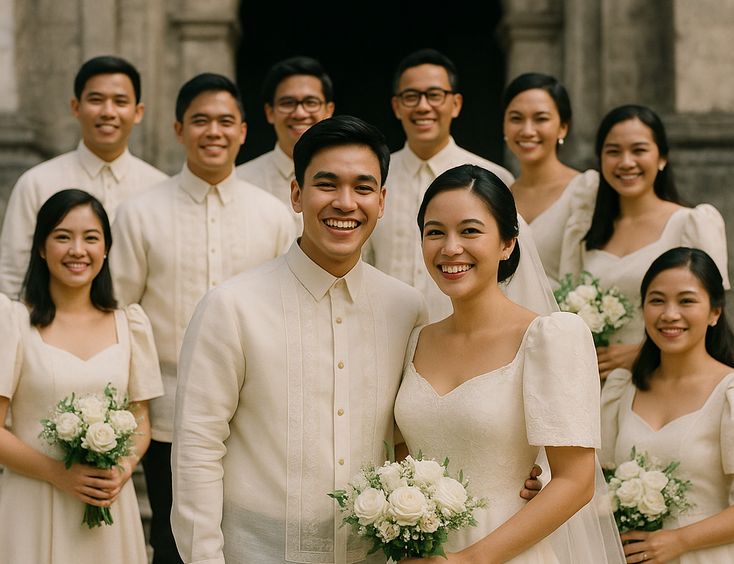

Filipino Wedding Entourage - Roles, Order of March, and Modern Etiquette
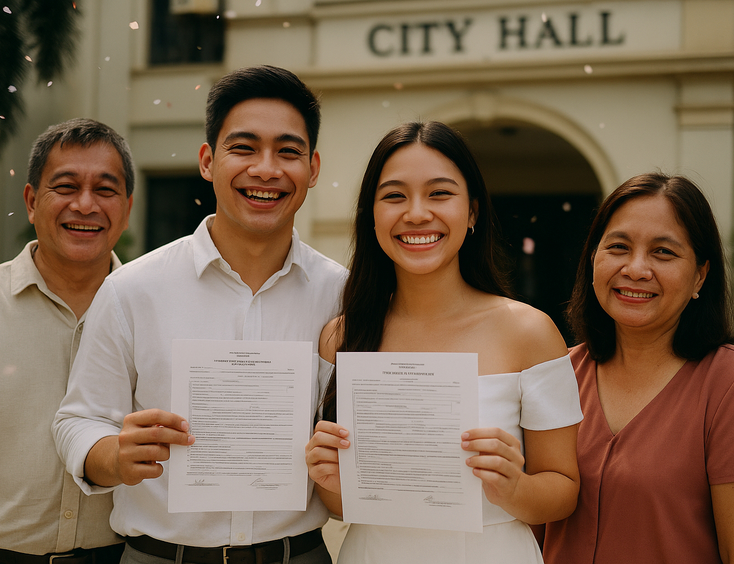
6 mins readCivil Weddings in the Philippines - Requirements, Costs, and Step-by-Step Process
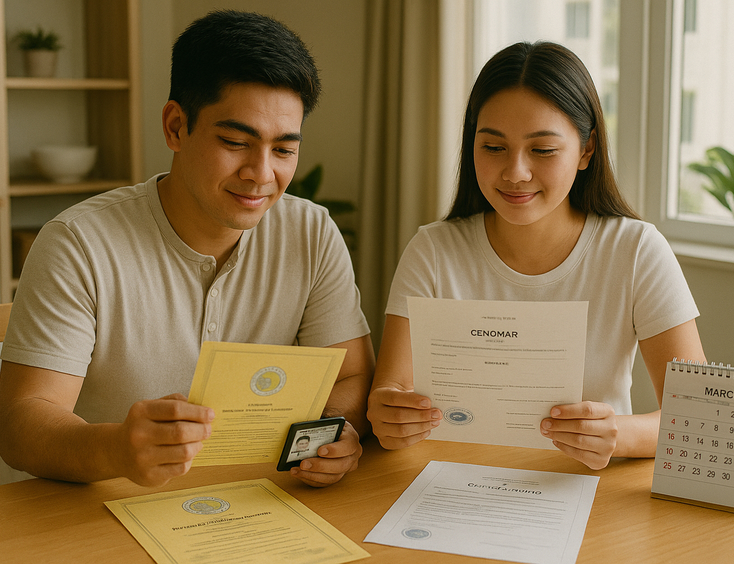
9 mins readCivil Wedding Requirements in the Philippines - Complete Checklist
6 mins readCost of Wedding in the Philippines - 5 Essential Things You Need to Know
7 mins readPrincipal Sponsors (Ninong/Ninang) - How Many, How to Ask, What They Really Do
4 mins readVeil, Cord, Candle & Coins - Roles, Options, and When They Happen
4 mins readEntourage for a Traditional Pinoy Wedding - Complete Roles and Guide
6 mins readComplete List of Civil Wedding Requirements in the Philippines
8 mins readHow to Choose Wedding Ninongs and Ninangs - Ask Yourself These 3 Important Questions
5 mins read