


How to Communicate Your Vision to Your Wedding Host Before the Big Day

Your wedding host builds the reception experience around the details you give them. Vague instructions produce generic results. A host who walks into your wedding with a clear picture of your expectations, your crowd, and your program sequence delivers a reception that feels like yours.
Couples who skip this step end up with a host performing their default routine. That routine worked for someone else's wedding. It may not work for yours.
Start With the Mood, Not the Script
Before you list program segments and time slots, describe the feeling you want your reception to carry. Give your host language they can anchor to.
Say "we want the reception to feel like a warm family dinner with some laughter" instead of "we want it fun but not too fun." Say "our guests are reserved and we need someone who draws them out gently" instead of "just read the room."
Your host translates mood direction into mic tone, pacing, and crowd interaction. The clearer your description, the fewer guesses they make on your wedding day. One detailed paragraph about your desired atmosphere saves you from a dozen corrections during the reception.
Build a Reference File Your Host Can Study
Words help. Visual and audio references help more. Put together a shared folder with materials your host can review in the weeks before the wedding.
Include these:
- Two or three video clips of wedding receptions with the tone you want. Timestamp the moments that match your vision.
- A playlist or genre reference that reflects the energy level you're aiming for during key segments.
- Photos of your venue, table layout, and stage or hosting area so your host can picture the physical space.
- A list of moments you care about most. First dance, parent speeches, bouquet toss, or a surprise performance. Flag what matters and what you're flexible on.
Your host reviews this file and comes back with questions. That exchange narrows the gap between what you imagine and what they deliver.

Share Your Guest Profile Early
Your host adjusts their approach based on who sits in front of them. A room of young professionals from Makati responds to different humor and pacing than a multigenerational family gathering with lolas, titos, and toddlers.
Send your host a brief guest profile that covers:
- Approximate age range and mix
- Dominant language (Tagalog, English, Bisaya, or a blend)
- Cultural or religious sensitivities to respect
- VIPs or guests with special roles during the program
- Groups that don't know each other and may need the host to bridge the gap
Knowing what information to give your wedding host ahead of the reception helps you organize this profile without missing key details. Send it at least three weeks before the wedding so your host has time to prepare.
Walk Through the Program Together
A printed program sequence tells your host what happens. A walkthrough tells them how you want it to happen.
Schedule a call or in-person meeting to go through the reception segment by segment. Cover these points for each one:
- Transition cues. Who signals the host to move to the next segment?
- Energy level. Does this moment build excitement or settle the room?
- Specific lines or announcements you want delivered word for word.
- Segments where the host improvises versus segments where they stick to the script.
Record the walkthrough or send a follow-up summary over email. Your host refers back to those notes during their final preparation. Verbal agreements made during a single phone call fade from memory. Written confirmation holds.

Tell Your Host What You Don't Want
Positive direction matters. So does knowing the boundaries. Couples often forget to mention the things that would embarrass them or make their guests uncomfortable.
Be direct about:
- Jokes or topics that are off limits
- Games or audience participation segments you find cringy
- Relatives who should not be called to the mic under any circumstances
- Levels of crowd interaction you consider too aggressive
Your host appreciates this list more than you think. It protects them from guessing wrong in front of your family. Choosing between a funny or formal hosting style becomes easier when you define the lines your host should not cross.
Give Feedback After the Rehearsal or Final Meeting
Your last coordination meeting before the wedding is the final chance to adjust. Treat it as a feedback session, not a formality.
If your host runs through their planned delivery and something feels off, say it. "That opening line feels too corporate for our reception" is useful feedback. "It's fine, I guess" is not. Your host would rather revise now than misfire on the day.
Bring your wedding coordinator into this meeting. Your host and coordinator need to agree on timing, cues, and backup plans. Alignment between them prevents the awkward mid-reception sidebar where two people figure out who calls the next segment.
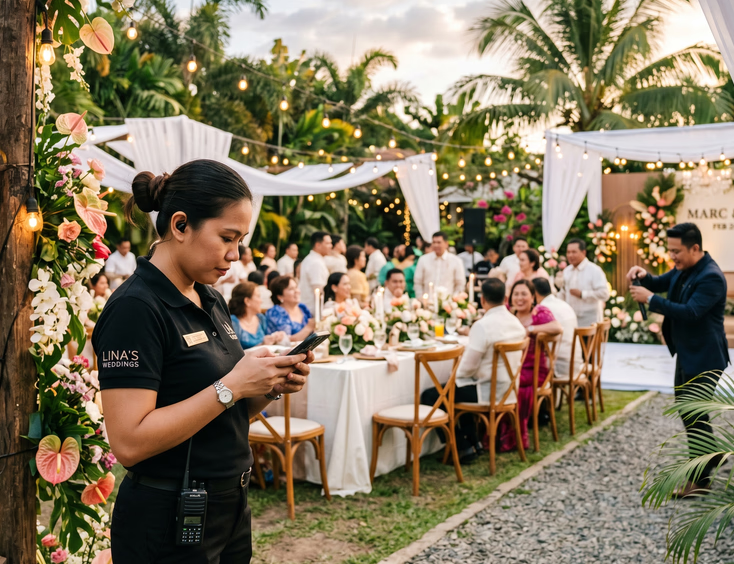
Keep a Communication Channel Open on Wedding Day
Plans shift on the day. A delayed ceremony pushes the reception start. A surprise guest arrives. The caterer needs ten more minutes before dinner service.
Designate one person as your host's point of contact during the wedding. Your coordinator fills this role best. You and your partner should not be fielding logistics questions between the ceremony and the first dance.
Set up a group chat with your host, coordinator, and DJ the morning of the wedding. Short updates in that thread keep everyone aligned without pulling you away from your guests.
Planning host coordination for an intimate wedding covers additional communication strategies that work well for smaller guest counts where every hosting decision lands with more impact.
Start With Hosts Who Value Preparation
Some hosts treat pre-wedding coordination as optional. Others build it into their process with structured questionnaires, planning calls, and venue visits. Hire the second type.
Browse professional wedding hosts and emcees in the Philippines to find hosts who include planning sessions in their packages. Read reviews from past couples that mention preparation quality, not just day-of performance.
For a full guide on hiring a wedding host in the Philippines, start with the fundamentals so you know what to expect from the coordination process before you book.
Still Searching for a Right Match?
Find Your Perfect Wedding Supplier Today!
Discover trusted wedding suppliers across the Philippines in our complete directory. Compare services and connect with the ones that fit your dream celebration.
Browse Wedding SuppliersFeatured Blog Posts
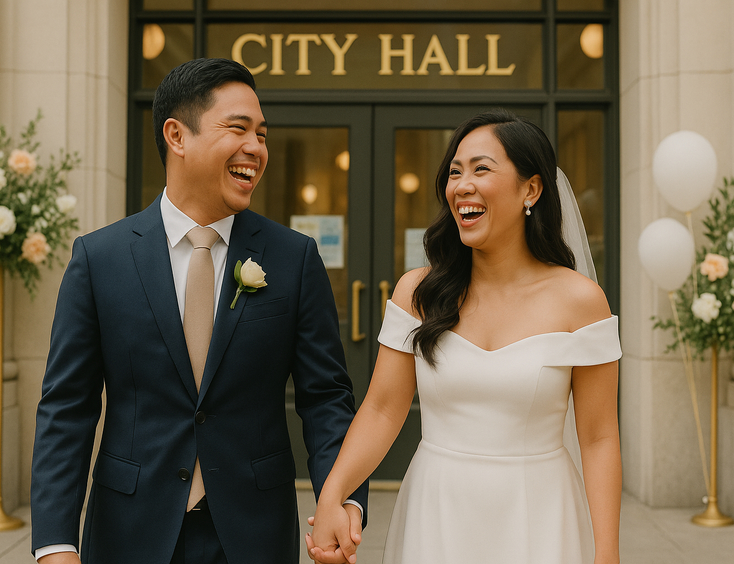
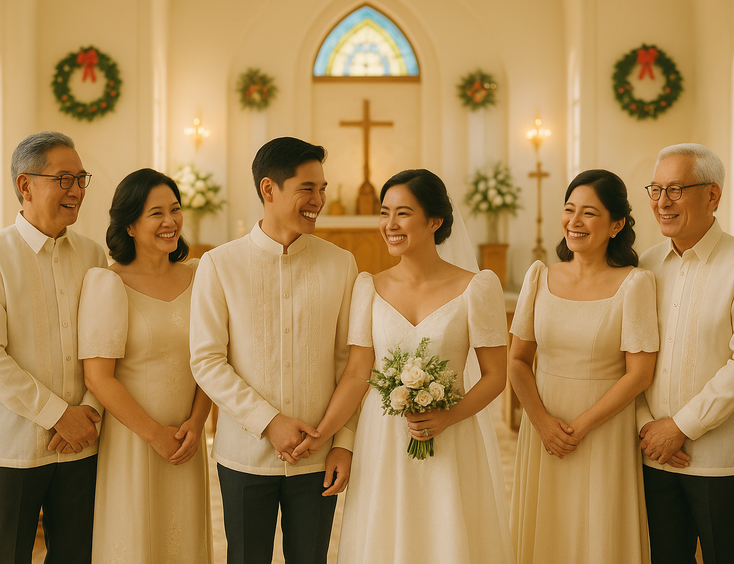

Filipino Wedding Entourage - Roles, Order of March, and Modern Etiquette
6 mins readCivil Weddings in the Philippines - Requirements, Costs, and Step-by-Step Process
9 mins readCivil Wedding Requirements in the Philippines - Complete Checklist
6 mins readCost of Wedding in the Philippines - 5 Essential Things You Need to Know
7 mins readPrincipal Sponsors (Ninong/Ninang) - How Many, How to Ask, What They Really Do
4 mins readVeil, Cord, Candle & Coins - Roles, Options, and When They Happen
4 mins readEntourage for a Traditional Pinoy Wedding - Complete Roles and Guide
6 mins readComplete List of Civil Wedding Requirements in the Philippines
8 mins readHow to Choose Wedding Ninongs and Ninangs - Ask Yourself These 3 Important Questions
5 mins read