


Do You Need Ninongs and Ninangs for a Vow Renewal? Sponsor Etiquette Explained
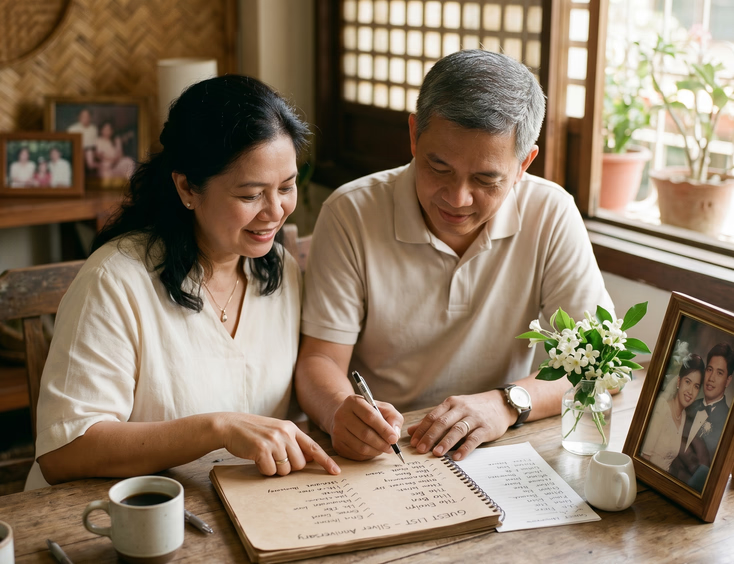
The invitation list is almost done. Then someone in the family asks the question: who are the ninongs and ninangs?
You pause. Do you even need them? You already had them at your wedding. Some have passed away. Some you've drifted from. Some you've grown closer to over the years. The rules for a first wedding feel clear. The rules for a vow renewal feel less so.
This guide walks you through what Filipino tradition actually expects, what most couples do in practice, and how to decide what fits your celebration.
The Short Answer
You do not need ninongs and ninangs for a vow renewal.
A vow renewal is not a sacrament. It does not create a new marriage. It does not require principal sponsors the way a Catholic wedding does. No priest will ask you to produce a list. No registrar will check your paperwork.
That said, many Filipino couples invite sponsors anyway. The role shifts from religious witness to honored guest, and the meaning shifts with it.
What Ninongs and Ninangs Mean at a First Wedding
To understand the role at a vow renewal, look at where the tradition comes from.
At a Catholic wedding, principal sponsors serve as witnesses to the marriage. They sign the marriage contract. The Church treats them as spiritual godparents to the new union, responsible for offering counsel and support through the marriage. Filipino tradition layers cultural weight on top of the religious role. Ninongs and ninangs often help fund the wedding, give significant gifts, and stay involved in the couple's life for years afterward.
The role carries real responsibility. That is why families argue over the list and why couples agonize over who to ask.
A vow renewal carries none of that legal or sacramental weight. You are already married. The witnesses to your union signed your contract decades ago. Nothing about a renewal changes your civil or religious status.
So if you invite sponsors to your vow renewal, you are doing it for cultural and personal reasons, not because the ceremony requires it.
Why Couples Still Invite Them
Three reasons come up again and again.
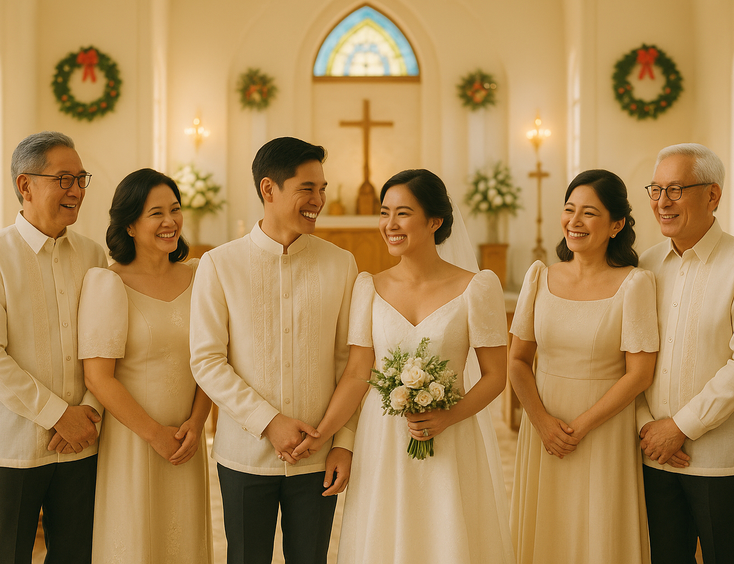
To honor the original sponsors. If your wedding ninongs and ninangs are still living and still close to you, inviting them to your renewal acknowledges decades of friendship and counsel. You are saying their role in your marriage mattered.
To recognize new mentors. Marriages collect new people. The couple who counseled you through a hard year. The friends who stood by your family during illness or loss. The relatives who became close after your wedding. Naming them as ninongs and ninangs at your renewal honors what they have meant in the years since.
To involve the next generation. Adult children, siblings, nieces, and nephews can serve as sponsors at a vow renewal. The role becomes a way to mark their presence in your marriage and your family.
If none of these reasons apply to your situation, skip the sponsors. The ceremony does not need them.
What Sponsors Do at a Vow Renewal
The duties scale down from a first wedding.
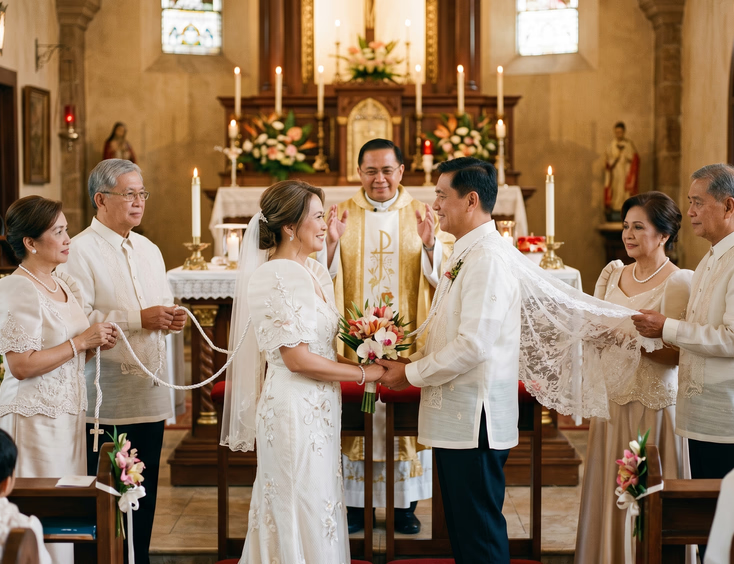
At a Catholic renewal blessing, principal sponsors can witness the renewal but do not sign anything legally binding. The priest may invite them to stand near the altar or to participate in symbolic ways during the ceremony.
At a non-religious renewal, sponsors typically serve as honored guests. They may be seated in reserved rows, named in the program, recognized during the speeches, or given a small role like reading a blessing.
Secondary sponsors at a first wedding handle the cord, veil, and coins. At a vow renewal, you can keep this tradition, drop it, or hand the roles to your children, grandchildren, or close family members instead. Many Filipino couples find that watching their adult children place the cord over their shoulders carries more weight at a 25th or 30th anniversary than watching family friends do it.
For more on how to weave these elements into your ceremony, see our guide on how to incorporate the cord, veil, and coins into your vow renewal.
How Many Sponsors Should You Have
There is no fixed number for a vow renewal. Common approaches:
None. A clean, simple celebration with no formal sponsor list. The guest list speaks for itself.
One or two couples. Your closest friends or the original sponsors who remain central in your life. A small, meaningful list.
Four to six couples. A middle path that honors a wider circle without turning the program into a procession.
The full original list. Some Filipino couples invite all their original ninongs and ninangs as a gesture of continuity. This works best when the original list was small and the relationships have stayed strong.
A first wedding sometimes ends up with 12 or more principal sponsor couples because of family obligation. A vow renewal lets you trim ruthlessly. Pick only the people whose presence will genuinely move you.
Who to Choose
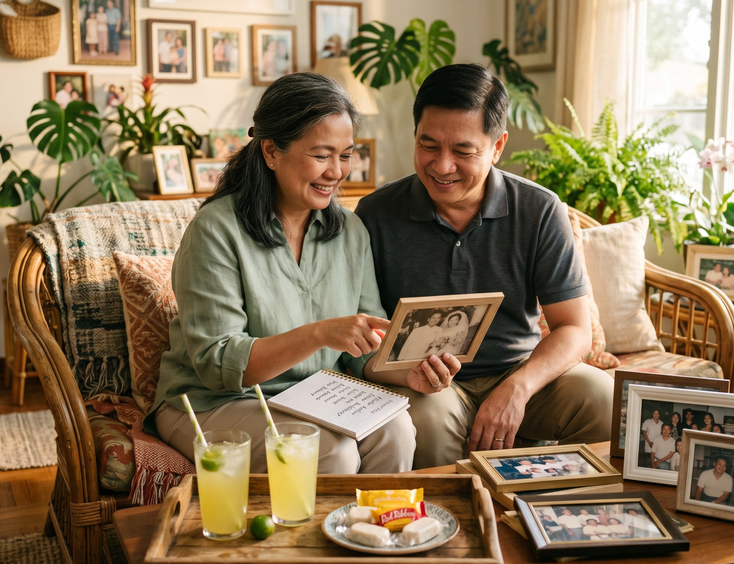
Your renewal sponsors do not have to be the same people who stood up at your wedding. You have decades of new relationships to draw from. Some honest filters:
People who walked with you through hard seasons. The friend who showed up when a parent died. The couple who counseled you through a rough patch in the marriage. The relative who stayed close when others drifted.
People your children love. If your kids will be at the ceremony and your sponsors will be lifelong figures in their lives too, pick people the next generation already knows and trusts.
People who can actually come. A sponsor who lives abroad and can only attend via video call is a sweet gesture but not a real presence. Local sponsors who will show up matter more than distant ones who carry weight on paper.
People you want to thank out loud. A vow renewal is one of the few times you get to publicly honor someone's role in your life. Use the moment.
Avoid asking people out of obligation, social pressure, or because their feelings will be hurt if you don't. The list should reflect your marriage, not your in-law's expectations.
How to Invite Them
Sponsor invitations carry weight in Filipino culture. Send them personally, not as part of the general guest mailout.
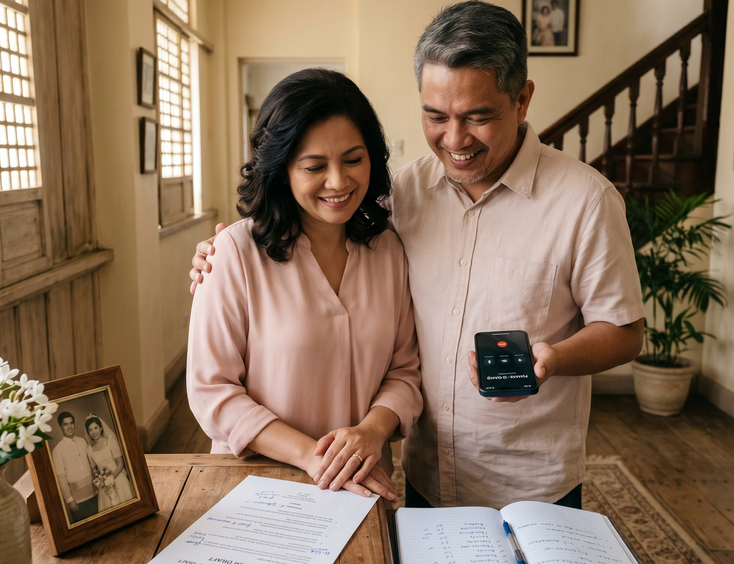
A direct phone call from one of you is the warmest approach. Explain that you are renewing your vows and that you would be honored to have them stand with you as a ninong or ninang. Give them room to accept or decline gracefully. Some may have health issues or financial constraints that make formal sponsorship feel like pressure. Make it easy for them to say no without losing face.
Once they accept, follow up with a written invitation that names them as a sponsor and includes the dress code, ceremony details, and any role you would like them to play.
Avoid the impersonal route of putting their names on the invitation before they have agreed in person. That is for the original wedding, not for a celebration of years already lived.
Common Etiquette Questions
A few situations come up often.
Should we replace deceased ninongs and ninangs? Only if there is someone whose presence you genuinely want at the renewal. Otherwise leave the spot empty in tribute. Many couples include a brief moment in the program to honor the original sponsors who have passed.
Can we invite ninongs and ninangs we have drifted from? Yes, if you want to. A vow renewal can be a way to reconnect. But do not invite anyone purely out of guilt. The day belongs to the people who are still close.
Are gifts expected from renewal sponsors? No. Filipino sponsors at a first wedding often give significant gifts or financial help. At a vow renewal, treat sponsors as honored guests, not as financial contributors. If anything, send the message clearly that their presence is the gift. For more on the broader question of gifts at a renewal, see our guide on vow renewal gift etiquette in Filipino culture.
Can the same person be a sponsor at the wedding and the renewal? Yes. Many couples specifically invite back the people who stood with them the first time, when those relationships are still strong.
What do they wear? Match them to the formality of your event. For a grand celebration, sponsors often wear the same color palette to coordinate. For an intimate renewal, simpler attire that matches the dress code is enough.
When Skipping Sponsors Makes Sense
Some celebrations work better without a formal sponsor list.
Backyard renewals with only immediate family. Surprise vow renewals where the spotlight stays on the couple. Destination renewals with a small travel party. Renewals where the original sponsors have all passed and naming new ones feels forced.
If the role does not add meaning, leave it out. A clean program with no sponsor procession can feel more intimate, not less ceremonial.
The Question Behind the Question
When Filipino couples ask whether they need ninongs and ninangs, they are often asking something deeper: who has earned a place of honor in our marriage? Whose name belongs on the program? Whose hand should we hold up in front of our families and say, this person helped us get here?
That is the right question. The answer points you to the people you want at the altar, the table, and the microphone. Whether you call them ninongs and ninangs or simply your closest family and friends, the meaning is the same.
For more on planning the rest of the ceremony, see our vow renewal planning checklist for Filipino couples. For the full picture of everything that goes into a vow renewal in the Philippines, our pillar guide on wedding vow renewals in the Philippines covers it from start to finish.
Pick the people you want beside you. Skip the ones you feel obliged to include. That is the only etiquette rule that matters.
Still Searching for a Right Match?
Find Your Perfect Wedding Supplier Today!
Discover trusted wedding suppliers across the Philippines in our complete directory. Compare services and connect with the ones that fit your dream celebration.
Browse Wedding SuppliersFeatured Blog Posts

Filipino Wedding Entourage - Roles, Order of March, and Modern Etiquette
6 mins readCivil Weddings in the Philippines - Requirements, Costs, and Step-by-Step Process
9 mins readCivil Wedding Requirements in the Philippines - Complete Checklist
6 mins readCost of Wedding in the Philippines - 5 Essential Things You Need to Know
7 mins readPrincipal Sponsors (Ninong/Ninang) - How Many, How to Ask, What They Really Do
4 mins readVeil, Cord, Candle & Coins - Roles, Options, and When They Happen
4 mins readEntourage for a Traditional Pinoy Wedding - Complete Roles and Guide
6 mins readComplete List of Civil Wedding Requirements in the Philippines
8 mins readHow to Choose Wedding Ninongs and Ninangs - Ask Yourself These 3 Important Questions
5 mins read