

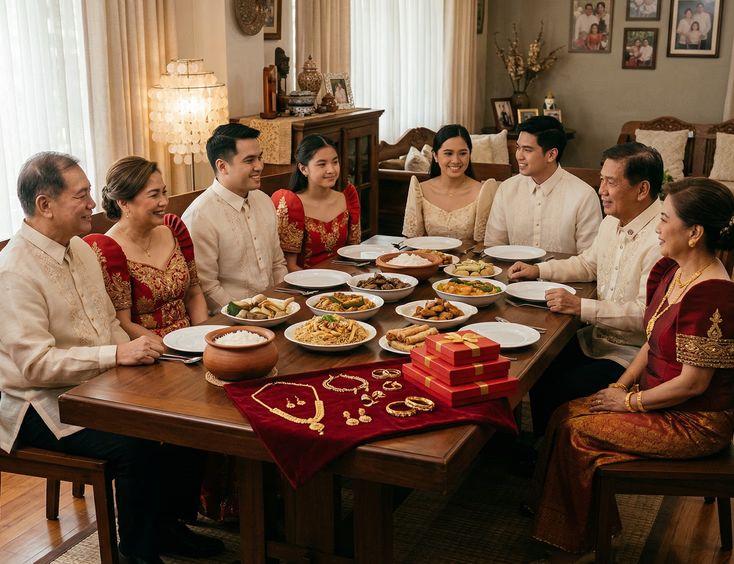
Catholic and Born Again Christian Wedding in the Philippines: Navigating Differences in Faith
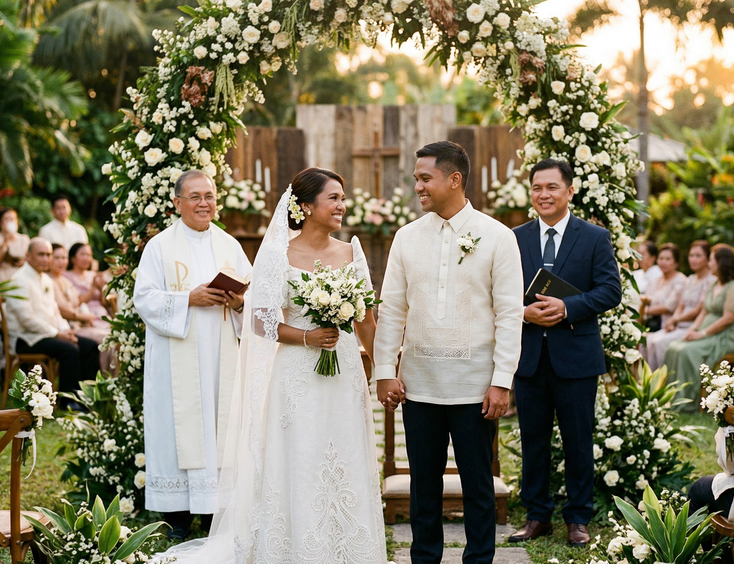
A Catholic and Born Again Christian couple in the Philippines sits in a unique position among interfaith pairings. The gap between the two faiths is real but narrower than it appears from the outside. Both partners are baptized Christians. Both read from the same Bible. Both believe in Jesus Christ. The differences live in theology, church authority, worship culture, and the expectations of two very different religious communities. Understanding those differences specifically, not in general terms, is how couples plan a wedding that neither partner feels they compromised.
The Religious Landscape You Are Working With
The Born Again Christian movement in the Philippines is not a single denomination. It includes Victory Church, Jesus Is Lord Church, Couples for Christ and its affiliated communities, the Jesus Miracle Crusade, Word of Hope, and dozens of independent evangelical and charismatic congregations that operate across Metro Manila, Cebu, Davao, and provincial cities throughout the country.
Each congregation has its own pastoral culture. Some are theologically conservative and discourage members from participating in Catholic ceremonies. Some are open and actively support interfaith families. Some pastors will co-officiate with a Catholic priest. Others will not share an altar with one. Knowing which type of Born Again community your partner belongs to is the first piece of practical information you need.
The Catholic Church, for its part, has a defined canonical process for this exact situation. A marriage between a Catholic and a baptized non-Catholic Christian is called a mixed religion marriage under Canon Law. The process is more straightforward than the disparity of cult process that applies to a Catholic marrying a Muslim or an unbaptized person. Both partners being baptized Christians reduces the canonical complexity, though it does not remove the requirements entirely.
For the full legal and canonical framework that governs interfaith marriages in the Philippines, read the complete guide to interfaith marriage in the Philippines.
What the Catholic Church Requires
The Mixed Religion Classification
The Catholic Church classifies your union as a mixed religion marriage because both partners are baptized. This is a lighter category than disparity of cult, which involves an unbaptized partner. The dispensation you need is called a dispensation from mixed religion, and your parish priest processes this through the diocese.
The dispensation is not automatic, but it is granted regularly. The Catholic Church in the Philippines handles mixed religion marriages between Catholics and Born Again Christians with some frequency, particularly in urban dioceses where the Born Again population is large.
What the Catholic Partner Promises
The Catholic partner must promise two things before the diocese issues the dispensation. First, they promise to remain in the Catholic faith. Second, they promise to do everything in their power to raise the children Catholic. The Born Again partner does not make this promise but must be told about it and confirm they are aware of it.
This promise often becomes the sharpest point of tension in Catholic and Born Again couples, not because the Catholic partner objects to it, but because the Born Again partner may have equivalent expectations from their own community about raising children in their faith. Address this directly before the dispensation application is submitted. Do not make a promise to the Church and a conflicting arrangement with your partner.
Pre-Cana and the Canonical Interview
Both partners must attend the canonical interview with the parish priest. The priest will ask about your understanding of marriage, your plan for religious practice after the wedding, and how you intend to raise children. Answer honestly. A priest who discovers mid-interview that the Born Again partner has not been told about the Catholic promise to raise children will pause the process.
The Catholic partner must also complete the Pre-Cana or Marriage Preparation Seminar required by their diocese. Requirements vary. The Archdiocese of Manila runs its own program. Provincial dioceses may require different formats or additional sessions. Confirm with your parish what the full requirement list looks like and build the timeline around it.
Processing the dispensation from the parish through the diocese takes two to four months in most cases. Begin this process at least six months before your wedding date.
Dispensation From Canonical Form
If the wedding will not take place in a Catholic church or will not be officiated by a Catholic priest, the Catholic partner needs an additional dispensation from canonical form. This applies to weddings held at garden venues, hotel ballrooms, Born Again church buildings, or any non-Catholic setting.
Both dispensations can be applied for at the same time. If your wedding plan involves a joint ceremony outside a church, tell the parish priest from the start so both dispensation applications move through the diocese simultaneously.
What the Born Again Partner's Church Requires
No Single Standard Applies
Unlike the Catholic Church, the Born Again Christian community in the Philippines has no central authority setting rules for interfaith marriages. The decision rests entirely with the individual congregation and the pastor.
Some Victory Church campuses, for example, require their members to complete a pre-marital counseling program with the church before a pastor will officiate or bless the wedding. Some Jesus Is Lord Church communities ask that the non-member partner attend a series of sessions before the wedding. Independent charismatic congregations may have no formal process at all.
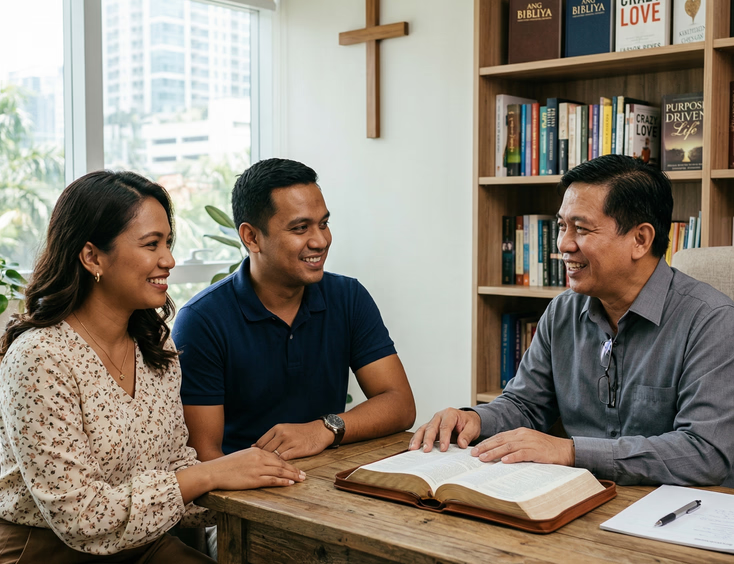
The Born Again partner needs to speak with their pastor early, not to seek permission, but to understand what the church requires and whether the pastor will participate in the ceremony at all.
When the Pastor Will Not Co-Officiate
A Born Again pastor who declines to co-officiate with a Catholic priest is not necessarily hostile to the marriage. Some pastors draw a theological line at sharing a platform with another religious tradition's clergy. Some are open to attending the ceremony as a guest and offering a private blessing to the couple afterward. Some will officiate a separate celebration for the Born Again community.
If the pastor declines to participate in a joint ceremony, that position is final. Do not attempt to negotiate or pressure the pastor. Work with what the pastor offers and design the ceremony around it. A separate Born Again celebration or a blessed gathering with the congregation carries genuine meaning even without the formal co-officiation.
Pre-Marital Counseling at the Born Again Church
Many Born Again congregations require pre-marital counseling for members getting married. This is separate from the Catholic Pre-Cana process and runs on the church's own schedule. Some programs last four to six sessions. Others are weekend retreats. Factor this into your planning timeline alongside the Catholic requirements.
If both the parish and the Born Again church require pre-marital counseling programs, you may be completing both programs simultaneously. Confirm the schedules early so neither program's timeline delays the dispensation application or the wedding date.
Civil Marriage: The Legal Foundation
Under the Family Code of the Philippines, both partners must secure a marriage license from the Local Civil Registrar of the city or municipality where either partner has lived for at least six months. Both a Catholic ceremony officiated by a registered priest and a Born Again ceremony officiated by a registered pastor count as legally valid marriages, provided the solemnizing officer is registered with the Office of the Civil Registrar General.
If you plan a joint ceremony co-officiated by a priest and a pastor, confirm that both officiants are registered solemnizing officers and that the marriage certificate clearly identifies the primary solemnizing officer responsible for filing the document with the Local Civil Registrar within 15 days of the ceremony.
Some Catholic-Born Again couples prefer to marry civilly before a judge first, particularly if the dispensation timeline is running close to the wedding date, and hold the religious ceremony separately once all the paperwork is in order. This is a practical and legally sound option that removes the pressure of coordinating two church processes against a fixed wedding date.
Designing the Wedding Ceremony
A Joint Ceremony With Both Leaders
A joint ceremony works when both the Catholic priest and the Born Again pastor agree to participate and when the ceremony is structured so both traditions receive genuine, equal treatment rather than one faith providing the framework and the other supplying a token element.
A workable structure begins with an opening prayer offered by one of the officiants. The Catholic priest presides over the rite of marriage, including the exchange of vows and rings. The Born Again pastor delivers the message or homily, drawing from scripture both communities share. The Catholic rituals, the arras, veil, and cord, follow. The Born Again pastor leads a closing prayer or blessing. Both officiants sign the marriage certificate.
This structure requires coordination in advance. Give both officiants a copy of the full program before the rehearsal. A priest who arrives at the ceremony not knowing when to expect the Born Again pastor to speak, or a pastor who does not know what the arras ritual involves, creates awkward pauses the couple should not have to manage on the wedding day.
A Catholic Ceremony With a Born Again Blessing
Some couples hold a full Catholic ceremony with the dispensation in place and invite the Born Again pastor to offer a blessing or scripture reading as a participant rather than a co-officiant. The Catholic Mass or Rite of Marriage proceeds in full. The pastor speaks at a designated point in the program, typically after the exchange of vows or before the final blessing.
This format keeps the Catholic ceremony structurally intact and gives the Born Again community a meaningful presence without requiring the pastor to co-officiate at a Catholic Mass, which some pastors are theologically unwilling to do.
A Born Again Ceremony With a Civil Registration
If the Catholic partner receives the dispensation from canonical form, the couple can hold the primary ceremony in a Born Again church or a neutral venue with the Born Again pastor officiating. The Catholic priest may offer a blessing, attend as a guest, or be invited to participate in a way that the individual priest finds appropriate.
The legal marriage is established through the pastor's officiating, provided the pastor is a registered solemnizing officer. The dispensation from canonical form ensures the Catholic Church recognizes the marriage as valid.
Two Separate Celebrations
A civil ceremony establishes the legal marriage. The Catholic partner's family celebrates with a Catholic blessing or Mass. The Born Again partner's congregation celebrates with a church service or prayer gathering. The couple attends both.
This format requires more events but removes the pressure of designing a single ceremony that satisfies both religious communities simultaneously. Couples who find joint ceremony coordination too complex, or whose pastors and priests cannot agree on a shared format, often find this structure more peaceful.
The Traditional Filipino Catholic Wedding Rituals
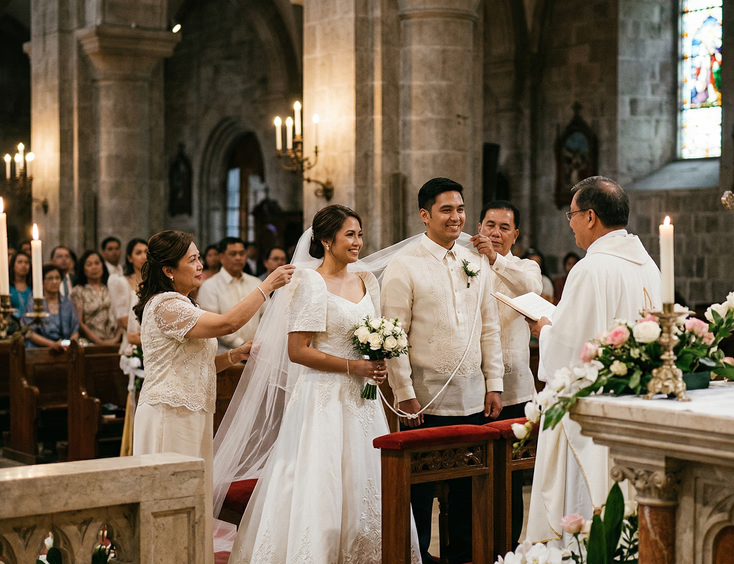
The arras, veil, and cord are the three distinctive rituals of a Filipino Catholic wedding ceremony. Each one has a specific meaning.
The arras is a set of 13 gold coins the groom presents to the bride as a symbol of his commitment to care for the household. The priest blesses the coins before the exchange. The veil, placed over the bride's head and the groom's shoulder by the secondary sponsors, symbolizes the couple's unity. The cord or yugal, draped in a figure eight over both partners, represents their bond as a married couple.
These rituals are part of the Catholic Rite of Marriage in the Philippines and carry Spanish colonial and Filipino cultural roots. In a joint ceremony, the Born Again partner participates in these rituals as an expression of shared life, not as a profession of Catholic doctrine. No declaration of faith is required from the Born Again partner to receive the arras, the veil, or the cord.
If your ceremony program includes these rituals, include a brief explanation in the printed program so Born Again guests understand what they are witnessing.
Filipino Family Dynamics in This Pairing
Where the Catholic Family's Concern Comes From
Filipino Catholic families carry generational investment in the faith. A Catholic family that has attended Sunday Mass together for three decades, holds fiesta celebrations to patron saints, and marks every life event with a sacrament experiences their child's marriage to a Born Again Christian as a rupture in that continuity.
Their concern is not abstract. They worry about where the grandchildren will be baptized. They worry about whether their child will continue going to Mass. They worry about whether they will be able to share religious life with their child's new family.
Address these concerns with specific answers, not general reassurances. Tell them whether you plan to continue attending Mass. Tell them what you and your partner have agreed about the children's religious upbringing. Concrete answers reduce fear more than warmth alone.
Where the Born Again Family's Concern Comes From
Born Again Christian families in the Philippines often carry a specific concern about Catholic practices they view as unbiblical. The veneration of saints, the use of religious images, and the authority of the priesthood are points of theological disagreement between the two traditions that some Born Again families feel strongly about.
The Born Again partner's family may worry that their child will drift from their faith community, stop attending church services, or be pulled back into Catholic practices by the Catholic spouse's family.
Meet this concern with the same specificity. Show the Born Again family that you and your partner have talked about faith practices and reached agreements you both hold. Show them the Catholic partner's openness to attending Born Again services and engaging with the community.
When Both Families Are Present at the Ceremony
Seat both families in a way that mixes, rather than divides, the two communities. A seating arrangement that puts the Catholic family entirely on one side and the Born Again family entirely on the other creates a visual statement about division that the ceremony itself is trying to overcome.
Brief both families before the wedding about any rituals that may be unfamiliar to them. A Catholic grandmother who has never attended a Born Again worship service may be startled by expressive worship music or raised hands during prayer. A Born Again uncle attending a Catholic ceremony for the first time may not know when to stand, sit, or kneel.
The ceremony program does this work if it is written clearly. A line explaining each ritual, each prayer, and each tradition's contribution to the ceremony gives every guest a way to participate with understanding.
Raising Children in a Catholic and Born Again Household
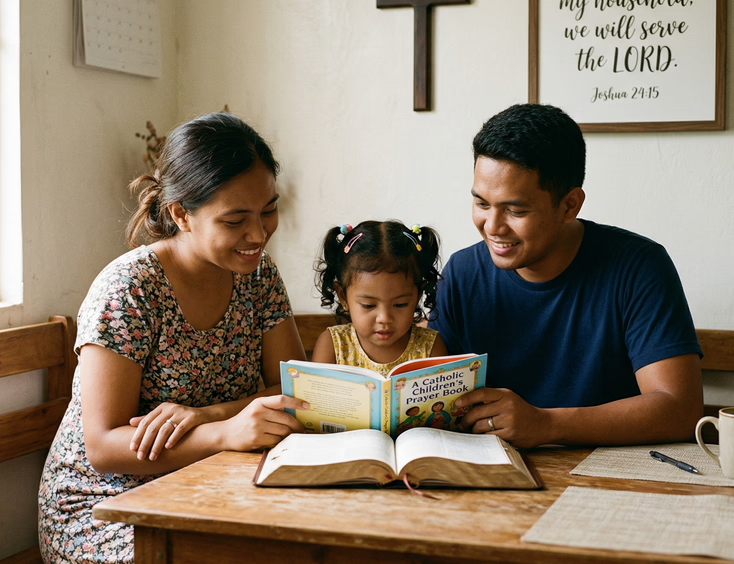
The Catholic dispensation process requires the Catholic partner to promise to raise children Catholic. The Born Again community often has an equally strong expectation that children will be raised in the faith. These two expectations sit in tension from the start.
Couples who handle this well make a specific, shared decision before the wedding and hold to it consistently. Some decide the children will be baptized Catholic and raised in the Catholic faith while also attending Born Again services occasionally. Some decide to expose children to both traditions and let them develop their own relationship with faith as they grow older. Some decide on one tradition for formal practice and the other for family gatherings.
There is no universally correct answer. The answer that works is the one both partners reach together and can maintain without resentment. Couples who avoid this conversation before the wedding because it is uncomfortable spend years navigating conflict about it afterward.
Finding the Right Officiant
The officiant you choose, or the pair of officiants you choose, carries the ceremony's tone from the opening prayer to the final blessing. A priest who has co-officiated with Born Again pastors before understands the practical and pastoral dynamics of that collaboration. A Born Again pastor with experience in interfaith ceremonies brings a different ease to the ceremony than one encountering it for the first time.
Ask both officiants directly how many Catholic and Born Again joint ceremonies they have performed and what their approach is to sharing the ceremony space with another tradition's leader. Browse wedding officiants in our directory to find priests, pastors, and civil officiants with documented interfaith ceremony experience across Metro Manila, Cebu, Davao, and beyond.
Confirm your officiants before you finalize the venue. The ceremony format you design depends on what both officiants agree to, and a venue locked in before that agreement is reached creates unnecessary complications.
Related Guides for Interfaith Couples
The decisions you face as a Catholic and Born Again couple share structure with other interfaith pairings in the Philippines. The Catholic Church's dispensation process applies across all of them, with variations based on the non-Catholic partner's baptismal status.
For couples where one partner is Muslim, the complexity increases significantly because two separate legal systems are involved. Read Catholic and Muslim weddings in the Philippines for the full breakdown of the Nikah, the dispensation process, and designing a ceremony that honors both traditions.
Protestant partners, including Methodists, Presbyterians, and members of the United Church of Christ in the Philippines, bring their own denominational considerations. Read Catholic and Protestant weddings in the Philippines for how those denominations approach joint ceremonies with Catholics.
If your partner has no religious affiliation, the dispensation process shifts to the disparity of cult category and the family dynamics take a different shape. Read non-religious partners marrying a Catholic in the Philippines for guidance on navigating both the Church requirements and the family conversations.
Still Searching for a Right Match?
Find Your Perfect Wedding Supplier Today!
Discover trusted wedding suppliers across the Philippines in our complete directory. Compare services and connect with the ones that fit your dream celebration.
Browse Wedding SuppliersFeatured Posts
Regional Wedding Customs Every Filipino Couple Should Know
23 mins readThe Complete Guide to Filipino Wedding Invitations: From Traditional Customs to Modern Trends
12 mins readThe Complete Filipino Couple's Guide to Wedding Rings & Bands in the Philippines: Traditions, Styles, Budgets & Where to Buy
22 mins read