

Why Gold Jewelry Is Central to the Tinghun Tradition and How to Choose Wisely
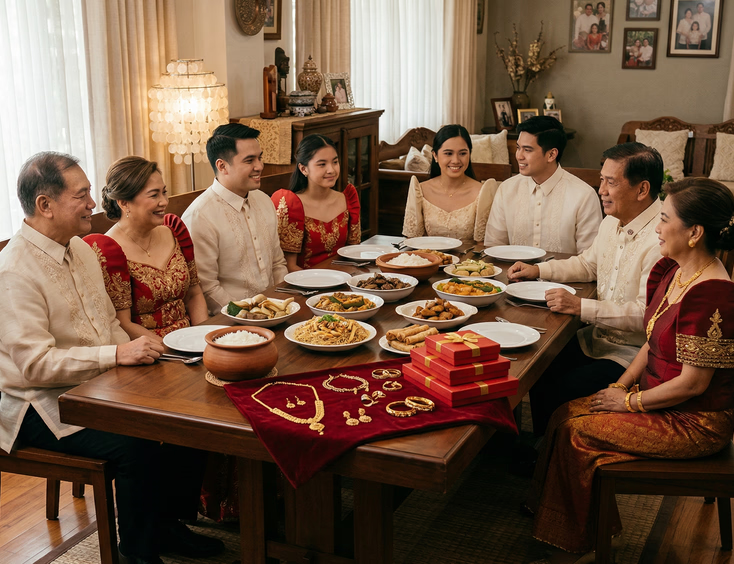
Gold in a tinghun is not decoration. It is the clearest signal one family sends to another that they are serious, prepared, and ready to take on the weight of the commitment ahead.
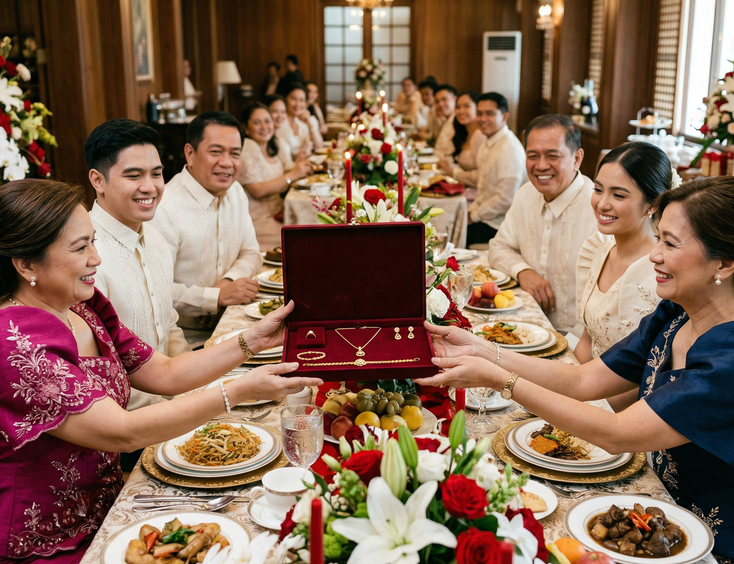
The tradition comes from Filipino-Chinese culture, where gold has carried meaning far beyond its market value for generations. Families who observed tinghun treated gold jewelry as a formal declaration. The groom's family brought it. The bride's family received it. Both sides understood what the exchange meant without anyone explaining it.
That meaning has not faded. Filipino-Chinese families across the Philippines still follow this practice, and even families without Chinese roots have adopted it because the symbolism translates across cultures. Gold says permanence. It says the groom's family chose this union with intention.
What the Gold in a Tinghun Typically Includes
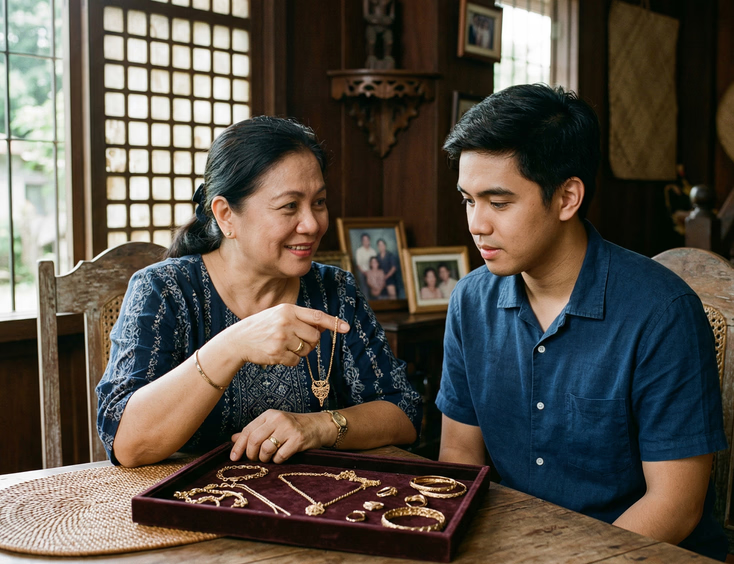
The groom's family prepares the jewelry as part of the formal gifts presented during the ceremony. The standard set includes a necklace, a pair of earrings, a bracelet, and a ring. Some families add more pieces depending on their means and their traditions. Others keep it to the core four.
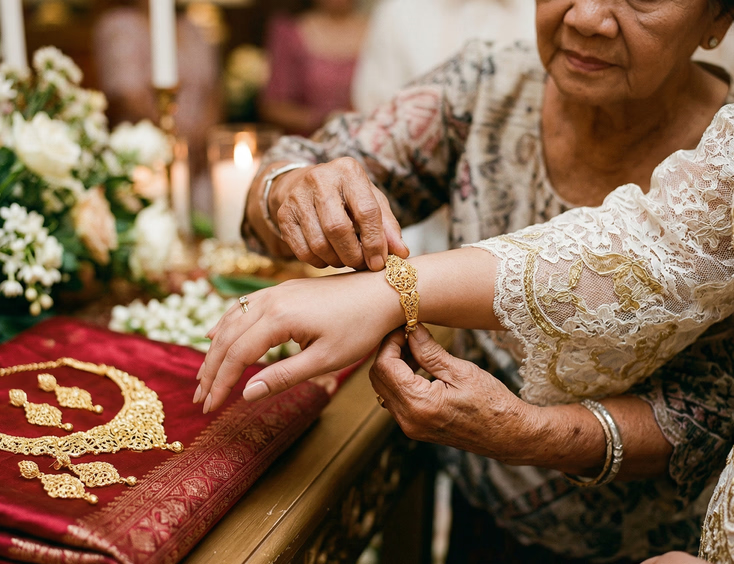
The ring matters most. In many Filipino-Chinese families, the tinghun ring functions as the formal engagement ring. The groom places it on the bride's finger during the ceremony, in front of both families. This moment carries the same weight as a Western proposal, except it happens with everyone present and with the full blessing of both households already in the room.
Each piece is typically 18-karat or 24-karat gold. Families who follow the tradition strictly lean toward 24-karat because it reads as purer and more auspicious. Younger couples today often choose 18-karat because it holds its shape better in jewelry and allows for more intricate designs.
Why Gold Specifically
Other materials do not carry the same meaning in this context. Gold in Filipino-Chinese tradition represents prosperity, good fortune, and the durability of the relationship. It is something that holds value across time, which is exactly what a marriage is supposed to do.
There is also a practical layer to it. Gold jewelry given during a tinghun belongs to the bride. It is hers to keep regardless of what happens. Families on both sides understand this. The groom's family is not lending it or displaying it. They are transferring it, and that transfer signals a level of generosity and respect that words at a ceremony cannot fully replace.
How to Choose the Gold Jewelry Wisely
Start with the ring. The bride will wear it from the day of the tinghun, so it needs to fit her taste, not just the tradition. If you can find out her preferred style without making the occasion feel transactional, do it. Some couples shop together before the tinghun. Others rely on the groom's mother to gather information through the bride's family in the weeks before.
For the remaining pieces, consistency matters more than extravagance. A matched set in the same metal, the same karat, and a similar design language looks considered. Mismatched pieces from different stores bought at different times give the impression that no one planned carefully.
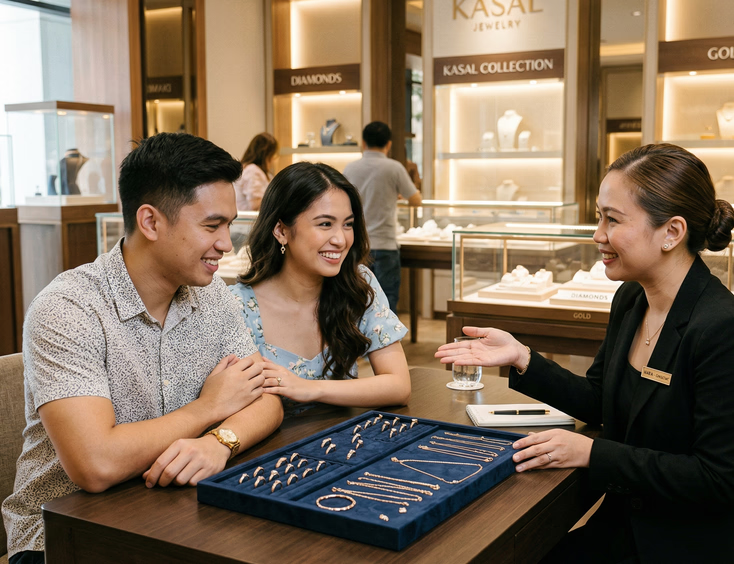
Set a budget before you walk into any jewelry store. Gold prices in the Philippines fluctuate with international rates, so check the current price per gram before you estimate costs. A four-piece set in 18-karat gold with simple designs can range from ₱20,000 to ₱60,000 depending on weight and craftsmanship. Custom or branded sets from established jewelers can go higher.
Buy from a reputable jeweler who provides certificates of authenticity and proper receipts. This protects both families and gives the bride documentation of what she received. Jewelry districts in Binondo, Bangkal in Makati, and major malls across Metro Manila all carry options at different price points. If you are outside Metro Manila, established local jewelers in Cebu, Davao, and other cities carry comparable selections.
Bring someone with you who knows jewelry. A grandmother, an aunt, or a family friend who has been through tinghun before can help you avoid pieces that look impressive in the display case but feel light or flimsy in hand. Weight and finish matter as much as design.
Balancing Tradition With the Couple's Preferences
Some brides do not wear yellow gold. Some prefer minimalist designs over ornate ones. These preferences are worth knowing before the ceremony, not after. A bride who receives jewelry she will never wear is not served by the tradition. The purpose of the gold is to honor her and formalize the union, and that purpose is better served by pieces she will actually keep close.
If the couple prefers white gold or rose gold, some families accommodate this while still honoring the spirit of the tradition. The metal shifts but the intention stays the same. Other families hold firmly to yellow gold as the only acceptable choice for tinghun jewelry. Know which kind of family you are dealing with before you finalize anything.
The conversation about jewelry preferences can happen naturally if both families have already built some rapport before the tinghun. A wedding coordinator who has handled Filipino-Chinese ceremonies before can help facilitate these conversations without making them feel like negotiations. If you are still looking for someone to guide both families through the process, browse the wedding planners and coordinators listed in our supplier directory to find professionals experienced with tinghun ceremonies.
Getting It Right Matters
The gold you bring to a tinghun is one of the first concrete acts of generosity the groom's family performs. Both families will remember how it was chosen, how it was presented, and how the bride responded. Take the time to do it with care.
For a full picture of everything the groom's family prepares beyond jewelry, read the symbolic gifts in a tinghun and what each one represents. If you are still working out the full scope of what the ceremony involves, the complete guide to the tinghun covers every element from start to finish.
Planning the tinghun itself takes more coordination than most families expect. How to plan a tinghun ceremony: a checklist for both families will help you stay organized as the date approaches.
Still Searching for a Right Match?
Find Your Perfect Wedding Supplier Today!
Discover trusted wedding suppliers across the Philippines in our complete directory. Compare services and connect with the ones that fit your dream celebration.
Browse Wedding SuppliersFeatured Posts
Regional Wedding Customs Every Filipino Couple Should Know
23 mins readThe Complete Guide to Filipino Wedding Invitations: From Traditional Customs to Modern Trends
12 mins readThe Complete Filipino Couple's Guide to Wedding Rings & Bands in the Philippines: Traditions, Styles, Budgets & Where to Buy
22 mins read