

Who Should Be Invited to the Tinghun and How to Handle the Guest List

The guest list is one of the first decisions both families make together, and it is one of the easiest to get wrong. Invite too many people and the ceremony loses its intimacy. Invite too few and the wrong relatives feel overlooked. Neither outcome starts the relationship between families on solid footing.
Getting the guest list right requires a clear understanding of who the tinghun is actually for, and the discipline to hold that line when the pressure to add names starts.
Who the Tinghun Is For
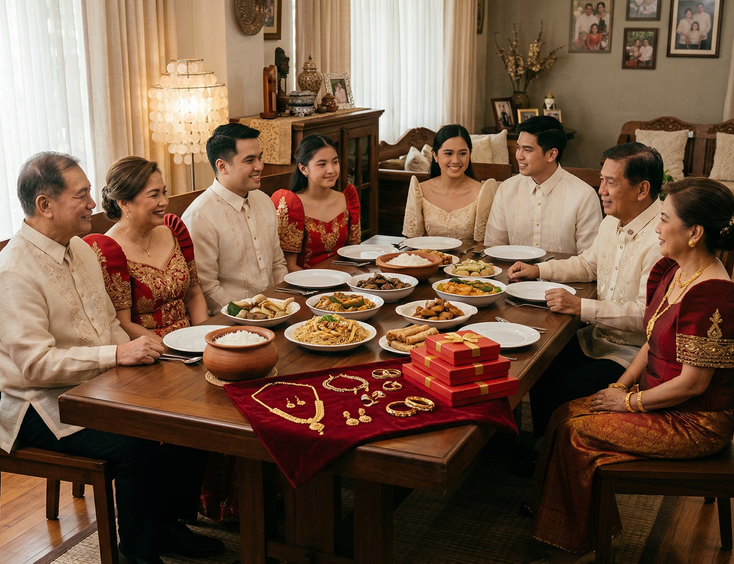
The tinghun is a family ceremony. Its core purpose is to formally introduce the two families and seal the engagement with witnesses who matter to both households. That purpose is best served by keeping the guest list close.
The non-negotiable attendees on both sides are the parents of the couple and the couple themselves. From there, the list expands carefully. Grandparents attend when their health and mobility allow. Siblings of the bride and groom are typically included, along with their spouses or partners if they have them.
Beyond the immediate family, most tinghun ceremonies include one more ring of people: aunts and uncles who hold significant standing in the family, godparents of the couple, and close family friends who function as extended family in practice. These are people whose presence carries weight, not people added to fill seats.
Who Typically Does Not Attend
Cousins, colleagues, and friends of the couple outside the family circle do not belong at a traditional tinghun. The ceremony is not a party. It is a formal meeting between two families, and the presence of people peripheral to that relationship dilutes the occasion.
This is harder to enforce than it sounds. Relatives who hear about the tinghun and expect an invitation will surface. A family member who was not included will occasionally take it personally. The clearest way to handle this is to frame the tinghun from the start as an intimate family event, not a celebration open to the broader social circle. That framing needs to come early and consistently from both families.
If the couple plans to follow the tinghun with a larger engagement party or celebration, that event becomes the natural outlet for the wider guest list. People who are not invited to the tinghun can be included there without anyone feeling excluded from the engagement altogether.
How to Build the List Without Creating Conflict
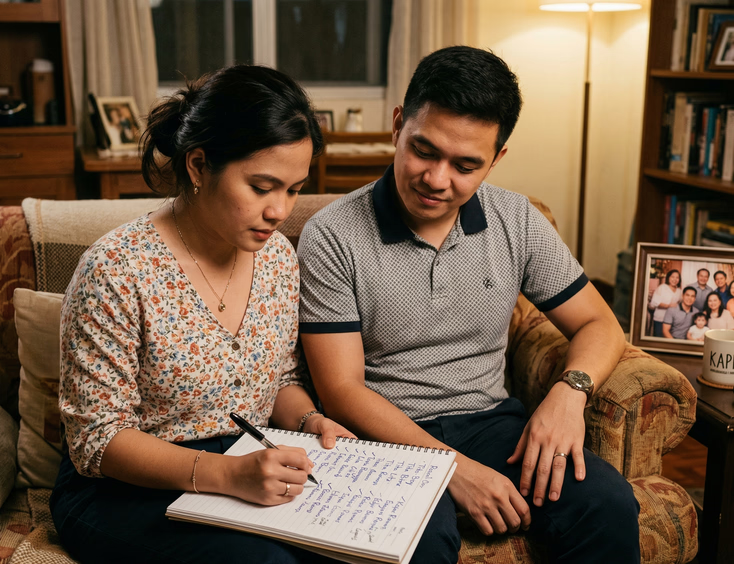
Start with the non-negotiables on both sides and write them down before any conversation about additions begins. Once you have the core list, both families agree on a maximum headcount before anyone proposes additions. A headcount ceiling is the most effective tool for keeping the list from expanding on sentiment rather than intention.
When someone suggests adding a name, the question to ask is whether that person's presence serves the purpose of the ceremony. If the honest answer is no, the name does not go on the list.
The harder situations involve relatives with complicated family dynamics. Divorced parents, estranged siblings, or family members who do not get along require a direct conversation between the couple before the list is finalized. The tinghun is not the occasion to force reconciliation, and seating people who have unresolved tension at the same intimate table creates a ceremony that both families will remember for the wrong reasons.

Coordinating the List Between Both Families
Each family manages their own side of the list and shares the final count with the other. Both families need to agree on the total before any invitations go out, because the total headcount determines the venue, the food, and the seating arrangement.
Set a deadline for finalizing the list and hold it. Last-minute additions after the venue and catering have been confirmed create logistical problems and signal to the other family that your side is disorganized. Neither family benefits from that impression at this stage.
Communicate the guest list decisions through one point of contact on each side. When multiple family members are passing information back and forth, names get added without proper agreement and the list grows past what either family intended.
What to Tell Guests Before the Day
Every guest should know what kind of event they are attending before they arrive. A tinghun is a formal ceremony, not a casual family lunch. Guests who show up underdressed, arrive late, or treat it as a social gathering disrupt the tone of the occasion.
Send a brief message to each guest with the date, time, location, and dress code. Let them know the ceremony will precede the meal and that punctuality matters. Guests who understand the significance of the occasion before they arrive behave accordingly once they are there. For a full breakdown of how guests should conduct themselves, read how to behave at a tinghun as a guest: a practical etiquette guide.
If you are unsure about appropriate attire guidance to pass along, what to wear to a tinghun ceremony: a dress code guide for the whole family covers everything guests need to know before they open their wardrobe.

Keeping the List Manageable as the Date Approaches
Confirm attendance from every guest at least one week before the ceremony. People who have not confirmed by then need a direct follow-up. A no-show at a tinghun affects seating, food portions, and the overall atmosphere in ways that a no-show at a large party does not.
If a confirmed guest cancels close to the date, inform the venue or caterer immediately. Do not quietly absorb the change and hope it balances out. Keeping both families informed of any headcount shifts avoids surprises on the day.
A wedding coordinator experienced with Filipino-Chinese ceremonies can help both families manage the guest list, handle the communication, and keep the headcount aligned with the venue and catering plan. If you are still looking for someone to help coordinate the process, browse the wedding planners and coordinators in our supplier directory to find professionals who have handled tinghun ceremonies before.
For a full picture of everything involved in organizing the ceremony from both sides, read how to plan a tinghun ceremony: a checklist for both families. And for a complete understanding of the tradition itself, the complete guide to the tinghun covers everything from its cultural roots to how modern Filipino families observe it today.
Still Searching for a Right Match?
Find Your Perfect Wedding Supplier Today!
Discover trusted wedding suppliers across the Philippines in our complete directory. Compare services and connect with the ones that fit your dream celebration.
Browse Wedding SuppliersFeatured Posts
Regional Wedding Customs Every Filipino Couple Should Know
23 mins readThe Complete Guide to Filipino Wedding Invitations: From Traditional Customs to Modern Trends
12 mins readThe Complete Filipino Couple's Guide to Wedding Rings & Bands in the Philippines: Traditions, Styles, Budgets & Where to Buy
22 mins read