


Who Should Be in the Bridal Preparation Room and What Are the Unspoken Rules
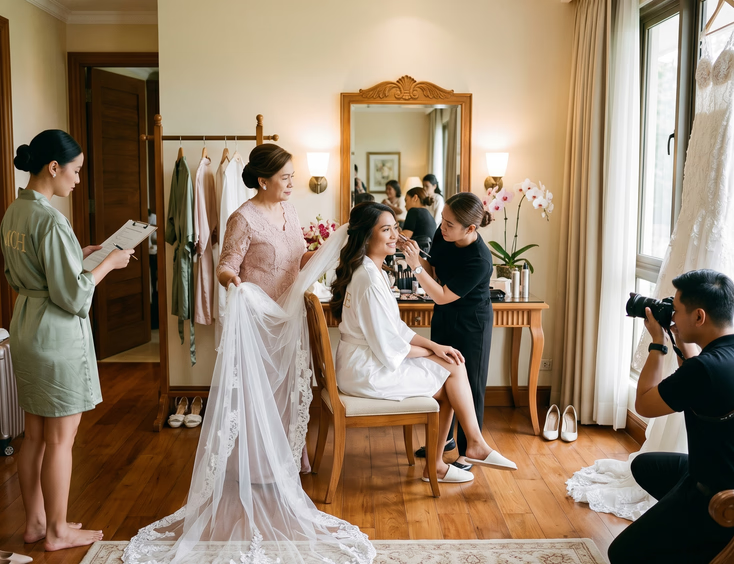
Your tita arrives at 6 AM unannounced. Your cousin brings her three kids and a tripod for TikTok content. Your dad's barkada drops by "just to say hi." Your future mother-in-law walks in while you're in your robe.
By 8 AM, eighteen people fill a room built for six. The makeup artist works in a corner. The photographer can't get a clean shot. Your blood pressure rises. You haven't even left for the church.
Filipino weddings invite the whole family into the morning, and the bridal preparation room often becomes the spillover space. Couples who don't set boundaries early end up with a chaotic morning that ruins their photos and their nerves.
This guide breaks down who belongs in the bridal preparation room, who doesn't, and the unspoken rules that keep the morning calm.
Why the Guest List for the Prep Room Matters
The bridal preparation room serves three functions at once. It's a styling station for the bride and her glam team. It's a photo and video set for the suppliers documenting the morning. It's a private space for the bride to feel her own emotions before the ceremony.
Each function fails when the room overflows.
A glam team needs floor space, outlets, and quiet to work efficiently. A photographer needs uncluttered angles, controlled lighting, and access to the bride for candid shots. A bride needs the room to breathe in, cry in, and gather herself in.
Twenty people in a hotel suite breaks all three. The makeup artist runs late. The photographer captures wide shots crowded with strangers. The bride loses the quiet moments her photographer was waiting to frame.
A controlled guest list protects the morning. The decision starts with knowing who actually belongs.
The Core Six: Who Should Be in the Room
The bridal preparation room runs best with a core group of six to eight people. Each one has a clear role.
1. The Bride
The center of the morning. Everyone else's presence depends on serving her.
2. The Makeup Artist
Arrives first. Works on the bride for two to three hours. Needs a vanity, good lighting, and outlets. The makeup artist often brings an assistant for larger bridal parties.
3. The Hairstylist
Works in parallel with the makeup artist or in sequence depending on the schedule. Needs a separate station, hot tools, and outlets.
4. The Photographer
Arrives early to capture the gown hanging, the detail flat lays, and the bride in robe shots. Moves around the room throughout the morning. Needs space to back up for wide shots.
5. The Videographer
Works alongside the photographer. Captures audio, candid moments, and time-lapse footage. Often the quietest person in the room.
6. The Mother of the Bride
Holds the emotional weight of the morning. Helps with the veil, the gown, and the small adjustments. Her presence in the photos shapes the album. The wedding day belongs to her almost as much as it does to the bride.
7. The Maid of Honor
The bride's chosen point person. Manages last-minute requests, fields questions from the entourage, and keeps the schedule on track. Steps in for tasks the bride shouldn't have to handle.
8. One or Two Bridesmaids
The bridesmaids who get ready with the bride. Not all of them need to be there at once. Some couples have the bridesmaids dress at home and arrive at the church already prepared.
This core group fills a properly sized preparation suite without crowding the workspace. Anyone outside this list should visit briefly or wait elsewhere.
Who Should Visit, Not Stay
Some family members and entourage members deserve a presence in the morning but don't need to stay for the full preparation. A short visit gives them the moment without the chaos.
The Father of the Bride
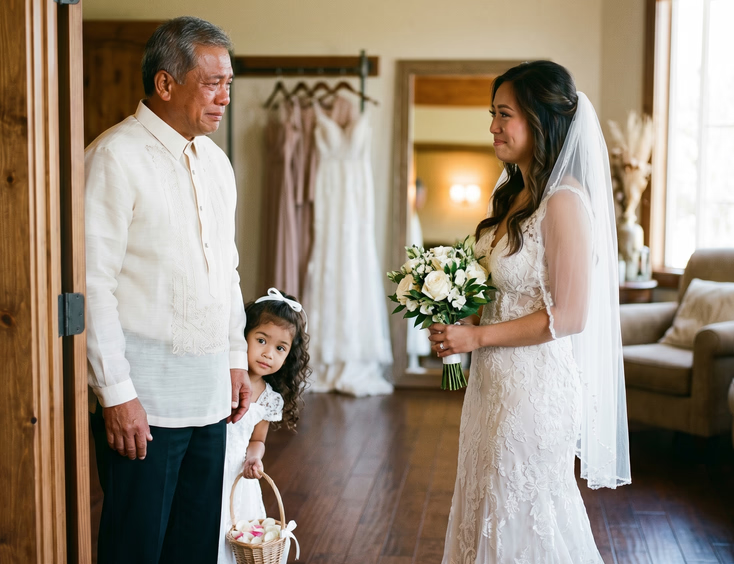
Arrives close to the bridal car's departure time. The first-look moment when he sees his daughter in her gown becomes one of the morning's most photographed shots. He doesn't need to sit through the four-hour glam session.
The Flower Girls
Arrive when their hair and dresses are ready. Pose for the group photo. Get a quick interaction with the bride. Leave to wait at the church or in a nearby family room.
The Ninang and Ninong
The principal sponsors. Some weddings include a brief visit for blessing or photos. The visit lasts ten to fifteen minutes.
The Siblings
The bride's siblings deserve a moment in the room, especially for the family photo before the church. They don't need to stay for the entire preparation.
The Future Mother-in-Law
A diplomatic call. Some brides welcome her presence as a gesture of family unity. Others prefer she joins at the church. Coordinate with your fiancé and your families to set the expectation early.
Who Shouldn't Be in the Room
Some people who expect to enter the bridal preparation room don't belong there. The kindest thing you can do for the morning is set the rule before they arrive.
The Father of the Groom
The groom's family has their own preparation venue. The father of the groom belongs there or at the church.
The Groom's Siblings and Extended Family
Same rule. The groom's side stays with the groom.
Cousins, Titas, and Titos Beyond the Immediate Family
Filipino weddings invite a wide circle of family, and many will assume the bridal preparation is an open event. Polite framing handles this: the preparation room is for the bride and her suppliers, the family will see her at the church.
Children Who Aren't in the Wedding Party
Kids run around. They knock over equipment. They distract the suppliers. The flower girls and ring bearers belong in the room briefly. Other children don't.
Friends Stopping By
A friend who isn't in the wedding party doesn't need to visit the preparation room. The catch-up can happen at the reception.
Anyone Filming Content for Their Own Social Media
Vloggers, influencers, and cousins making TikTok content disrupt the suppliers' work. The professional photographer and videographer have the rights to document the morning. Set the rule that personal cameras stay off until the morning's official coverage wraps.
The Unspoken Rules of the Prep Room
The guest list handles the people. The unspoken rules handle the behavior. Filipino brides who survive the morning with their photos and their composure intact usually follow these.
Rule 1: The Bride Doesn't Manage the Room
The bride's job is to get ready. The maid of honor, the wedding planner, or a designated family member handles the door, the visitors, the schedule, and the questions. The bride shouldn't be answering "Where do I sit?" while her eyeliner is mid-application.
Assign a point person before the day. Tell the family who to direct questions to. Protect the bride from the logistics.
Rule 2: The Suppliers Have Priority
The makeup artist, hairstylist, photographer, and videographer drive the morning's timeline. Their work shapes the wedding day. Family members and guests defer to their needs.
If the photographer asks people to step out for a clean shot, they step out. If the makeup artist needs the vanity area clear, the bridesmaids move. The suppliers are working professionals on a tight schedule.
Rule 3: No Outside Food Without Coordination
Filipino families bring food. A tita arrives with biko. A cousin brings lugaw. The mother brings the bride's favorite breakfast. The food is loving and unwelcome.
A preparation room with open food invites mess, stains on the gown, and smells that linger in the photos. Coordinate one breakfast delivery for the entourage. Set the food in a designated area outside the styling space. Keep the workspace clean.
Rule 4: Phones on Silent
A ringing phone during the makeup application disrupts the bride's focus. A loud notification during the first-look moment ruins the photo. Set the rule early: phones on silent or vibrate during the preparation hour.
Rule 5: The Bride's Quiet Moment Belongs to the Bride
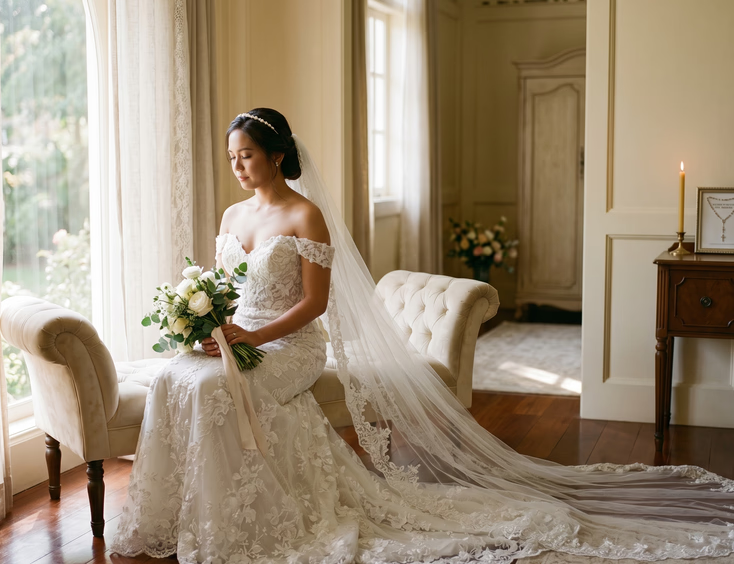
Most Filipino brides need ten to fifteen minutes alone before leaving for the church. A prayer, a deep breath, a final look at the gown. The room respects that moment.
The photographer documents from a distance. The family steps out. The maid of honor stands guard at the door. The bride gets the silence she needs.
Rule 6: Compliments, Not Critiques
The morning isn't the time to comment on the bride's weight, her makeup, her gown choice, or anything else. Family members and friends who feel the urge to "help" with feedback need to save it for after the wedding.
Set the rule with the people closest to you. The bride doesn't need to defend her choices on her wedding day.
Rule 7: The Suppliers Eat Too
Filipino weddings often forget the suppliers' meals. The makeup artist, hairstylist, photographer, and videographer work four to six hours without a break. They need food and water.
Plan a small spread for the suppliers. Coffee, water, light breakfast. The gesture builds goodwill and keeps the team energized through the morning.
How to Communicate the Rules
The hardest part isn't setting the rules. It's telling people about them without offending anyone.
Before the Day
Talk to your mother early. Get her aligned on the guest list and the rules. She'll help relay the message to extended family.
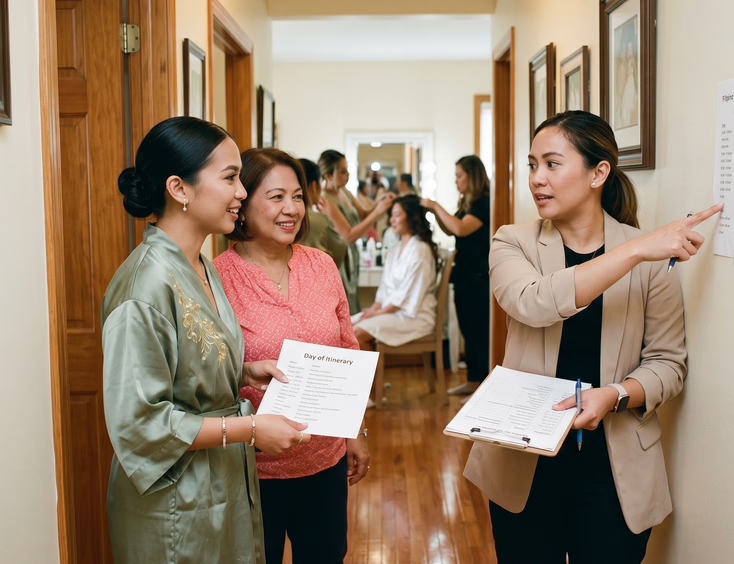
Send a group message to the entourage with the morning's schedule. List the people who'll be in the preparation room. State the start time, the visiting hours, and the rules.
Coordinate with your wedding planner or coordinator. They handle the visitor flow on the day. They're trained to redirect family members politely.
On the Day
Post a printed schedule outside the door. People who don't want to disrupt can check the schedule and visit at the right time.
Let the maid of honor or the planner handle the door. The bride shouldn't have to turn away visitors herself.
Use the language of respect. "We're keeping the room quiet for the suppliers to work. Mama, we'll see you at the church." Most family members respond well to a polite, direct ask.
The Pillar Framework
The full decision framework for the preparation morning sits at Choosing a Wedding Preparation Venue in the Philippines. The reasoning behind treating the preparation hour as a main event lives at Why the Bridal Preparation Is One of the Most Important Parts of a Filipino Wedding.
The comparison of venue types that affects how many people can fit in the room sits at Hotel Bridal Suite, Salon, or Home: Which Wedding Preparation Venue Is Right for You?.
Start Your Search
Browse vetted preparation venues in the Wedding Preparation Venues directory to find rooms sized for your actual guest list. Filter by capacity, location, and amenities. Read reviews from couples who hosted similar-sized preparation entourages.
Pick a venue that fits the core six to eight people comfortably, with a small overflow area for visitors. The room shapes how well the morning runs.
The Morning That Belongs to You
Filipino weddings carry the weight of the whole family, but the bridal preparation hour belongs to the bride. A guest list set with care, a few unspoken rules, and a point person to enforce them give you the calm morning your wedding day deserves.
Set the rules. Tell the family. Let the suppliers work. The first six hours of your wedding will run the way you imagined.
Still Searching for a Right Match?
Find Your Perfect Wedding Supplier Today!
Discover trusted wedding suppliers across the Philippines in our complete directory. Compare services and connect with the ones that fit your dream celebration.
Browse Wedding SuppliersFeatured Blog Posts


Filipino Wedding Entourage - Roles, Order of March, and Modern Etiquette
6 mins readCivil Weddings in the Philippines - Requirements, Costs, and Step-by-Step Process
9 mins readCivil Wedding Requirements in the Philippines - Complete Checklist
6 mins readCost of Wedding in the Philippines - 5 Essential Things You Need to Know
7 mins readPrincipal Sponsors (Ninong/Ninang) - How Many, How to Ask, What They Really Do
4 mins readVeil, Cord, Candle & Coins - Roles, Options, and When They Happen
4 mins readEntourage for a Traditional Pinoy Wedding - Complete Roles and Guide
6 mins readComplete List of Civil Wedding Requirements in the Philippines
8 mins readHow to Choose Wedding Ninongs and Ninangs - Ask Yourself These 3 Important Questions
5 mins read