

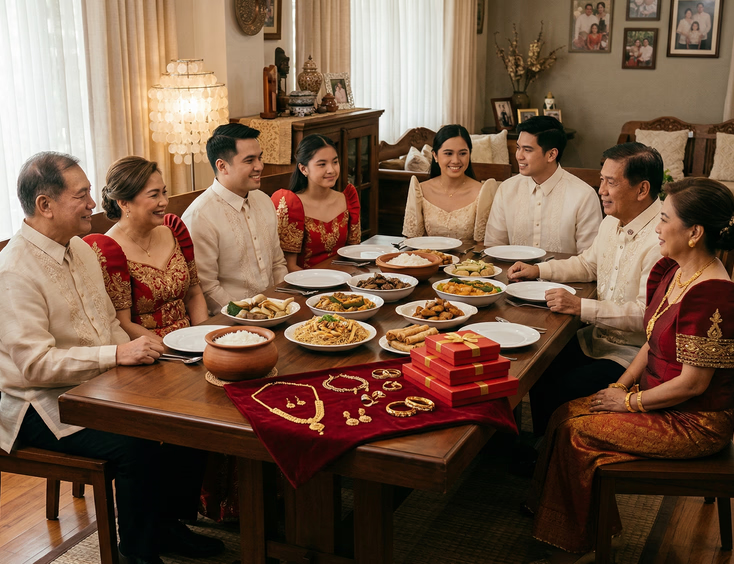
Who Pays for the Tinghun? Understanding Financial Responsibilities Between Families
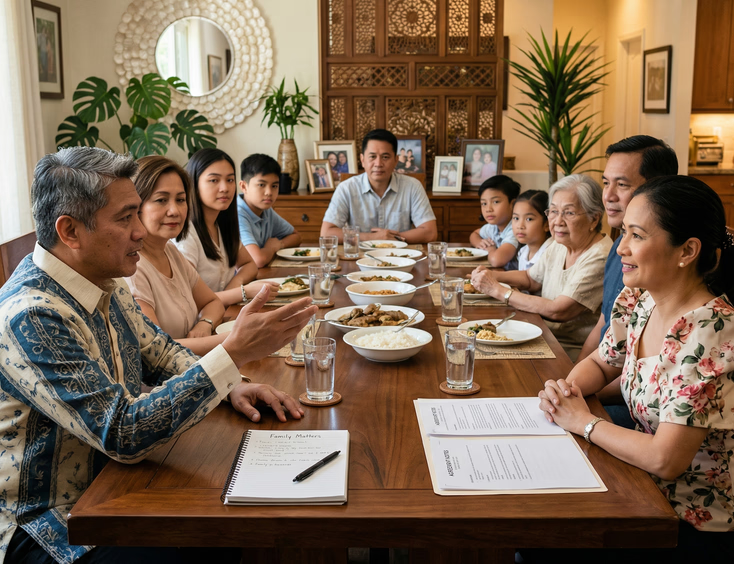
Neither family wants to bring up money first. Both families assume the other already knows what the arrangement should be. Then someone books a caterer, another family member buys the jewelry without consulting anyone, and by the time the conversation finally happens, someone is already overcommitted.
The financial responsibilities in a tinghun follow a general cultural logic. Understanding that logic before planning starts saves both families from the discomfort of unwinding assumptions mid-preparation.
The General Rule: The Groom's Family Hosts, The Bride's Family Receives
In traditional Filipino-Chinese tinghun practice, the groom's family initiates the ceremony and bears the primary financial responsibility. They visit the bride's family, they bring the ceremonial gifts, and they cover the cost of those gifts. The bride's family prepares the home and the meal.
This is the baseline. Most Filipino families today adapt it based on practical circumstances, but understanding the traditional framework helps both sides negotiate from a shared starting point rather than talking past each other.
What the Groom's Family Traditionally Covers
The Ceremonial Gifts
The groom's family prepares and pays for all the symbolic items brought to the ceremony. These typically include:
- Gold jewelry for the bride (necklace, earrings, bracelet, ring)
- Fruit baskets and symbolic food items
- Cakes or tikoy
- Other culturally specific items depending on regional or family tradition
The jewelry is the largest single expense in this category. A modest gold set runs ₱15,000 to ₱40,000. A more substantial set reaches ₱80,000 to ₱150,000 or beyond depending on the families' financial standing and what both sides agree is appropriate.
The groom's family does not decide the jewelry value unilaterally. Both families discuss the standard beforehand, and the groom's family delivers on that agreed amount. Arriving with significantly less than discussed reflects poorly on the groom's family. Arriving with significantly more can create an uncomfortable obligation for the bride's family.
Transportation and Logistics for Their Party
The groom's family covers their own travel to the venue or the bride's home. For out-of-town families, this includes flights, accommodation, and ground transport for their delegation.
What the Bride's Family Traditionally Covers
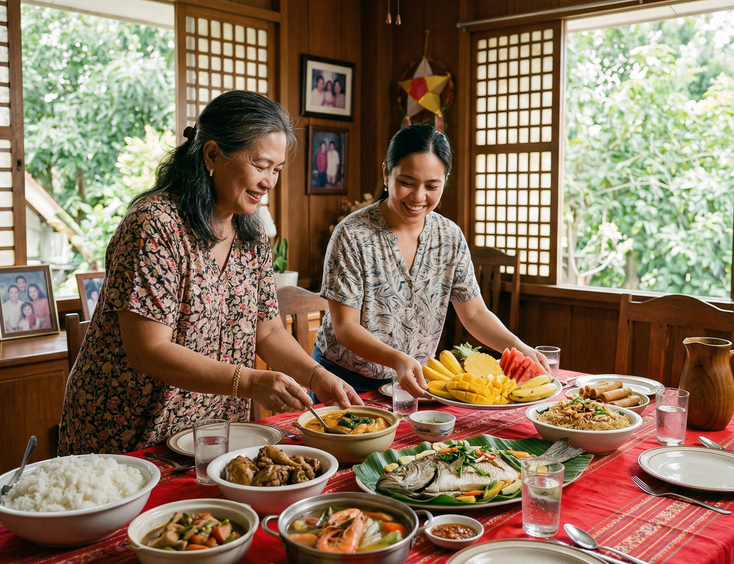
The Meal
The bride's family hosts the gathering and prepares the food. In a home setting, this means cooking the meal themselves or hiring a caterer at their own expense. In a restaurant setting, the hosting dynamic shifts, which is why venue choice affects the financial split.
The meal at a tinghun is not incidental. It is part of the ceremonial welcome. The bride's family feeding the groom's family signals acceptance and hospitality. Families who treat it as an afterthought miss that dimension.
The Venue Preparation
If the ceremony happens at the bride's family home, they prepare and style the space. Fresh flowers, table arrangements, and the ceremonial setup fall under their responsibility. This does not require a large budget. Sampaguita garlands, red cloth, and a clean, welcoming space communicate the right message without a florist's invoice.
Where Modern Filipino Families Adjust the Split
When the Ceremony Is at a Neutral Venue
Booking a restaurant private dining room or a hotel function room removes the traditional home-hosting dynamic. In this case, families typically split the venue and catering costs, or the groom's family covers the full bill as an extension of their hosting role.
Discuss this before booking. A restaurant bill for 50 guests at a mid-range Manila venue runs ₱60,000 to ₱120,000. That is a significant cost that both families need to agree on before anyone confirms a reservation.
When Both Families Share Equal Financial Standing
Some couples and their families choose to split costs evenly across the board. Both families contribute to the gifts, the food, and the venue. This works when both sides are aligned and the decision is mutual, not when one family assumes it and the other feels pressured to agree.
When One Family Has Significantly Less Financial Capacity
The traditional framework assumes rough financial parity between families. When that parity does not exist, the wealthier family often absorbs more of the cost without making it a point of discussion. Handling this with discretion matters. Announcing the imbalance or making the other family feel indebted undermines the spirit of the ceremony.
For a full breakdown of what each cost category involves, read How to Set a Realistic Tinghun Budget That Works for Both Families.

The Conversation Both Families Need to Have
Knowing the general framework is not enough. Both families need a direct conversation about who covers what before any booking is made. That conversation should cover:
Jewelry standard. What is the agreed value range for the gold set? Who selects the pieces? Does the bride have input?
Venue and catering. Who books it? Who pays for it? If the bride's family hosts at home, does the groom's family contribute to catering costs?
Additional ceremonial items. Are there specific regional or family traditions that require additional gifts or food items? Who sources and pays for those?
Guest count. Both families agreeing on the guest list prevents one side from expanding the gathering beyond what the other can accommodate or afford.
This conversation is easier when one person facilitates it. For couples navigating family dynamics on both sides, a wedding coordinator experienced with tinghun ceremonies can structure the discussion and keep it practical. Find experienced coordinators through the wedding planners and coordinators listed in our supplier directory.
What Happens When There Is No Agreement
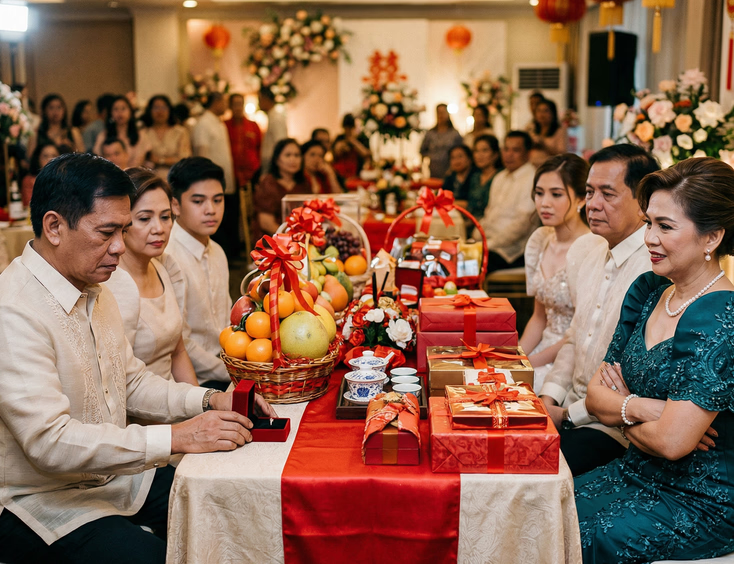
Families that skip the financial conversation tend to hit the same friction points: the groom's family presents jewelry the bride's family considers insufficient, or the bride's family prepares a meal the groom's family reads as underwhelming. Neither family intended to offend. Both families failed to align.
The tinghun exists to formally unite two families. Starting that process with a financial misunderstanding sets a poor foundation for everything that follows, including the wedding planning itself.
Agree Early, Then Focus on the Ceremony
The financial framework for a tinghun is not complicated. The groom's family brings the gifts. The bride's family hosts the meal. Modern circumstances adjust the specifics. What matters is that both families talk through the specifics before commitments are made, not after.
Once the financial responsibilities are clear, both families can focus on what the tinghun is actually for: a formal, meaningful meeting that marks the beginning of a shared family relationship.
For a complete overview of the ceremony itself, read Tinghun: The Complete Guide to the Traditional Filipino Engagement Ceremony. Couples working through the full planning sequence can also read How to Plan a Tinghun Ceremony: A Checklist for Both Families for a step-by-step breakdown of decisions in order. For guidance on choosing the right venue and understanding how that choice affects the financial split, Tinghun Venue Ideas in the Philippines: From Intimate Homes to Private Dining covers the options in detail.
Still Searching for a Right Match?
Find Your Perfect Wedding Supplier Today!
Discover trusted wedding suppliers across the Philippines in our complete directory. Compare services and connect with the ones that fit your dream celebration.
Browse Wedding SuppliersFeatured Posts

Regional Wedding Customs Every Filipino Couple Should Know
23 mins readThe Complete Guide to Filipino Wedding Invitations: From Traditional Customs to Modern Trends
12 mins readThe Complete Filipino Couple's Guide to Wedding Rings & Bands in the Philippines: Traditions, Styles, Budgets & Where to Buy
22 mins read