

What to Wear to a Tinghun Ceremony: A Dress Code Guide for the Whole Family
The dress code for a tinghun matters more than most couples expect. Both families arrive representing not just themselves but their respect for the occasion and their readiness for what follows. Getting it wrong reads as careless. Getting it right sets the tone before anyone speaks.
If you're still learning the full scope of what this ceremony involves, start with Tinghun: The Complete Guide to the Traditional Filipino Engagement Ceremony.
The Traditional Color Code
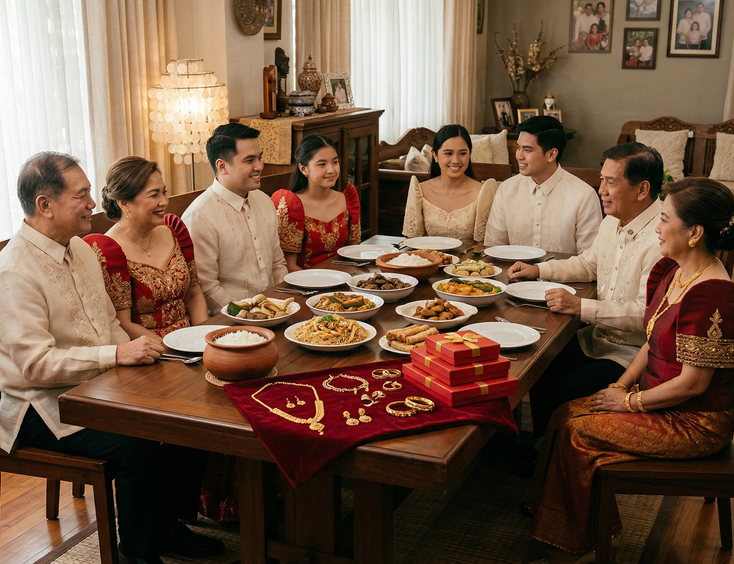
In Filipino-Chinese tinghun tradition, red and gold carry meaning. Red signals good luck and joy. Gold signals prosperity. Wearing these colors, especially as the couple or the immediate families, shows you understand what the ceremony represents.
Black is the one color both families consistently avoid. It carries associations with mourning. Wearing it to a tinghun, even unintentionally, can offend the older members of either family.
White sits in a gray area. Some families accept it on younger guests. Others treat it the same as black. When in doubt, skip it.
What the Couple Wears
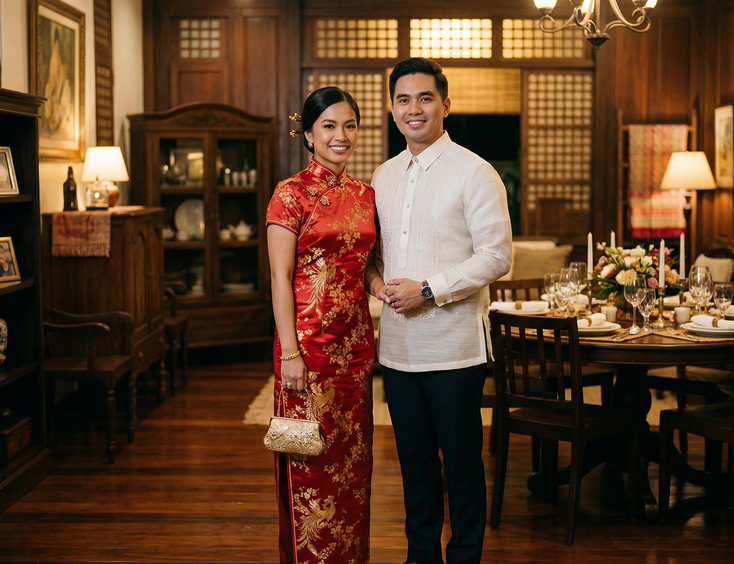
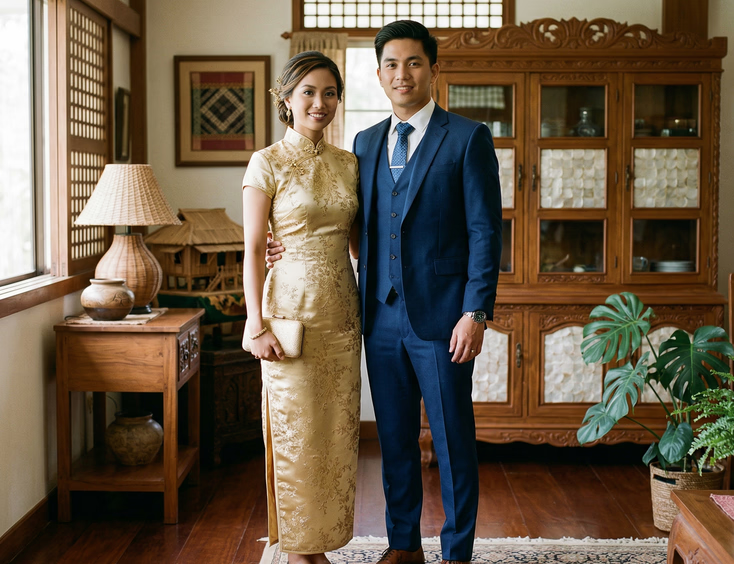
The bride-to-be carries the most visible role in the ceremony. Traditional choices include a red or gold cheongsam, a Filipiniana in warm tones, or a formal dress in red, blush, or champagne. The goal is polished and occasion-appropriate, not bridal. Save the white for the wedding.
The groom-to-be dresses formally but does not need to match the bride exactly. A barong tagalog works well and reads as both respectful and culturally grounded. A well-fitted suit in navy, charcoal, or beige also fits. Coordinate colors with your partner beforehand so you look considered together, not accidental.
What the Parents Wear
Both sets of parents dress at a level equal to or above the couple. This is a meeting of families, and parents carry the weight of that.
Mothers on both sides typically wear a formal Filipiniana, a cheongsam, or a formal dress in festive colors. Red and gold remain strong choices. Deep jewel tones like burgundy, emerald, and royal blue also work.
Fathers wear a barong tagalog or a formal suit. A crisp barong in white or ivory signals formality without straying into overly Western territory. If the family leans toward Chinese-Filipino tradition, a mandarin-collar suit or formal Chinese attire fits the occasion.
What Siblings and Extended Family Wear
Siblings attending in an official capacity, meaning those who will be introduced or participate in the ceremony, dress at a near-formal level. Cocktail attire or smart formal works. They do not need to match the parents, but they should not undercut them.
Extended family members attending as guests follow semi-formal to formal dress standards. Church-appropriate is a useful mental benchmark. Avoid casual separates, streetwear, or anything you would wear to a mall.
What Guests Wear
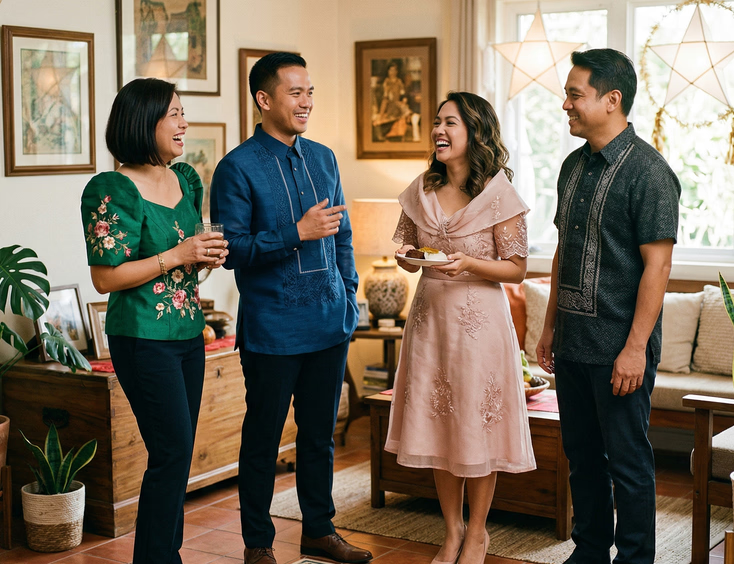
Guests follow semi-formal dress unless the invitation specifies otherwise. For women, a midi or maxi dress in a festive color works well. For men, a barong or a collared shirt with slacks reads as appropriate.
Guests who arrive underdressed draw attention. At a tinghun, that attention lands on the host family. Dress in a way that reflects well on the people who invited you.
For more on how to carry yourself throughout the event, read How to Behave at a Tinghun as a Guest: A Practical Etiquette Guide.
Colors That Work Across the Board
Beyond red and gold, these colors read well at a tinghun:
- Blush and dusty rose
- Champagne and cream (for guests, not the couple)
- Emerald and forest green
- Royal blue and navy
- Burgundy and wine
Bright oranges, neon tones, and heavy prints tend to pull focus. The ceremony belongs to the couple and their families. Guests dress to complement, not compete.
Modern Couples and Dress Code Flexibility
Some couples skip the cheongsam and barong entirely. They choose formal Western attire, coordinate with their families on a color palette, and keep the ceremony's spirit without the traditional silhouettes. That works, provided both families agree in advance.
The friction comes when one family dresses traditionally and the other shows up in cocktail wear with no coordination. Mismatched formality creates visible awkwardness in photos and in person. Agree on a general standard and communicate it to both sides before the day.
For ideas on how to combine cultural traditions with a modern approach, read How to Blend Tinghun Traditions with a Western Engagement Party.
Coordinating the Look Across Two Families
Many couples send a simple dress code note with the invitation or through a family group chat. Something direct works: "Semi-formal, festive colors preferred, please avoid black and white." That removes guesswork and prevents the conversation after the fact.
If either family includes members from different generations, older relatives often know the traditional expectations better than younger ones. The couple and their parents can set the tone by example or by asking an elder on each side to pass the message along.
A Few Practical Notes
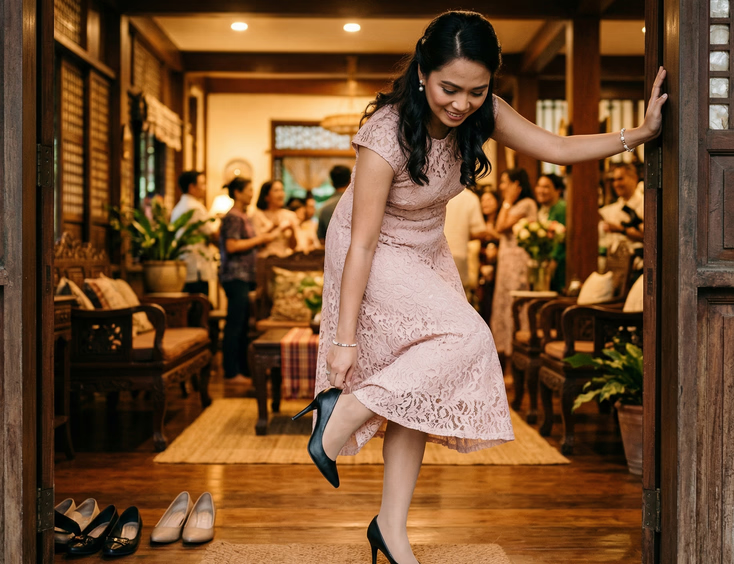
Shoes matter at a tinghun held in a home. Many Filipino families ask guests to remove footwear at the door. Wear presentable socks or hosiery. Slide-on footwear makes the transition easier. Stilettos on a carpeted sala floor create more noise than elegance.
Accessories should be modest unless you are the bride-to-be. The jewelry presented during the ceremony carries symbolic weight. Guests wearing loud statement jewelry can inadvertently upstage that moment.
For a full picture of what happens at a tinghun and how the ceremony flows, read A Step-by-Step Guide to What Happens During a Tinghun Ceremony.
Getting the Details Right
Dress is one part of the broader etiquette that shapes how both families experience the day. Couples who handle these details well arrive at the ceremony relaxed rather than fielding last-minute questions from relatives who are not sure what to wear.
A wedding coordinator who has managed tinghun ceremonies can help you brief both families, set expectations, and catch the details that first-time couples miss. The dress code conversation is small on its own. Managed well across two families, it removes one more thing to manage on the day itself.
Still Searching for a Right Match?
Find Your Perfect Wedding Supplier Today!
Discover trusted wedding suppliers across the Philippines in our complete directory. Compare services and connect with the ones that fit your dream celebration.
Browse Wedding SuppliersFeatured Posts
Regional Wedding Customs Every Filipino Couple Should Know
23 mins readThe Complete Guide to Filipino Wedding Invitations: From Traditional Customs to Modern Trends
12 mins readThe Complete Filipino Couple's Guide to Wedding Rings & Bands in the Philippines: Traditions, Styles, Budgets & Where to Buy
22 mins read