


What Is a Wedding Mobile Bar and Why Is It Trending at Philippine Weddings
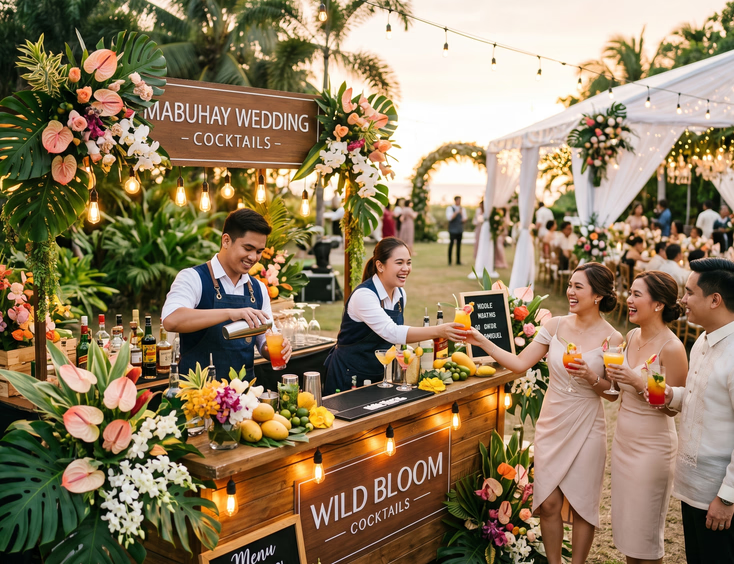
Picture your reception. The church ceremony wraps. Your 150 guests pile into the venue, find their seats, and wait. The emcee hasn't started. The photo session is running long. Your guests sit with empty glasses and small talk.
A wedding mobile bar fills that gap. It gives your guests a place to gather, a drink to hold, and a reason to move around the room. And for Filipino weddings, where the energy between ceremony and reception can stall, that matters.
What a Wedding Mobile Bar Is
A mobile bar is a portable, self-contained beverage station that a supplier brings to your venue, sets up, operates through the event, and packs up when the night ends. You get a styled bar counter, trained bartenders, a curated drink menu, glassware, ice, and garnishes. Beverage catering has become a mainstay in parties and gatherings across the Philippines, both big and small. Suppliers provide drinks while adding to the ambiance and entertainment of the celebration.
The bar counter itself comes in different styles. Some are sleek LED-lit setups for ballroom receptions. Others are rustic wooden carts for garden weddings in Tagaytay. A few suppliers offer themed counters, like tiki bars for beach weddings in Batangas or Boracay. The format depends on your venue, your guest count, and your budget.
One of the pioneers of the mobile bar industry in the Philippines has been operating since 2009, having catered to over 10,000 events. That number gives you a sense of how fast beverage catering has grown in the local wedding scene.
If you want to compare bar formats side by side, read our guide on the types of wedding mobile bars available in the Philippines.
How It Works at a Filipino Wedding
A traditional Filipino wedding reception runs four to six hours of food, dancing, and celebration. The program includes speeches, the first dance, parent dances, cultural performances, the money dance, parlor games, and open dancing that can stretch past midnight.
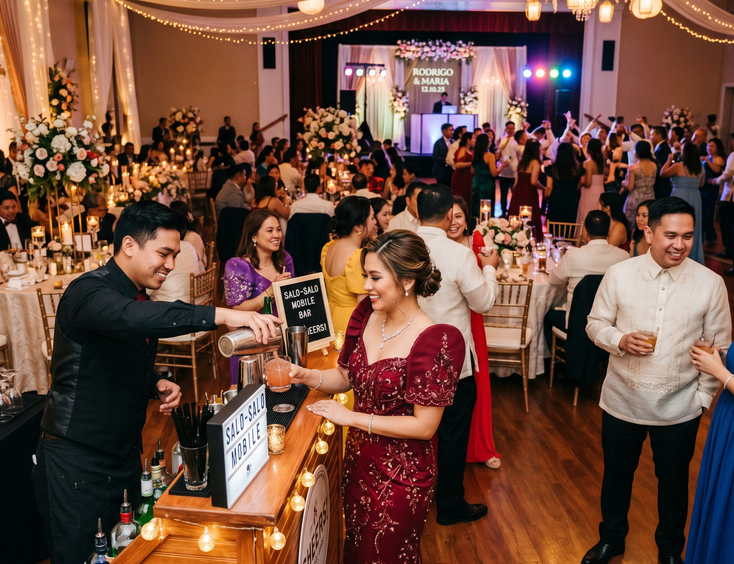
Drinks serve a specific role in that timeline. Cocktail hour bridges the ceremony and the reception. Your guests arrive at the venue while you and your partner finish post-nuptial photos. A mobile bar keeps them occupied during that window. Bartenders mix cocktails, pour beer, and serve mocktails for your lolas, titas, and non-drinking guests.
After dinner, the bar picks up again. The program winds down, the dance floor opens, and guests line up for cocktails and shooters. The bar becomes a social hub for the rest of the night.
Most Filipino receptions focus on food. Lechon, pancit, and adobo dominate the menu. But couples now give equal attention to what their guests drink. A mobile bar lets you offer a curated beverage experience instead of the standard iced tea pitchers and wine bottles on the table.
For a full breakdown of pricing, packages, and what to ask before booking, see our complete guide to hiring a wedding mobile bar in the Philippines.
Why Mobile Bars Are Trending at Philippine Weddings
Several forces are driving the trend. None of them are complicated.
Social Media Changed Guest Expectations
Filipino couples scroll through Instagram and Pinterest for wedding inspiration. They see styled cocktail bars, signature drinks with custom labels, and flair bartenders flipping bottles. They want that at their own reception.
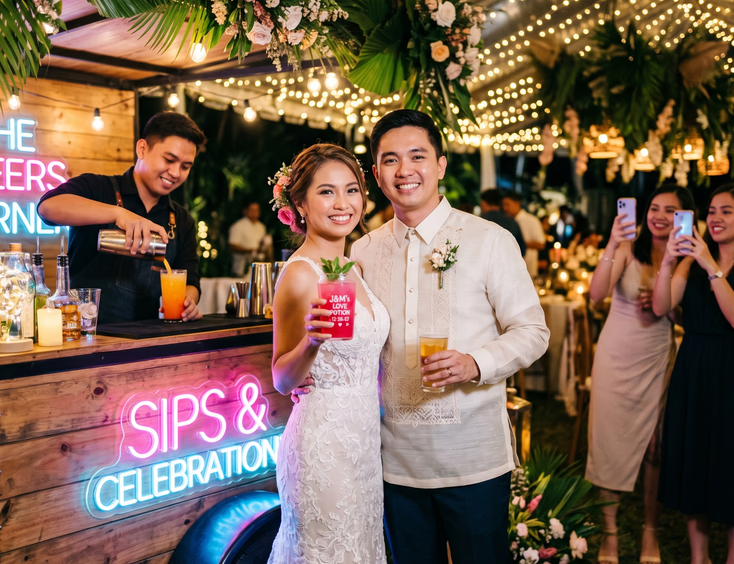
Wedding content creators have become a fixture at Filipino weddings. Couples hire professionals to craft dynamic content for Instagram and TikTok. A mobile bar with colorful cocktails, LED lighting, and an aesthetic counter gives those creators something to shoot. Your guests do the same with their phones.
A mobile bar counter covered in garnishes, glowing under string lights, with a bartender shaking a cocktail becomes one of the most photographed spots at your reception.
Weddings Are Getting More Personalized
Filipino weddings in 2026 lean toward personal touches. Couples name signature cocktails after their love story. They build drink menus around Filipino flavors like calamansi, dalandan, and ube. They match the bar counter to their wedding theme.
That level of customization was hard to pull off with a standard hotel beverage package. Mobile bar suppliers let you control the menu, the look, and the experience. You choose the drinks. You pick the counter style. You decide if you want flair bartending or a quiet, elegant pour.
The Cocktail Hour Gap
Filipino weddings have a built-in waiting period. The ceremony ends at the church. Guests travel to the reception venue. The couple does post-nuptial photos. That gap can stretch 30 minutes to an hour.
Without a mobile bar, guests sit at tables with nothing to do. With one, they walk up to the counter, order a drink, and mingle. The cocktail hour becomes part of the event instead of dead time.
Afternoon weddings amplify this. The cocktail hour can extend to an hour and a half. A mobile bar fills that stretch while you handle retouching and dress changes.
Interactive Stations Are the New Standard
Filipino wedding receptions are moving toward interactive guest experiences. Food carts, photo booths, live painting stations, fragrance bars, and dessert nooks are showing up alongside the buffet line. A mobile bar fits that same pattern. Guests walk up, interact with the bartender, watch their drink get made, and walk away with something in hand.
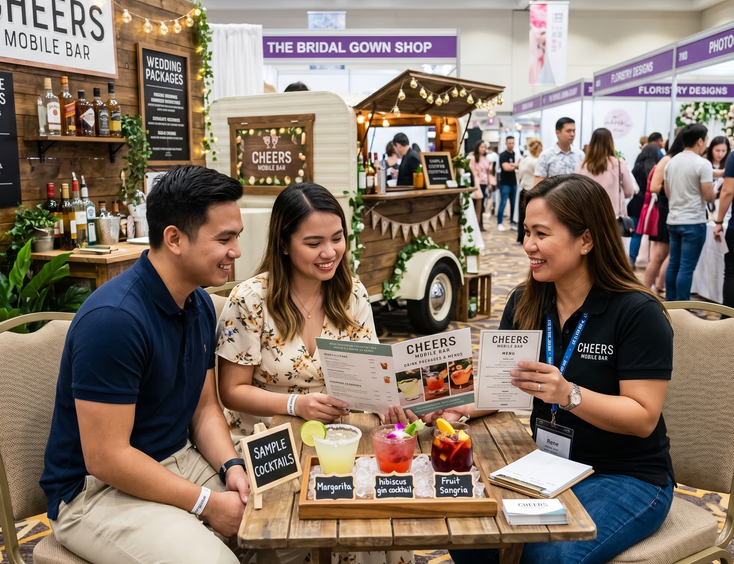
Wedding blogs and bridal fairs in the Philippines now feature mobile bars as a separate supplier category alongside caterers, photographers, and coordinators. The biggest wedding expo in the Philippines features mobile bar and coffee cart suppliers as part of its 350+ vendor lineup.
It Matches How Filipinos Party
Filipino celebrations are casual and focused on free-flowing movement. Guests table-hop. They crowd the dance floor. They gather in clusters to catch up with relatives they haven't seen in months. A mobile bar gives those clusters a place to anchor. No assigned seats. No waiting for table service. You walk up, order, and stay.
That energy is hard to replicate with pre-set wine bottles on the table.
What Couples Get Wrong About Mobile Bars
A few misconceptions keep couples from booking one.
"Our venue already provides drinks." Most venue and catering packages include basic beverages. Pitchers of juice, iced tea, a few wine bottles, and cases of beer. A mobile bar upgrades that with cocktails, shooters, mocktails, and a styled counter. The two can run side by side.
"It's too expensive." Mobile bar packages start at around ₱80 per person for four hours of open bar. For 150 guests, that's ₱12,000 on the low end. Mid-range packages with a wider drink menu sit between ₱150 and ₱300 per head. Compare that against buying bottles in bulk and having no one to serve them.
"Our guests don't drink." A good mobile bar serves mocktails, smoothies, juices, and specialty non-alcoholic drinks alongside the cocktails. Your lola, your pregnant cousin, and your younger guests all get something. The bar experience is about more than alcohol.
For a cost comparison and honest assessment of value, read is a wedding mobile bar worth the extra cost in a Filipino wedding reception.
Where to Start
You know what a mobile bar is. You know why Filipino couples are booking them. The next step is finding a supplier that matches your reception style, your venue, and your guest count.
Start by checking what a wedding mobile bar package in the Philippines usually includes so you can compare quotes side by side. If budget is your main concern, read how to include a mobile bar in your Filipino wedding budget without overspending.
Browse verified mobile bar suppliers in the Philippines to request packages and book a tasting.
Still Searching for a Right Match?
Find Your Perfect Wedding Supplier Today!
Discover trusted wedding suppliers across the Philippines in our complete directory. Compare services and connect with the ones that fit your dream celebration.
Browse Wedding SuppliersFeatured Blog Posts

Filipino Wedding Entourage - Roles, Order of March, and Modern Etiquette
6 mins readCivil Weddings in the Philippines - Requirements, Costs, and Step-by-Step Process
9 mins readCivil Wedding Requirements in the Philippines - Complete Checklist
6 mins readCost of Wedding in the Philippines - 5 Essential Things You Need to Know
7 mins readPrincipal Sponsors (Ninong/Ninang) - How Many, How to Ask, What They Really Do
4 mins readVeil, Cord, Candle & Coins - Roles, Options, and When They Happen
4 mins readEntourage for a Traditional Pinoy Wedding - Complete Roles and Guide
6 mins readComplete List of Civil Wedding Requirements in the Philippines
8 mins readHow to Choose Wedding Ninongs and Ninangs - Ask Yourself These 3 Important Questions
5 mins read