


Underwater Prenup Shoots in the Philippines: What You Need to Know
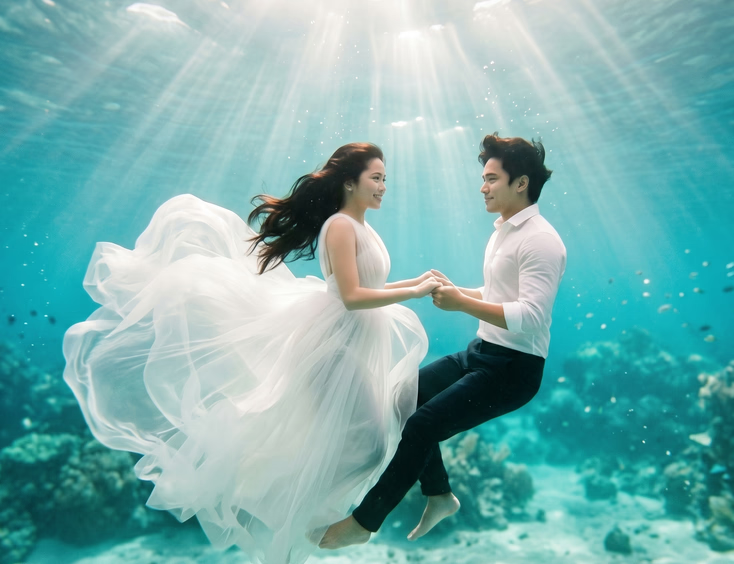
Underwater prenup shoots produce the most surreal photos in the Filipino wedding industry. Gowns floating weightless in turquoise water. Couples suspended above coral reefs. Hair drifting like ink in slow motion. The aesthetic reads dreamlike and otherworldly, the opposite of anything you can shoot on land.
The Philippines offers some of the best underwater shoot conditions in the world. Clear water year-round in most regions. Diverse reefs. Shallow lagoons with white-sand floors. Experienced dive communities in Cebu, Bohol, Palawan, and Anilao that have hosted hundreds of prenup shoots.
The catch is everything else. Underwater shoots cost five to ten times more than typical sessions. They demand specialized photographers, dive teams, and safety planning. Couples who romanticize the aesthetic without understanding the logistics get burned.
This guide covers what underwater prenup shoots actually involve, what they cost, and how to plan one that delivers the photos you imagined.
Why Couples Choose Underwater Shoots
Three things make underwater photos work in a way no surface shoot can match.
Weightlessness. Bodies move through water in ways they can't move on land. Gowns float. Hair drifts. Couples can pose in shapes physics doesn't allow above the surface. The compositions feel unreal.
Light. Sunlight filtering through water creates patterns no studio lighting can replicate. The shifting blues, greens, and golds of underwater light produce galleries that look painted rather than photographed.
Rarity. Underwater prenups remain uncommon in the Philippines. Couples who book them stand out. The photos become talking points at the wedding and beyond.
The trade-off is everything that makes the aesthetic possible: cost, training, weather, location access, and physical demand on the couple. The romance ends fast when the couple can't open their eyes underwater or panics during the first dive.
Where to Shoot Underwater in the Philippines
Cebu and the surrounding islands offer the most established underwater shoot infrastructure. Moalboal, Oslob, and the channels around Mactan all welcome shoots regularly. Local dive teams handle logistics.
Anilao in Batangas sits four hours from Manila and offers some of the country's clearest water within driving distance. The reefs are protected, the conditions are calm, and the dive community is experienced with prenup work.
Coron and El Nido in Palawan deliver the most dramatic underwater backdrops in the country. Turquoise lagoons, limestone walls visible from below, and shipwrecks for couples wanting extreme drama. The cost is also the highest.
Bohol's Panglao Island offers calm conditions, white-sand bottoms, and easy access for couples not ready for open-water shoots.
Siquijor and Apo Island both have growing underwater shoot scenes. Smaller dive communities mean more personalized coordination but less established infrastructure.
Subic Bay in Zambales offers shipwreck shoots for couples with diving experience. The wrecks produce photos unlike anywhere else.
Most underwater shoots happen in shallow water, 10 to 30 feet deep. Couples don't need to be certified divers for these. Free diving or breath-hold sessions cover most of the work. Some couples do certified scuba shoots for deeper wreck or reef compositions.
What Underwater Shoots Actually Cost
Underwater prenups are expensive because they require specialized teams. Rough budget:
Underwater photographer with prenup portfolio: ₱60,000 to ₱200,000 for a half-day session. The skill set is rare.
Dive team and safety divers: ₱15,000 to ₱40,000 for a half-day shoot. Some shoots require two to four safety divers in addition to the photographer.
Boat rental and dive site access: ₱8,000 to ₱30,000 depending on the location.
Specialty underwater hair and makeup: ₱15,000 to ₱40,000. Standard HMUAs don't have the technique. Specialists use waterproof products and underwater-tested styling.
Waterproof or designed-to-float wardrobe: ₱20,000 to ₱80,000. Rental gowns built specifically for underwater shoots exist. Some brides commission custom pieces. Cotton, silk, and tulle work better than synthetic fabrics.
Travel and accommodation for out-of-Manila locations: ₱20,000 to ₱100,000 for a weekend trip.
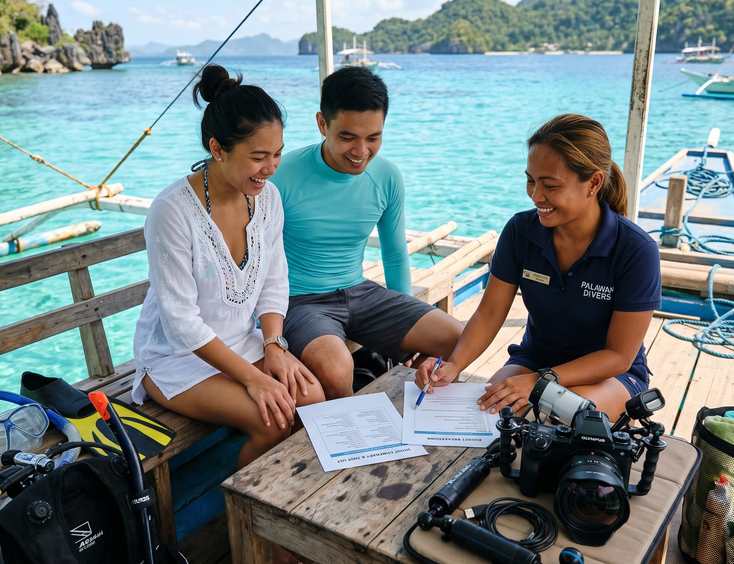
Practice sessions before the actual shoot: ₱5,000 to ₱15,000. Most underwater photographers require couples to do a practice swim or free-diving session before booking.
A budget Cebu underwater shoot runs ₱100,000 to ₱180,000. A Palawan shoot at El Nido or Coron with full styling and accommodation runs ₱200,000 to ₱500,000.
For a broader cost comparison across all prenup venue types, see choosing a prenuptial shoot venue in the Philippines.
What Couples Need to Be Able to Do
Underwater shoots demand physical capability that surface shoots don't.
Hold breath for 15 to 30 seconds at a stretch. Most underwater shots happen during single breath-holds. Couples who panic in water can't pull off the poses photographers need.
Open eyes underwater. Some photographers shoot couples with closed eyes for stylistic reasons. Most don't. Saltwater and pool water both affect eye comfort. Couples should test their tolerance before the shoot.
Stay calm under physical stress. Underwater shoots are tiring. Three to four hours of breath-holding, posing, and treading water exhausts most people. Fitness matters more than couples expect.
Communicate without speaking. Underwater communication relies on hand signals and eye contact. Photographers coach couples on basic signals before the shoot.
Trust the safety team. Couples who fight the dive team or panic when corrected don't get usable shots. The dive team's job is to keep everyone safe. The photographer's job is to direct the composition.
Couples who don't swim well should not book underwater shoots. The aesthetic is not worth the safety risk.
How the Shoot Day Works
Most underwater prenup shoots follow a similar structure.
Early morning briefing. The photographer, dive team, and HMUA walk couples through the day. Safety signals, breath-hold technique, and shot plans get reviewed.
Practice session in shallow water. Couples spend 30 to 60 minutes getting comfortable with the gown, the water, and the breath-hold rhythm. The practice catches problems before they cost shoot time.
Hair and makeup application on the boat or at a nearby resort. Waterproof products and styled hair that holds underwater take longer to apply than standard prenup HMU. Plan for 90 minutes minimum.
First underwater session. The photographer descends with the couple to the shoot zone. Safety divers position around the couple. The bride or groom enters the water with gown weighted appropriately.
Each underwater shot involves breath-hold, descent, pose, hold, and resurface. The cycle repeats dozens of times. Photographers shoot bursts during each breath-hold. The couple gets one to three usable frames per descent.
Break and resurface sessions. Couples take rests every 20 to 30 minutes. Sun protection, water, and snacks matter.
Second wardrobe set or location, if booked. Some shoots include two underwater looks or split between reef and lagoon. The additional setup adds an hour.
Closing surface session. Many couples add a surface or beach session to the same shoot day. The combination produces galleries with both underwater and traditional elements.
A full underwater shoot day runs 8 to 12 hours including transit, setup, shoot time, and breakdown.
What to Wear for Underwater Shoots
Underwater wardrobe demands different choices than land prenup wardrobe.
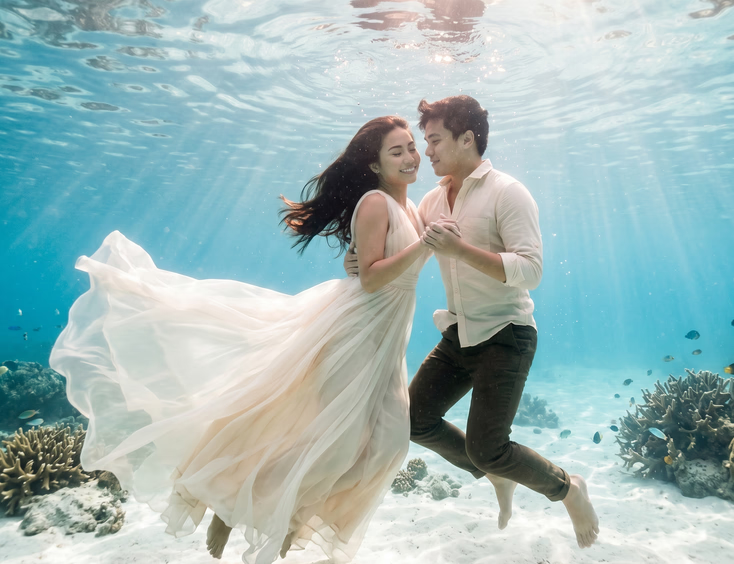
Flowing gowns photograph better than fitted gowns. Movement in water creates the dreamy aesthetic. Tight clothes look stiff.
Cotton, silk, organza, tulle, and chiffon work. Synthetic fabrics like polyester resist water and look plastic when wet. Heavy satin sinks unnaturally.
Soft white, ivory, blush, and pale blue read beautifully against blue water. Deep saturated colors can read flat unless the photographer plans for them.
Custom or rental gowns built for underwater work exist in the Philippines. Standard wedding gowns rarely behave well underwater. The hem rises, the bodice floats up, and the silhouette distorts unpredictably.
For grooms, lightweight cotton or linen shirts work better than full suits. Some couples skip the groom's shirt entirely for stylistic reasons. Tailored trousers in dark colors photograph well.
Hair styling matters. Loose hair works for movement. Styled updos rarely hold underwater. The HMUA should test the style in water before committing.
Skip jewelry that can drift or detach underwater. Earrings get lost. Necklaces float into awkward positions. Simple, secured pieces work best.
Bring multiple wardrobe sets. Underwater fabric becomes too heavy to reuse after a long session. Most couples plan for one to two looks maximum per shoot.
How to Find the Right Photographer
Underwater photography is a specialty within a specialty. Most prenup photographers can't shoot underwater work, regardless of their land portfolio. Filter for these signs.
Strong underwater portfolio with multiple couples. Photographers with only one underwater shoot probably borrowed someone else's location and team.
Certification or training in underwater photography. The technical demands of waterproof housing, lighting, and composition under water all require specialized skills.
Direct relationships with dive teams in their shoot regions. The best underwater photographers run their own dive support or work with consistent partners.
Galleries that include both shallow water and deeper compositions. Range proves the photographer can handle different conditions.
Reviews from past underwater clients. The shoot day involves trust and coordination that goes beyond typical prenup work. Past clients should describe the photographer's calm and clarity under pressure.
To find underwater-experienced photographers and venues that handle prenup logistics for ocean or pool shoots, browse the prenup venue directory and filter by underwater, beach, or destination category.
Permits, Safety, and Practical Rules
Underwater shoots involve coordination with multiple agencies depending on the location.
Marine protected areas require permits. Most prime underwater shoot locations sit inside protected zones. Permits run ₱500 to ₱5,000 per couple plus per-person fees.
Tourism office coordination. Coron, El Nido, Moalboal, and Anilao all have tourism offices that coordinate shoot permits and dive logistics.
Insurance. Some dive operators require couples to sign waivers. A few require travel insurance covering water sports. Check before booking.
Weather contingencies. Rough seas, strong currents, or poor visibility cancel underwater shoots fast. Build buffer days. Some couples lose two of three planned shoot days to weather.
Safety briefings. Underwater shoots involve real risks. Drowning, ear injuries, coral cuts, and equipment failures all happen. Every couple should receive a full safety briefing before water entry.
Respect for the marine environment. Don't touch coral. Don't chase fish. Don't drag wardrobe across reef formations. Damaged ecosystems hurt future couples and the local diving community.
Coordinate with the dive team on rescue protocols. Free-diving, especially in deep water, carries real risk. Safety divers should always be ready to respond.
When Underwater Shoots Aren't the Right Fit
Underwater prenups reward couples who genuinely love the water and want the most unusual photos possible. They punish couples who don't fit the profile.
Skip underwater if either of you is uncomfortable swimming. The shoot becomes traumatic rather than romantic.
Skip them if your budget can't absorb the cost without compromising other wedding priorities. A failed underwater shoot is the most expensive prenup mistake possible.
Skip them if your schedule has no flexibility. Weather cancellations are common. Some couples need three trips before the shoot happens.
Skip them if you want a quick, half-day session. Underwater shoots eat full days. The intensity exhausts both partners.
Skip them if you want photos that read traditional. The aesthetic is undeniably unusual. Some families won't understand. Some couples regret the choice when they see the photos against more conventional shots.
For couples drawn to water aesthetics without the diving commitment, the most stunning waterfall prenup shoot spots offers dramatic water settings with land-based shooting. Couples who want the beach without going underneath should look at beach vs. garden vs. urban prenup venues for the broader category.
How to Decide if You're Ready
Three questions cut through the romance and reveal whether underwater is right for you.
Can both of you swim 100 meters without stopping? Underwater shoots demand stamina. Couples who tire fast in a pool will struggle in open water.
Are both of you comfortable opening your eyes underwater for 20 seconds? Eye comfort separates couples who pull off underwater shoots from couples who waste the budget.
Does the photo style genuinely excite both of you, or just one? Underwater shoots punish couples who don't agree on the choice. The discomfort shows in every frame.
If both answers are yes and both partners are excited, underwater shoots produce some of the most memorable prenup photos in the country. If any answer is no, save the money for a venue that fits both of you.
For couples ready to compare underwater shoots against other dramatic prenup options, luxury estate and private farm prenup venues and rooftop prenup shoots deliver editorial impact without the physical demands of underwater work.
Still Searching for a Right Match?
Find Your Perfect Wedding Supplier Today!
Discover trusted wedding suppliers across the Philippines in our complete directory. Compare services and connect with the ones that fit your dream celebration.
Browse Wedding SuppliersFeatured Blog Posts




Filipino Wedding Entourage - Roles, Order of March, and Modern Etiquette
6 mins readCivil Weddings in the Philippines - Requirements, Costs, and Step-by-Step Process
9 mins readCivil Wedding Requirements in the Philippines - Complete Checklist
6 mins readCost of Wedding in the Philippines - 5 Essential Things You Need to Know
7 mins readPrincipal Sponsors (Ninong/Ninang) - How Many, How to Ask, What They Really Do
4 mins readVeil, Cord, Candle & Coins - Roles, Options, and When They Happen
4 mins readEntourage for a Traditional Pinoy Wedding - Complete Roles and Guide
6 mins readComplete List of Civil Wedding Requirements in the Philippines
8 mins readHow to Choose Wedding Ninongs and Ninangs - Ask Yourself These 3 Important Questions
5 mins read