

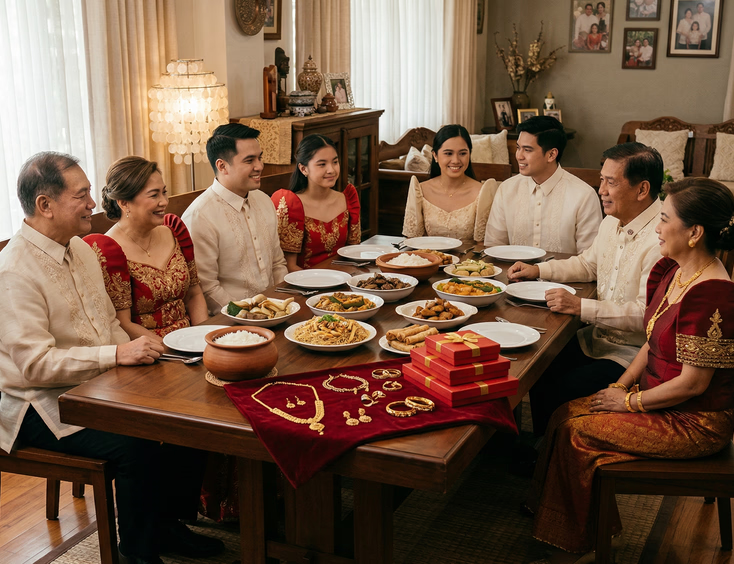
Top Wedding Suppliers You Need for a Chinoy Wedding in the Philippines
A Chinoy wedding runs two ceremonies, multiple costume changes, a multi-course banquet, and a tea ceremony, all in a single day. The suppliers you hire either understand that load or they don't. The ones who don't will slow you down at the worst moments.
This is not a generic wedding supplier checklist. It covers the specific roles that matter most for a Chinoy wedding in the Philippines and what to look for in each one.
Wedding Coordinator
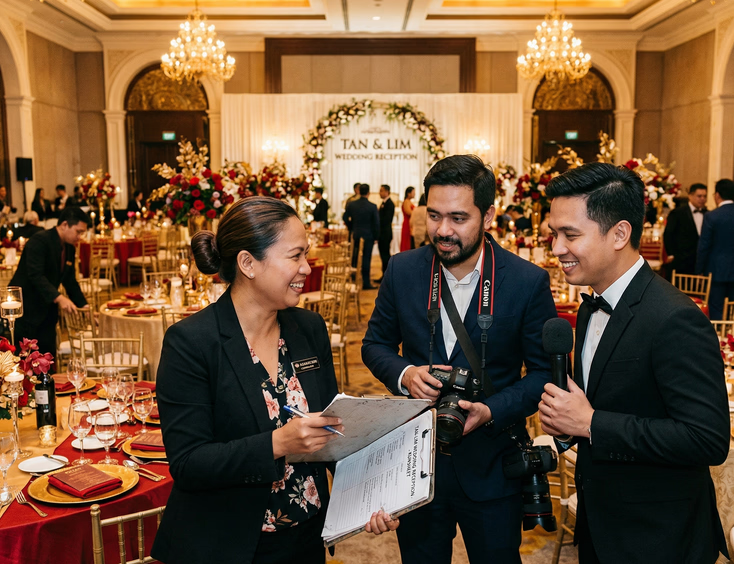
Hire a coordinator who has managed Chinoy weddings before. This is the one role where experience with Chinese customs is not optional.
A coordinator who knows Chinoy weddings understands the tea ceremony setup requirements, the timing pressure between the Catholic Mass and the reception program, the ang pao collection system, and the sequence of the banquet program. They have already made the mistakes on someone else's wedding. You are not their test case.
Ask them directly: how many Chinoy weddings have you coordinated? What did the tea ceremony setup look like? How did you handle the transition between the church and the reception? The answers tell you whether they know the territory. The wedding planners and coordinators in this directory are a strong starting point for finding suppliers with this specific background.
Banquet Venue and Catering Team
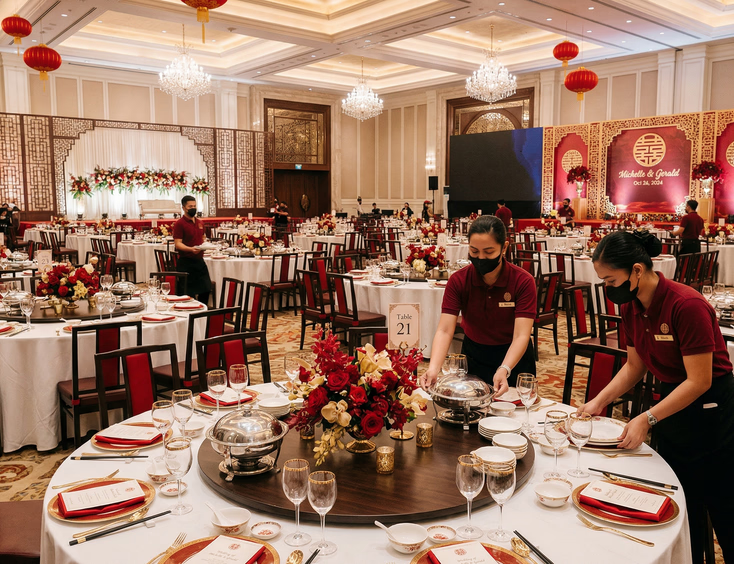
The venue is not just a room. For a Chinoy wedding, it is the infrastructure for the banquet, the tea ceremony, the program flow, and the logistics of feeding a large guest list multiple courses across a long evening.
Look for venues that have hosted Chinoy banquets before. They will have the round tables, the lazy Susans, the correct table capacity, and a kitchen that can execute Chinese banquet courses. Ask about their experience with the 12-course format and whether their kitchen handles the full menu or outsources certain dishes.
The catering team matters as much as the venue. Each dish in a Chinoy wedding banquet carries symbolic weight, and a catering team that understands this will flag substitutions that compromise the symbolism, not just the flavor. A team that doesn't know the difference between a noodle dish that signals longevity and one that doesn't will not catch the problem until the plate is already on the table. The full breakdown of what each course means is in The 12-Course Chinoy Wedding Banquet: Every Dish Explained and Why It Matters.
Photographer and Videographer
The tea ceremony is the moment most Chinoy families want documented above everything else. Your photographer needs to know it is coming, know what it looks like, and know how to shoot it in a low-light private room without disrupting the ritual.
Brief your photographer on the full sequence before the wedding day. Walk them through the tea ceremony, the ang pao collection, the banquet program, and the costume change between the wedding gown and the qipao. A photographer who has never shot a Chinoy wedding will miss beats that a more experienced one protects without being told.
The same applies to the videographer. The speeches, the tea ceremony, the first dish of the banquet, the roast pig presentation if lechon is part of your program: these are the moments that a Chinoy family will rewatch. Make sure your videographer knows which ones to anchor.
Emcee
The emcee runs the reception program. At a Chinoy wedding, that program includes Chinese customs that a significant portion of the guest list may not be familiar with, and older relatives who may not follow an emcee who only speaks English or Filipino.
A good Chinoy wedding emcee can move between English, Filipino, and Hokkien or Mandarin without losing the room. They know how to frame the tea ceremony for non-Chinese guests without making the explanation feel like a lecture. They know the pacing of a banquet program and how to hold attention across a long evening of courses.
Ask for a sample script or a recording of a previous Chinoy wedding program before you commit. An emcee who sounds polished at a corporate event does not automatically know how to handle a Chinoy reception.
Bridal Designer or Stylist
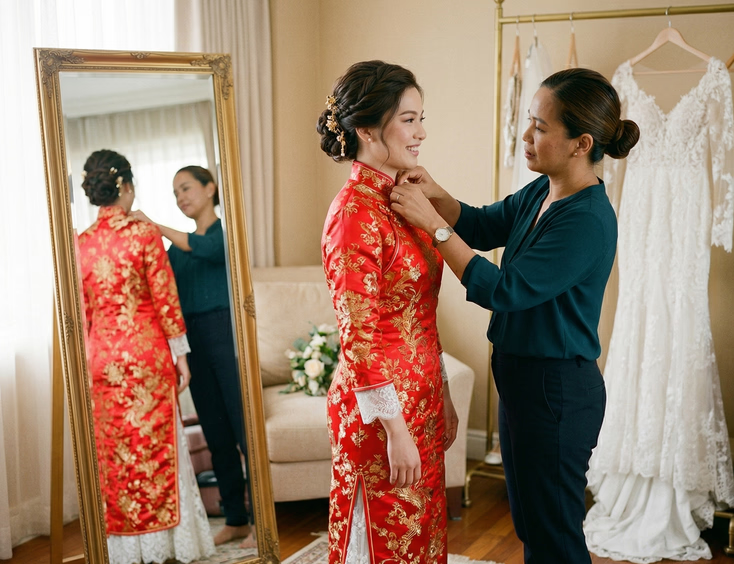
A Chinoy bride typically wears two outfits: a wedding gown and a qipao. Some brides wear three, adding a second qipao or an evening gown for the later part of the reception. Each look needs to work independently and read as part of the same wedding.
Find a designer or stylist who has worked with both Western bridal silhouettes and Chinese garment construction. A qipao that fits poorly or uses fabric that reads as costume rather than couture will stand out against a well-made wedding gown. The same applies in reverse. If you are commissioning a gown that draws from qipao aesthetics, the designer needs to understand both traditions well enough to merge them without making either look wrong.
More on how brides are navigating this in Chinoy Bridal Style: How Filipino Chinese Brides Blend the Qipao and the Wedding Gown.
Florist and Stylist
Red and gold are the dominant palette for a traditional Chinoy wedding, but modern couples are expanding that range. Whatever palette you choose, your florist and stylist need to execute it across two settings: the church and the banquet hall.
The church arrangement and the reception arrangement will not look identical, but they need to feel connected. A florist who can work across both spaces and carry a visual thread between them saves you from a wedding that looks like two different events.
Ask your stylist about their experience with Chinoy wedding banquet setups specifically. The round table configuration, the centerpiece height relative to a lazy Susan, the placement of red elements without overwhelming the rest of the decor: these are details that someone unfamiliar with the format will get wrong.
Chinese Calligrapher or Stationer
Printed materials at a Chinoy wedding often include Chinese characters, whether on the menu cards, the ang pao envelopes, the table names, or the wedding arch. A stationer who cannot source or render accurate Chinese characters is a liability.
If you are using a calligrapher for signage or for a live calligraphy station during the reception, verify that they write Traditional Chinese characters, which is what the Chinoy community uses, not Simplified. The difference is visible and it matters to the older guests who will read the signage.
The Supplier Stack Works as a System
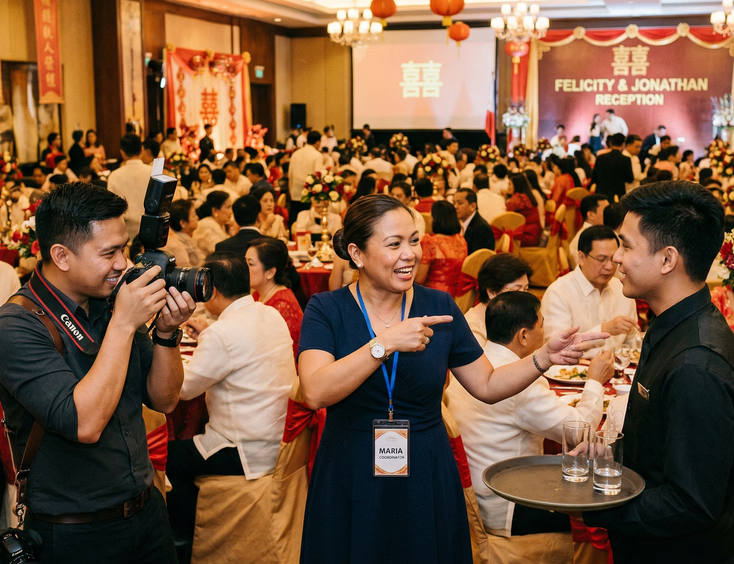
Each of these suppliers affects the others. The coordinator briefs the emcee. The emcee frames the tea ceremony for the florist's setup. The photographer works around the catering team's plating schedule. The bridal stylist coordinates with the photographer on the timing of the outfit change.
Suppliers who have worked together before move through those coordination points faster. When you hire a coordinator who comes with a trusted network of Chinoy wedding suppliers, you are buying time and reducing the number of briefings you have to run yourself.
For the full picture of everything that goes into planning a Chinoy wedding, start with The Complete Guide to a Chinoy Wedding in the Philippines: Traditions, Rituals, and Modern Touches. If you want to see how all of these suppliers fit into a single day, What Happens at a Chinoy Wedding: A Step by Step Guide to Every Tradition and Ritual maps the full sequence from morning preparations to the final banquet course.
Still Searching for a Right Match?
Find Your Perfect Wedding Supplier Today!
Discover trusted wedding suppliers across the Philippines in our complete directory. Compare services and connect with the ones that fit your dream celebration.
Browse Wedding SuppliersFeatured Posts
Regional Wedding Customs Every Filipino Couple Should Know
23 mins readThe Complete Guide to Filipino Wedding Invitations: From Traditional Customs to Modern Trends
12 mins readThe Complete Filipino Couple's Guide to Wedding Rings & Bands in the Philippines: Traditions, Styles, Budgets & Where to Buy
22 mins read